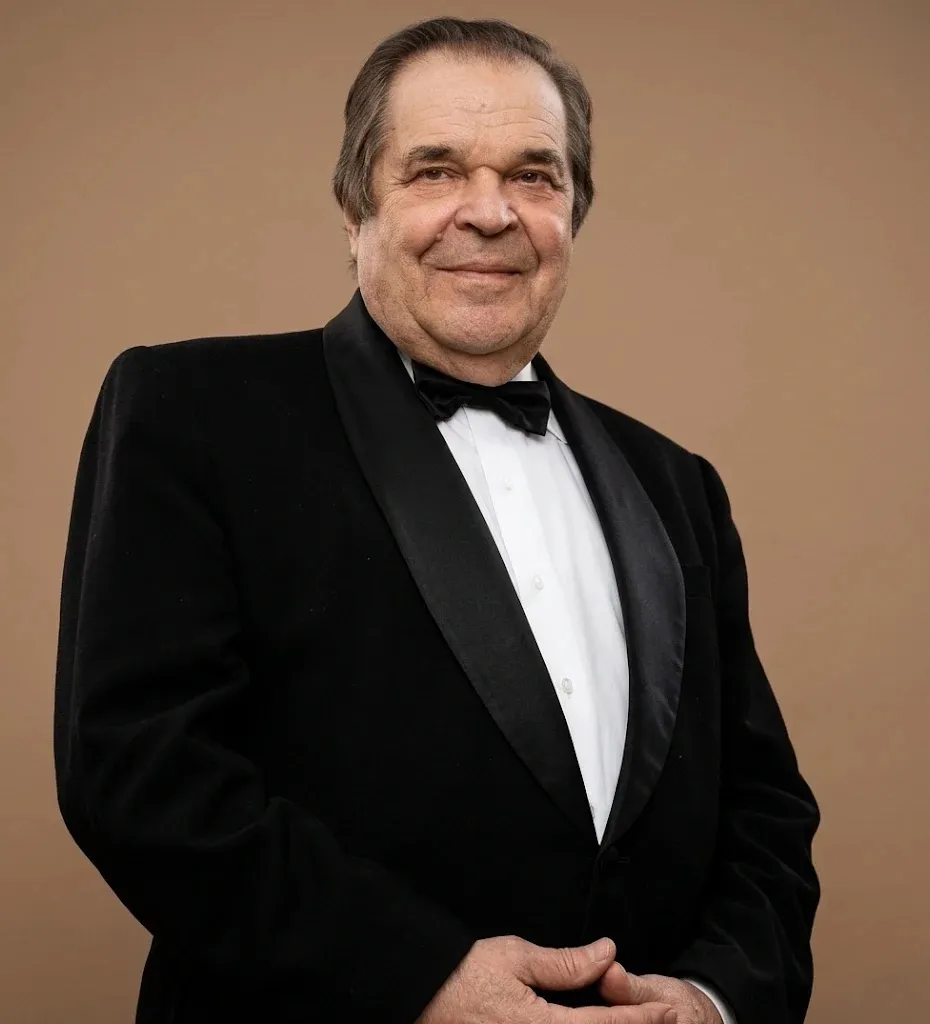
Ivan Mykolaichuk
Star of Shadows of Forgotten Ancestors
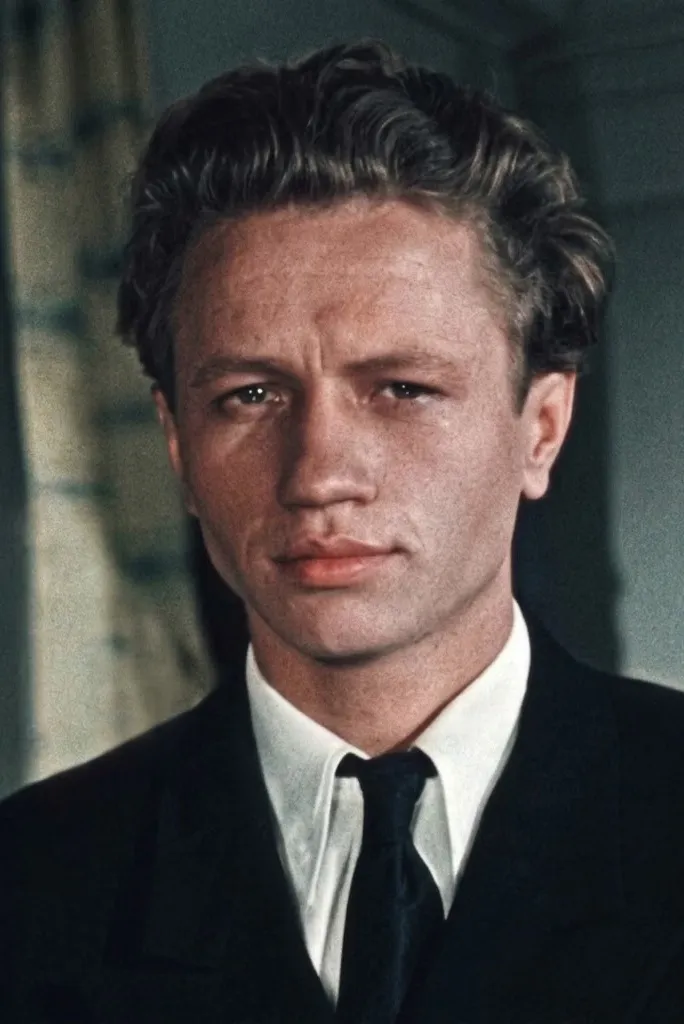
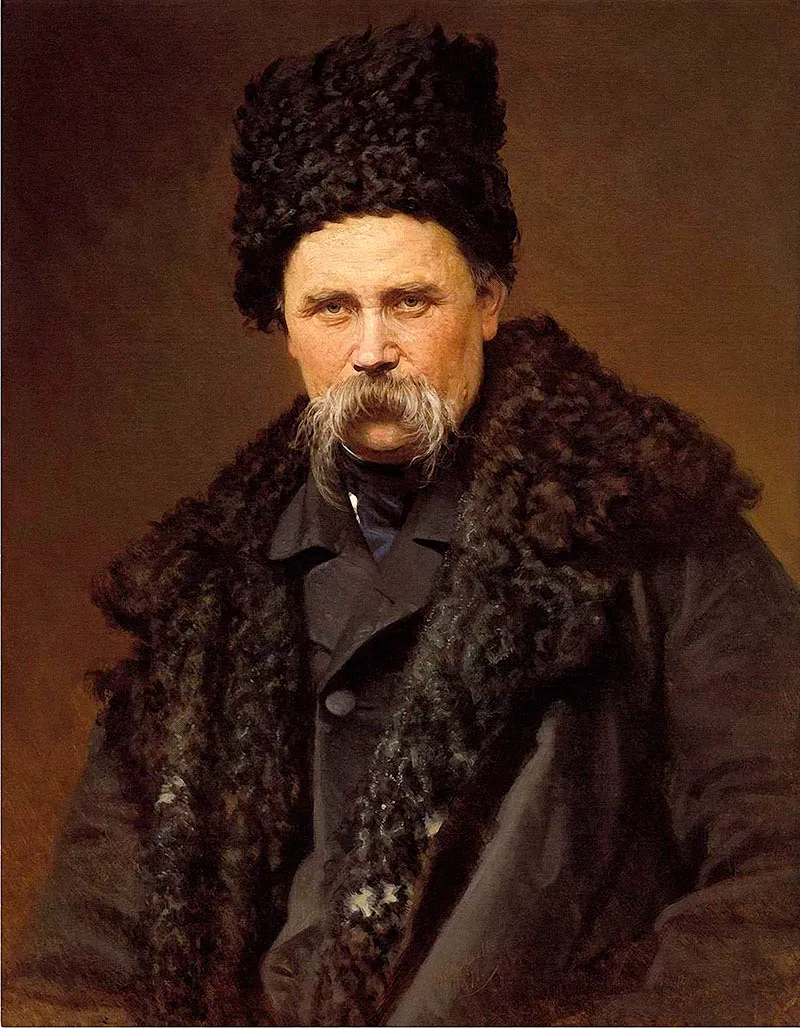
In a single year, 1964, a student from a Bukovyna village played both Taras Shevchenko and Ivan in Shadows of Forgotten Ancestors. Ivan Mykolaichuk became the face of Ukrainian poetic cinema, and later made his own films, such as Babylon XX.
Key accomplishments
- The role of Ivan Paliichuk in Shadows of Forgotten Ancestors (1964)
- Roles in A White Bird with a Black Mark (1971, co-writer), Zakhar Berkut and The Lost Letter (both 1972)
- Director of the films Babylon XX (1979) and Such a Late, Such a Warm Autumn (1982)
- Taras Shevchenko State Prize of Ukraine (1988, posthumously)
Two great roles in one year
Two great roles before he even graduated. Ivan Mykolaichuk was born in 1941 in the village of Chortoryia in Bukovyna. He trained as an actor first in the studio of the Chernivtsi Music and Drama Theater and then at the Kyiv Institute of Theater Arts. While still a student, in 1964, he played Taras Shevchenko in the film The Dream and Ivan in Sergei Parajanov’s Shadows of Forgotten Ancestors. These roles made him one of the faces of Ukrainian poetic cinema.
Actor, writer, director
The Oleksandr Dovzhenko Kyiv Film Studio became his home after graduation. He acted in The Stone Cross, A White Bird with a Black Mark, Zakhar Berkut, The Lost Letter and many other films. He wrote too: he co-wrote A White Bird with a Black Mark and wrote the screenplay for Yurii Illienko’s To Dream and to Live.
As a director Mykolaichuk made Babylon XX (1979), based on a novel by Vasyl Zemliak, and Such a Late, Such a Warm Autumn (1982). In both films he co-wrote the script, arranged the music and played one of the roles. Ivan Mykolaichuk died in Kyiv in 1987.
Why it matters today
Playing Ivan in Shadows of Forgotten Ancestors and Taras Shevchenko in The Dream made Mykolaichuk one of the faces of Ukrainian poetic cinema. Later he became one of its makers too: he wrote scripts, directed and arranged the music himself. A boy from a Bukovyna village showed that Ukrainian cinema could be made from the first word of the script to the last note. Anyone who wants to tell their own story on film today can learn from him.