1856–1916
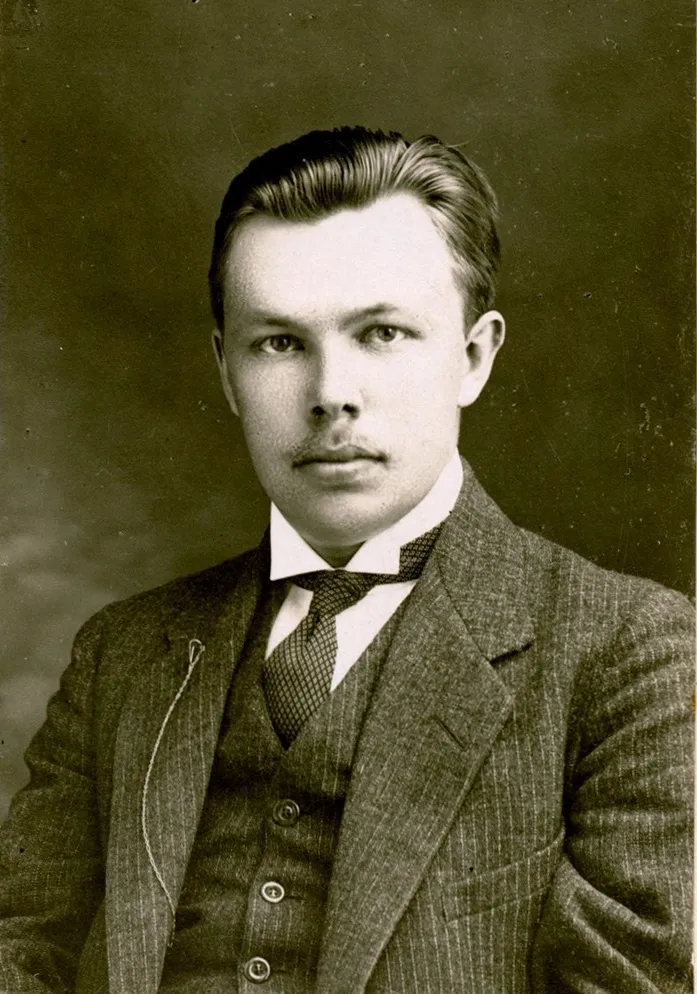
Ivan Franko
Writer, scholar and thinker
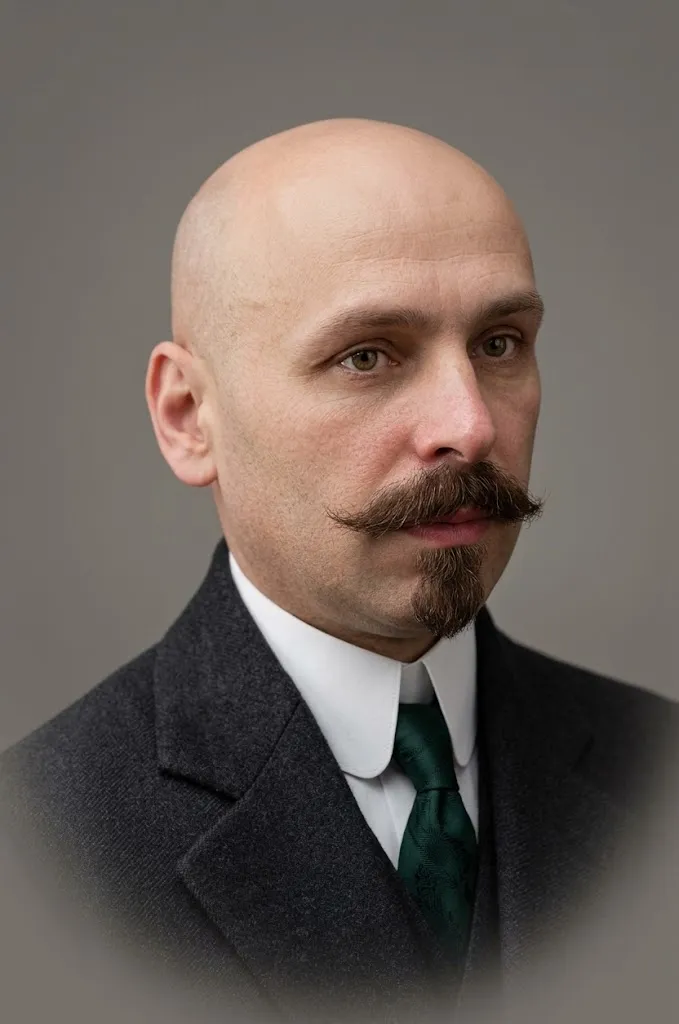
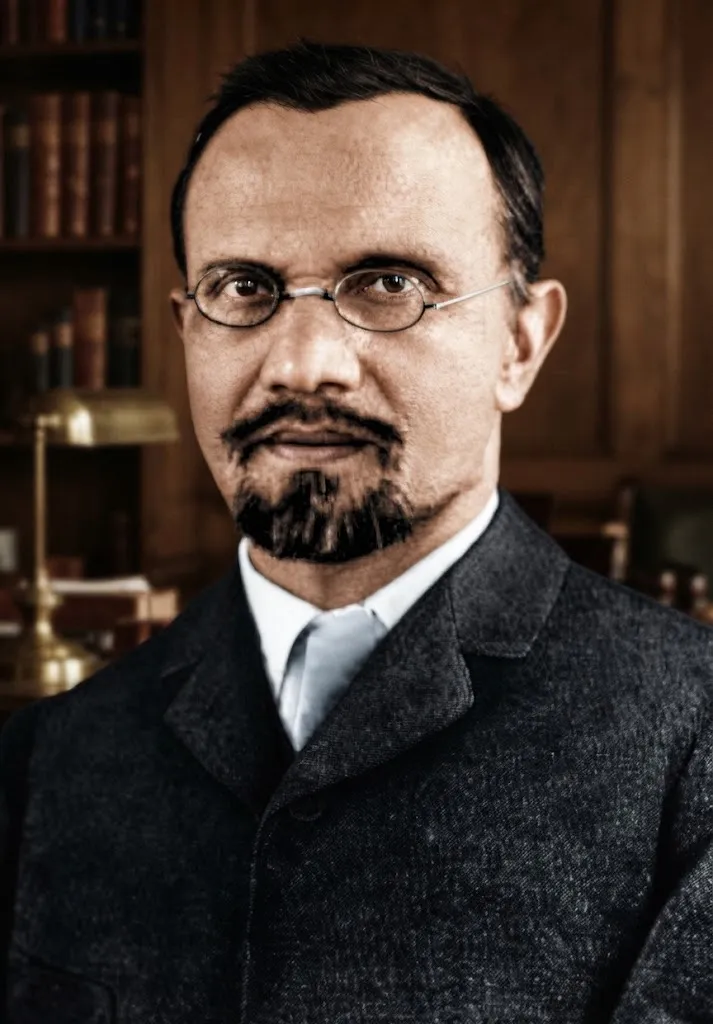
Austria jailed him several times; the University of Vienna made him a doctor of philosophy. Ivan Franko, writer, scholar and journalist, wrote thousands of works and was one of the first to argue for an independent Ukraine.
Key accomplishments
- The poem Moses, the novels Zakhar Berkut and Boryslav Is Laughing, the poem “The Stonebreakers”
- Doctorate in philosophy from the University of Vienna (1893)
- Co-founder of the Ruthenian-Ukrainian Radical Party (1890)
- Translated from 14 languages; researcher of folklore and literary history
The prisoner Vienna made a doctor
The Austrian authorities jailed Ivan Franko several times for his political views, the first time in 1877. Yet in 1893 he defended a dissertation at the University of Vienna and became a doctor of philosophy. The road there began in the village of Nahuievychi in the Lviv region, in the family of a village blacksmith, and ran through the Drohobych gymnasium and Lviv University.
Thousands of works and one idea
Franko is one of the most prolific authors in the history of Ukrainian literature. He wrote poetry, prose, plays, scholarship, criticism and journalism, and he translated. His poem Moses is a reflection on a people, a leader and the road to freedom. The novel Zakhar Berkut is about a community standing up for its freedom.
He didn’t only write. In 1890 Franko co-founded the first Ukrainian political party, the Ruthenian-Ukrainian Radical Party. And in his article “Beyond the Limits of the Possible” (1900) he was one of the first to argue for a politically independent Ukraine.
In 1915 the process of nominating Franko for the Nobel Prize in Literature began. But he died in Lviv in 1916, and the prize is not awarded posthumously.
Why his name is everywhere
Franko brought literature, scholarship and public life together and became one of the most influential Ukrainian intellectuals of his time. That is why Lviv National University, where he once studied, bears his name.