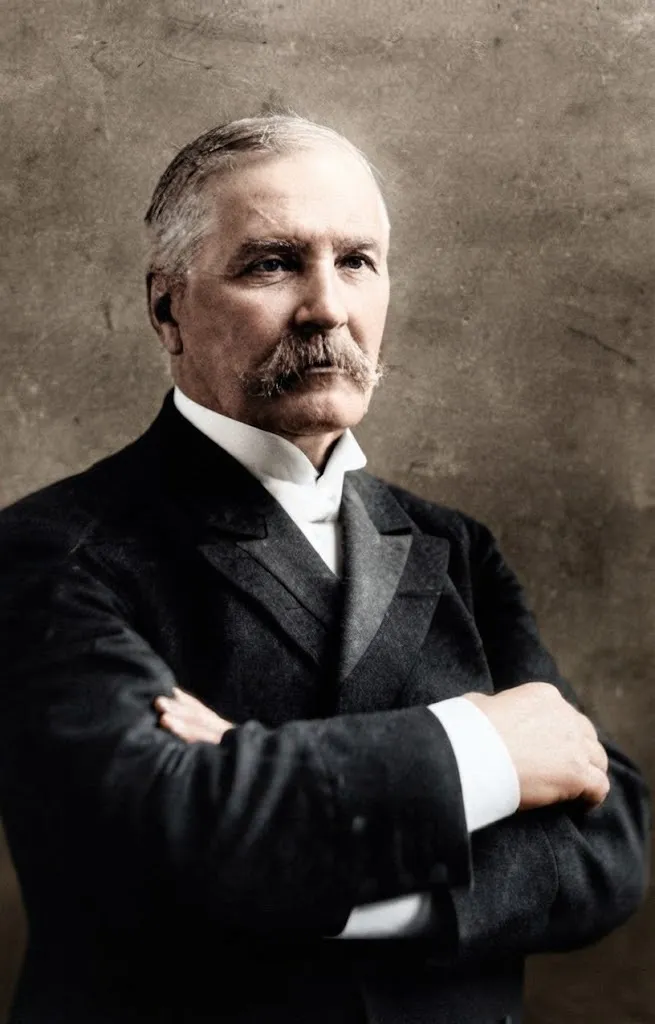
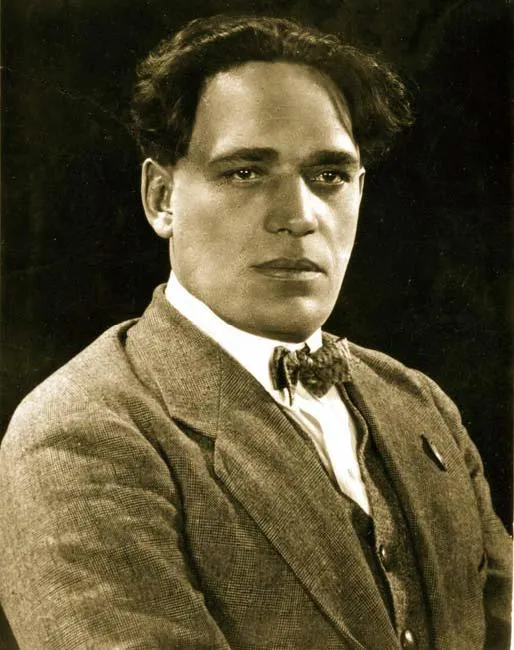
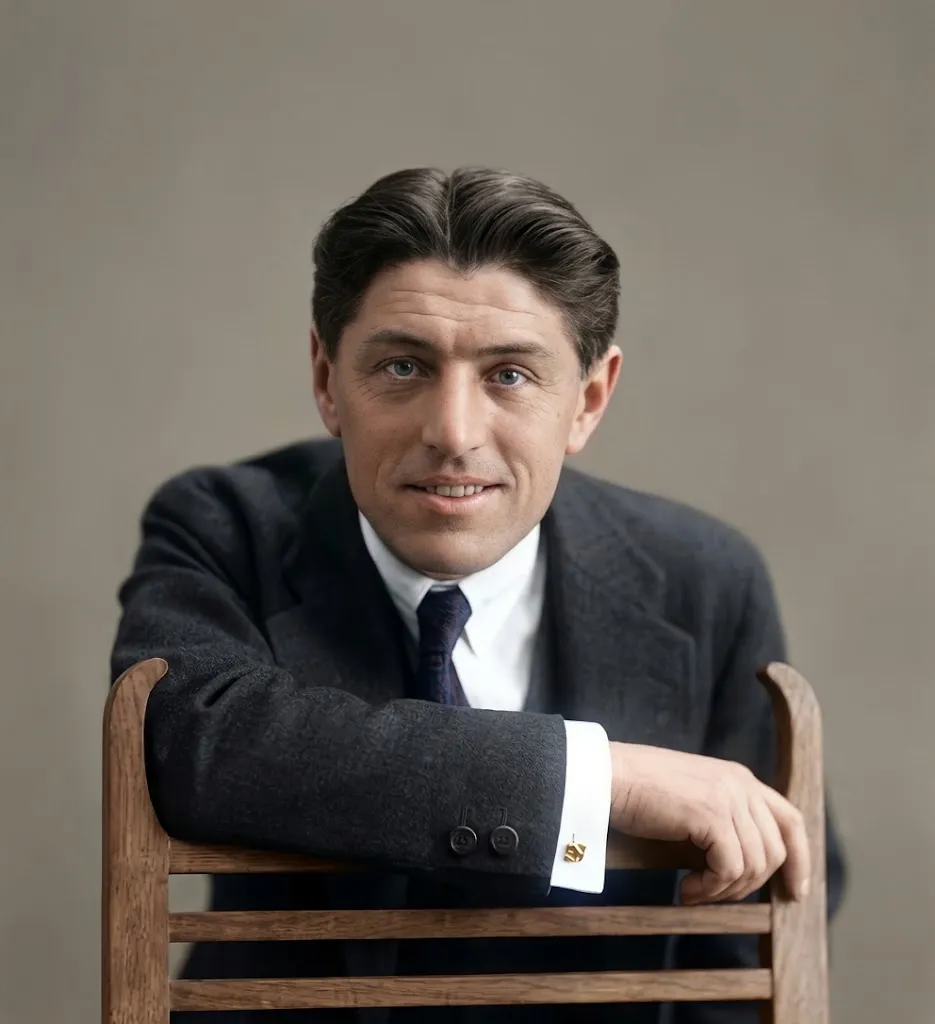
Mykola Leontovych
Composer of “Shchedryk”
The world sings “Carol of the Bells” and rarely knows it is a Ukrainian New Year’s song. Its arrangement, “Shchedryk”, was made by the composer and choir conductor Mykola Leontovych, and the melody has since been rearranged more than 150 times.
Key accomplishments
- Choral arrangement of “Shchedryk”, first performed in Kyiv at the turn of 1917
- About 150 choral arrangements of folk songs
- Teacher and organizer of the choral movement in Ukraine
More than 150 versions of one song
That is how many times Mykola Leontovych’s “Shchedryk” has been rearranged for different voices and instruments. The English-speaking world knows it as “Carol of the Bells”. It all began with a Ukrainian New Year’s song that a composer from Podillia spent years perfecting.
A priest’s son who polished every note
Leontovych was born in the village of Monastyrok in Podillia, the son of a village priest, and graduated from the theological seminary in Kamianets-Podilskyi. He taught singing and led school and village choirs. From 1904 to 1908 he taught singing at the railway school in Hryshyne (now Pokrovsk) and formed a choir of station workers, which is called the first workers’ choir in Ukraine. During the 1905 revolution the choir sang at rallies, even the “Marseillaise”, and his home was searched. In 1908 he moved to Tulchyn, where he taught music and singing at the diocesan girls’ school. He was hard on his own work: he could spend years on a single arrangement before letting anyone see it.
How “Shchedryk” went round the world
How does a piece of homework become a world hit? Professor Boleslav Yavorskyi, with whom Leontovych studied composition, set a piece built on ostinato, a motif that keeps repeating. Leontovych took four notes of a children’s New Year’s song, and then rewrote the piece five times.
“Shchedryk” was first sung by the Kyiv University student choir under Oleksandr Koshyts at the turn of 1917, and it made the composer famous. Later Koshyts’s Ukrainian Republic Capella, set up with the backing of the Ukrainian People’s Republic, took it on tour across Europe and the Americas, and on 5 October 1922 the melody rang out in New York’s Carnegie Hall. In 1936 Peter Wilhousky wrote English words for it, and “Carol of the Bells” was born.
The first church service in Ukrainian
In May 1919, at St Nicholas Cathedral in Kyiv, a church service was held to Leontovych’s music, his Liturgy of St John Chrysostom. It was the first church service in the Ukrainian language. He then began a fantasy opera, “On Rusalka Easter”, based on a fairy tale by Borys Hrinchenko, but did not live to finish it.
On 23 January 1921, in his parents’ home in the village of Markivka, Leontovych was murdered by Afanasii Hryshchenko, an agent of the Haisyn Cheka, whom he had let stay the night. The composer Myroslav Skoryk completed the opera, and it premiered in December 1977, 100 years after Leontovych was born.
Why it matters today
A village singing teacher from Podillia who spent years polishing each arrangement created a melody the world now sings. “Shchedryk” showed that a Ukrainian song could speak for a whole country: the young Ukrainian People’s Republic sent it round the world, and a New Year’s song became part of Christmas everywhere. Whenever “Carol of the Bells” plays, anyone can say it began as a Ukrainian song about a swallow. A swallow is also on the coat of arms and flag of Pokrovsk: it was taken from Leontovych’s bread dish, made by the composer’s father. And Leontovych’s fate is a reminder that a culture can’t be stopped by killing the people who make it.