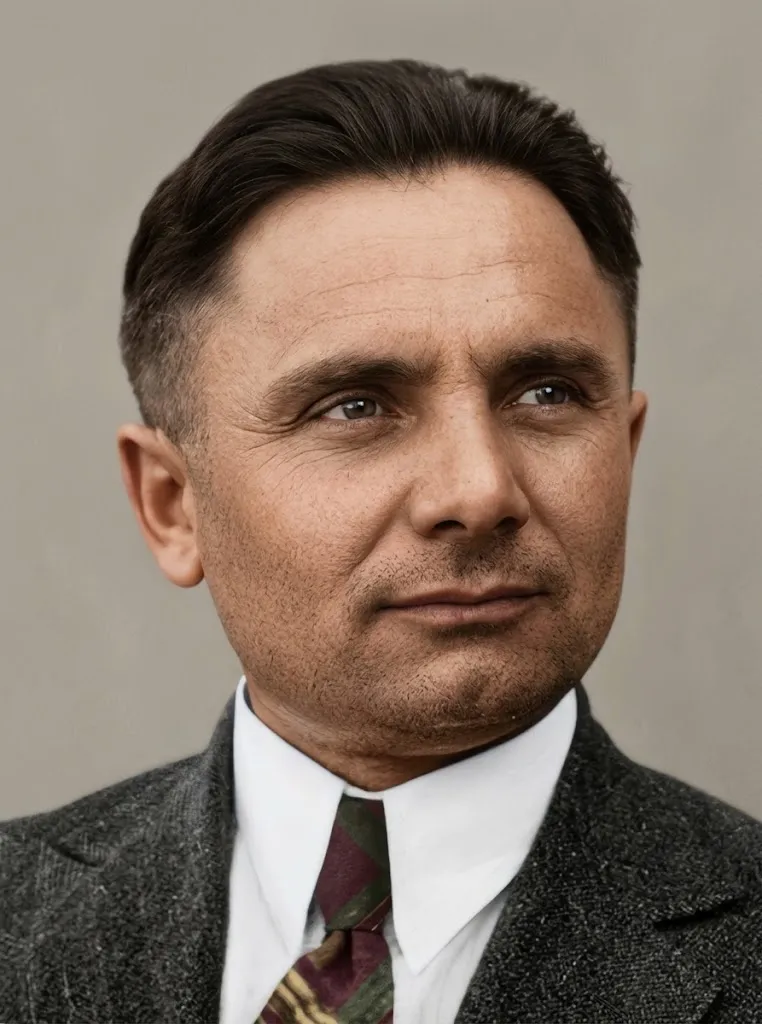
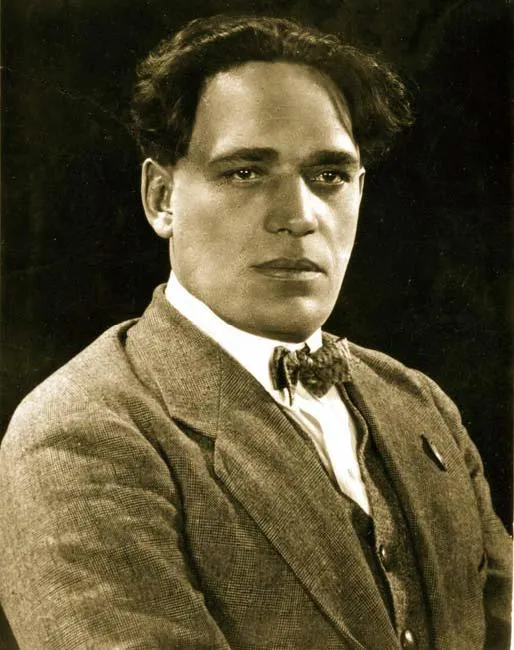
Hryhorii Verovka
Founder of a national folk choir
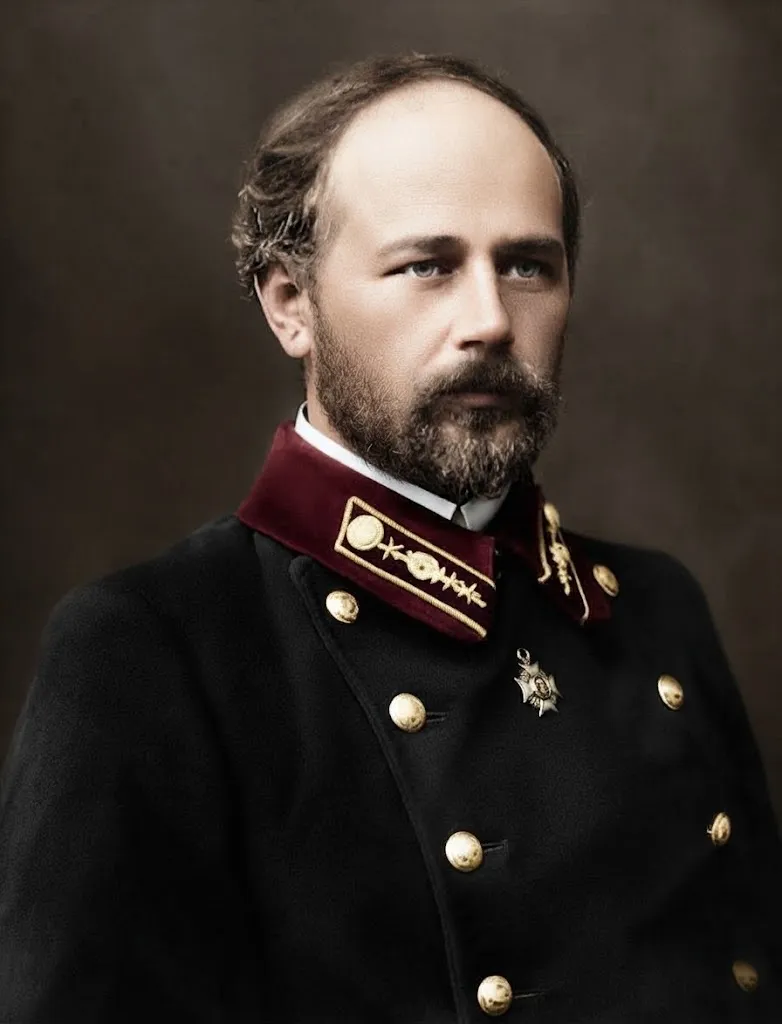
Foreign journalists couldn’t believe that a choir of more than 150 people was formed in 1943, in the middle of the war. Hryhorii Verovka built it, and it was the first in Ukraine to bring the folk way of group singing to the professional stage. Today the choir bears his name.
Key accomplishments
- Founded the Ukrainian Folk Choir in 1943 (now the choir named after him) and led it for the rest of his life
- More than 200 works: choral songs, folk-song arrangements, art songs, and music for Shevchenko’s play Nazar Stodolia
- Professor at the Kyiv Conservatory (1947) and teacher of choral conductors, among them Lev Venedyktov
- Head of the board of the Union of Composers of Ukraine (1948–1952)
- Stalin Prize (1948), People’s Artist of the Ukrainian SSR (1960), Shevchenko Prize (1968, posthumously)
The choir nobody believed in
Can you put together a large professional choir in the middle of a war? In 1943 Hryhorii Verovka, on the orders of the government of Soviet Ukraine, founded the Ukrainian Folk Choir in Kharkiv. Years later Anatolii Avdiievskyi, who would lead the choir after him, recalled that foreign journalists usually refused to believe a company of more than 150 people could have been formed at such a time. In 1944 the choir, a dance group and an orchestra of folk instruments gave their first concert, and the company has been based in Kyiv ever since. It was the first in Ukraine to bring the folk way of group singing to the professional stage.
From the seminary to the Leontovych choir
Verovka was born in 1895 in the small town of Berezna in the Chernihiv region. He began his musical studies at the Chernihiv theological seminary, and from 1918 studied composition with Boleslav Yavorskyi at the Music and Drama Institute in Kyiv. From 1919 he led amateur workers’ choirs. In 1921 one of them was merged with the choir of Pavlo Tychyna into a choir studio named after Mykola Leontovych, the composer killed that same year. In 1925 a music school was opened on the basis of Verovka’s choir, with him as its head.
Songs that became folk songs
All his life Verovka collected and wrote down folk songs across Ukraine. He wrote more than 200 works: the song “Oi choho ty, zemle, molodity stala” (1936), music for Taras Shevchenko’s play Nazar Stodolia (1941), and art songs to Shevchenko’s poems. Many of his songs became folk songs. From 1934 he taught choral conductors at the Kyiv Conservatory, as a professor from 1947; his students included Lev Venedyktov.
A choir that toured the world
Under his baton the choir brought Ukrainian art to Romania, Poland, Finland, Belgium, Luxembourg, Germany and Yugoslavia. At the same time Verovka was part of the Soviet artistic establishment: he headed the Union of Composers of Ukraine in 1948–1952 and received the Stalin Prize (1948) and the title of People’s Artist of the Ukrainian SSR (1960). The choir’s programs carried the usual share of Soviet propaganda of the time, but it kept the folk way of singing alive and supported folk performers.
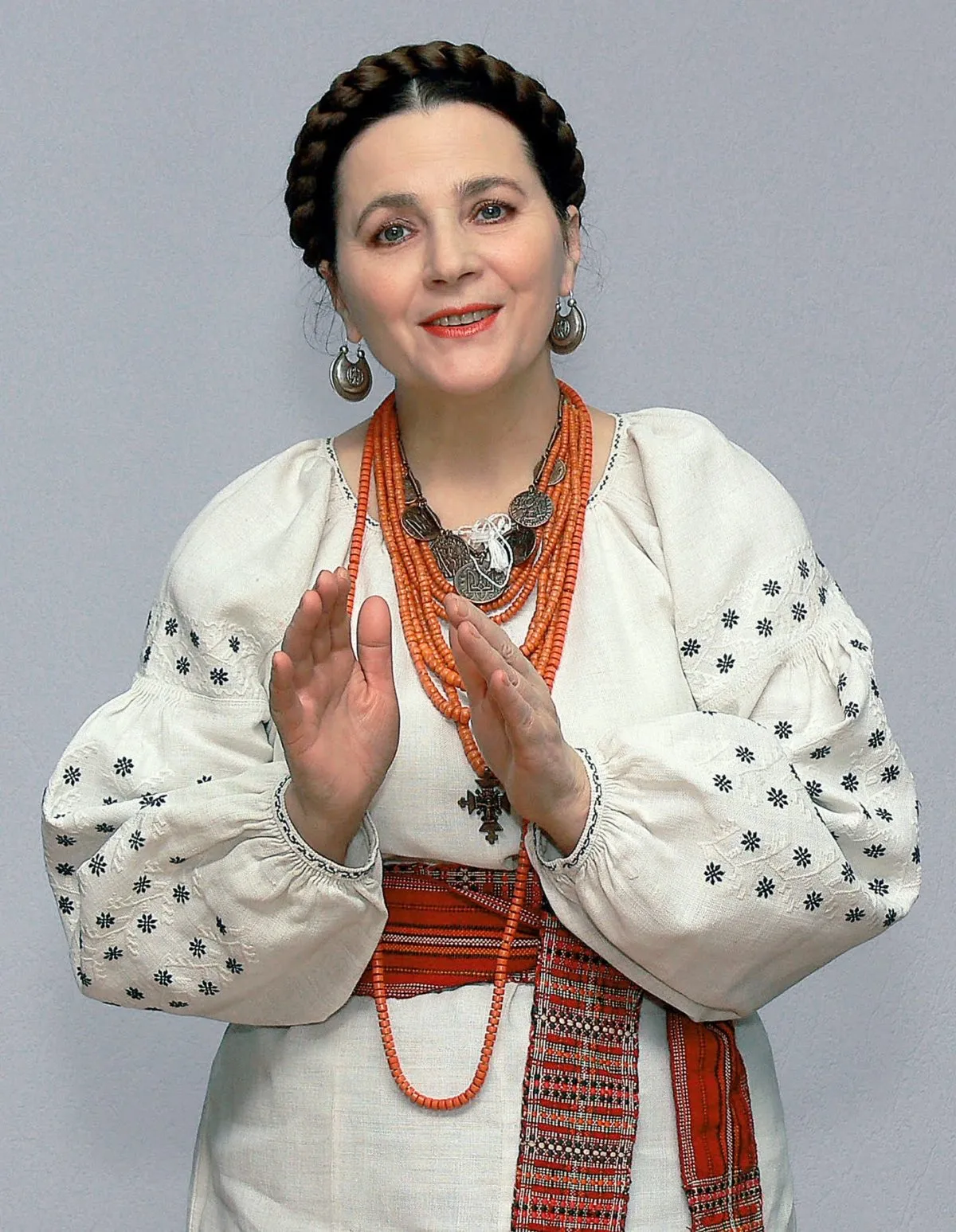
Verovka died in Kyiv on 21 October 1964. The choir, led next by his wife Eleonora Skrypchynska and from 1966 for half a century by Anatolii Avdiievskyi, took its founder’s name. It was here that Nina Matviienko became a soloist in 1968.
Why it matters today
Hryhorii Verovka showed that folk group singing is not just a village tradition but an art for the big stage. The choir, dancers and folk orchestra he brought together into one company carried Ukrainian song around the world at a time when Ukraine had no state of its own. He started out in a choir named after Leontovych and passed that work on to the students and singers who came after him. Anyone who walks onto a stage with a folk song stands on what he built.