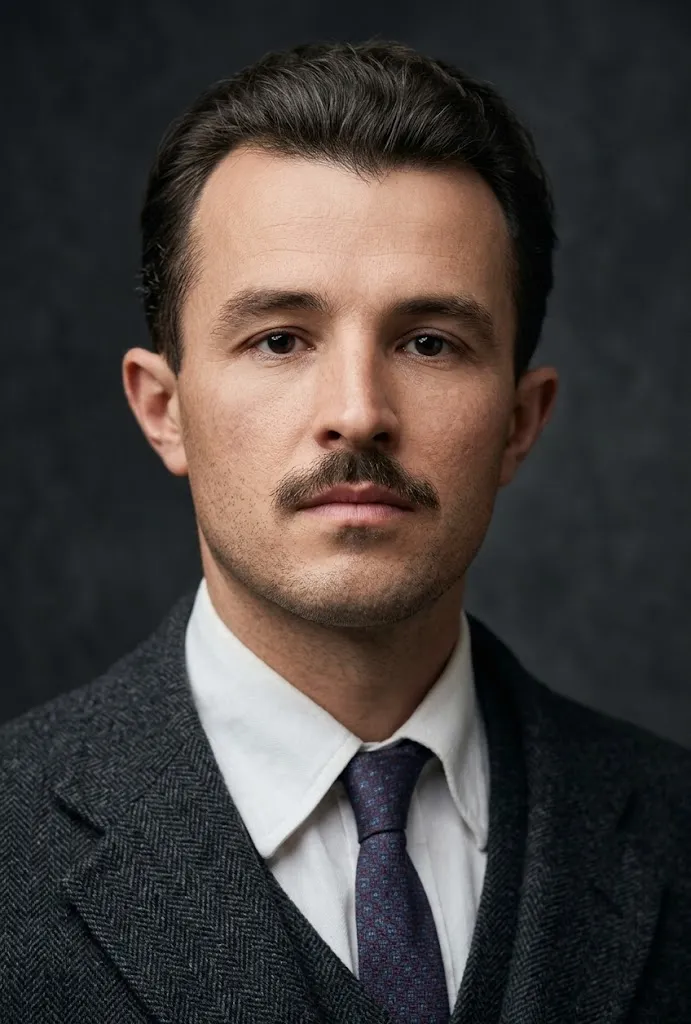
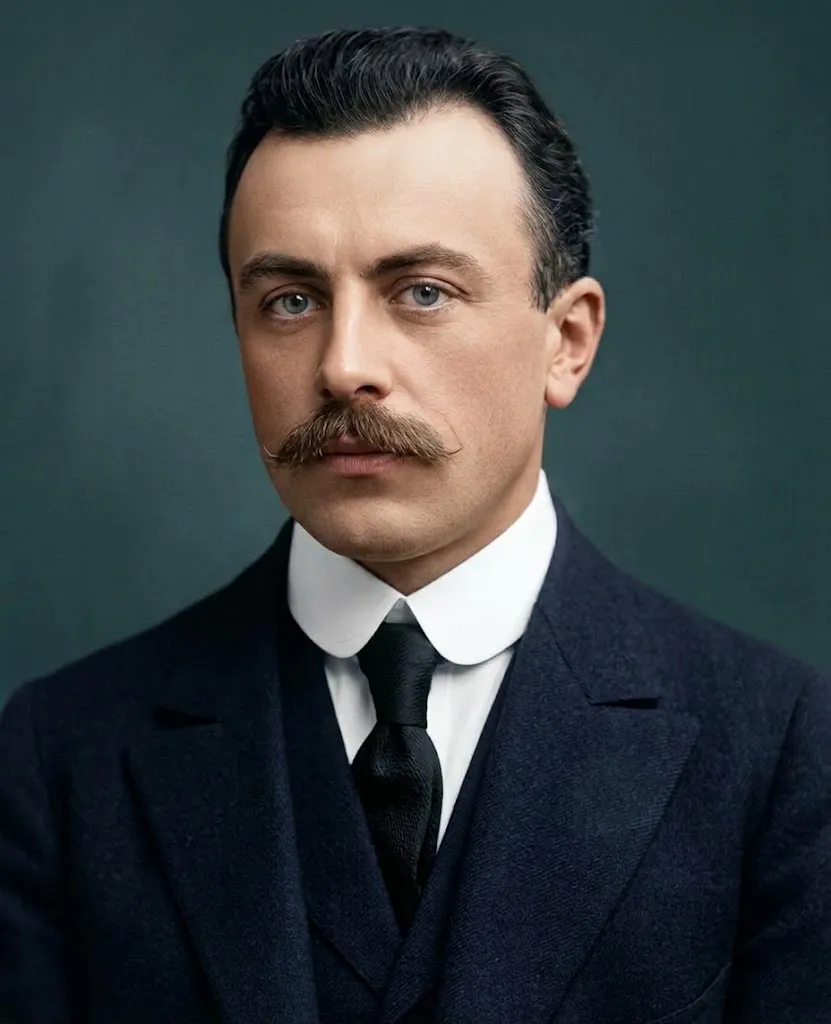
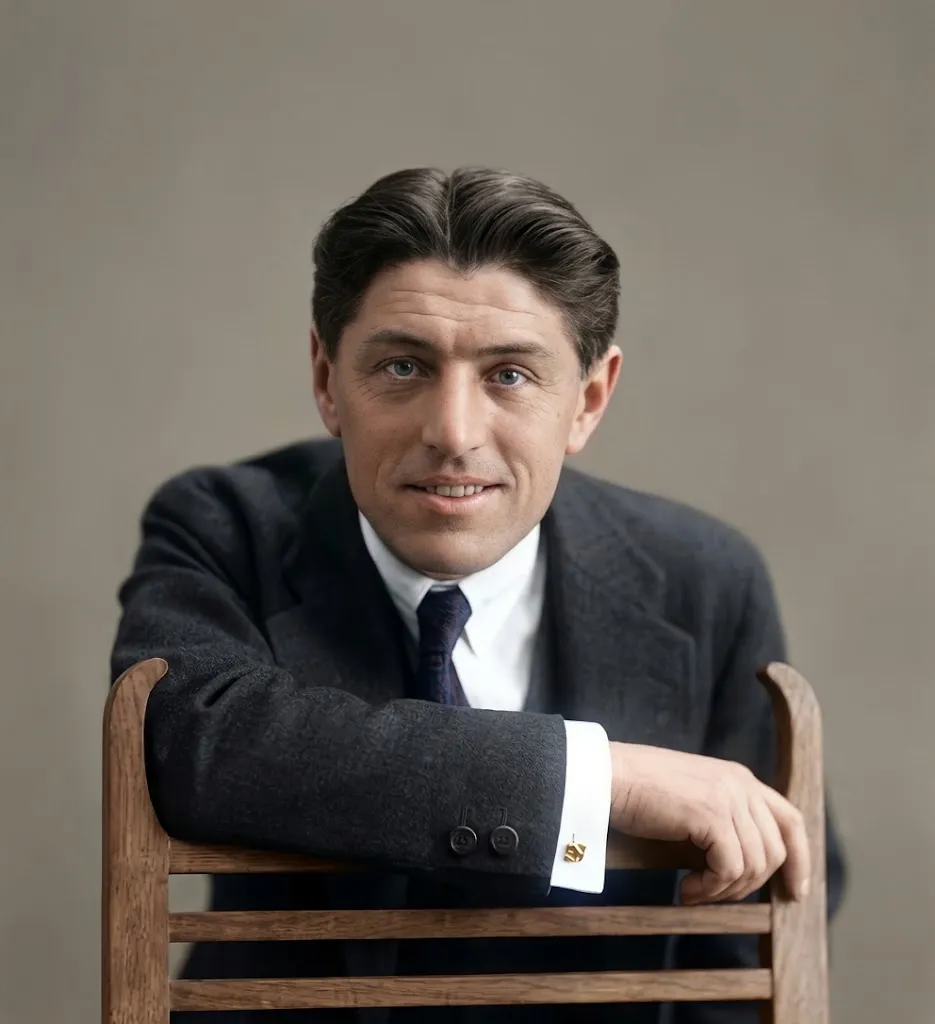
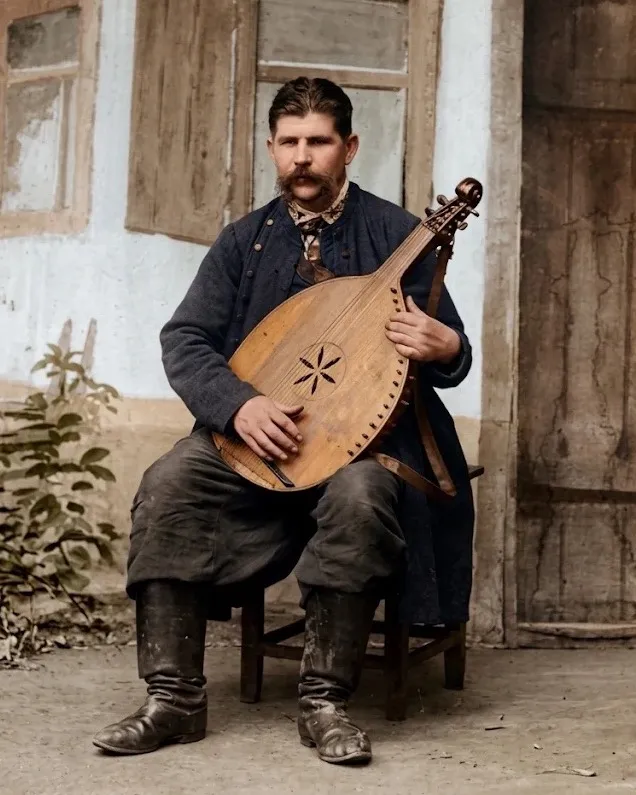
Amvrosii Buchma
Star of Berezil and silent film
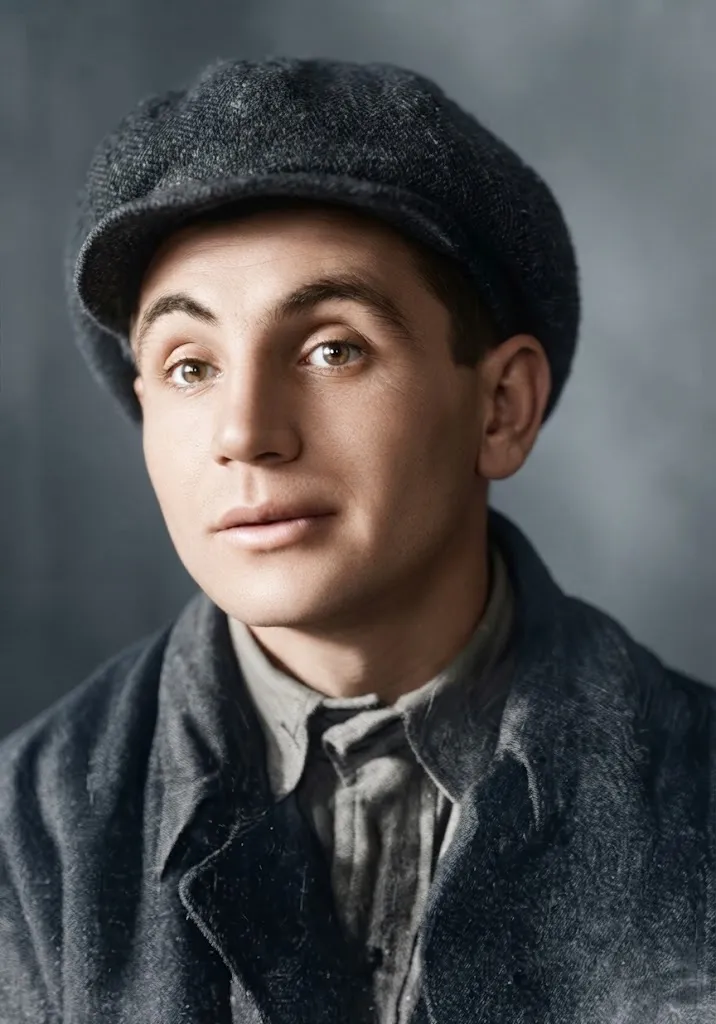
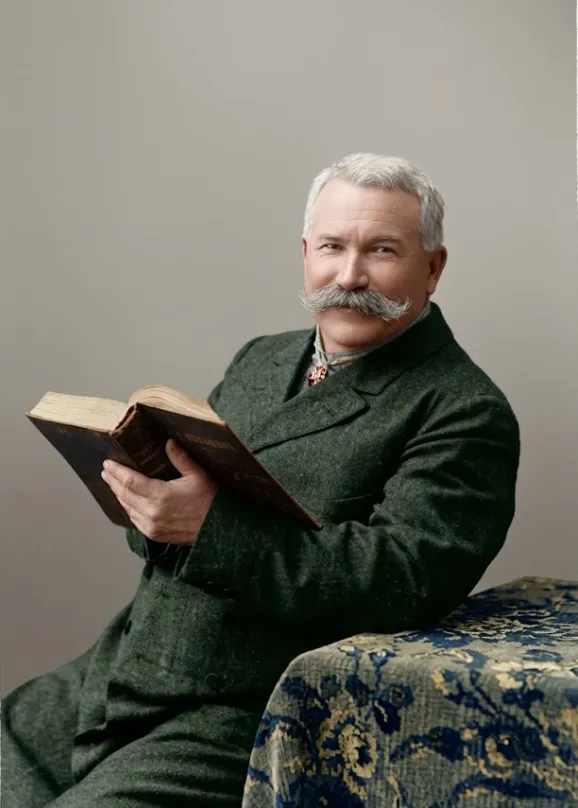
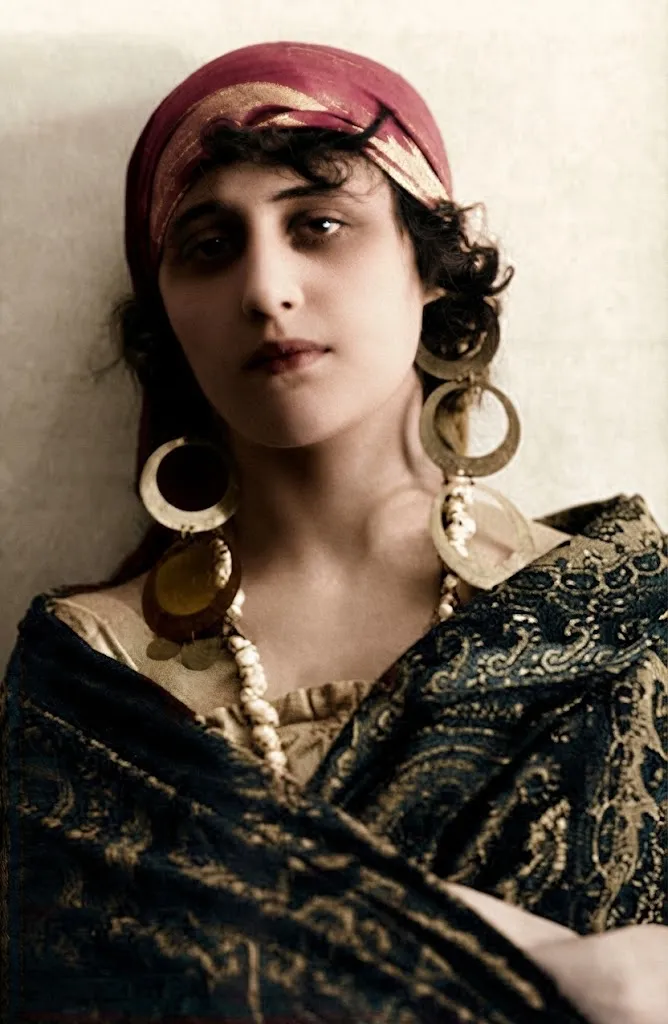
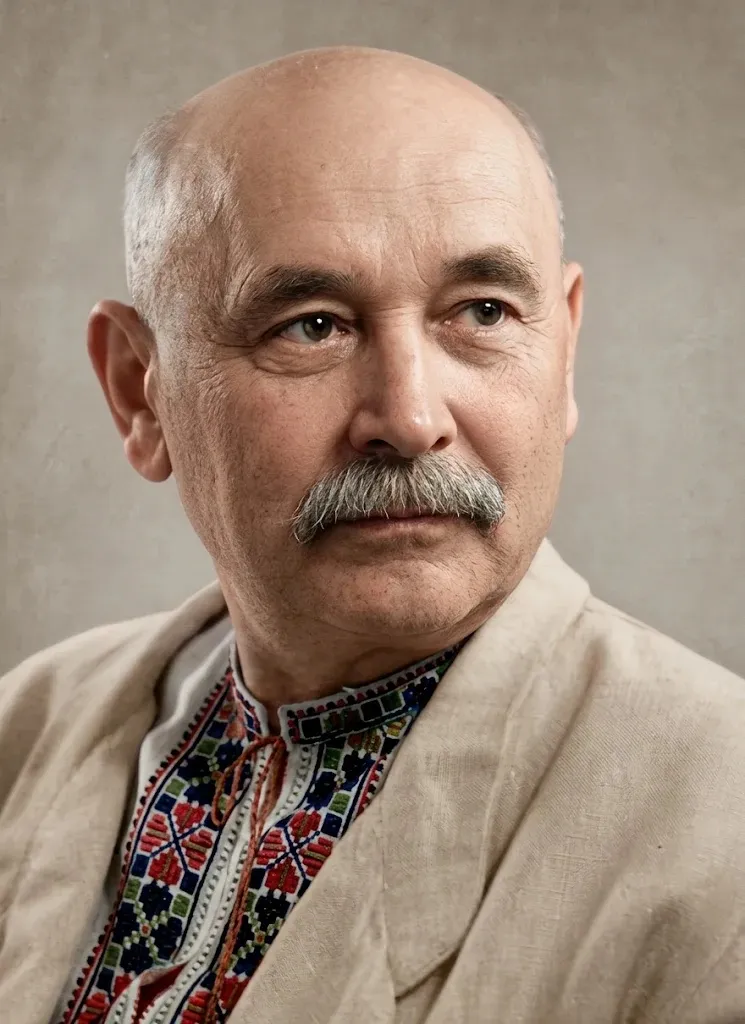
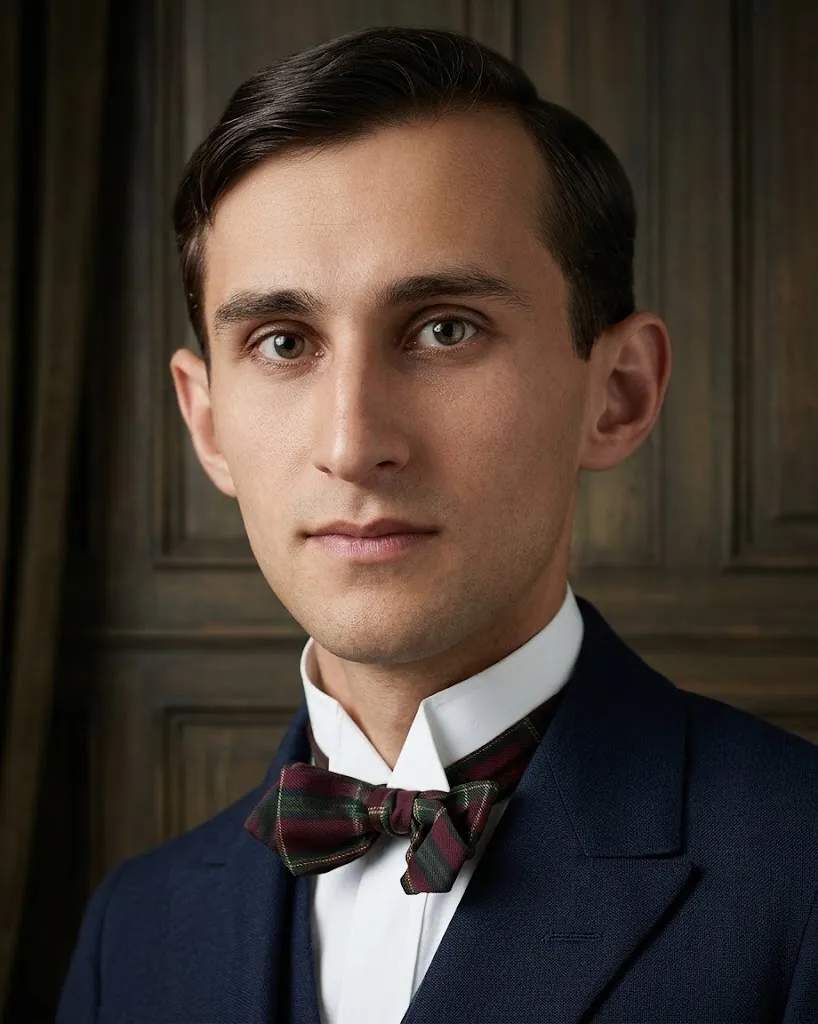
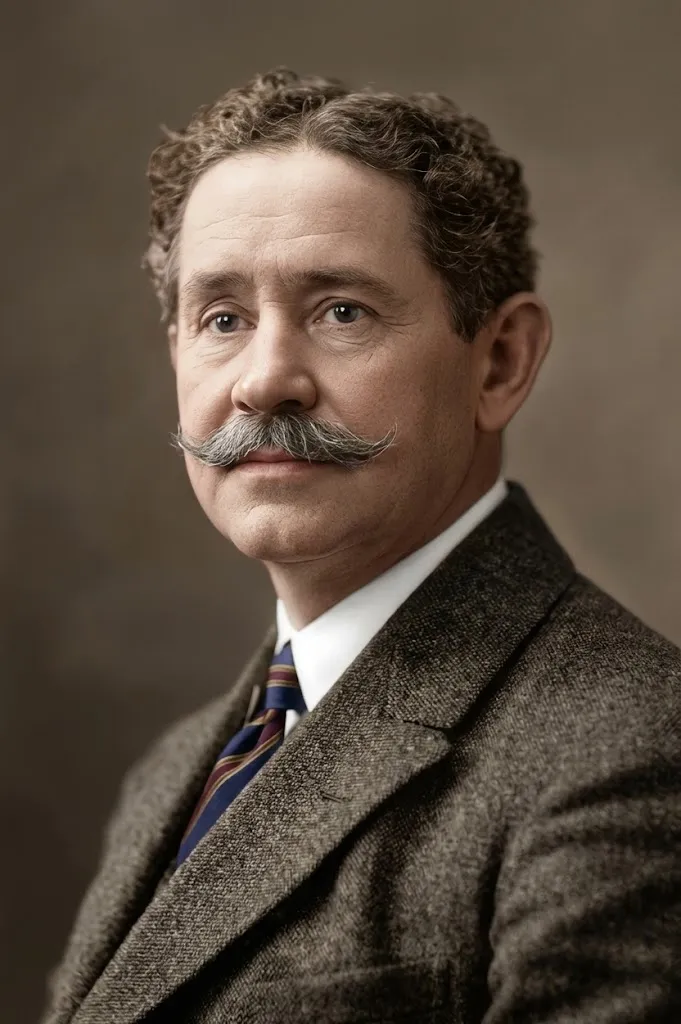
A gassed German soldier laughing straight into the camera is one of the best-known shots in Dovzhenko's Arsenal. He was played by Amvrosii Buchma, a Lviv-born actor who escaped captivity in a locomotive tender, became a star of Kurbas's Berezil and of silent film, and did his own stunts.
Key accomplishments
- One of the founders of the Ivan Franko Theater (1920); its leading actor and director in Kyiv from 1936 to 1957
- Leading actor of Les Kurbas's Berezil: Jimmie Higgins, Brother Jean in La Jacquerie, Leiba in Haidamaky, Puzyr in Khaziain (The Master)
- Lead roles in the VUFKU silent films Taras Shevchenko (1926) and The Night Coachman (1928); the German soldier in Oleksandr Dovzhenko's Arsenal (1929)
- Director of the film Behind the Wall (1928) and the play Nazar Stodolia (1942, 1951)
- People's Artist of the USSR (1944), twice winner of the Stalin Prize; professor at the Kyiv Theater Institute (1940)
A silent footman at Ruska Besida
Can you make a name with a part that has no lines? Amvrosii Buchma was born in 1891 in Lviv, the son of a railway worker; of the many children in the family only he and his elder sister Olha survived. He was thrown out of grammar school for drawing caricatures of his teachers. His sister brought him to the Ruska Besida theater, where he sang in the chorus and danced, and where he met Les Kurbas. His first role was an old footman who silently carries in a samovar, and the audience called him back for an encore.
Captivity, and an escape in a locomotive tender
Hiding in a locomotive’s tender was how Buchma got himself out of captivity in Central Asia. In the First World War he fought in the Austrian army, lived through the siege of Przemyśl and was later taken prisoner by the russians and worked in the Donbas mines. Back in Ukraine he acted in Mykola Sadovskyi’s theater. In 1919 he founded the New Lviv Theater, and in 1920 in Vinnytsia his troupe joined Hnat Yura’s young actors to form the theater named after Ivan Franko.
A star of Berezil and VUFKU
With Yosyp Hirniak, Buchma became one of the leading actors of Kurbas’s Berezil, which he joined at the end of 1922. He played Jimmie Higgins, Leiba in Haidamaky after Shevchenko, and later Puzyr in Ivan Karpenko-Karyi’s The Master.
Then film took him over almost completely: from 1926 to 1930 he worked mostly at the Odesa film studio. He played the poet in Taras Shevchenko (1926) and an old cab driver in The Night Coachman (1928), jumping from a moving carriage himself, with no stunt double. In Oleksandr Dovzhenko’s Arsenal (1929), his gassed German soldier laughs straight into the camera.
King Lear without a kingdom
Instead of a long monologue by a father who has lost his son, a long, silent pause: that was how Buchma played the miner Makar Dibrova. After Berezil was crushed and Kurbas arrested, he acted and directed at the Ivan Franko Theater in Kyiv from 1936 until his death. He also played Lenin, became a People’s Artist of the USSR and won the Stalin Prize twice. But he was never allowed to play Lear, Richard III or Shylock, the parts he dreamed of. When the director Borys Balaban was hounded after the war as a follower of Kurbas, Buchma stood up for him. He died in Kyiv on 6 January 1957.
Why it matters today
Buchma showed how expressive a Ukrainian actor can be, on stage and on screen: his silent-film work of the 1920s still speaks without words. He grew up at Ruska Besida in Lviv and went on to become a face of both Berezil and the Franko Theater, linking the Ukrainian stage of Galicia with that of Dnipro Ukraine. When Kurbas’s name was banned, he stood up for those hounded as his followers and kept that line of Ukrainian theater from being cut. Anyone looking for bold truth in Ukrainian theater and film today can find an example in him.