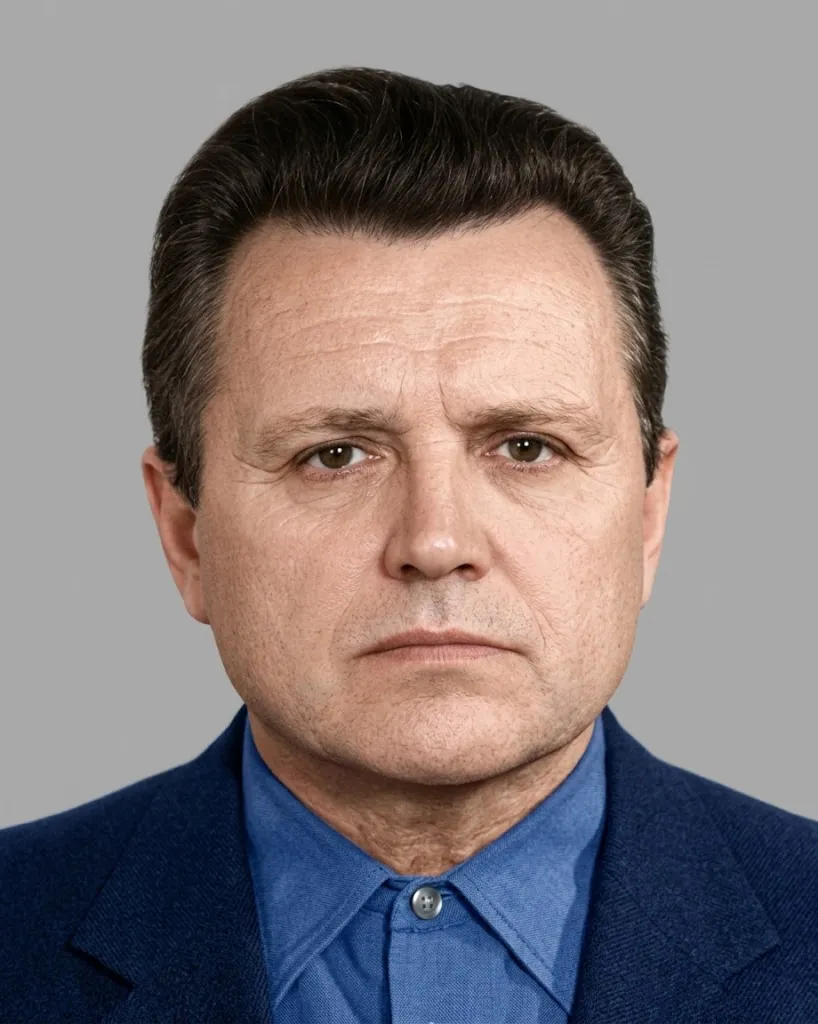
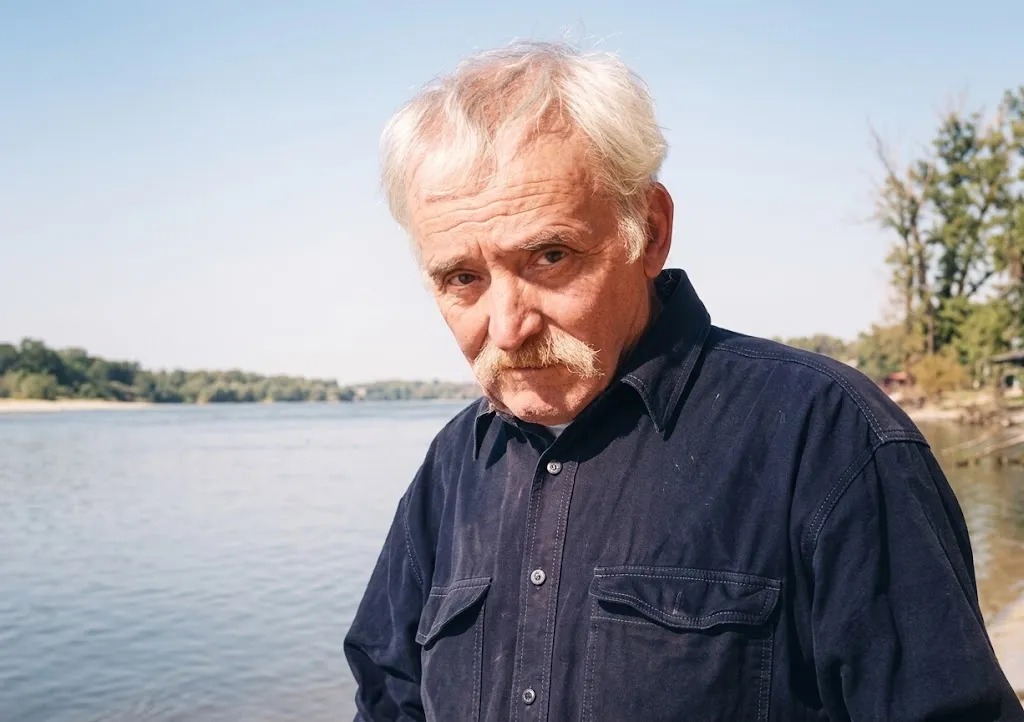
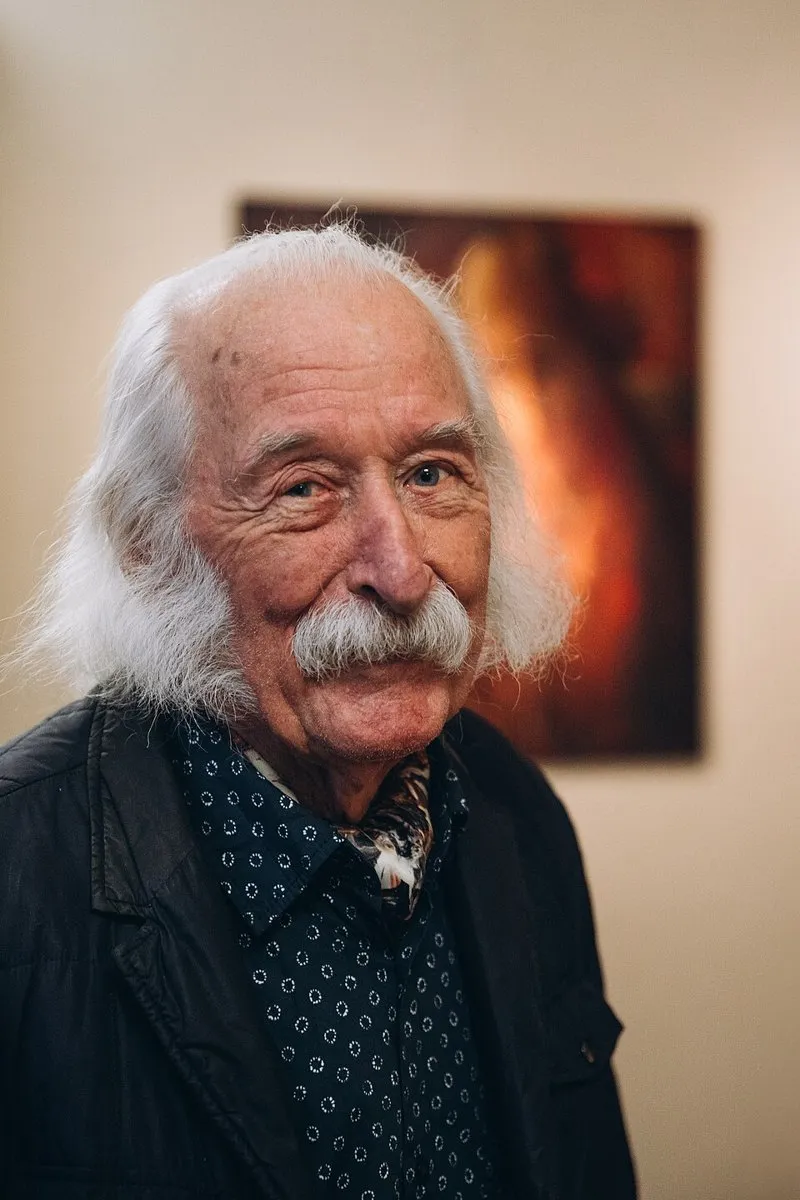
Borys Voznytskyi
Guardian of artistic heritage
In abandoned churches, he found what others were throwing away. Borys Voznytskyi and his team rescued Pinsel’s sculptures, icons and paintings, brought castles back to life and led the Lviv Art Gallery for half a century.
Key accomplishments
- Worked with gallery staff to rescue thousands of artworks from neglected churches
- Preserved and researched Pinsel’s sculptures and founded his museum in Lviv
- Turned castles in Galicia into museums, opening the Olesko Castle museum in 1975
Sculptures saved from the firewood
How do you tell unwanted timber from an artistic treasure? For Borys Voznytskyi, this was a practical question. During the Soviet period, icons, altars and sculptures were thrown out of closed churches. He and his colleagues travelled to places where those objects could still be saved.
The future museum director was born in Ulbariv, in the Rivne region, in 1926. After the war he attended the Lviv School of Applied Arts and later chose art history. While working as a teacher in Vynnyky, he organised a local history club and a small museum. Collecting and explaining what he found began long before he had a director’s office.
The gallery takes to the road
A lorry could do as much for art as an exhibition room. After taking charge of the Lviv Art Gallery in 1962, Voznytskyi organised expeditions through the villages of Galicia. He led the institution until 2012: fifty years.
The team searched abandoned churches and monasteries in the Lviv, Ternopil and Ivano-Frankivsk regions. They moved heavy sculptures without specialist equipment. Sometimes they slept in haystacks; the former Bernardine church in Lviv became a temporary store for their finds.
Thousands of icons, paintings, sculptures and other objects entered museum collections this way. They preserved the histories of the region’s different communities: Ukrainian and Polish, Orthodox, Greek Catholic and Roman Catholic. Voznytskyi recognised value where official antireligious policy had left buildings to decay.
Pinsel in the director’s office
Two wooden compositions from Hodovytsia began a much larger undertaking. Voznytskyi brought Johann Georg Pinsel’s Sacrifice of Abraham and Samson Tearing Open the Lion’s Jaws to Lviv. When party supervisors objected to religious sculpture entering museum holdings, he put the figures in his own office.
Rescue was only the beginning. Voznytskyi studied the works, explored possible attributions and prepared exhibitions. In 1996, the Pinsel museum he founded opened in Lviv. Sculptures that might have disappeared now had a place where they could be protected and studied.
A castle opens again
The growing collections needed a home. Voznytskyi pressed for castles to be restored and turned into museums. In 1975, the exhibition at Olesko Castle opened. He went on to develop the museum in Zolochiv and care for other monuments, including Pidhirtsi Castle, whose complete restoration he did not live to see.
His work joined scholarship with practical tasks: finding space, persuading officials and organising restoration. The director also worked alongside colleagues on castle grounds. He received the Shevchenko Prize in 1990 and the title Hero of Ukraine in 2005 for preserving cultural heritage. On 23 May 2012, Borys Voznytskyi died in a car crash near Kurovychi in the Lviv region.
Why it matters today
Voznytskyi defended Ukraine’s ability to see and study its rich artistic heritage. With his team, he turned objects facing destruction into museum collections that people could explore. His work shows that protecting culture starts with someone who recognises value and acts on it. A castle, icon or sculpture near us needs that same attention.