1925–2007
Opanas Zalyvakha
Painter of the Sixtiers
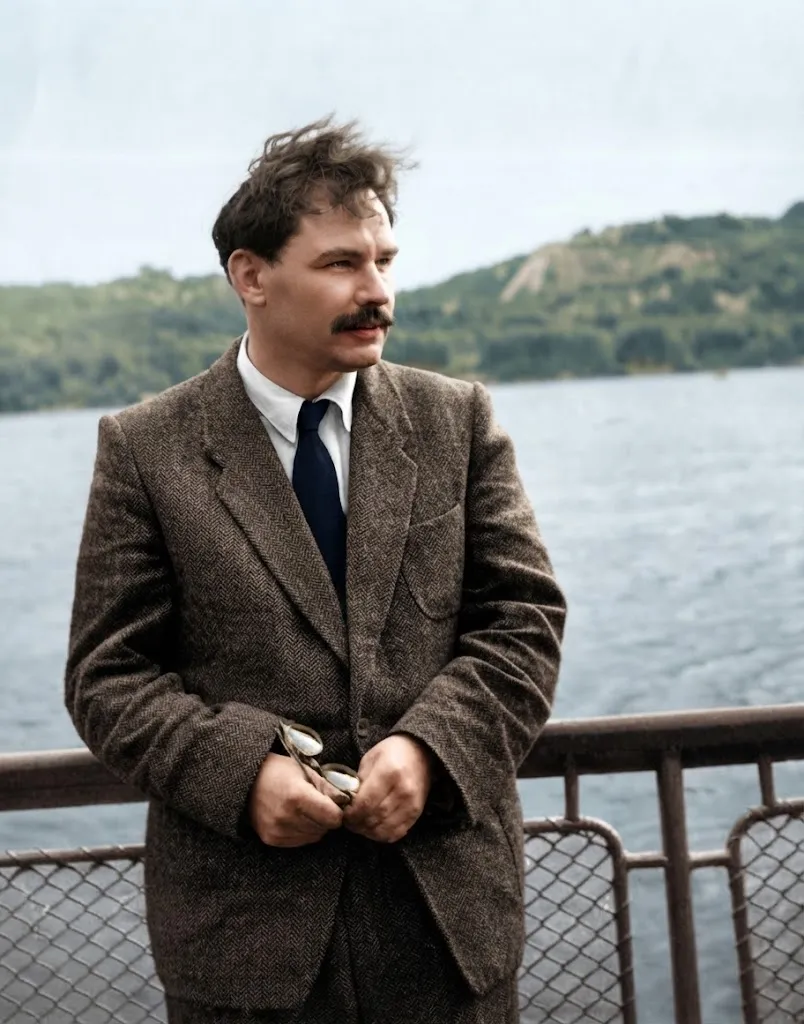
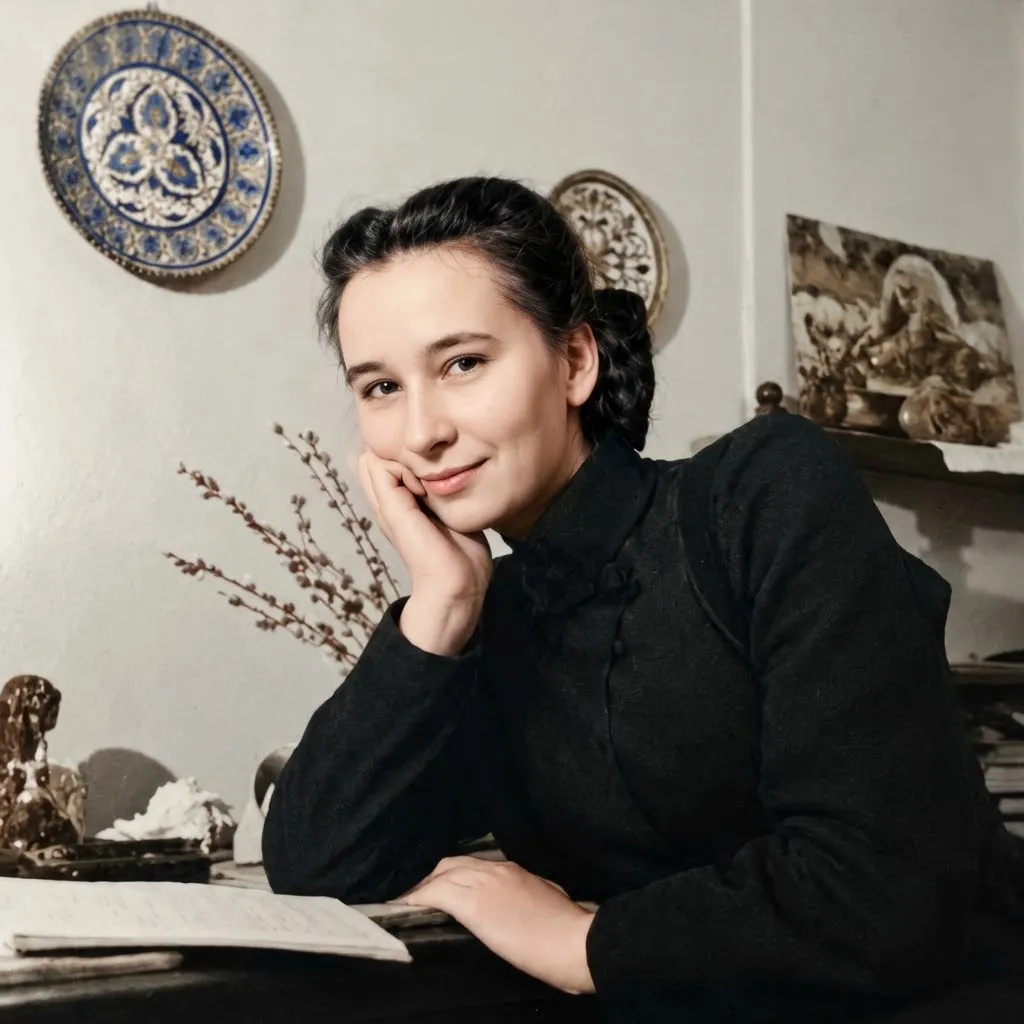
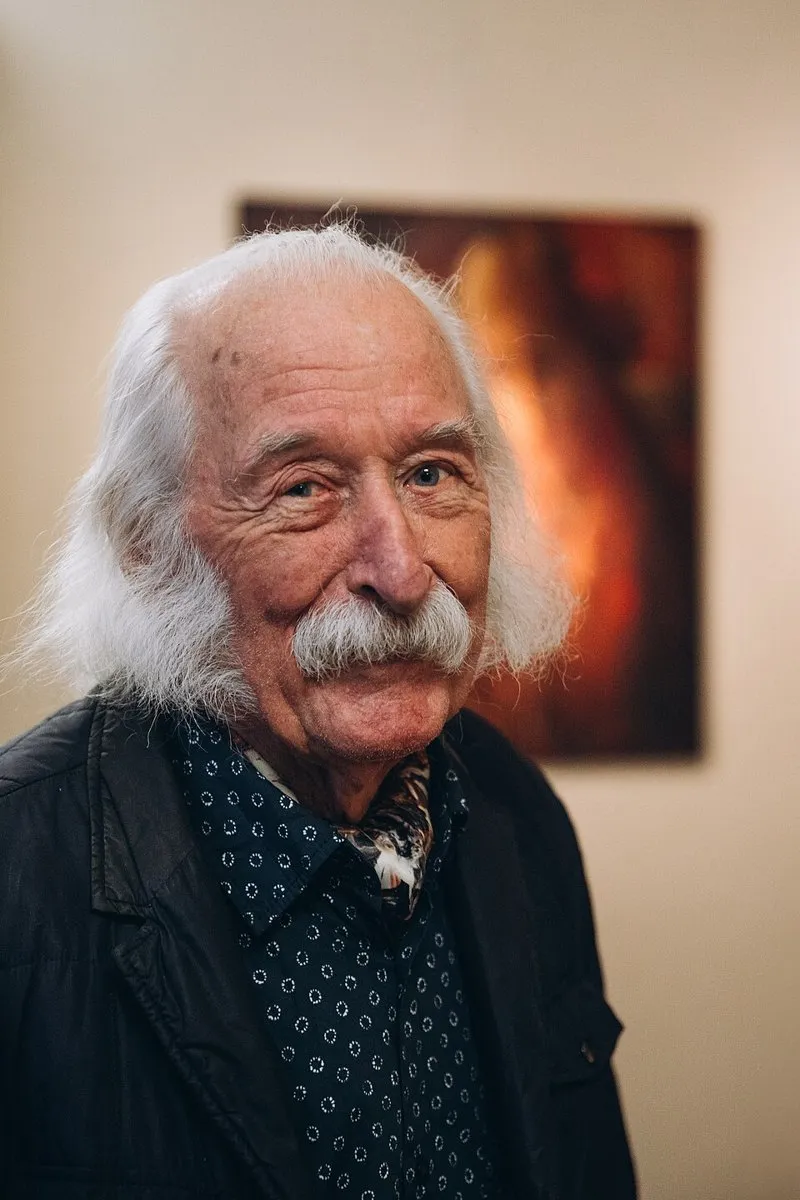
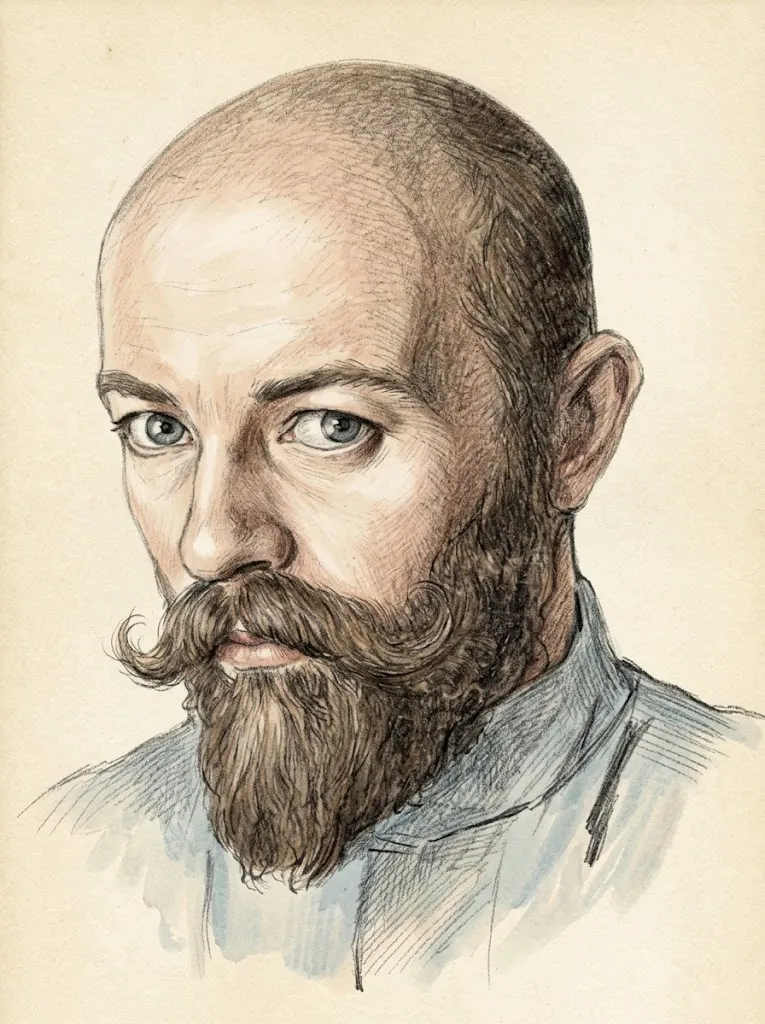
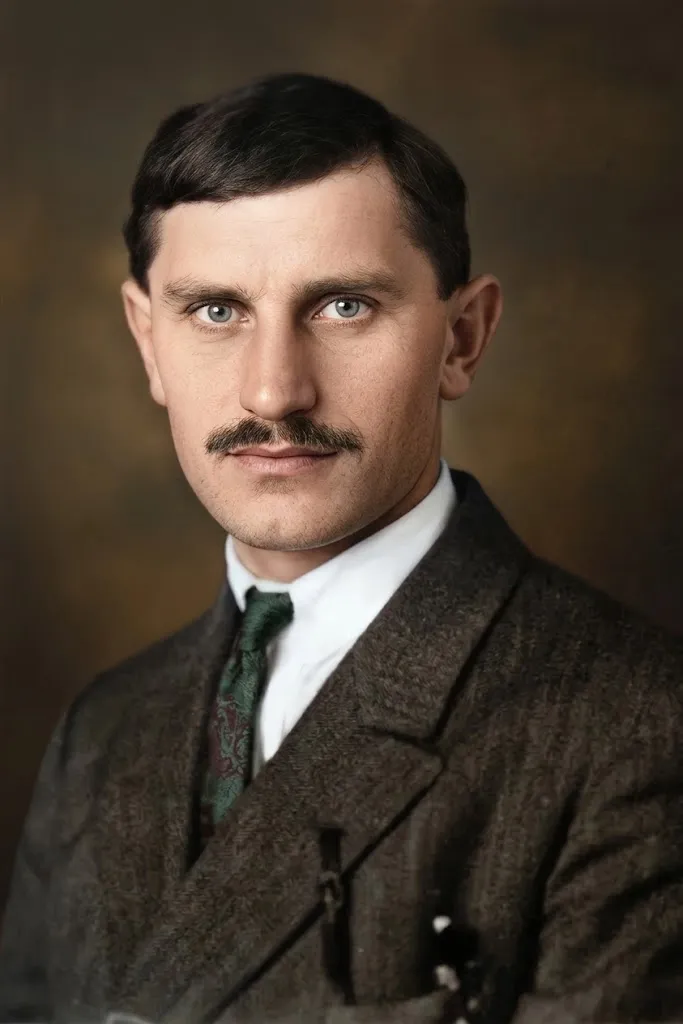
At 35 he sat on the floor of Alla Horska’s studio, writing a Ukrainian dictation. Opanas Zalyvakha, a painter of the Sixtiers, grew up far from Ukraine and spent five years in a labour camp for his love of it. In 1995 he received the Shevchenko Prize.
Key accomplishments
- Co-author of the stained-glass window Shevchenko. Mother at Kyiv University (1964), destroyed by the authorities
- Paintings, graphics, mosaics, sculpture and ceramics on Ukrainian history and faith: They Carry the Cossack, Cossack Mamai, The Chumaks’ Supper
- Book designs for Vasyl Stus’s Palimpsests and Yevhen Sverstiuk’s The Prodigal Sons of Ukraine
- Vasyl Stus Prize (1989), Shevchenko National Prize (1995), Honoured Artist of Ukraine (1999)
“And who are you?”
An art institute in Leningrad. A Czech classmate asks Panas what nationality he is, what his art is, and whether he is russian. “No, I’m Ukrainian,” he says. And what can he tell her about Ukrainian art? Nothing. Opanas Zalyvakha was born in 1925 in the village of Husynka in the Kharkiv region, but in 1933, the years of the Holodomor, the man-made famine, his family moved to the Soviet Far East. Leaving the village was not easy: his father built two beehives for the village bosses, and only then was the family let go. There even his birthday, 26 November, was written down by an army draft office: they examined the young conscript and “set” the date. He spent nearly 30 years in russia and had forgotten many Ukrainian words, or never known them.
A dictation on the floor
The institute expelled him in 1947 for “behaviour unworthy of a Soviet student”: with a few other students, he had skipped a meeting with a candidate for the Supreme Soviet. He only graduated in 1960, and his diploma said just that: entered 1946, graduated 1960. “Fourteen years of study!” the painter joked. On a work placement in Kosiv, in the Hutsul highlands, Zalyvakha saw living Ukrainian village life for the first time, and in 1961 he moved to Ivano-Frankivsk. In 1962 his solo exhibition at the local history museum was closed after a week for “lacking ideological content”.
In Kyiv he painted in Alla Horska’s studio, while Ivan Svitlychnyi handed him one book after another. He met Ivan Dziuba in a hospital garden, where Dziuba sat over a pile of books by Lesia Ukrainka. Zalyvakha learned Ukrainian with a notebook for new words, and in Horska’s studio Nadiia Svitlychna read dictations to the friends. He was 35, the oldest in that “class”.
A window that lasted one night
For Shevchenko’s 150th anniversary in 1964, Zalyvakha, Horska, Liudmyla Semykina, Halyna Sevruk and Halyna Zubchenko made a stained-glass window for Kyiv University: Shevchenko raises a book in one hand and holds up a woman with the other. On the evening of 8 March it was lit up. The next morning the artists found it covered with a sheet and broken glass on the floor: it had been destroyed on the authorities’ orders.
“Hold on, Panas”
Officers came to search Zalyvakha’s home on 28 August 1965. Halfway through, Svitlychnyi rang the doorbell, and both were taken away. As they parted, Svitlychnyi told him: “Hold on, Panas.” Among the things taken was a notebook in which Zalyvakha had copied a poem by Shevchenko. The experts in Lviv did not recognise it, and the verdict called it “a poem by an unknown author of anti-Soviet content”. In March 1966 a closed court sentenced Zalyvakha to five years in a strict-regime camp for “anti-Soviet agitation and propaganda”. In the camp in Mordovia he secretly made bookplates, greeting cards and posters of Shevchenko, and painted a portrait of the Latvian poet and fellow prisoner Knuts Skujenieks.
In 1970 friends, Horska among them, welcomed him back in Kyiv. For another year he had to report to the police every week. In Ivano-Frankivsk he was made to work as a labourer, but kept painting.
Why it matters today
Opanas Zalyvakha showed that it is never too late to find your way back to your roots: he spent nearly 30 years in russia, and at 35 he sat down with friends for a dictation and learned the language again. He gave his art to Ukrainian history and faith, and neither the sentence nor the camp made him put down his brush. In 2017 a bronze monument was unveiled on Nezalezhnosti Street in Ivano-Frankivsk, where he used to walk: the painter sits on a bench at his easel. Anyone just starting to look for what is theirs can take heart: you can begin at any age.