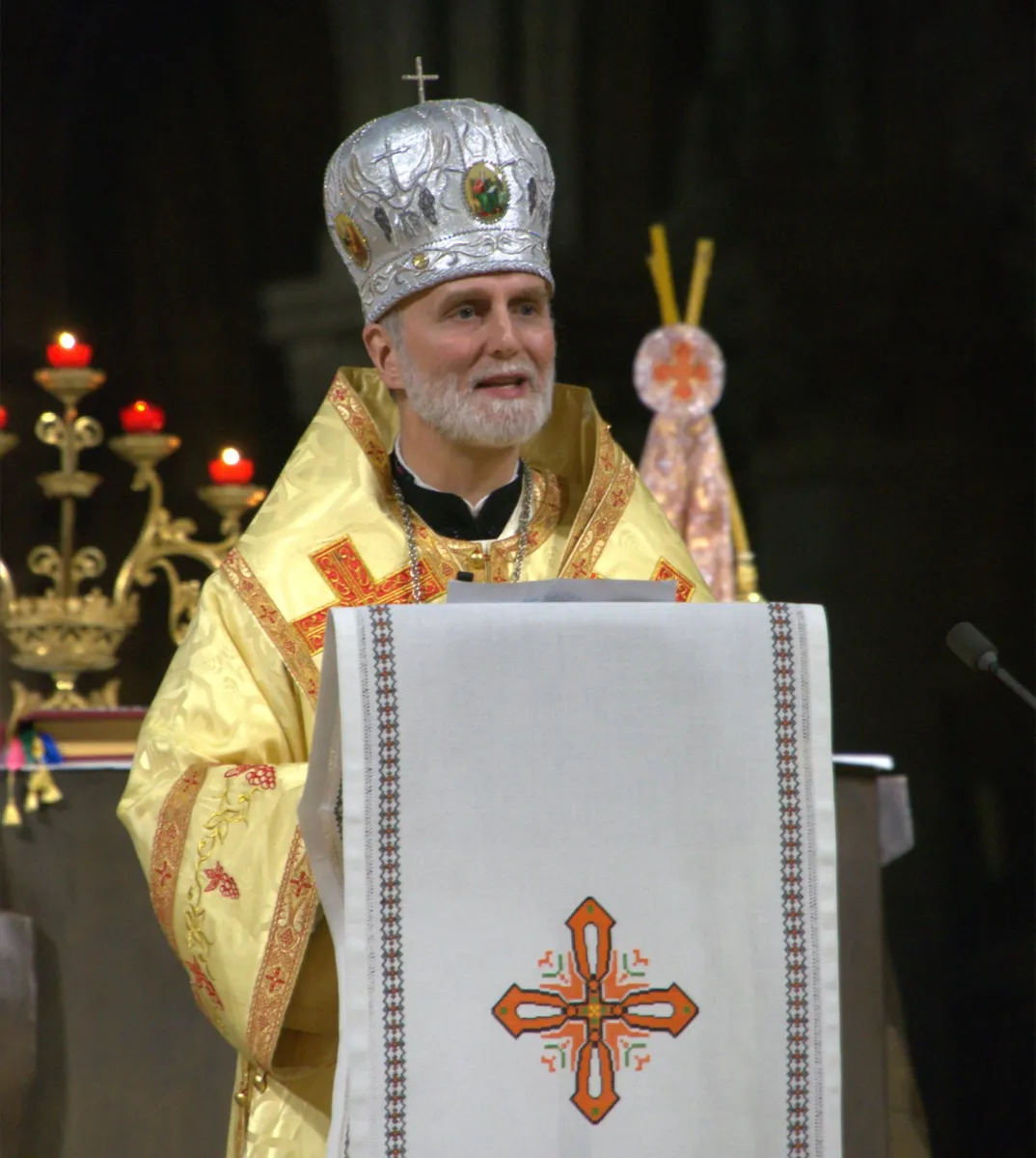
1681–1736
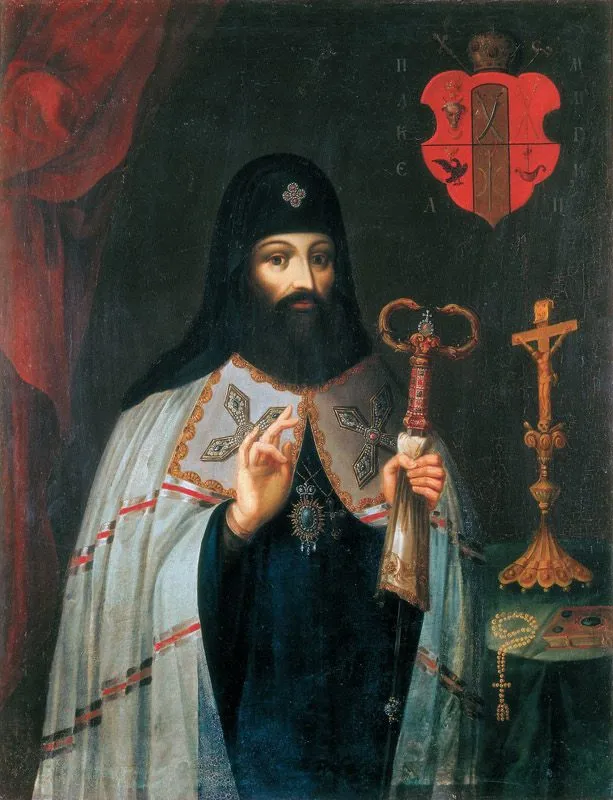
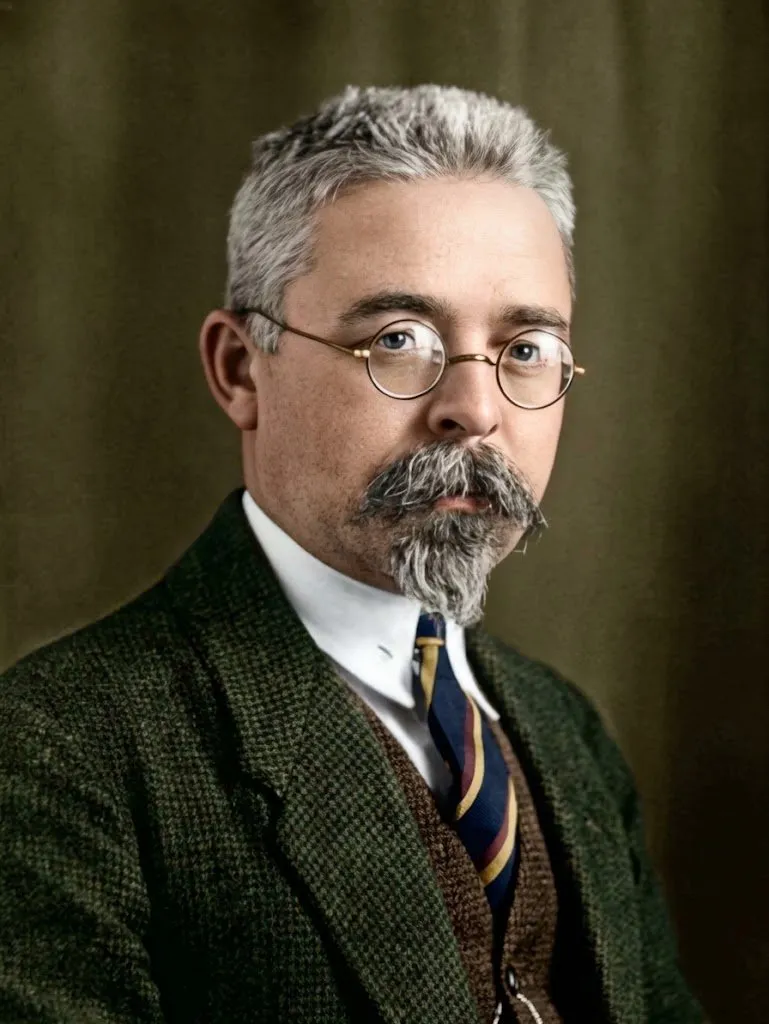
Feofan Prokopovych
Archbishop, Peter I’s church reformer
In 1705 he cast Hetman Mazepa as Prince Volodymyr in a play; after Poltava he called him “the new Judas”. Feofan Prokopovych was rector of the Kyiv-Mohyla Academy, then adviser to Peter I and author of the Spiritual Regulation, which put the church under the imperial state.
Key accomplishments
- The tragicomedy Vladimir (1705), dedicated to Hetman Mazepa
- Rector of the Kyiv-Mohyla Academy (1711–1716)
- Textbooks on poetics and rhetoric; courses in philosophy, mathematics and natural science
- The Spiritual Regulation (1721), the statute of the Synod that replaced the patriarchate
- Vice-president of the Synod (from 1721), Archbishop of Novgorod (from 1725)
Prince Volodymyr with a hetman’s face
Did you know that Hetman Mazepa once “played” Prince Volodymyr? In 1705 a young teacher at the Kyiv-Mohyla Academy, Feofan Prokopovych, wrote the tragicomedy Vladimir, dedicated it to Hetman Ivan Mazepa and portrayed him as Grand Prince Volodymyr. After Poltava the same author would call Mazepa “the new Judas”.
A Kyiv scholar
He was born in Kyiv in 1681 (his secular name was Eleazar). He graduated from the Kyiv-Mohyla Academy in 1696 and went on to study in Lithuania, Poland and at the Greek College of St Athanasius in Rome. In 1704 he came back to Kyiv to teach poetics, rhetoric, philosophy and theology, and from 1711 to 1716 he was rector of the academy. His poetics textbook drew on classical models, and his rhetoric course argued that content matters more than ornament. In philosophy he introduced students to the ideas of Descartes, Bacon and Locke.
After Poltava
Prokopovych praised Mazepa in his sermons and called Kyiv a second Jerusalem. But after the hetman’s defeat in 1709 he denounced him and swore complete loyalty to Peter I. From then on his career soared: the tsar called him to Saint Petersburg as preacher and adviser, he was consecrated Bishop of Pskov in 1718, and in 1725 he became Archbishop of Novgorod.
A church under the tsar
In 1721, on Peter I’s orders, Prokopovych wrote the Spiritual Regulation. The statute abolished the patriarchate and handed the running of the church to a Synod under the tsar; Prokopovych became its vice-president. The main provisions stayed in force until 1917. After Peter’s death, opponents among the clergy and the boyars pushed him out of influence. Prokopovych died in Saint Petersburg in 1736.
Debates and assessments
Prokopovych is called one of the leading theorists of russian autocracy: under his Spiritual Regulation the church became part of the state bureaucracy. He is also criticized for changing sides: after 1709 he joined the campaign against Mazepa, whom he had once glorified, and called the hetman “the new Judas”. At the same time, scholars recognize his contribution to learning: he brought new ideas of European philosophy and natural science to the Kyiv-Mohyla Academy, and his legacy, as the historian Anna Makhinko writes, belongs to both Ukrainian and russian culture.
Why it matters today
Feofan Prokopovych shows how much a Kyiv education counted in the early 18th century. Teaching Copernicus, Descartes and Locke at the Kyiv-Mohyla Academy, he kept Kyiv in step with the European learning of his day. His Vladimir and his books on poetics and rhetoric belong to the history of Ukrainian literature. The Spiritual Regulation he wrote for Peter I shaped how the church was subordinated to the imperial state for almost 200 years. His path from a Kyiv lectern to running the church of an entire empire is still judged in different ways, but it shows how far people from the Kyiv school could reach.