Volodymyr the Great
Baptizer of Rus’
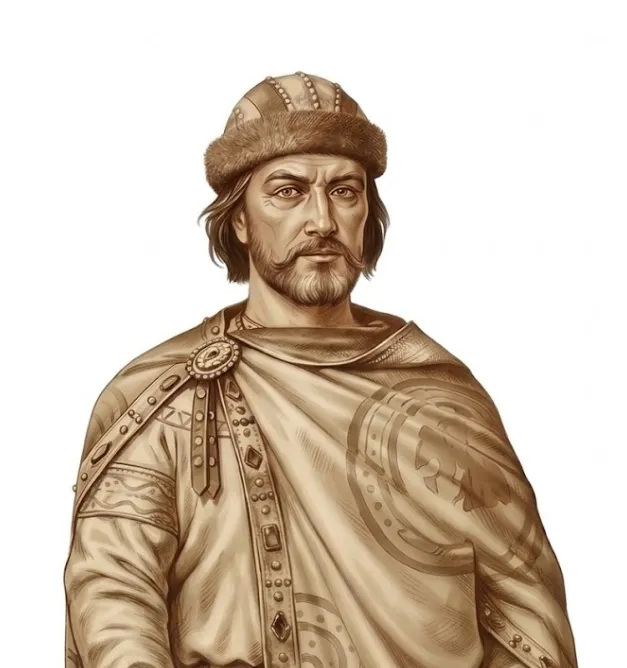
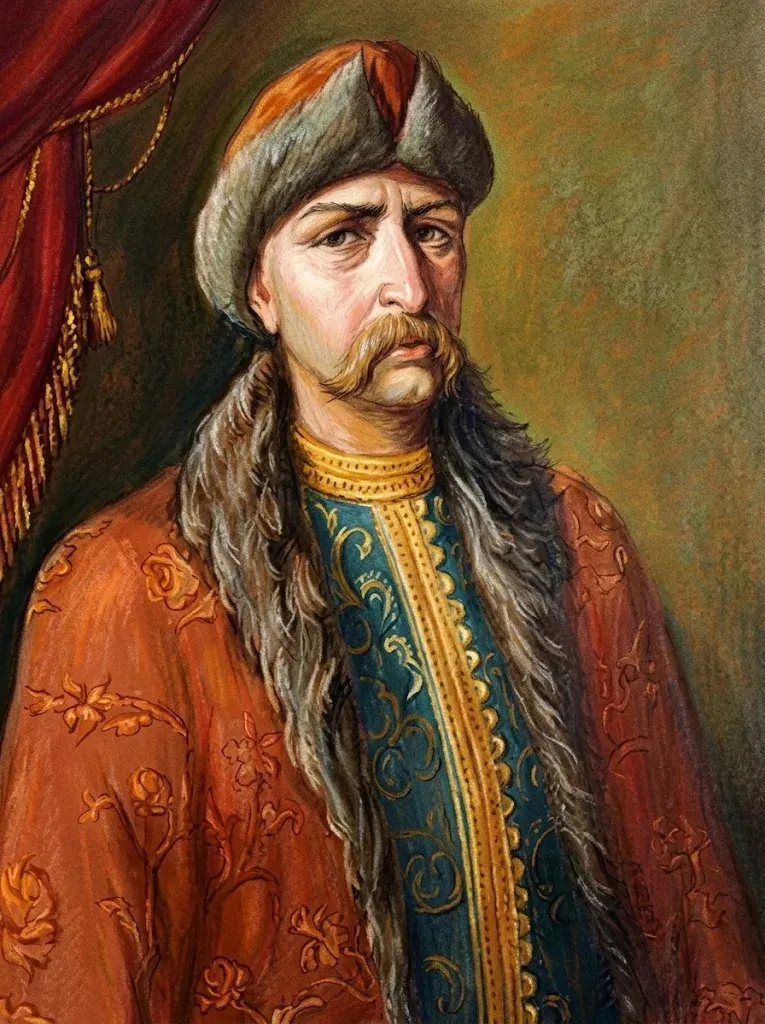
The trident on Ukraine’s coat of arms was the personal sign of a prince who stamped it on his coins over a thousand years ago. Volodymyr the Great united the lands of Rus’, brought Christianity to it (traditionally in 988) and opened Kyiv to writing and stone architecture.
Key accomplishments
- The Christianization of Rus’ (traditionally 988) and the adoption of Christianity as the state religion
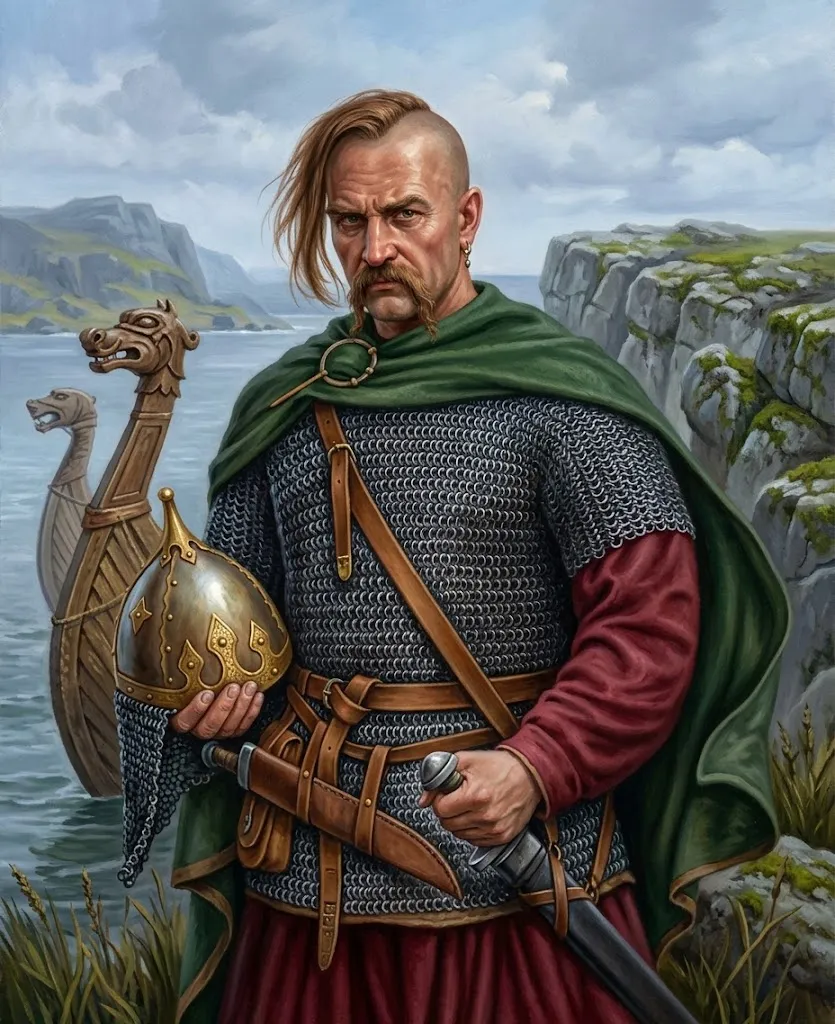
- United and expanded the lands of Rus’; built defensive lines and forts against the Pechenegs along the Stuhna, Trubizh and Sula rivers
- The first coins of Rus’, gold and silver, bearing the trident
- Built the Church of the Tithes in Kyiv (996), the first monumental masonry church of Rus’
Where does the trident come from?
The trident that is Ukraine’s state coat of arms today was the personal sign of Prince Volodymyr. He stamped it on the first coins of Rus’, its gold and silver pieces.
The housekeeper’s son who became Grand Prince
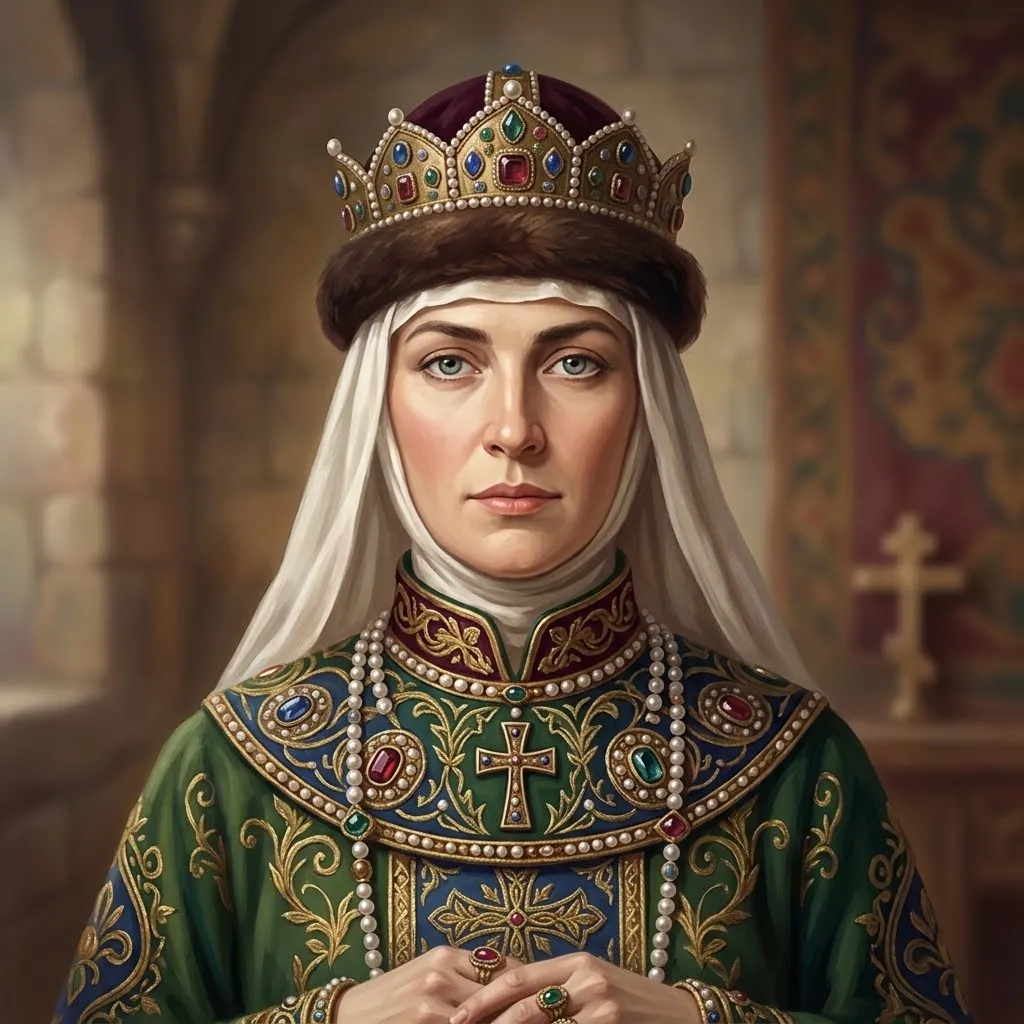
Volodymyr was the son of Prince Sviatoslav and Malusha, the housekeeper of Princess Olha. The exact date and place of his birth are unknown; around 958 is usually given. He first ruled in Novgorod, and around 980, after defeating his brother Yaropolk in a war between the princes, he became Grand Prince of Kyiv.
From Perun to baptism
Early in his reign Volodymyr tried to rally the state around the pagan gods, led by Perun. Later, though, he chose Byzantine-rite Christianity. The Christianization of Rus’ is traditionally dated to 988; historians place these events in 987–990. The prince himself was baptized with the name Vasylii (Basil), in Kyiv or, by other accounts, in Chersonesus (Korsun) in Crimea. The new faith opened Kyiv to writing, education, stone architecture and close ties with Byzantium and Europe. The Church of the Tithes and the first schools rose in Kyiv.
Volodymyr expanded the state and built lines of forts against the nomadic Pechenegs. The Church venerates him as a saint, Equal to the Apostles.
Debates and assessments
Ukraine and russia read Volodymyr’s legacy differently today: there are monuments to him in both Moscow and Kyiv, where since 1853 the prince, cross in hand, has stood above the Dnipro on Volodymyrska Hill. For Ukraine, he is a ruler of the Kyivan state, whose center was in Kyiv, and his sign, the trident, is Ukraine’s state coat of arms.
Why it matters today
Volodymyr’s choice set the cultural path of Rus’ for centuries to come: with Christianity came writing, education and stone architecture to Kyiv, and with them close ties with Byzantium and Europe. He showed that a state is built not only by campaigns, but by books and churches too. His sign, the trident, became Ukraine’s coat of arms more than a thousand years later, and on 15 July, the day he died, Ukraine marks Ukrainian Statehood Day.