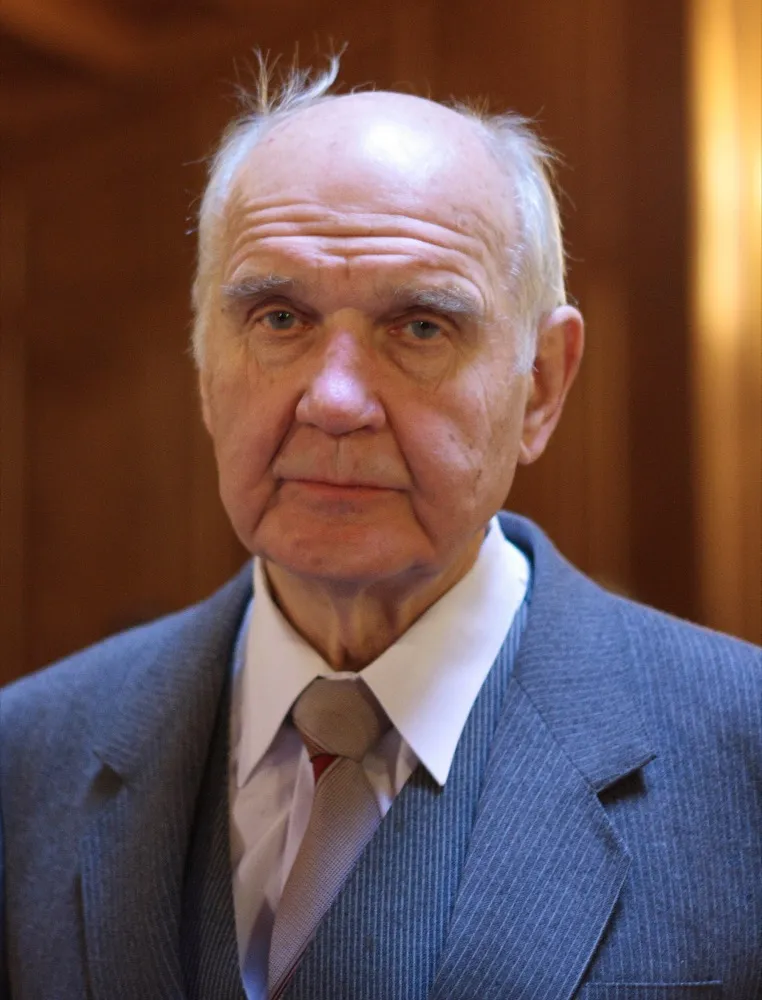
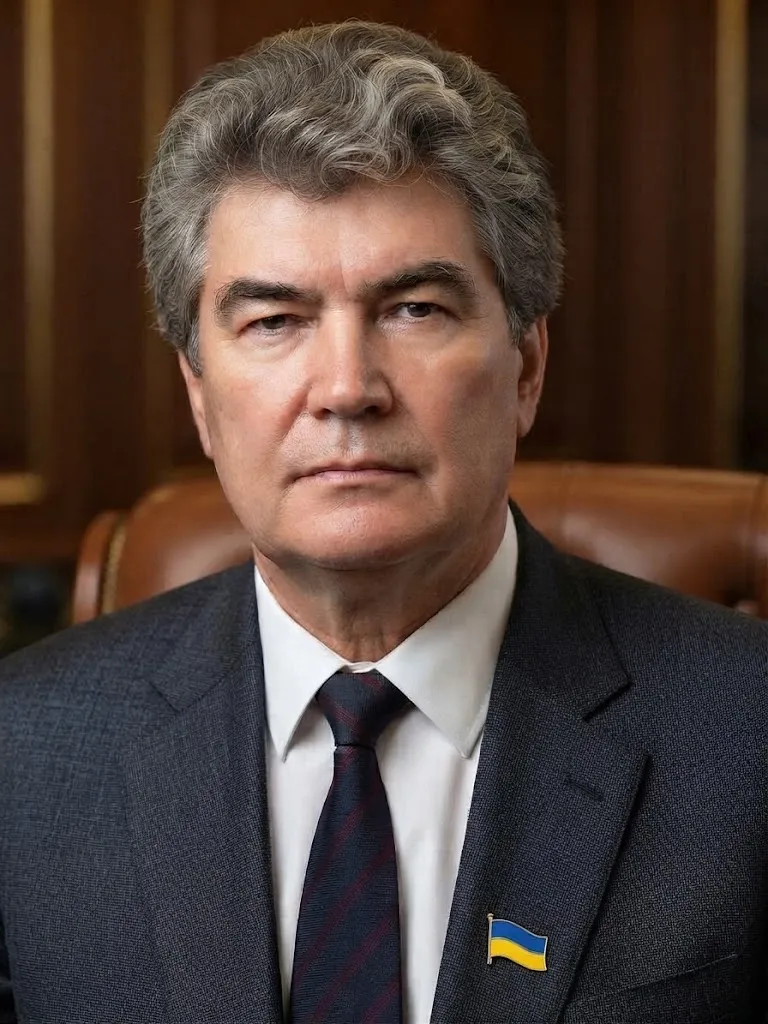
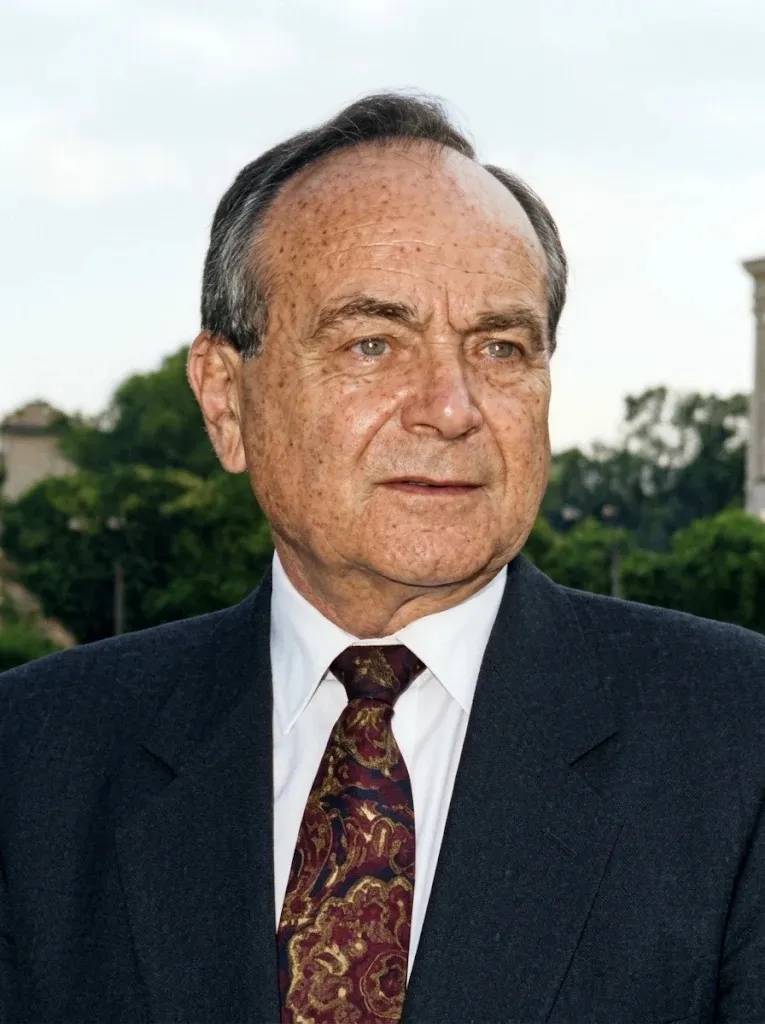
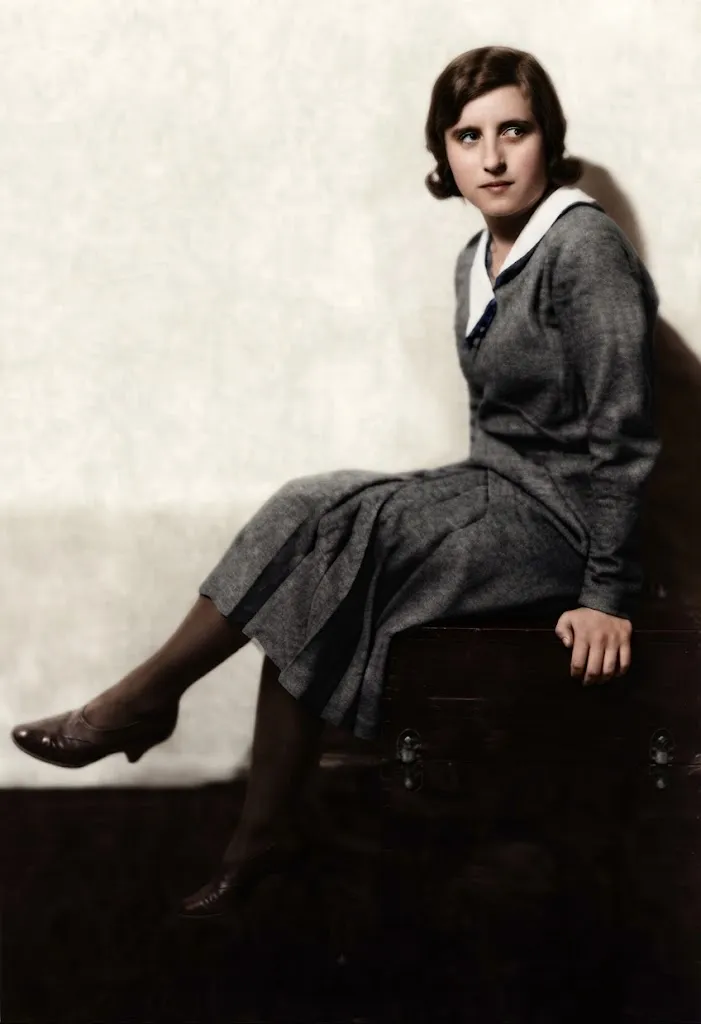
Kostiantyn Morozov
Ukraine's first defence minister
The first man to swear allegiance to the people of Ukraine was a russian-speaking Soviet air force general. Kostiantyn Morozov, the first defence minister (1991–1993), built the ministry and army almost from scratch, and resigned rather than agree to give up Ukraine's share of the Black Sea Fleet.
Key accomplishments
- First defence minister of independent Ukraine (September 1991 – October 1993)
- The first serviceman to take the oath of allegiance to the people of Ukraine (6 December 1991)
- Presented the concept of defence and of building the Armed Forces of Ukraine to parliament (October 1991)
- Built the Ministry of Defence, the General Staff and the branches of the armed forces; Ukraine stayed out of the joint defence structures of the CIS
- Ambassador of Ukraine to Iran (2000–2001); head of Ukraine's Mission to NATO (2005–2007)
- Order for Courage, 3rd class (1996)
The first oath
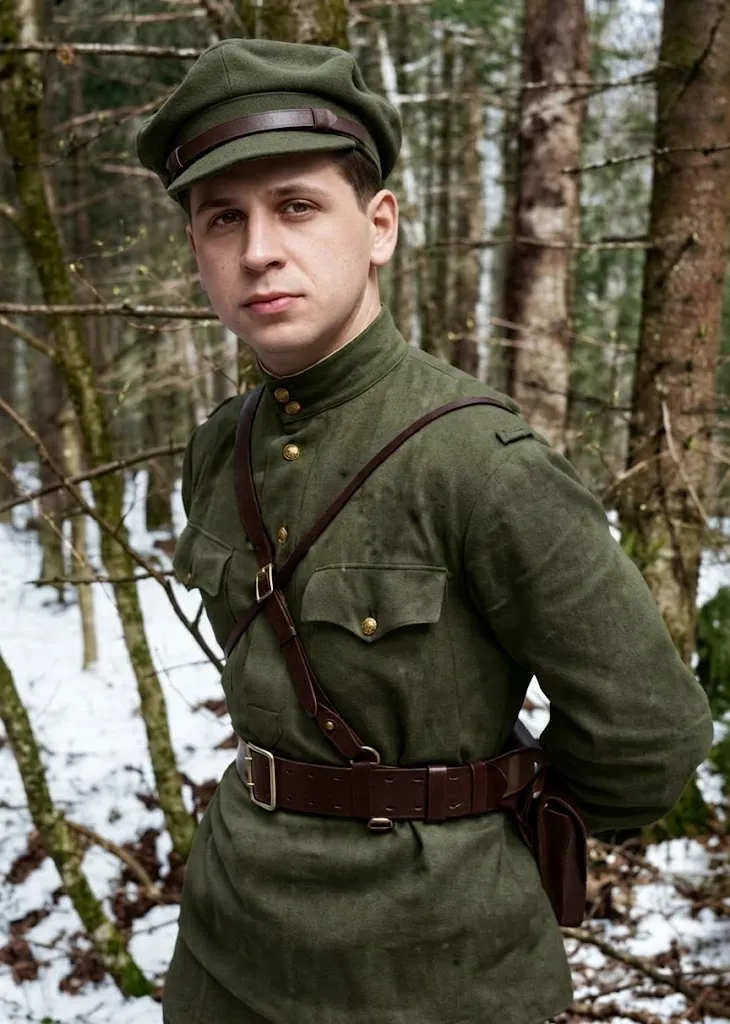
Who was the first to swear allegiance to the people of Ukraine? Not a former dissident, but a Soviet air force general who spoke russian. On 6 December 1991 the Verkhovna Rada approved the text of the military oath, and defence minister Kostiantyn Morozov, with the agreement of the parliament’s chairman Ivan Pliushch, took it right there in the session hall. By his own account, there were no ceremonies and no cameras. Officers began taking the oath to Ukraine en masse only in January 1992.
A pilot from Donbas
Morozov was born on 3 June 1944 in Brianka in the Luhansk region, to a russian father and a Ukrainian mother. In 1967 he graduated from the Kharkiv Higher Military Aviation School for pilots and served outside Ukraine for more than two decades. In the Soviet Air Force he rose from pilot to commander of the 17th Air Army, headquartered in Kyiv.
A minister without a ministry
After the failed coup in Moscow in August 1991, the Verkhovna Rada took command of the troops in Ukraine and decided to create a Ministry of Defence of its own. Morozov was the only commander who cautiously backed this. On 3 September parliament appointed him defence minister, and until the end of the year, as he put it, he was the only officially appointed person in the entire ministry and armed forces. He called the deputies of the Narodna Rada, led by Ihor Yukhnovskyi, his first and unconditional allies in parliament.
Out of the Soviet troops in Ukraine, between 750,000 and almost a million people by different counts, an army of Ukraine’s own had to be made. In October 1991 Morozov presented parliament with a concept of defence and of building the armed forces. Under him the Ministry of Defence, the General Staff and the branches of the armed forces were set up, and Ukraine stayed out of the joint defence structures of the CIS. From the spring of 1992 the minister pushed for orders to be given in Ukrainian, and at the same time began learning the language himself.
Resigning over the fleet
The sharpest issue was the Black Sea Fleet. In 1993, at a meeting in Massandra, a decision on its fate was prepared, and the Ministry of Defence, Morozov said, was deliberately kept out of it. He opposed handing Ukraine’s share of the fleet over to russia, and opposed a foreign fleet staying on Ukrainian soil. In October 1993, over his disagreement with President Leonid Kravchuk, Morozov resigned of his own accord.
A diplomat on the road to NATO
At Harvard University in 1996, Morozov gave long interviews about the making of the Ukrainian army; parts of them became his English-language memoir, Above and Beyond. That same year he moved to the diplomatic service: he was ambassador to Iran in 2000–2001 and headed Ukraine’s Mission to NATO in 2005–2007. He called joining the Alliance a decision that Ukraine had no alternative to.
Why it matters today
Kostiantyn Morozov proved that loyalty to Ukraine is a choice, not a matter of the language you spoke or the army you served in. He was the first to swear allegiance to the people of Ukraine when its army did not yet exist, and he began building it almost single-handed. And when he had to choose between his post and agreeing to give up Ukraine’s fleet, he chose to resign. The army he began building almost from scratch is carried on today by everyone who chooses Ukraine consciously and stands up to defend it.