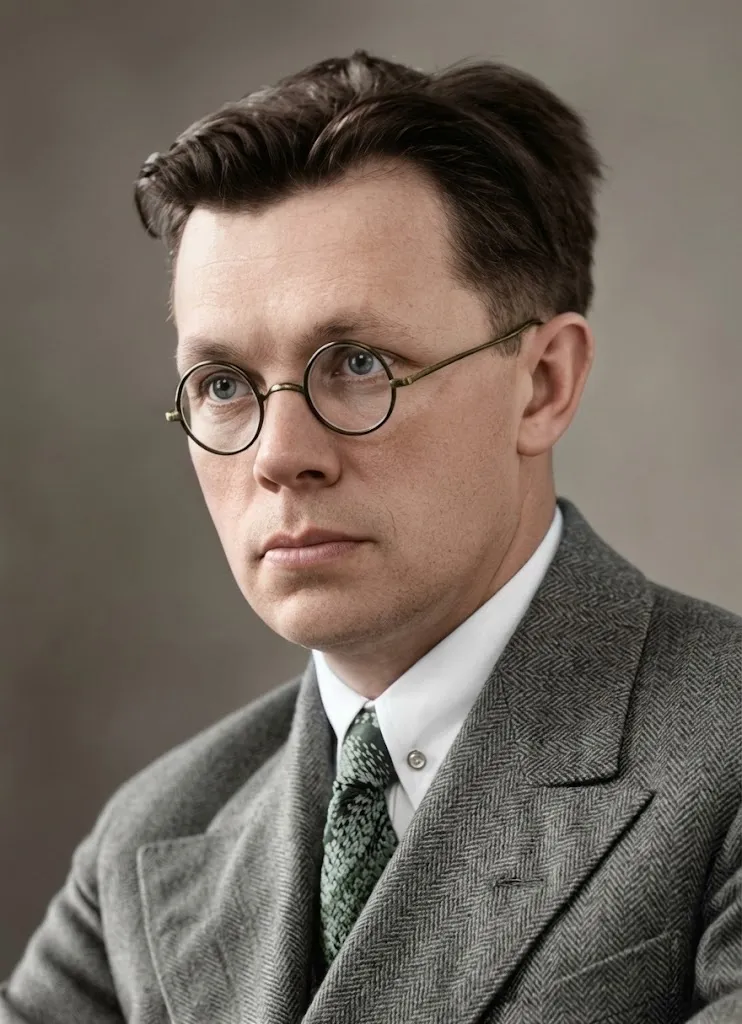
1892–1937
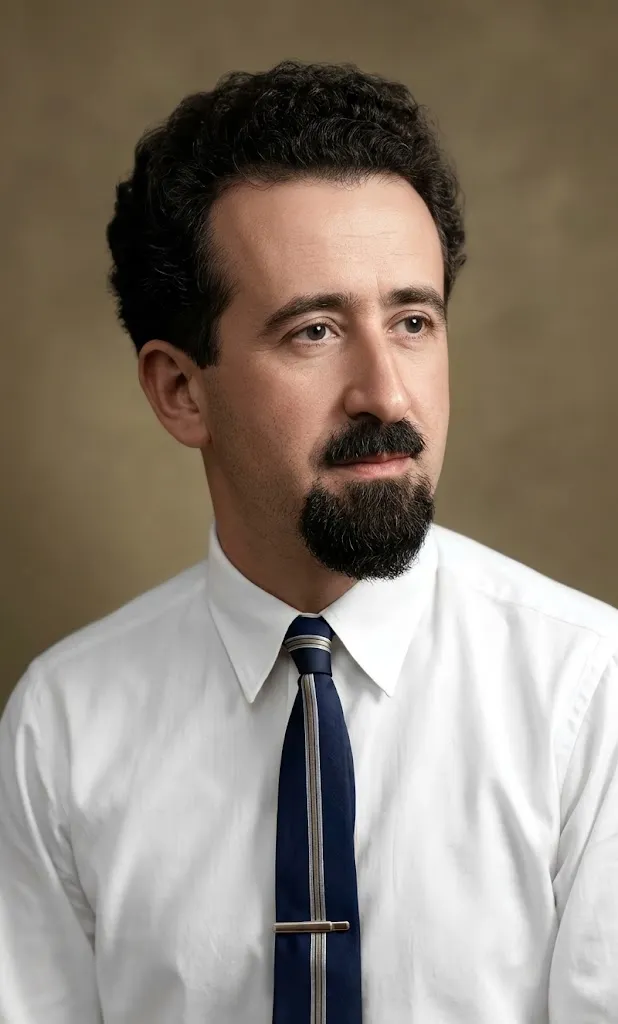
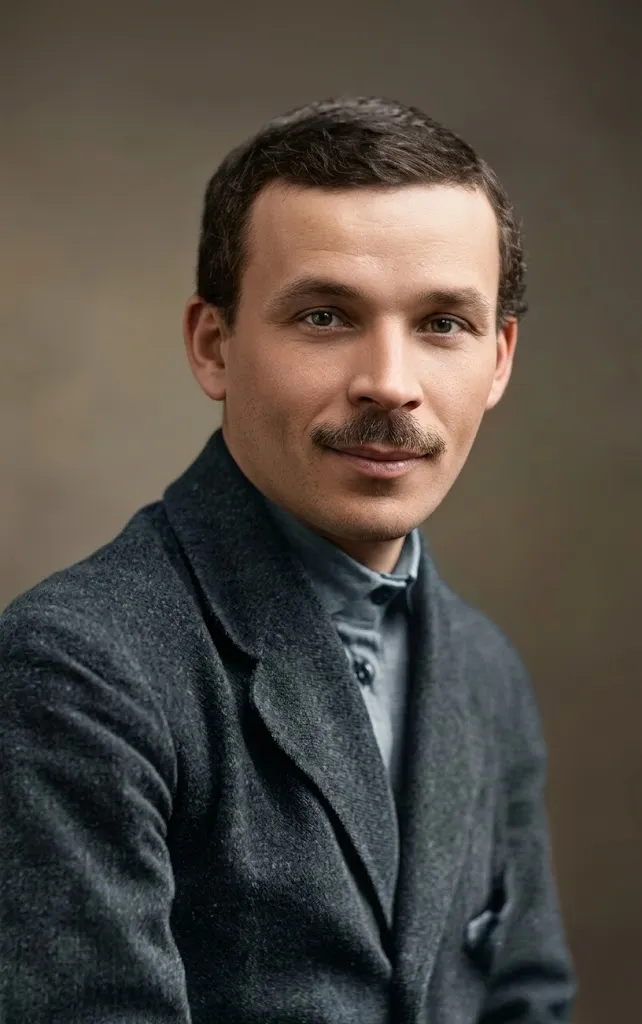
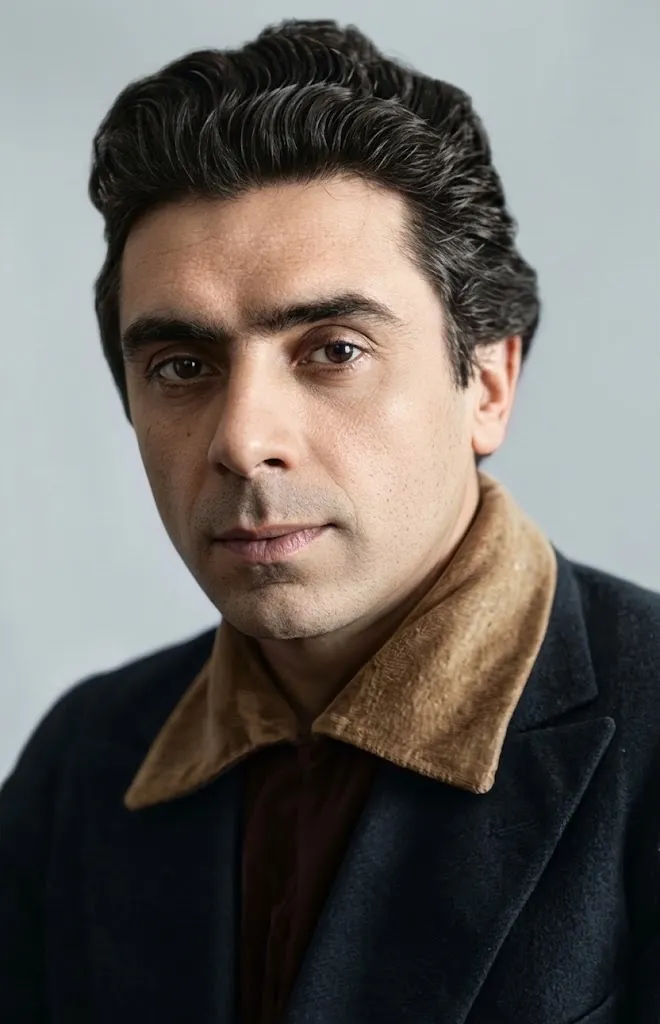
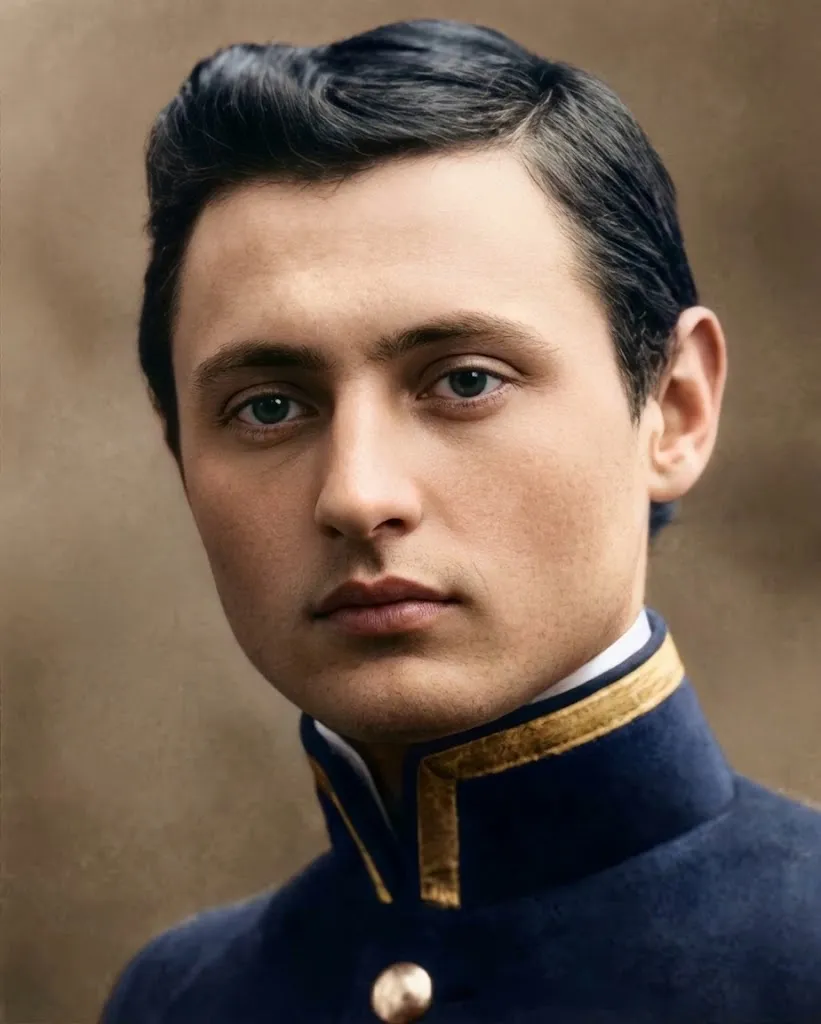
Mykhail Semenko
Poet, founder of Ukrainian Futurism
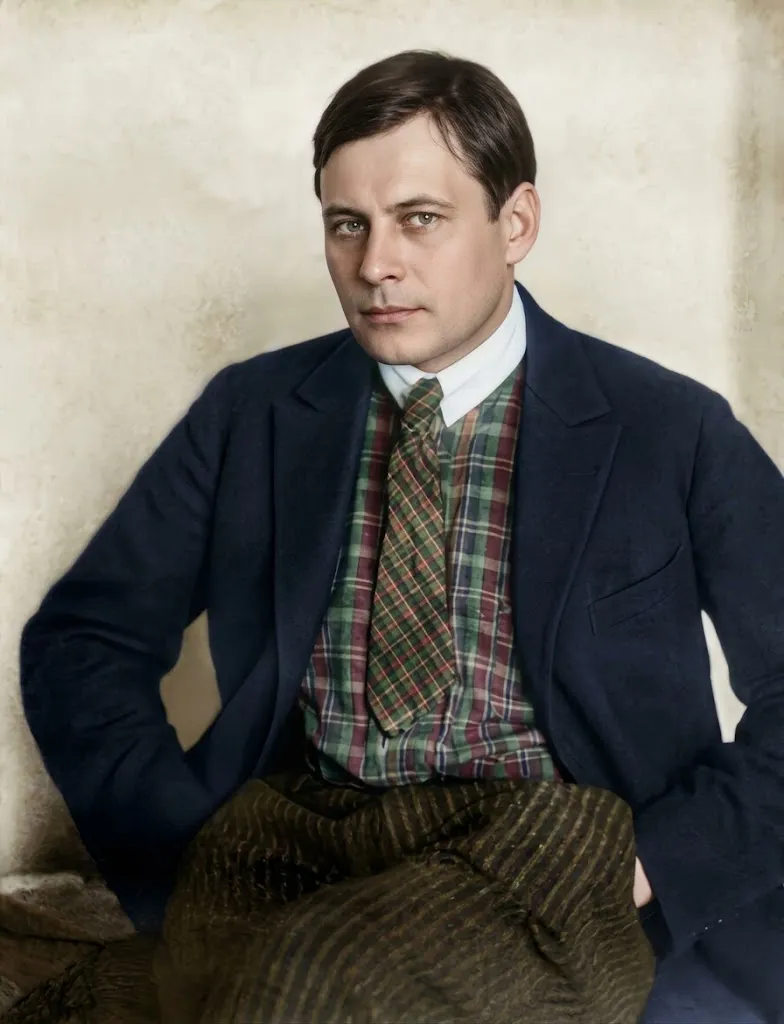
“I burn my Kobzar,” a 21-year-old poet announced in 1914, just before Shevchenko’s centenary. Mykhail Semenko founded Ukrainian Futurism: he wrote about the city, broke the rules of verse and gathered rebellious artists around him. He was shot in Kyiv in 1937.
Key accomplishments
- The collections Derzannia (Daring) and Kverofuturyzm (Quero-Futurism), whose manifestos launched Ukrainian Futurism
- Founder of the Futurist groups Fliamingo, Aspanfut, Komunkult and Nova Generatsiia (New Generation)
- Editor in chief of the VUFKU film studio in Odesa (1924–1927)
- The collections Pierrot Loves (1918), In the Roseless Orchards (1919) and two books both titled Kobzar (1924)
“I burn my Kobzar”
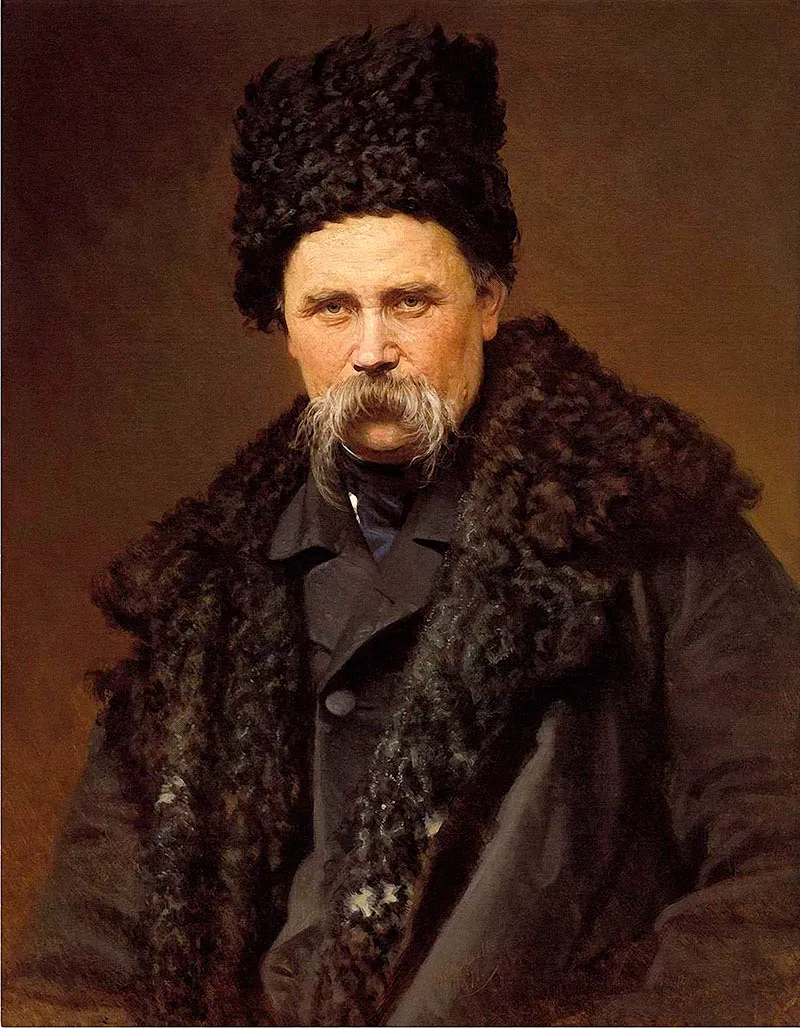
In early 1914 Ukraine was getting ready for the hundredth birthday of Taras Shevchenko. Right then a 21-year-old poet, Mykhail Semenko, put out a manifesto called “I burn my Kobzar”. Shevchenko’s book, he wrote, “smells of tar and lard”, and Shevchenko himself belonged in the proceedings of learned societies. It was a challenge to the whole literary tradition. Bookshops wouldn’t even stock his collection Derzannia (Daring), which carried the manifesto.
The boy from Kybyntsi
Mykhailo Semenko was born on 31 December 1892 in the village of Kybyntsi near Myrhorod (now in the Poltava region). His mother, Mariia Proskurivna, wrote novellas. He studied at the Psycho-Neurological Institute in St Petersburg. His first collection, Prelude, came out in 1913, and in Kverofuturyzm (1914) he proclaimed a new movement, “the art of searching”.
A Futurist who kept founding groups
After the revolution Semenko lived in Kyiv and kept starting groups and publications: Fliamingo, which brought out his collections Pierrot Deadloops and In the Roseless Orchards, and the journal Mystetstvo (Art). In 1920, with Mykola Liubchenko and Oleksa Slisarenko, he published The Almanac of Three. In 1921, with Mykhailo Yalovyi and Vasyl Aleshko, he founded the Combat Group of Futurist Poets, which grew into the Association of Panfuturists, Aspanfut. He wrote about the city and the new age in the spirit of the Italian Marinetti, playing with form and language to jolt the reader. From 1924 to 1927 he was editor in chief of the Odesa film studio, and in 1925 he made a “poetic film”, Step (The Steppe). After moving to Kharkiv, in 1927 he founded a new Futurist association, Nova Generatsiia (New Generation).
Under pressure
Critics attacked the Futurists ever harder. Semenko turned away from Futurism and wrote poems about the Bolshevik revolution, and in the early 1930s he publicly called his earlier views “mistaken”. It didn’t save him.
Arrest and execution
On 26 April 1937 Semenko was arrested at the Continental hotel in Kyiv. He was charged with belonging to a “Ukrainian fascist nationalist terrorist organization” that never existed and with plotting a terrorist attack for 1 May. On 23 October 1937 the Military Collegium of the USSR Supreme Court sentenced him to death. The next day, 24 October, he was shot in Kyiv; he was probably buried in the Bykivnia forest. Three days later his fellow writer Maik Yohansen was shot in Kyiv too. Semenko was rehabilitated in 1957. In 2021 the SBU archive and the Center for Research on the Liberation Movement put the documents of his case online.
Why it matters today
Mykhail Semenko showed that Ukrainian poetry need not just repeat the old: it can speak the language of the city and of its own time. His play with form and language became part of modern Ukrainian poetry, even though he himself called for throwing out tradition. He didn’t wait for permission: at 21 he challenged the whole literary tradition, then gathered rebellious artists hungry for something new around him again and again. The regime shot him, yet the rowdy Futurist is read again. Anyone looking for new forms for Ukrainian today walks a road he helped lay.