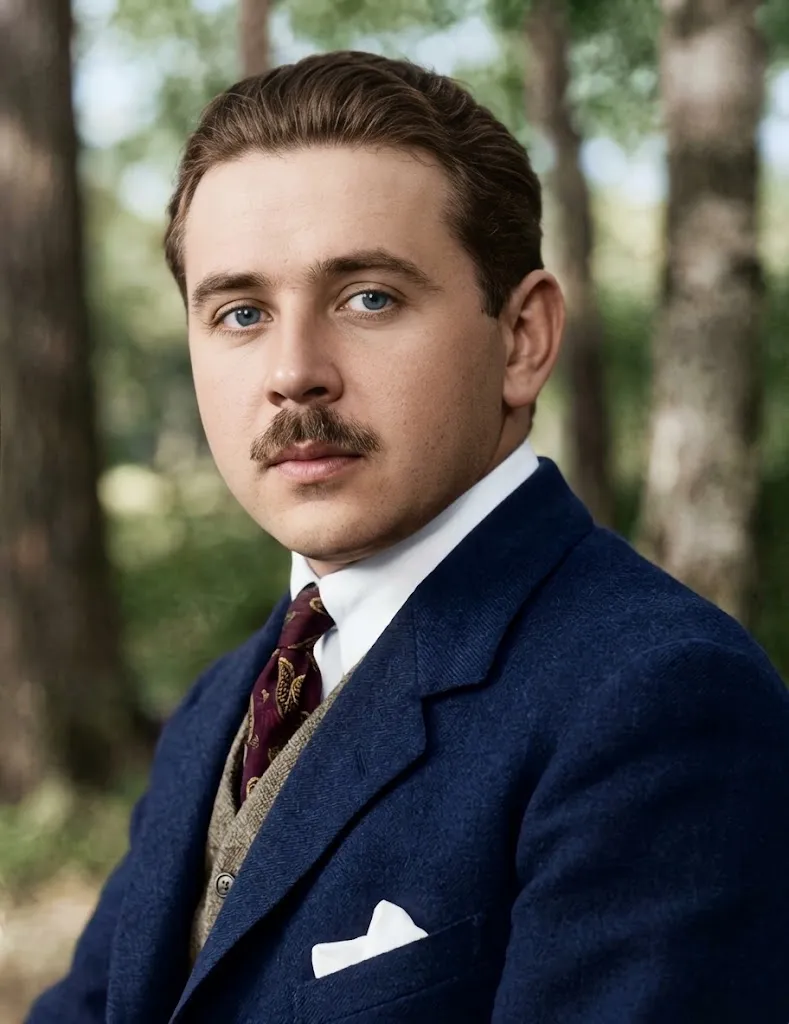
1889–1939
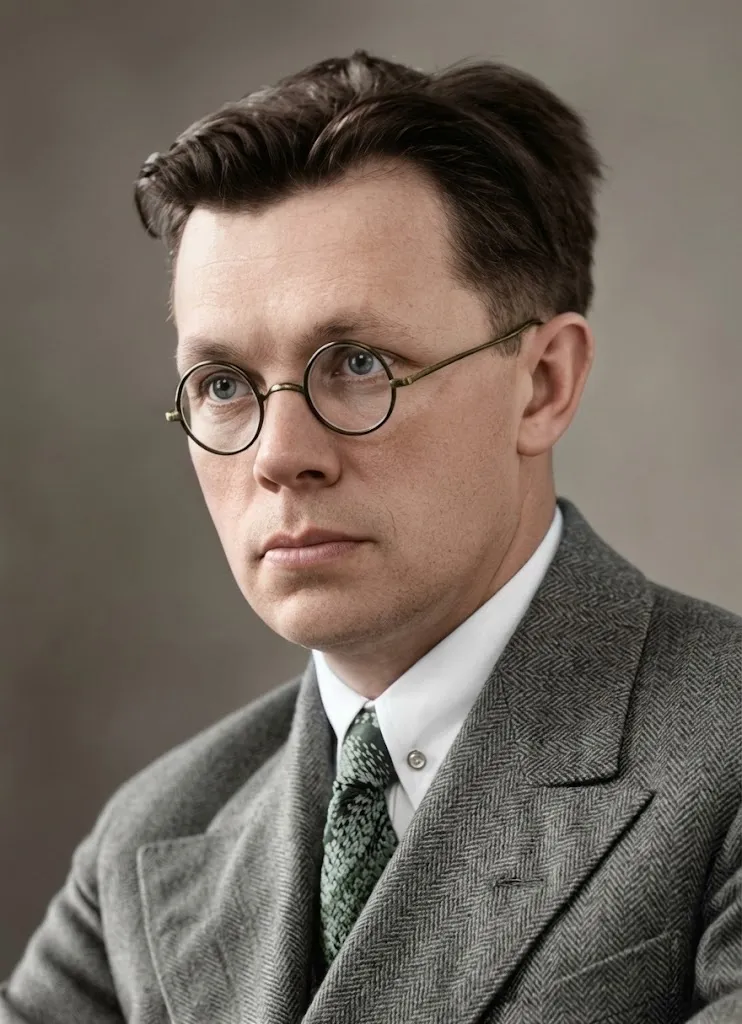
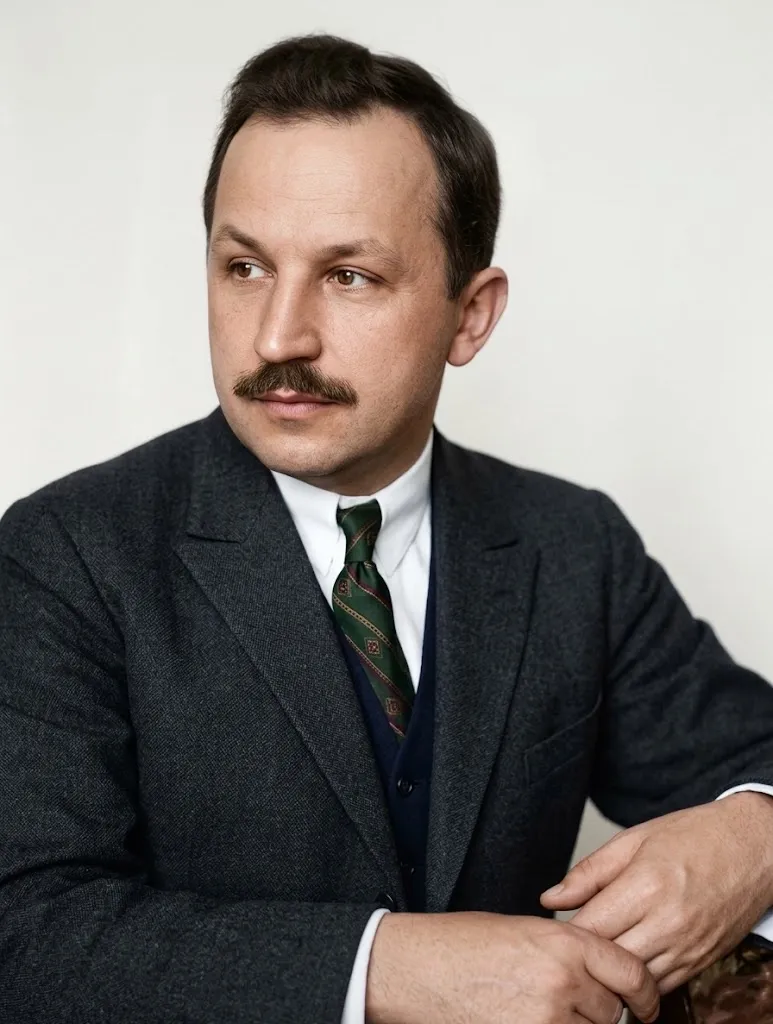
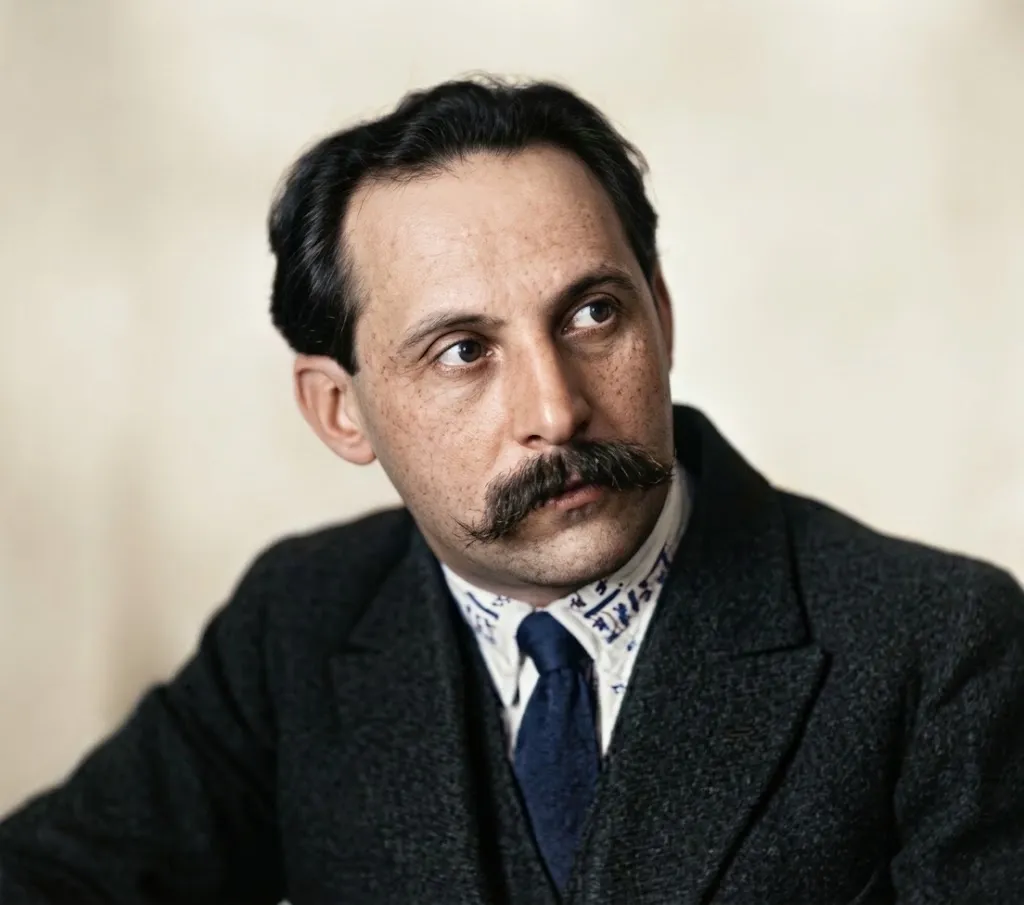
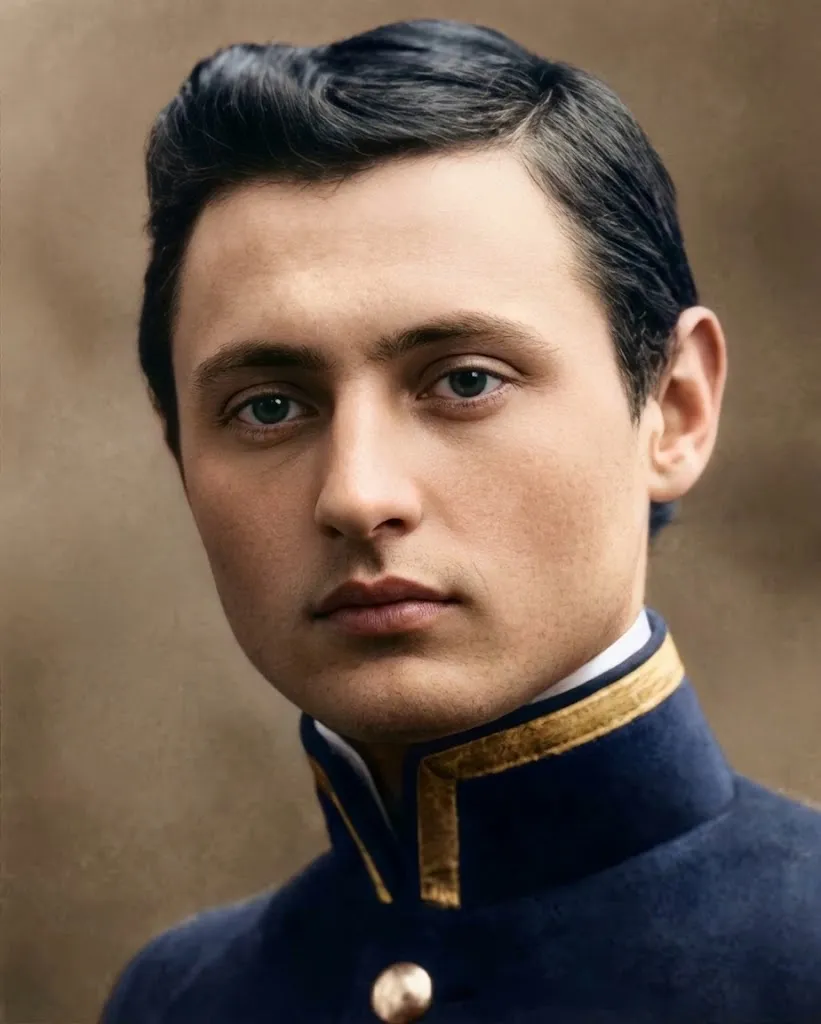
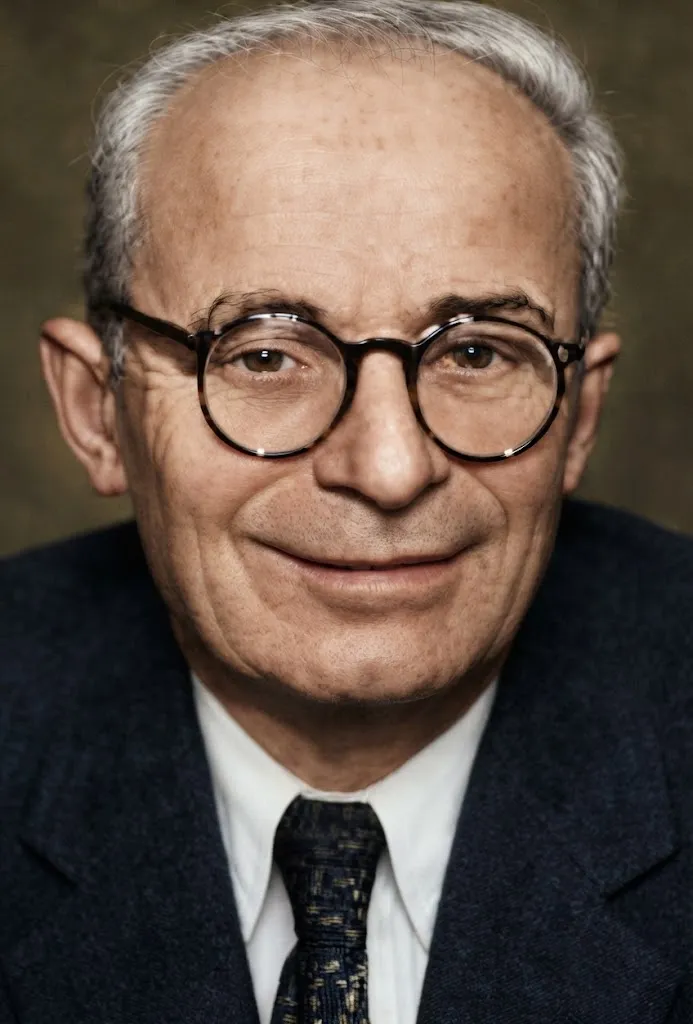
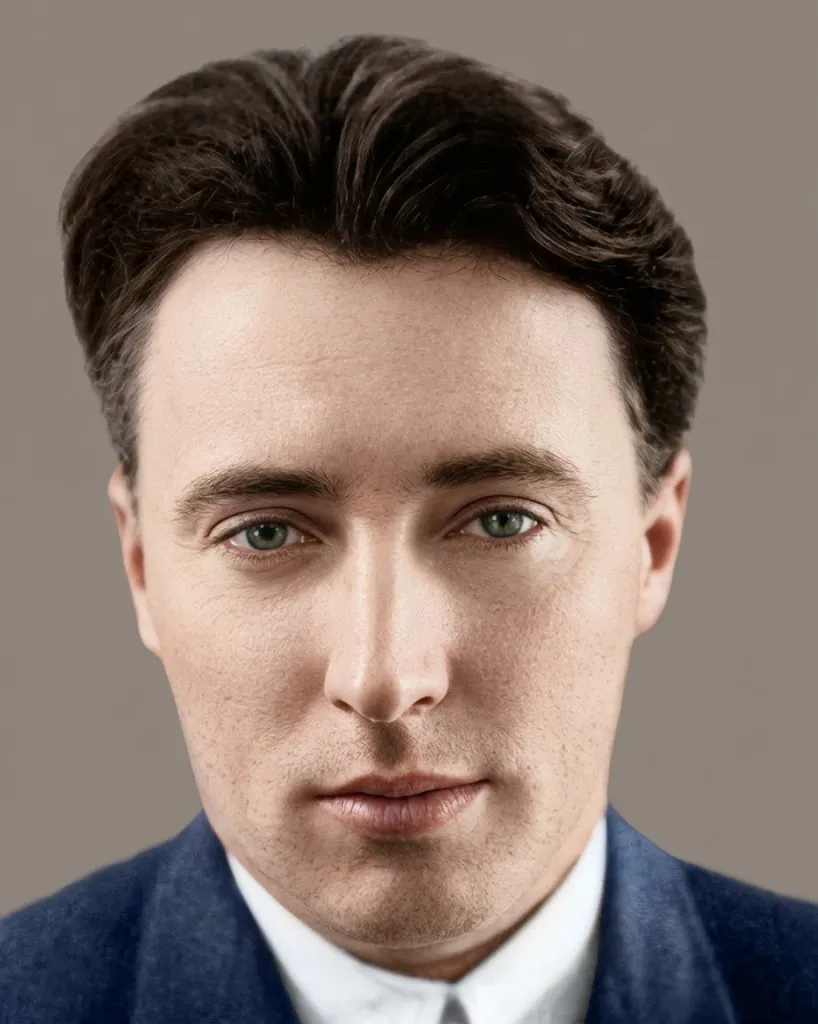
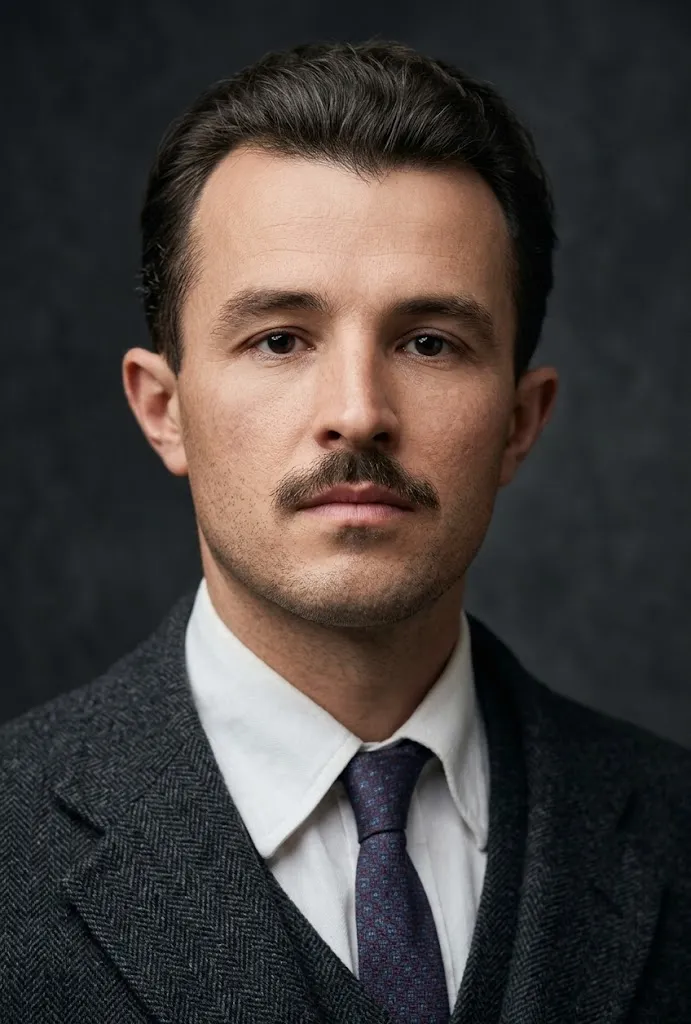
Mykhailo Drai-Khmara
Poet, author of the sonnet The Swans
His sonnet about swans breaking the ice gave the Kyiv Neoclassicists their name: the “fivefold cluster”. Mykhailo Drai-Khmara was a poet, a Slavic scholar and a translator, author of the collection Prorosten. He died in a Kolyma labour camp in 1939.
Key accomplishments
- The sonnet The Swans (1928), addressed to the Neoclassicists’ “fivefold cluster”
- The poetry collection Prorosten (1926), the only one published in his lifetime
- The monograph Lesya Ukrainka: Life and Work (1926)
- Studies of Ukrainian, Belarusian and Serbian literature and of the history of the Slavic languages
- Translations from French, German, Polish, Belarusian and other languages
Swans that break the ice
Swans live on a quiet lake. When the frosts come and the water freezes, they break the ice and have no fear of winter. That is how the sonnet The Swans begins, written by Mykhailo Drai-Khmara in 1928. And it ends with a call: “O fivefold cluster of unconquered singers!” The five were the Kyiv Neoclassicists: Mykola Zerov, Maksym Rylskyi, Pavlo Fylypovych, Yurii Klen and Drai-Khmara himself. The Soviet authorities read the poem as a call to resist, and it later became grounds for charges against him.
From Drai to Drai-Khmara
Mykhailo Drai was born in 1889 in the village of Mali Kanivtsi in the Poltava province (now in the Cherkasy region), into a well-off family of the Cossack Drai clan. His mother died early, leaving him an orphan at four. He studied at the Pavlo Galagan College in Kyiv and then at the faculty of history and philology of Kyiv University, which sent him abroad to work in archives. During the First World War he went on to Petrograd University. There his surname sounded German, so he added “Khmara” to it.
Scholar and poet
Drai-Khmara was a Slavist: he studied Ukrainian, Belarusian and Serbian literature and the history of the Slavic languages. A polyglot, he knew 19 languages, among them ancient Greek, Latin and Sanskrit. From 1918 to 1921 he taught at the university in Kamianets-Podilskyi, where he began writing poems in Ukrainian, and later returned to Kyiv, where he headed the Slavic department of the Academy of Sciences’ Institute of Linguistics. The scholar loved sport too: he could easily swim across the Dnipro and went on long walking trips. He had written poems since 1910, but his only collection published in his lifetime, Prorosten, came out in 1926. The same year saw his book Lesya Ukrainka: Life and Work. He translated from French, German, Polish, Belarusian and other languages; his translations of Dante’s Divine Comedy and of the Kalevala were never printed.
Arrests and Kolyma
Drai-Khmara was first arrested in 1933. He was later released, but lost his job. During the Holodomor he took in a 15-year-old orphan girl swollen with hunger and gave her a home. In September 1935 he was arrested again. He was the only Neoclassicist who refused to admit guilt under interrogation or to slander his friends. In 1936, in a fabricated case, he was convicted of “counter-revolutionary terrorism” and sent to Kolyma, where he did hard labour in a camp. According to the official records, Drai-Khmara died on 19 January 1939, aged 49. But a fellow prisoner, Mykhailo Dobrovolskyi, remembered it differently: in April 1939, when prisoners were being shot from a line in the camp, Drai-Khmara stepped in front of a young student named Volodia and died in his place. The poet was rehabilitated in 1989.
Why it matters today
Drai-Khmara’s sonnet about swans that break the ice unafraid of winter gave a group of poets their name: the “fivefold cluster” still means the Kyiv Neoclassicists. The authorities read it as a call to resist, yet the poem outlived the charges and the camp. A Slavic scholar who translated Dante and the Kalevala, he set Ukrainian poetry beside the world’s. His lines “Break the age-old rock of tradition, / Shake off the dust of a life unfree” speak to anyone who has chosen a road and won’t turn back.