1868–c. 1941
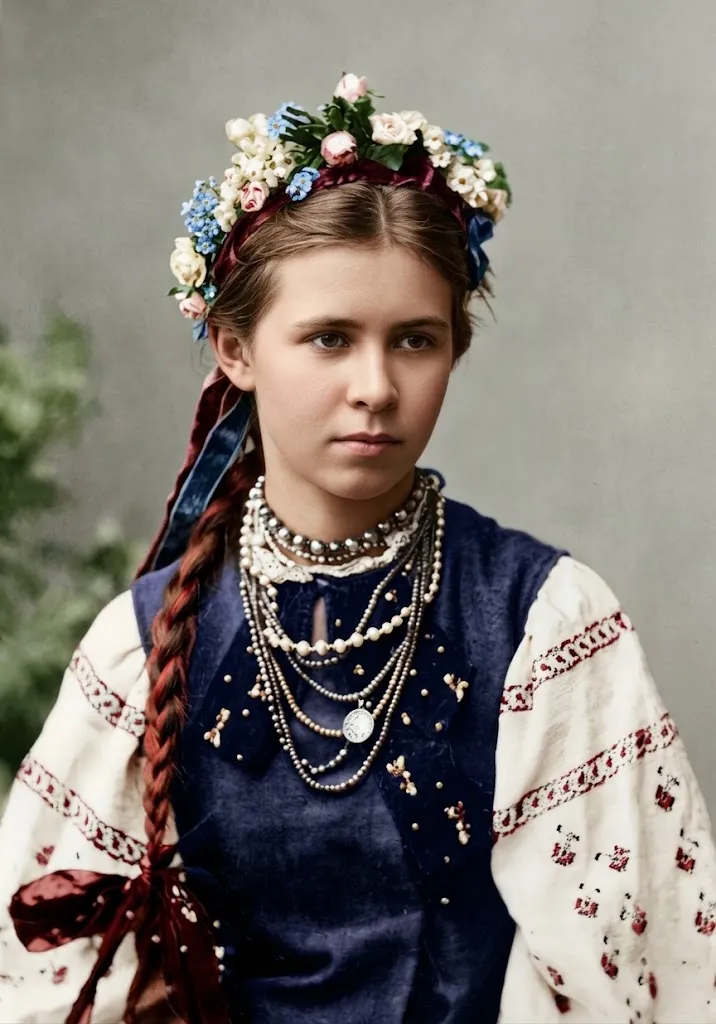
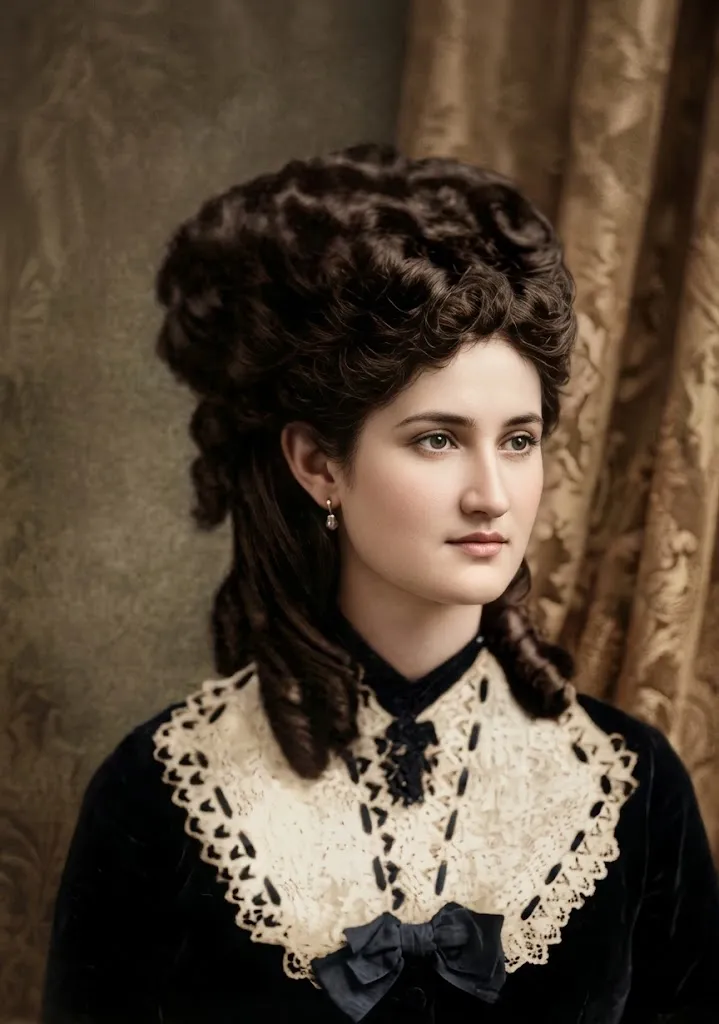
Liudmyla Starytska-Cherniakhivska
Playwright, translator, memoirist
“We were the first Ukrainian children,” wrote Liudmyla Starytska-Cherniakhivska, daughter of the playwright Mykhailo Starytskyi. Author of historical dramas and of memoirs of Lesya Ukrainka, she sat in the Central Rada. Arrested again in 1941, she died on the way into exile.
Key accomplishments
- Historical dramas Hetman Petro Doroshenko (1908), The Last Sheaf (1917), Karmeliuk the Outlaw (1926), Ivan Mazepa (1927)
- The memoir Moments from the Life of Lesya Ukrainka (1913), and memoirs of Mykola Lysenko, Ivan Franko and Mariia Zankovetska
- The first study of the history of the Ukrainian national theatre (1907)
- Member of the Ukrainian Central Rada; co-founder of the National Council of Ukrainian Women (1919)
- Translations of opera libretti: Verdi, Gluck, Gounod, Puccini, Rimsky-Korsakov
“The first Ukrainian children”
“We were the first Ukrainian children,” Liudmyla Starytska-Cherniakhivska recalled. She meant that her parents raised her, a city child, as a conscious Ukrainian from birth. Liudmyla was born in 1868 in Kyiv. Her father, Mykhailo Starytskyi, was a playwright, and her mother, Sofiia, was the sister of the composer Mykola Lysenko. Liudmyla first appeared in print in 1887, in the Lviv almanac Pershyi vinok (The First Wreath), and in 1888–1893 she took part in the literary circle Pleiada.
Lesya Ukrainka’s friend
The Starytskyi family and the Kosach family of Lesya Ukrainka were close, and in both, as Liudmyla wrote, there was “a special literary spirit”. In 1913 she published Moments from the Life of Lesya Ukrainka, one of her best works. She also left memoirs of Mykola Lysenko, Ivan Franko, Mariia Zankovetska and other artists, and in 1907 she wrote the first study of the history of the Ukrainian national theatre.
Hetmans on stage
Starytska-Cherniakhivska wrote many dramas, often about history: Hetman Petro Doroshenko (1908), The Last Sheaf (1917), Karmeliuk the Outlaw (1926), Ivan Mazepa (1927). She translated opera libretti by Verdi, Gluck, Gounod, Puccini and Rimsky-Korsakov into Ukrainian.
In the Central Rada
In the First World War she worked as a nurse in a hospital and helped refugees. She was a member of the Society of Ukrainian Progressives and of the Ukrainian Central Rada, chaired by Mykhailo Hrushevskyi. After the schoolboys and students fell at Kruty, she published “In Memory of the Young Heroes Murdered at Kruty” on 24 March 1918. Their grave, she wrote, would be “a second holy grave above the Dnipro”. In 1919, in Kamianets-Podilskyi, she co-founded the National Council of Ukrainian Women and became its deputy head. In the 1920s she worked at the All-Ukrainian Academy of Sciences, among other things on the commission preparing a Ukrainian Bible for print.
The SVU trial
In January 1930 she was arrested and accused of belonging to the “Union for the Liberation of Ukraine” (SVU). Andrii Nikovskyi was tried in the same case. Starytska-Cherniakhivska was sentenced to five years of imprisonment, but on 4 June 1930 she was released, the sentence was made suspended, and she was exiled to Stalino (now Donetsk), where she earned her living by translating. In 1936 she returned to Kyiv.
The last journey
On 20 July 1941, with fighting already near Kyiv, the NKVD arrested the 72-year-old Liudmyla Starytska-Cherniakhivska again, together with her sister Oksana Steshenko. She was accused of anti-Soviet activity and sent into exile in Kazakhstan. She died on the way; the exact date and place of her death are unknown. In 1989 she was rehabilitated posthumously.
Why it matters today
Liudmyla Starytska-Cherniakhivska helped Ukrainian culture keep a memory of its own. Thanks to her memoirs we still see Lesya Ukrainka and Mykola Lysenko as living people; she was the first to study the history of the Ukrainian national theatre, and her dramas brought Ukrainian history onto the stage. She showed that the same person can create a culture and build a state: write plays, translate operas and sit in the Central Rada. Her words “we were the first Ukrainian children” are a reminder that a culture begins with how children are raised, and that every family can carry it on.