1891–1937
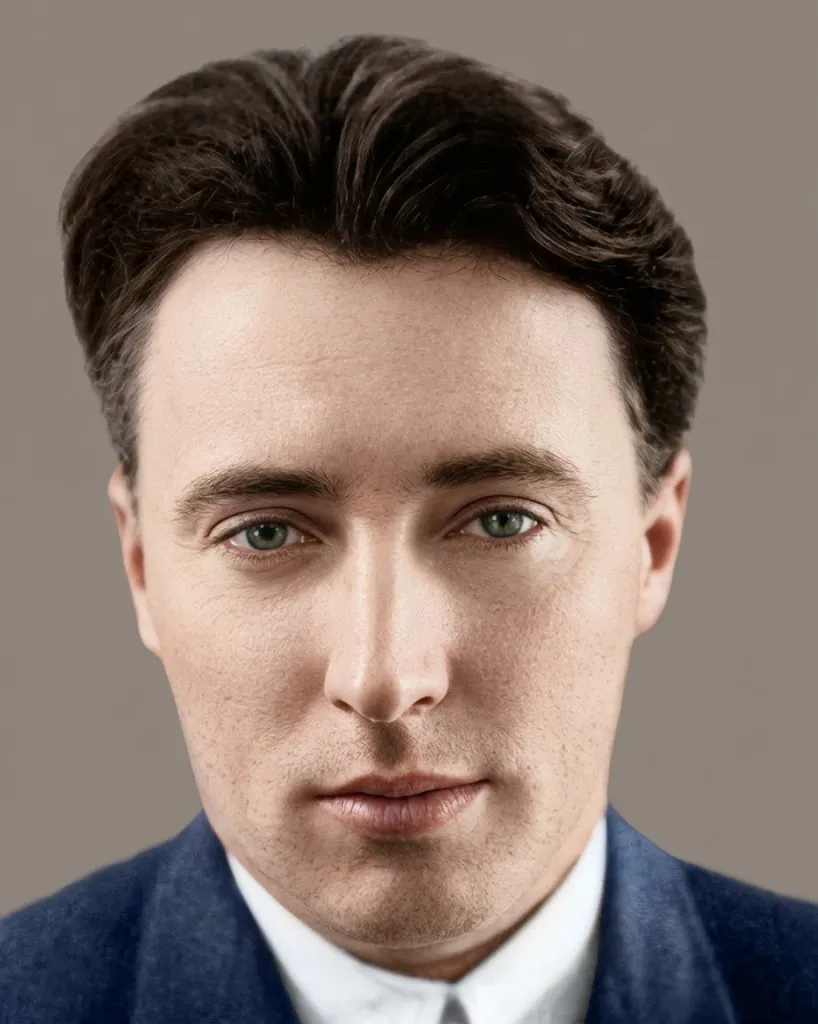
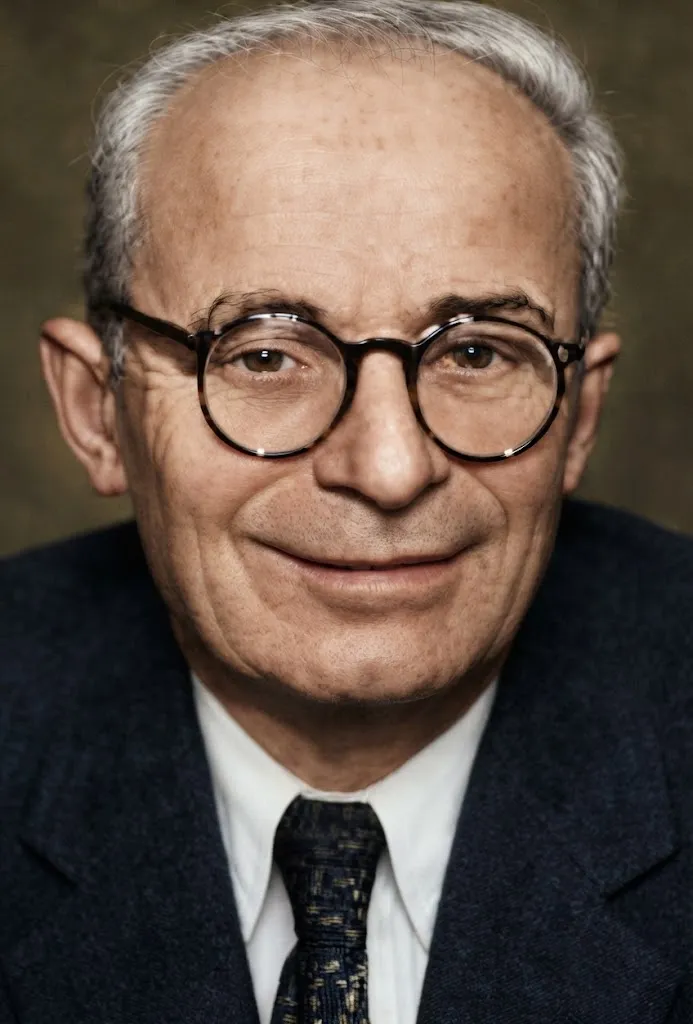
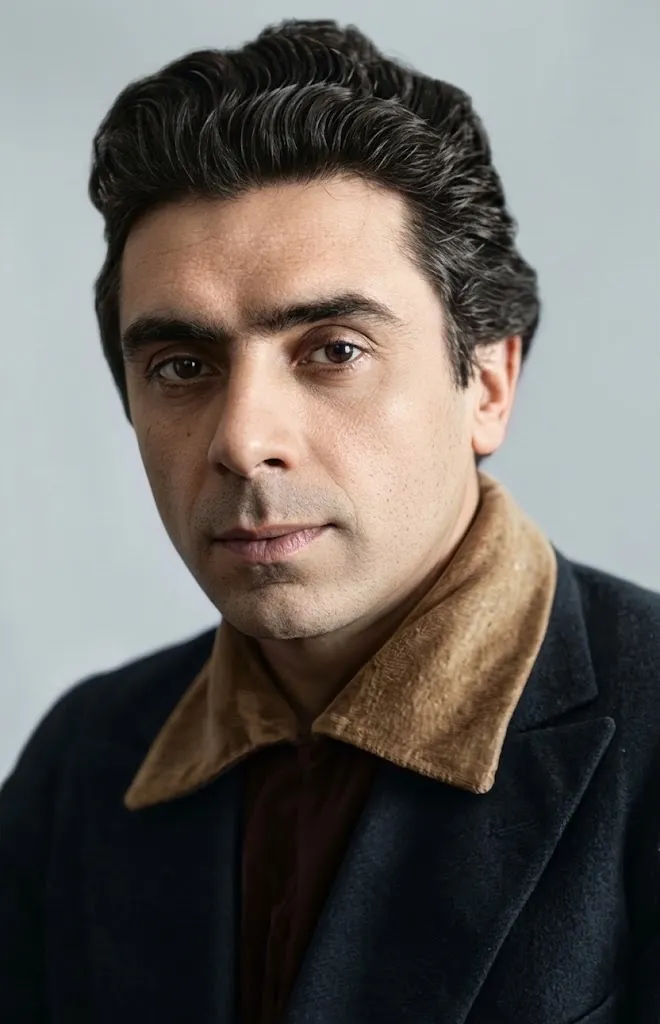
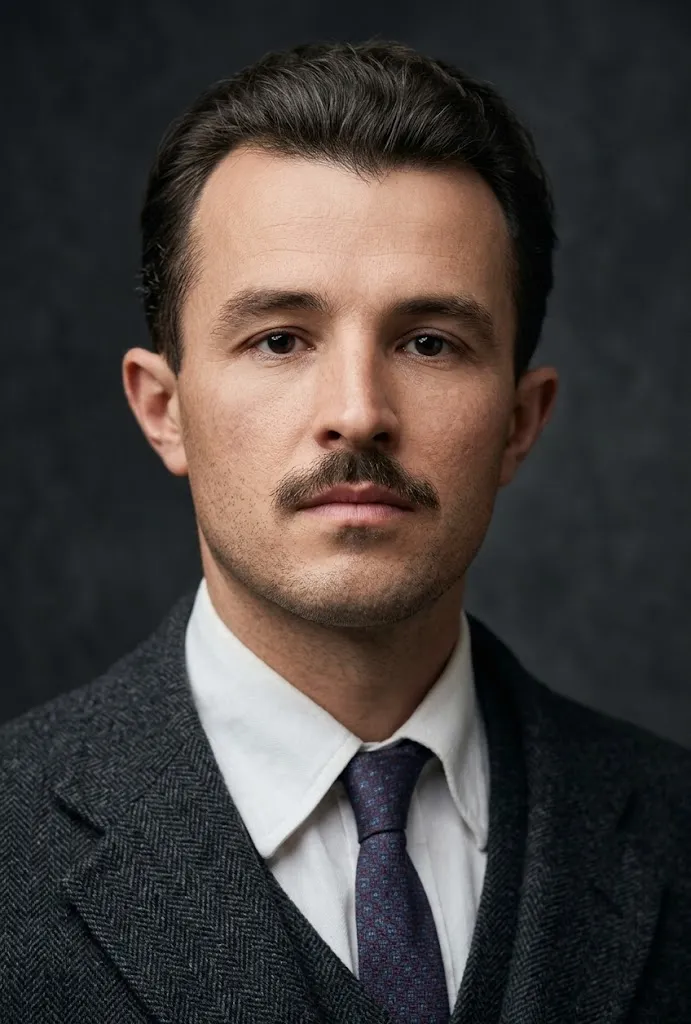
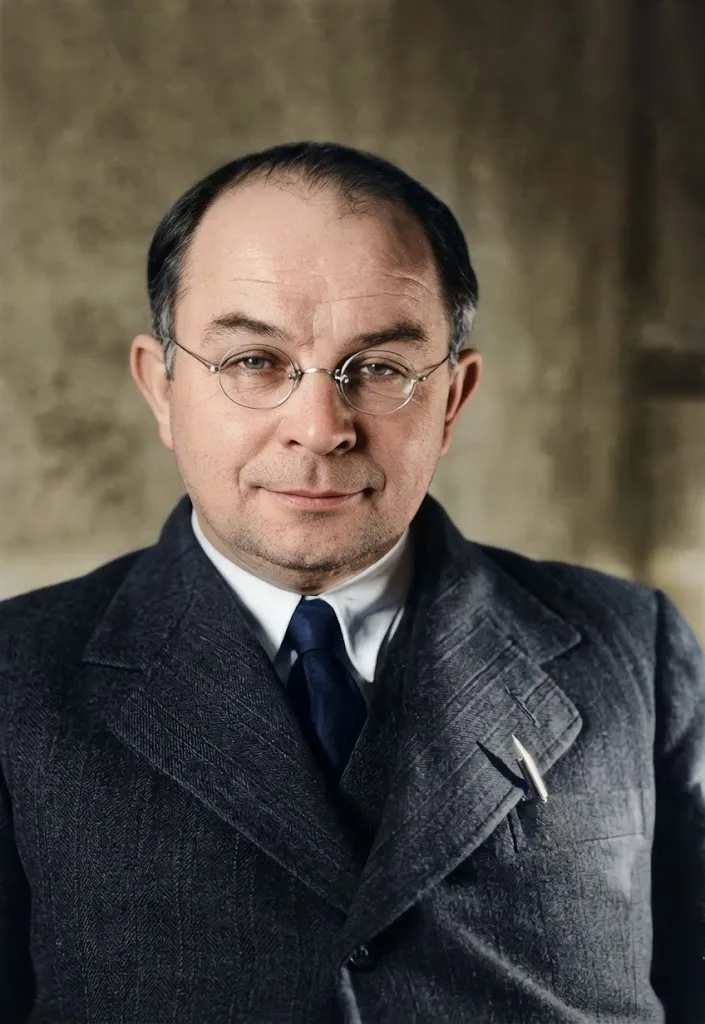
Pavlo Fylypovych
Neoclassicist poet, Shevchenko scholar
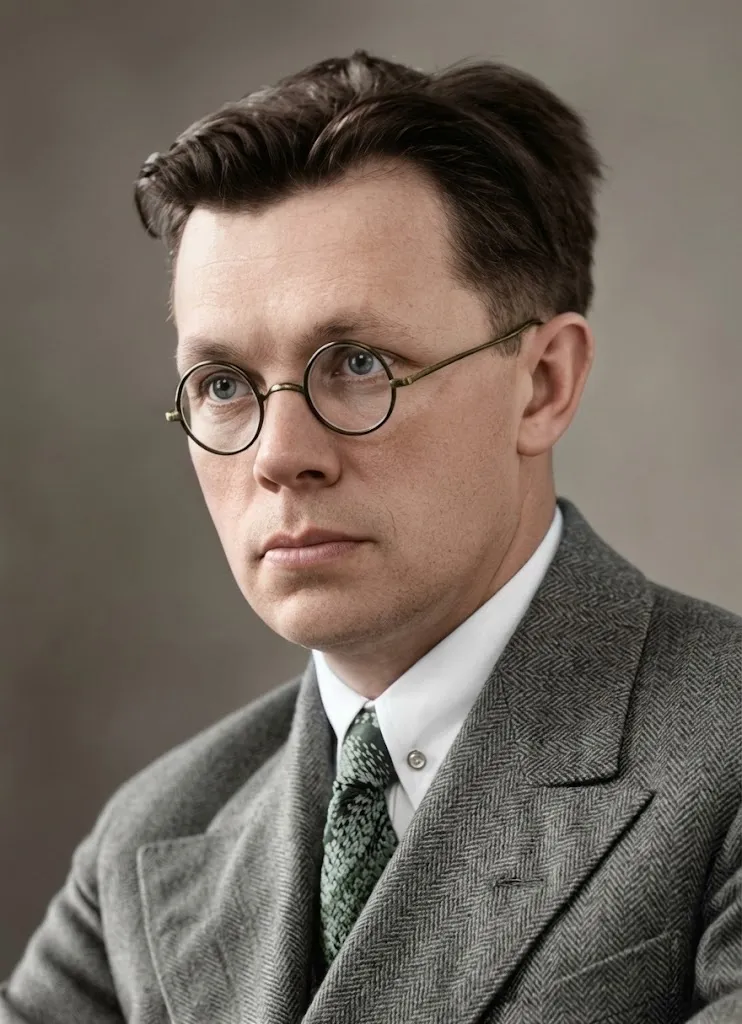
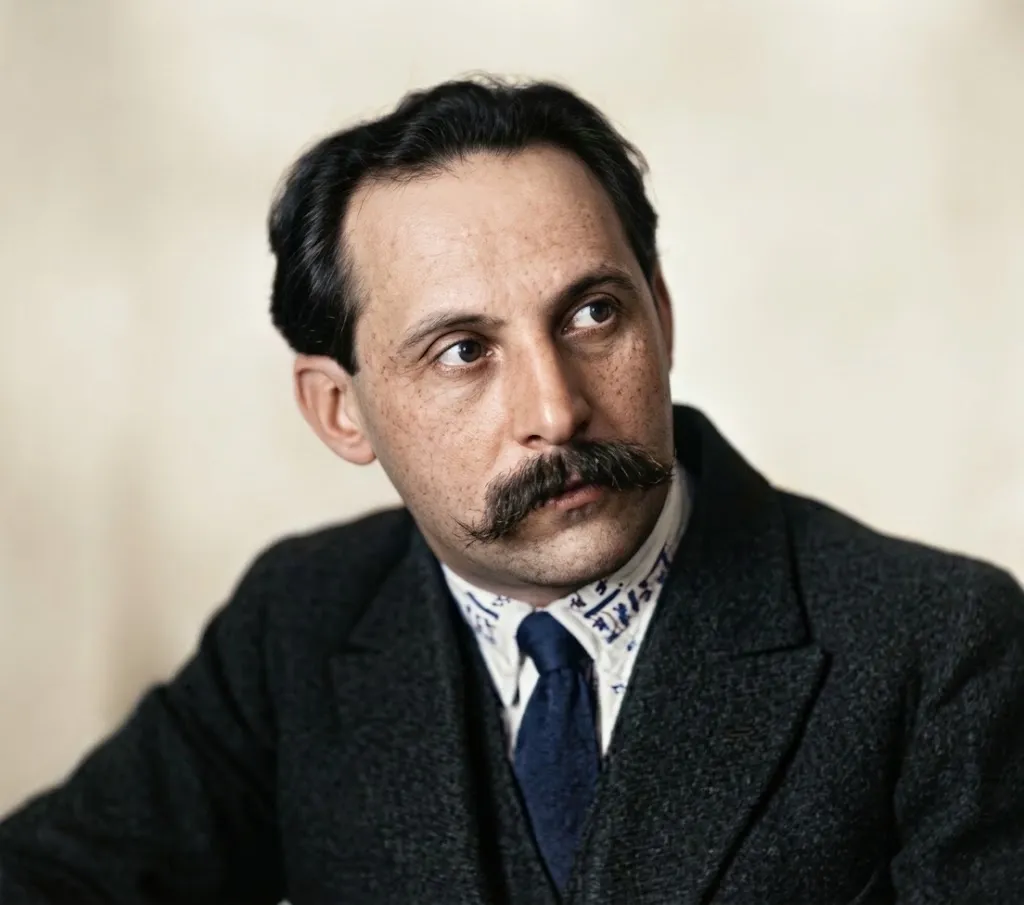
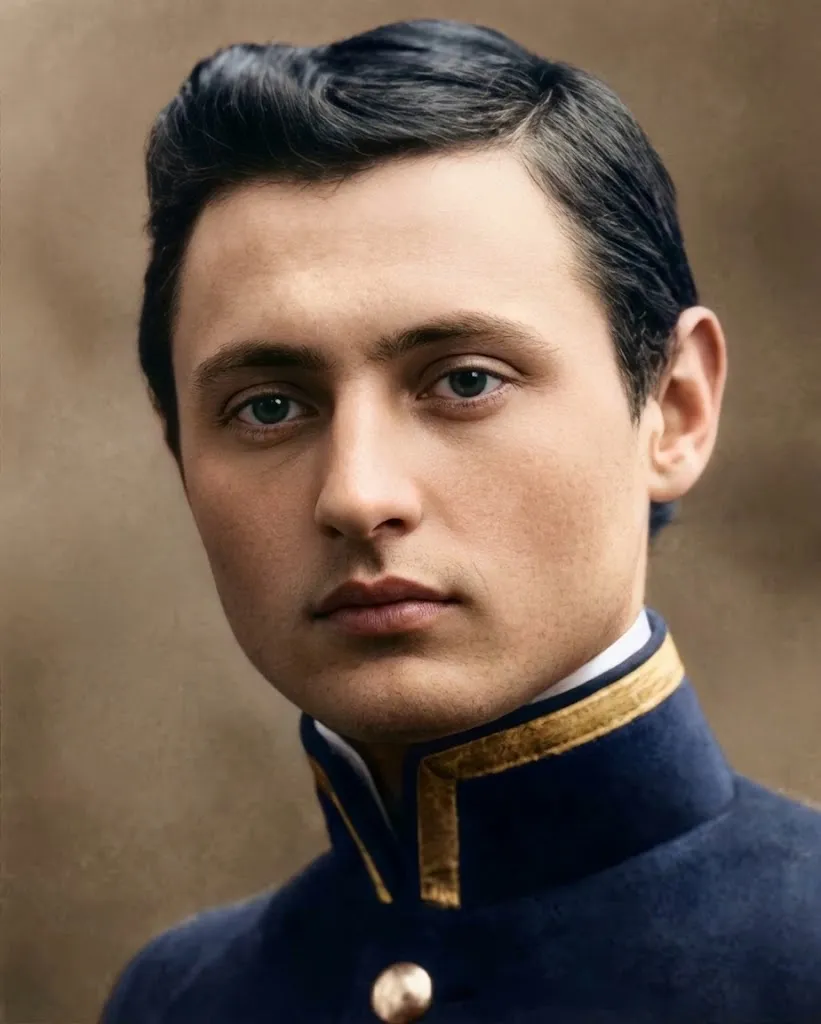
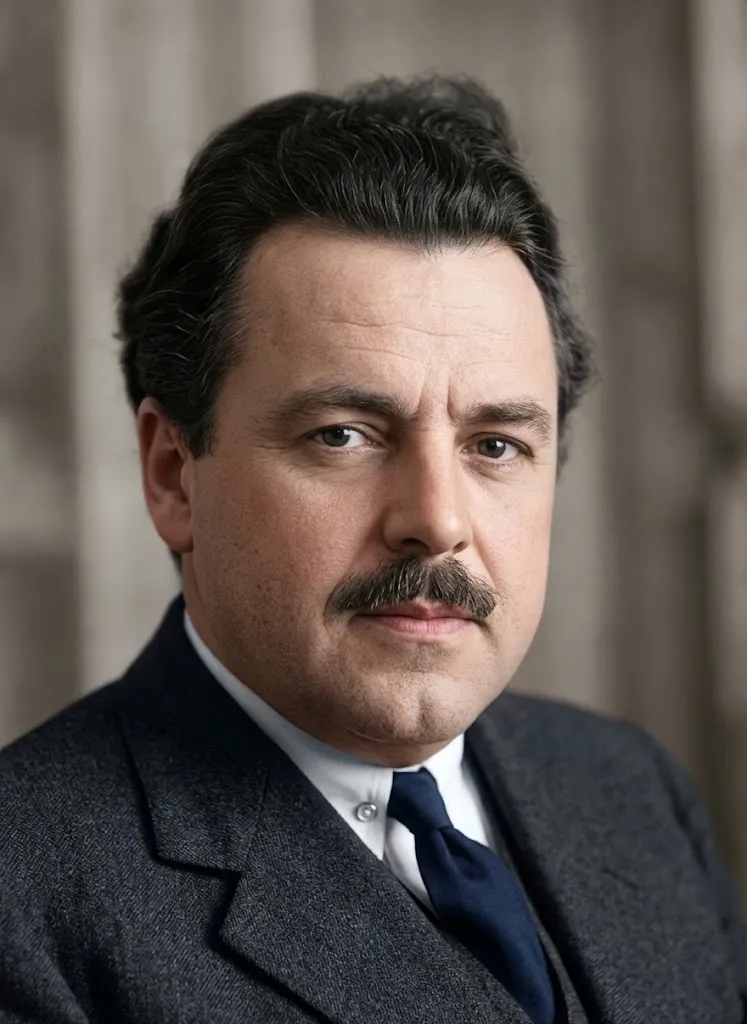
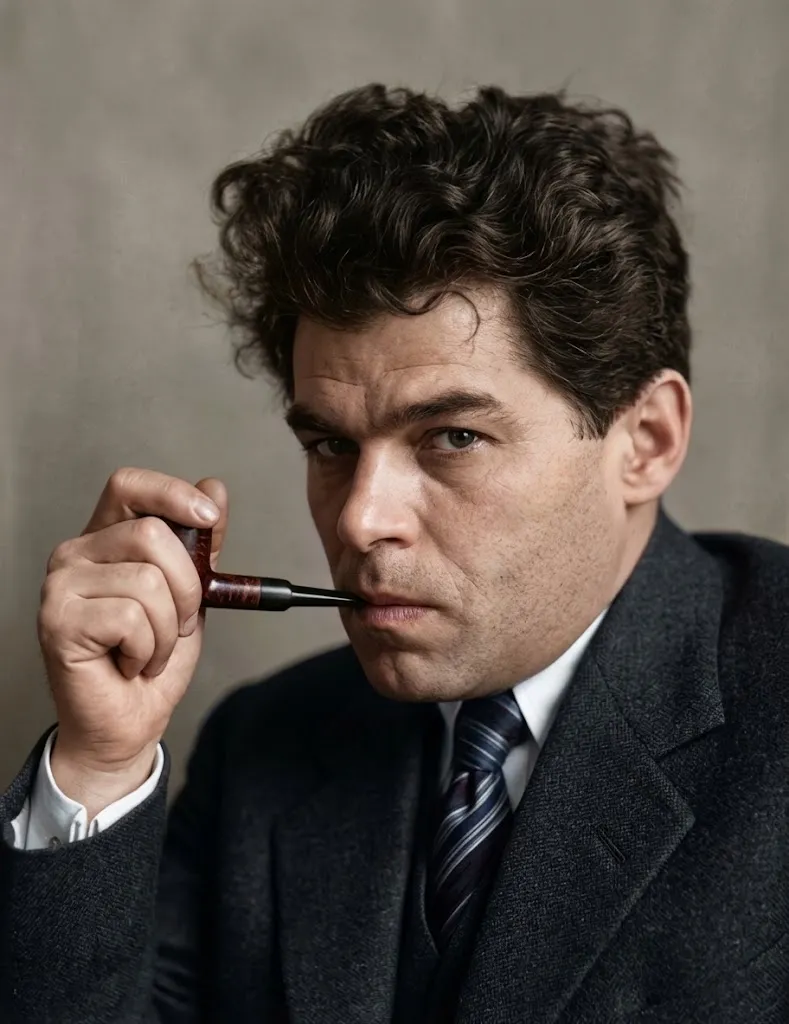
He first published poems in russian as “Pavel Zorev”; from 1917 he wrote only in Ukrainian. Pavlo Fylypovych was a Neoclassicist poet, a professor and a scholar of Shevchenko, author of the collections Earth and Wind and Space. He was shot at Sandarmokh in 1937.
Key accomplishments
- The poetry collections Earth and Wind (1922) and Space (1925)
- The studies Shevchenko and the Decembrists (1926), Pushkin in Ukrainian Literature (1927) and From Recent Ukrainian Writing (1929)
- The survey Ukrainian Literary Scholarship over 10 Years of the Revolution (1928)
- Translations from French: Baudelaire, Verlaine, Béranger
- Defended the Neoclassicists’ views in the Literary Discussion of 1925–1928
How Pavel Zorev became Pavlo Fylypovych
Pavlo Fylypovych was born in 1891 in the village of Kaitanivka (now in the Cherkasy region), into a priest’s large family. He graduated from the Pavlo Galagan College in Kyiv in 1910 with a gold medal. At Kyiv University he spent a year studying law before switching to history and philology, graduating in 1915. In 1910 he also began to publish poems, but in russian and under the pen name “Pavel Zorev”. His first major scholarly work was a book on the russian poet Yevgeny Baratynsky (1917). Yet from that same year on he wrote in Ukrainian.
A poet of the “fivefold cluster”
Fylypovych was one of the Kyiv Neoclassicists, the poets around Mykola Zerov who prized classical form and the European tradition. In his sonnet The Swans (1928) Mykhailo Drai-Khmara hailed them as a “fivefold cluster of unconquered singers”, and Fylypovych was one of the five. He published two collections, Earth and Wind (1922) and Space (1925), known for their depth of thought and polished form. He translated French poets: Baudelaire, Verlaine, Béranger. In the Literary Discussion of 1925–1928 he boldly stood up for the Neoclassicists’ views.
A professor who read Shevchenko anew
As a scholar Fylypovych studied Taras Shevchenko, the Ukrainian classics and the ties between Ukrainian and russian literature. He wrote more than 100 scholarly articles and reviews, among them Shevchenko and the Decembrists (1926) and Pushkin in Ukrainian Literature (1927), and edited the two-volume Shevchenko and His Times (1925–1926). He was a professor at the Kyiv Institute of People’s Education, taught modern Ukrainian literature and ran a seminar on its history together with Zerov.
Solovki and Sandarmokh
Fylypovych was arrested on 5 September 1935 on a fabricated charge of belonging to a “counter-revolutionary nationalist organization”. He was tried together with Zerov and sentenced to 10 years of imprisonment, which he served on the Solovetsky Islands. From there he and other prisoners were taken to the Sandarmokh forest in Karelia and shot on 3 November 1937, in the mass executions of prisoners timed to mark the 20th anniversary of the October Revolution. Zerov, Mykola Kulish and Les Kurbas were killed there the same day. Fylypovych was rehabilitated in 1958. His poems first came out as a book only after his death, in Munich in 1959; in Ukraine they had to wait until 1989.
Why it matters today
Pavlo Fylypovych started out in russian but chose Ukrainian for both his poetry and his scholarship. With Mykola Zerov and the other Neoclassicists he brought classical form and the European tradition into Ukrainian poetry, and in his translations Baudelaire and Verlaine spoke Ukrainian. He taught his students to read Shevchenko and the Ukrainian classics anew. Anyone who chooses Ukrainian for their writing or research today follows the path of “Pavel Zorev”, who became Pavlo Fylypovych.