1814–1861
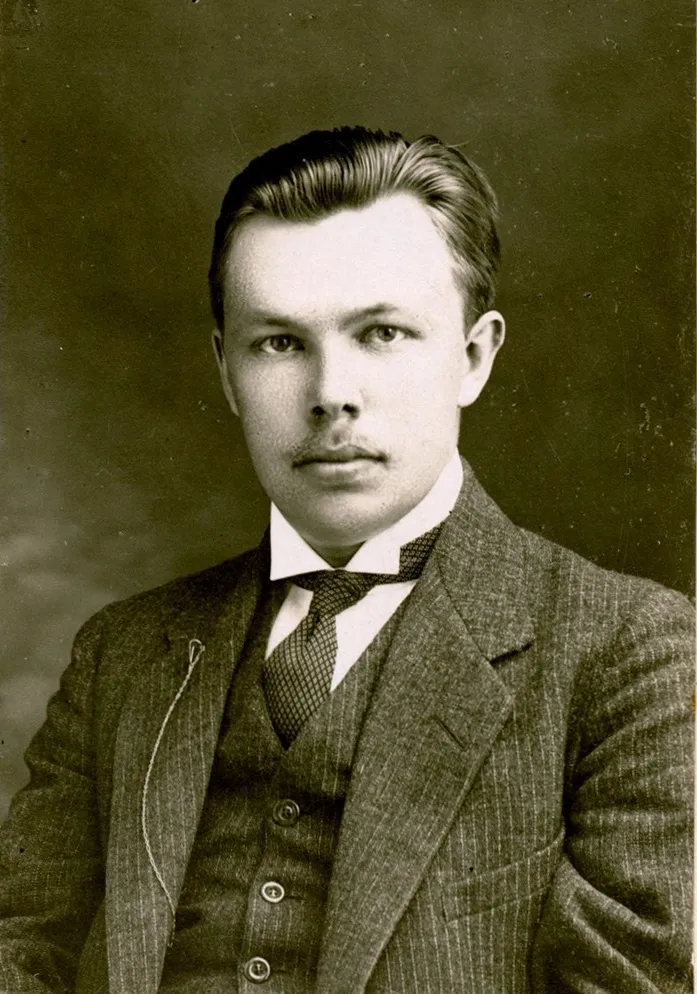
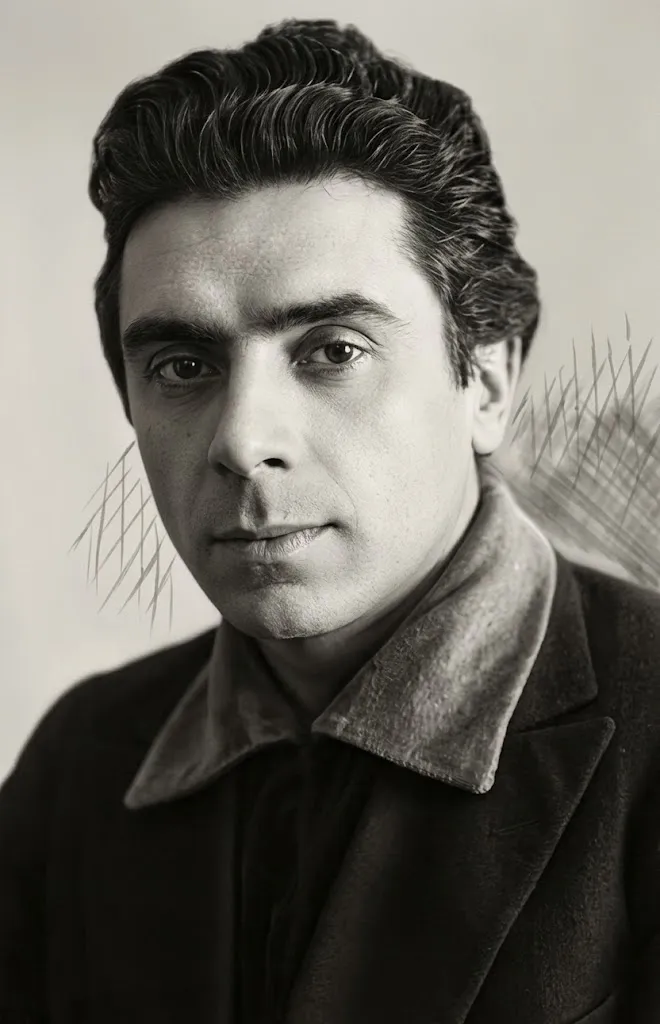
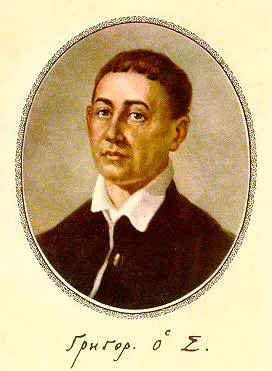
Taras Shevchenko
National poet of Ukraine
A serf whose freedom was bought with the price of a single portrait, he is now called the national poet of Ukraine. His Kobzar laid the foundations of modern Ukrainian literature and its language.
Key accomplishments
- The poetry collection Kobzar (1840), a milestone of modern Ukrainian literature
- The poems Haidamaky, The Caucasus, The Dream and “Testament”
- Academician of engraving at the Imperial Academy of Arts (1860)
- More than 800 paintings and drawings
What does freedom cost?
Until he was 24, Taras Shevchenko was a serf: he and his whole family, from the village of Moryntsi in the Kyiv region, were a landowner’s property. He was orphaned early, but he could draw, and that talent took him to Saint Petersburg. There, artists decided to buy his freedom. Karl Bryullov painted a portrait of the poet Vasily Zhukovsky, the portrait was raffled off, and the 2,500 rubles it raised set Shevchenko free. That was in 1838; he went on to study at the Imperial Academy of Arts.
The poems that scared an empire
In 1840 Kobzar came out, and modern Ukrainian literature began with it. But Shevchenko also wrote poems that mocked imperial power, and he belonged to the Brotherhood of Saints Cyril and Methodius. In 1847 he was sent into exile as a soldier, to remote fortresses near the Urals and the Caspian Sea, with orders not to write or draw.
The ban didn’t break him. After his release in 1857 he returned to Saint Petersburg, and in 1860 the Academy of Arts, where he had once studied, made him an academician of engraving. He died the following year and was buried above the Dnipro, on Chernecha Hill in Kaniv.
Why he is still read today
Shevchenko proved that great literature could be written in Ukrainian, and he put into words the ideas Ukrainian national identity grew from: freedom, dignity and resistance to oppression. His “Testament” has been translated into more than 60 languages, and his words “Fight on, and you will prevail!” still ring out today.