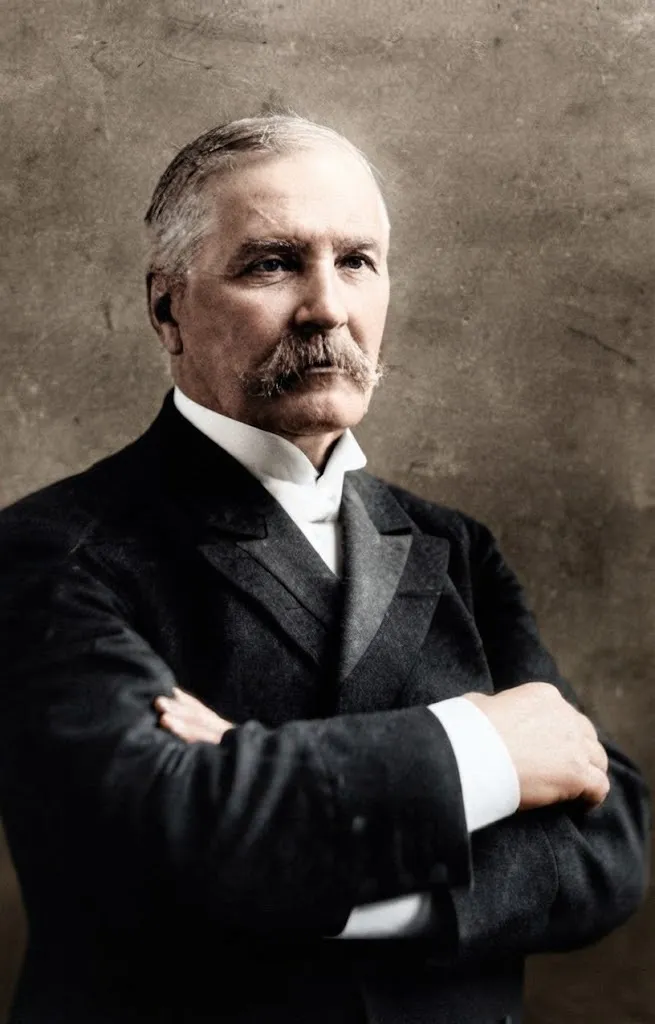
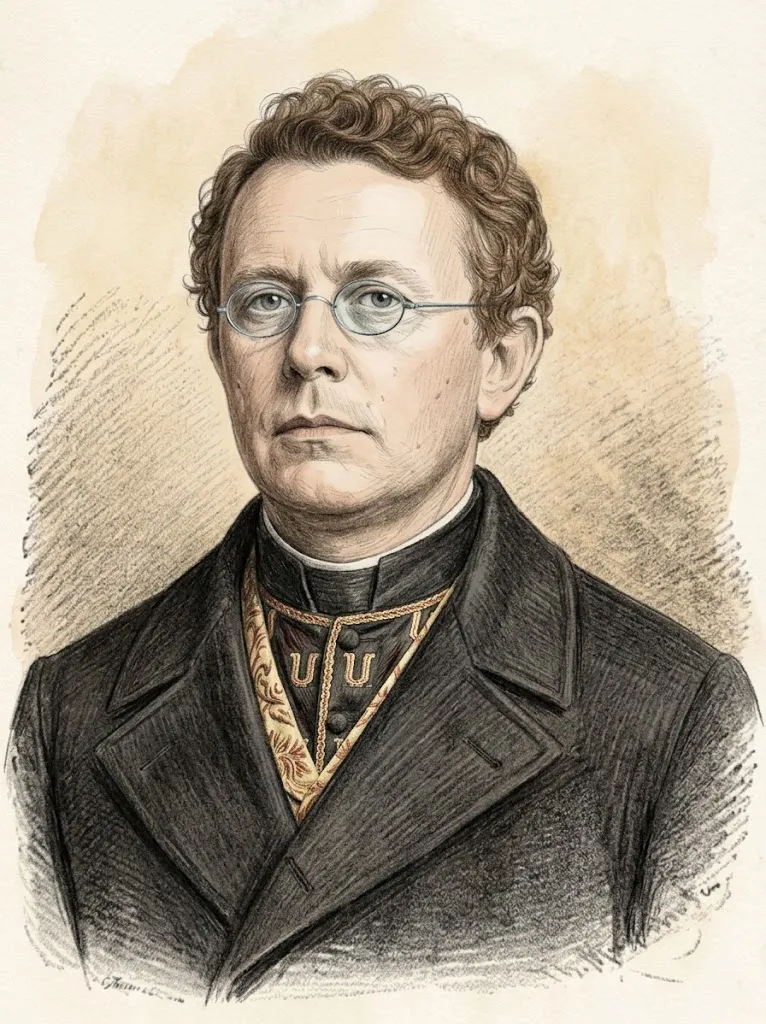
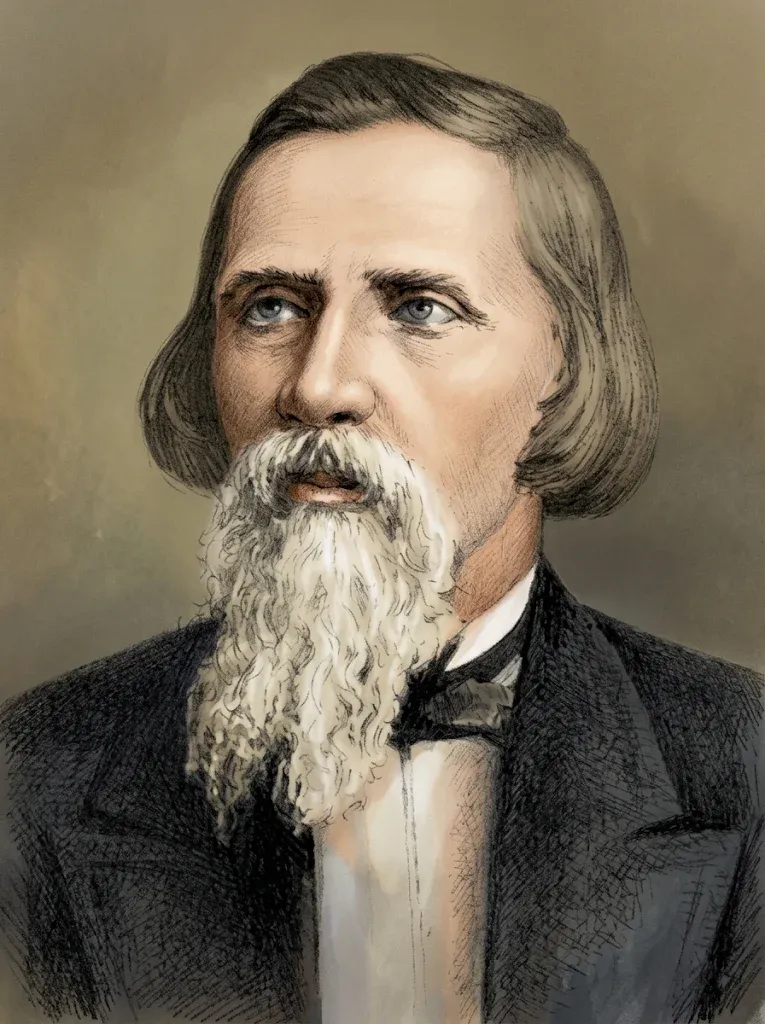
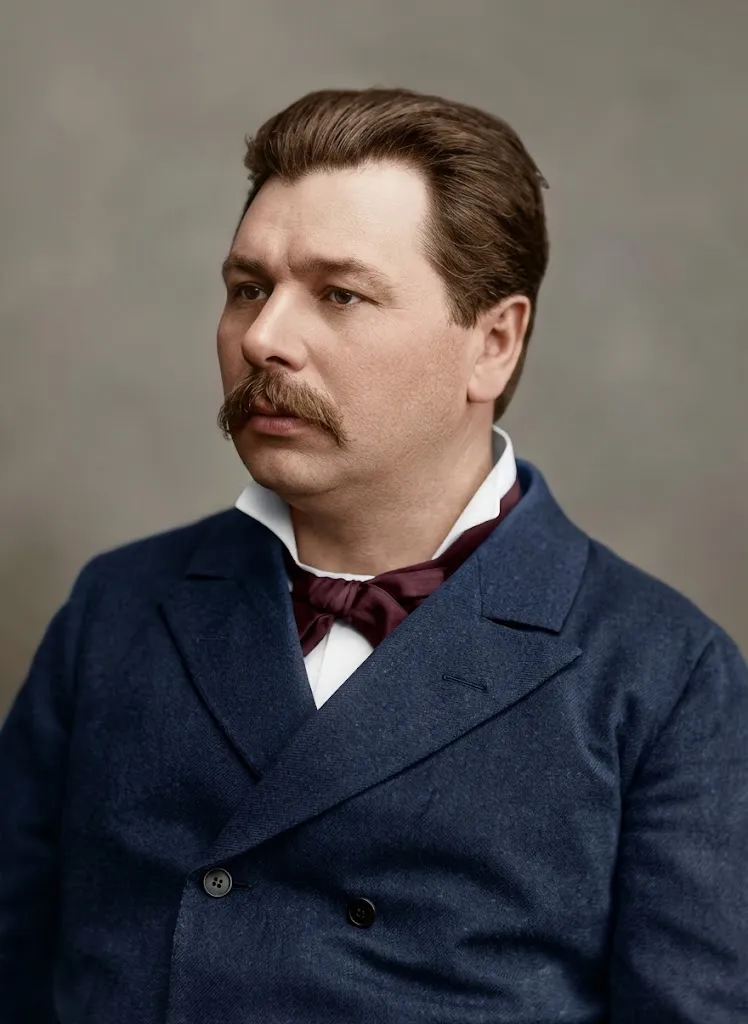
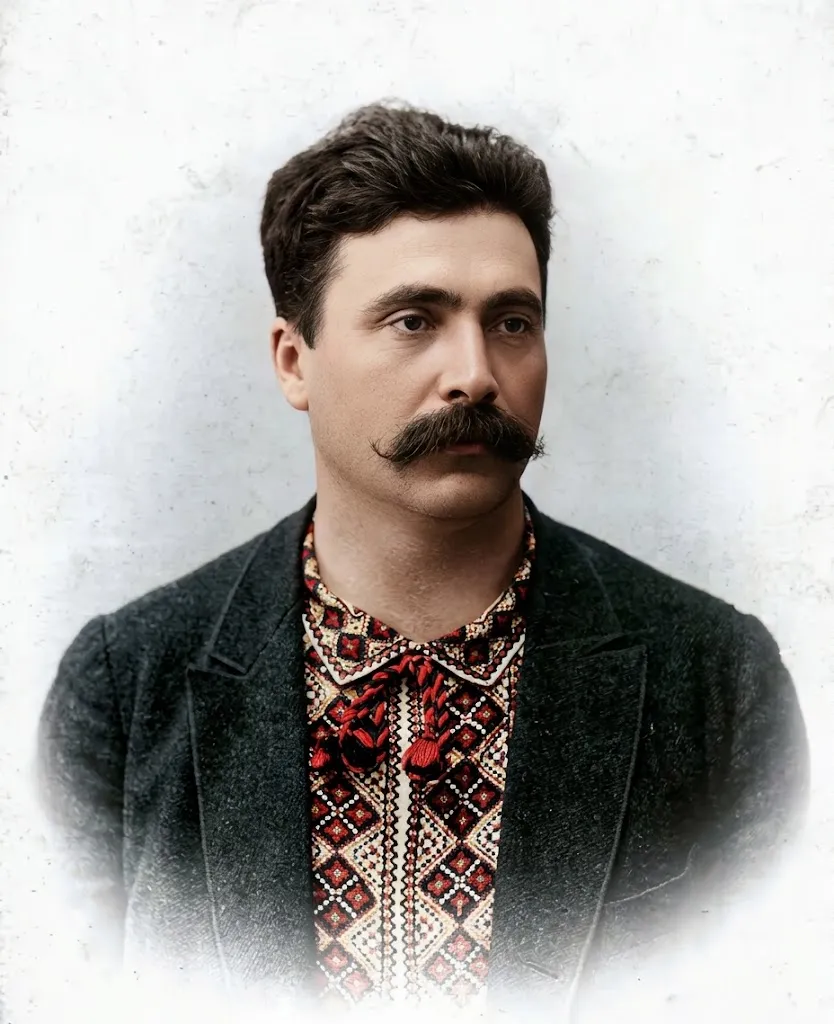
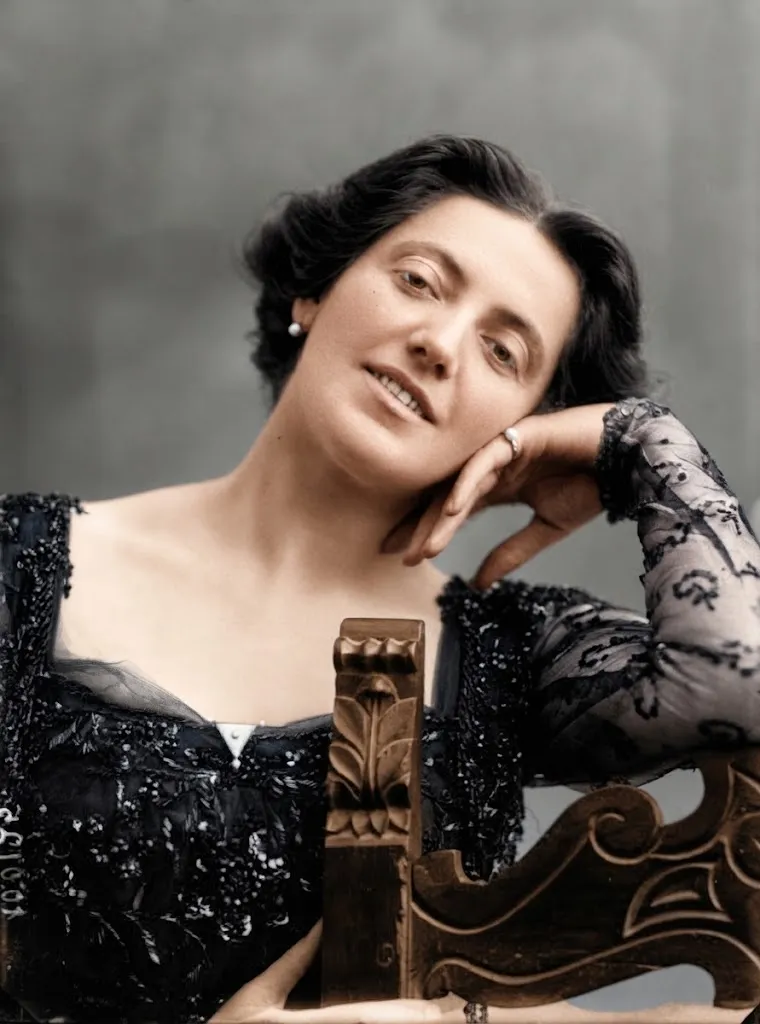
Semen Hulak-Artemovskyi
Composer and opera singer
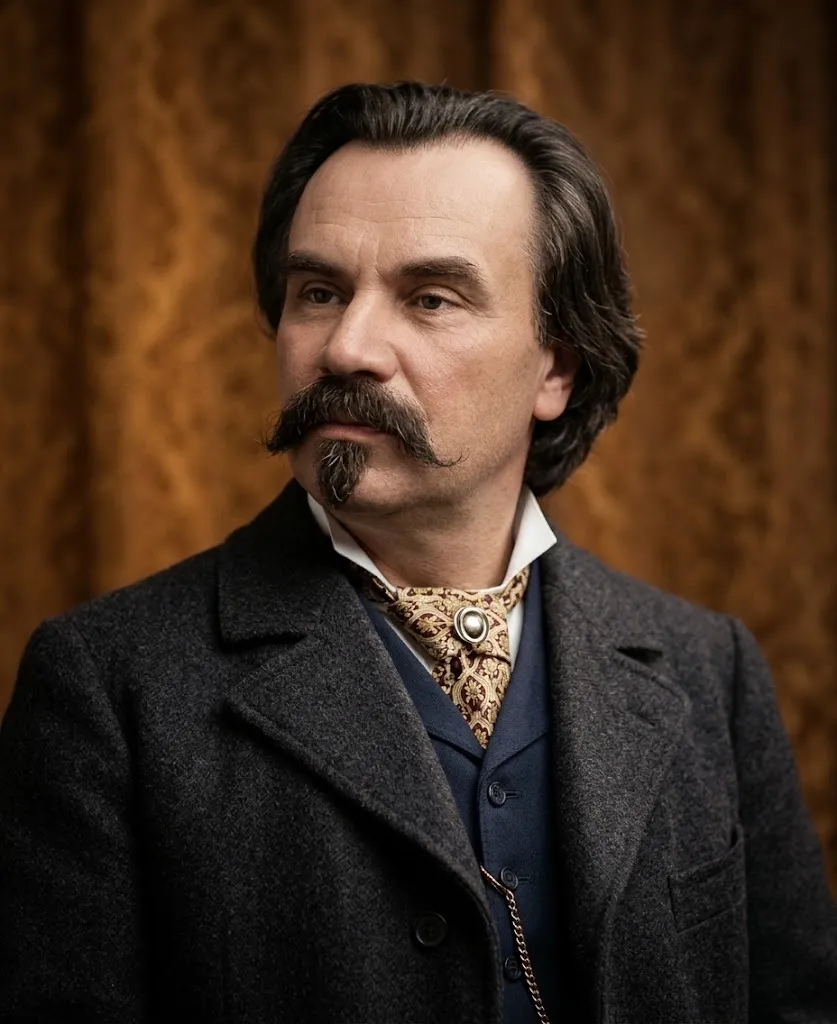
His opera was dropped from the imperial stage after a single successful season: it was "too Ukrainian". Semen Hulak-Artemovskyi, a Kyiv choirboy who became a star of the St Petersburg opera, wrote A Zaporozhian Cossack Beyond the Danube, often called the first Ukrainian opera.
Key accomplishments
- The opera A Zaporozhian Cossack Beyond the Danube (premiered in 1863 at the Mariinsky Theatre in St Petersburg), in which he sang the role of Karas himself
- Soloist of the imperial opera in St Petersburg (1842–1864), with more than 50 roles, among them Ruslan in Glinka's Ruslan and Lyudmila
- The divertissement A Ukrainian Wedding (1851) and the vaudeville Night on Ivan Kupala (1852)
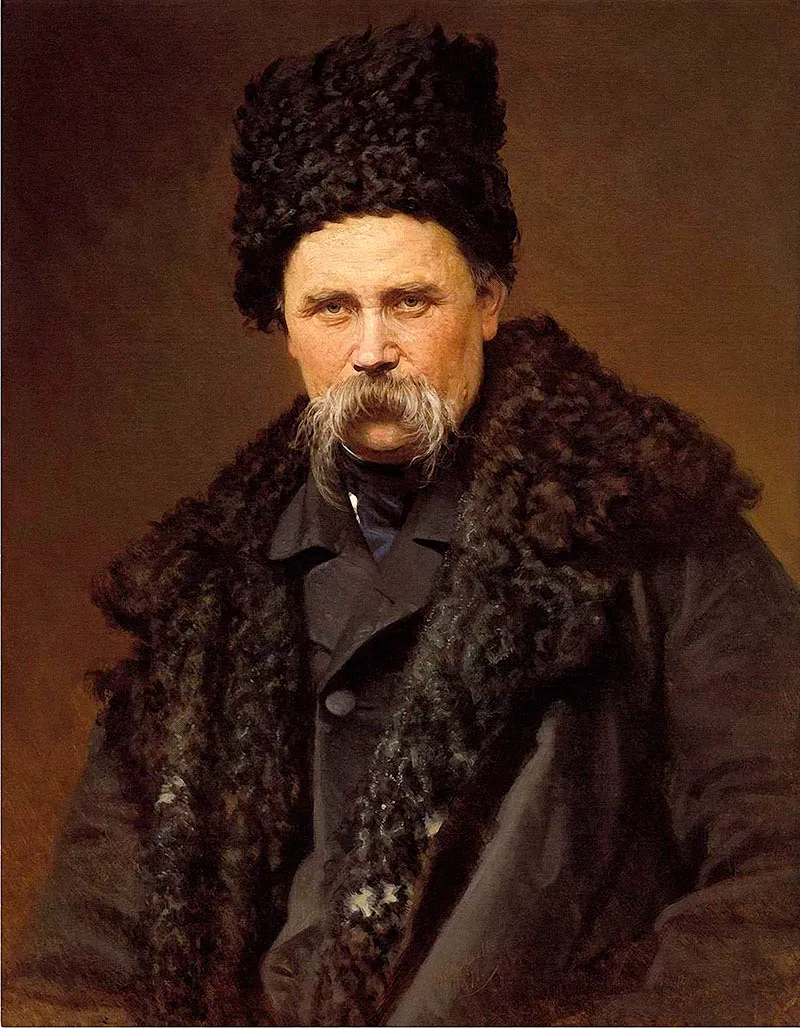
- The song Stoit yavir nad vodoiu (A Sycamore Stands by the Water), dedicated to Taras Shevchenko
- Statistical and geographical tables of the cities of the russian empire (1854)
A choirboy from Kyiv
Did you know that the author of A Zaporozhian Cossack Beyond the Danube started out in Kyiv’s church choirs? Semen Hulak-Artemovskyi was born in 1813 in Horodyshche, in the Cherkasy region, to a priest’s family. His fine voice took him into the choir of St Sophia’s Cathedral and then St Michael’s Golden-Domed Monastery, where he became a leading soloist.
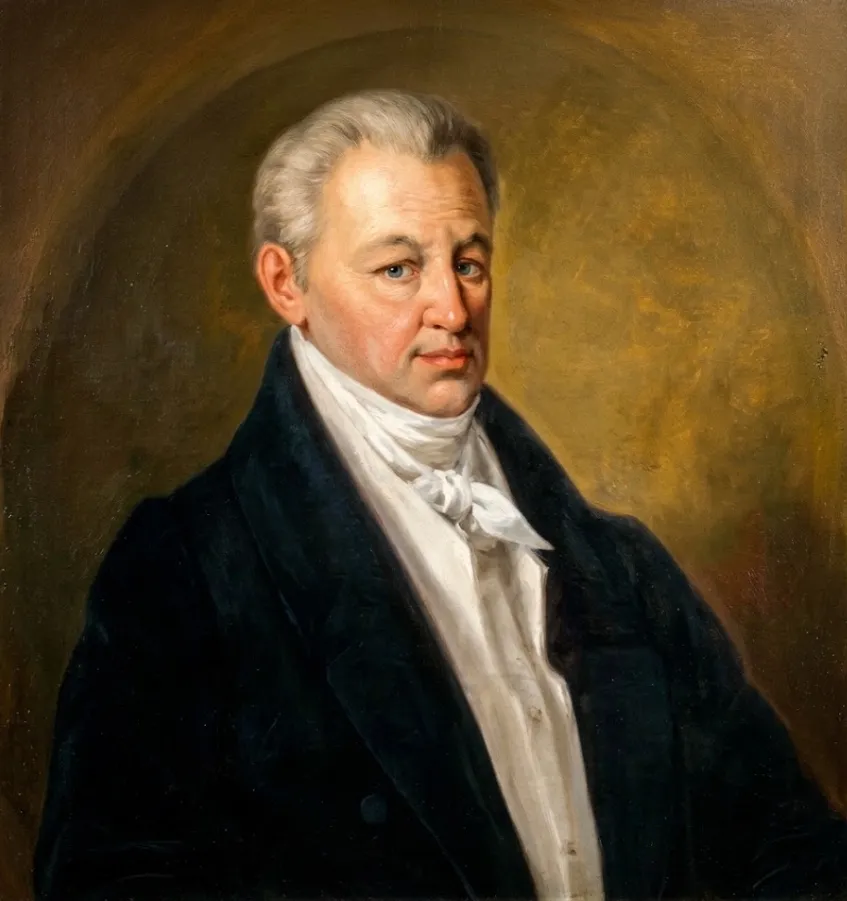
In 1838 the russian composer Mikhail Glinka came to Kyiv to find singers for the court choir in St Petersburg. He took Semen back with him and taught him himself. Patrons then paid for him to study singing in France and Italy, and he sang a season at the Florence opera.
Fifty roles
Hulak-Artemovskyi sang leading parts at the imperial opera in St Petersburg for over twenty years from 1842. He sang more than 50 roles; his breakthrough was Ruslan in Glinka’s Ruslan and Lyudmila. He also acted in Ivan Kotliarevskyi’s plays Natalka Poltavka and The Muscovite Sorcerer.
A song for a friend
Hulak-Artemovskyi became friends with Taras Shevchenko in 1838. When the poet was exiled, the singer sent him money several times and, so that Shevchenko wouldn’t refuse it, claimed he was only paying for a portrait the poet had painted for him. Hulak-Artemovskyi dedicated the song A Sycamore Stands by the Water to Shevchenko, and it became the poet’s favourite.
An opera that was “too Ukrainian”
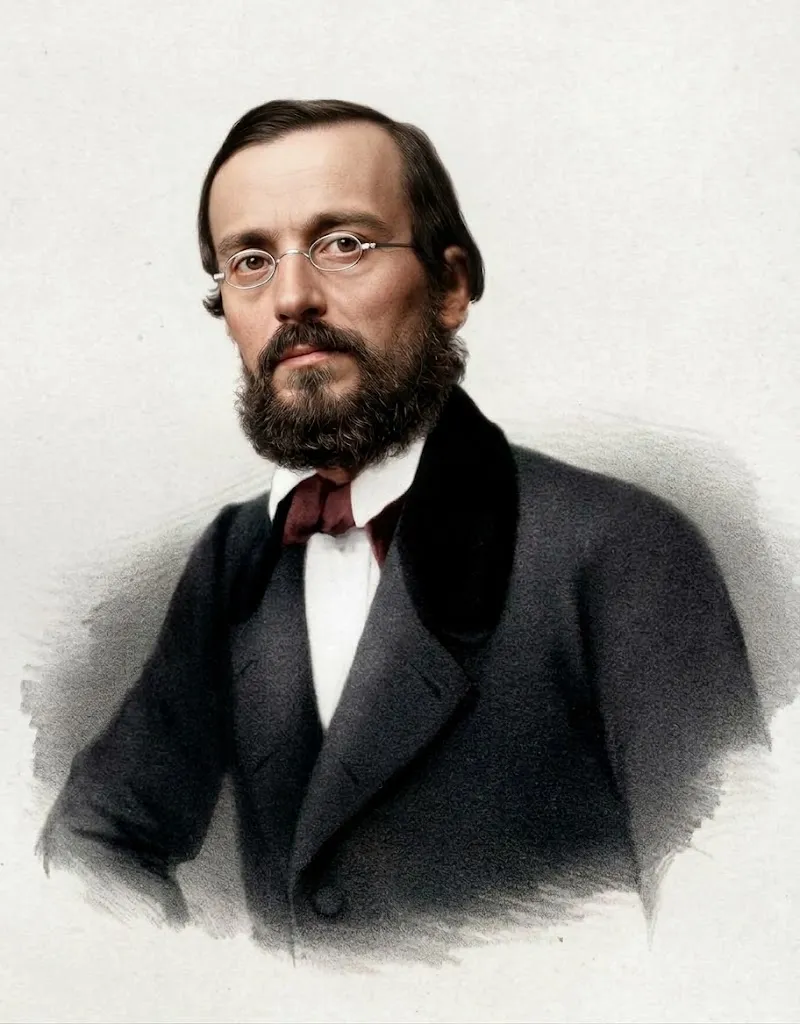
The historian Mykola Kostomarov suggested the plot: Cossacks who crossed the Danube into Turkish lands after their Sich was destroyed in 1775. A Zaporozhian Cossack Beyond the Danube premiered on 26 April 1863 at the Mariinsky Theatre in St Petersburg, with the composer himself as Karas. After one season it was dropped: for an imperial theatre it was too Ukrainian. Hulak-Artemovskyi died in Moscow in 1873, and after the Ems Decree of 1876 the opera was banned from the stage. Mykhailo Starytskyi’s company brought it back in 1884.
Why it matters today
A star of the imperial stage, Hulak-Artemovskyi still wrote an opera about Ukrainians, in Ukrainian, with Ukrainian music. Often called the first Ukrainian opera, it has stayed on stage for more than a century and a half, including at the National Opera of Ukraine. The empire turned it away for being “too Ukrainian”; audiences kept it for the same reason. A talent taken for someone else’s stage gave his own people a work that outlived that empire.