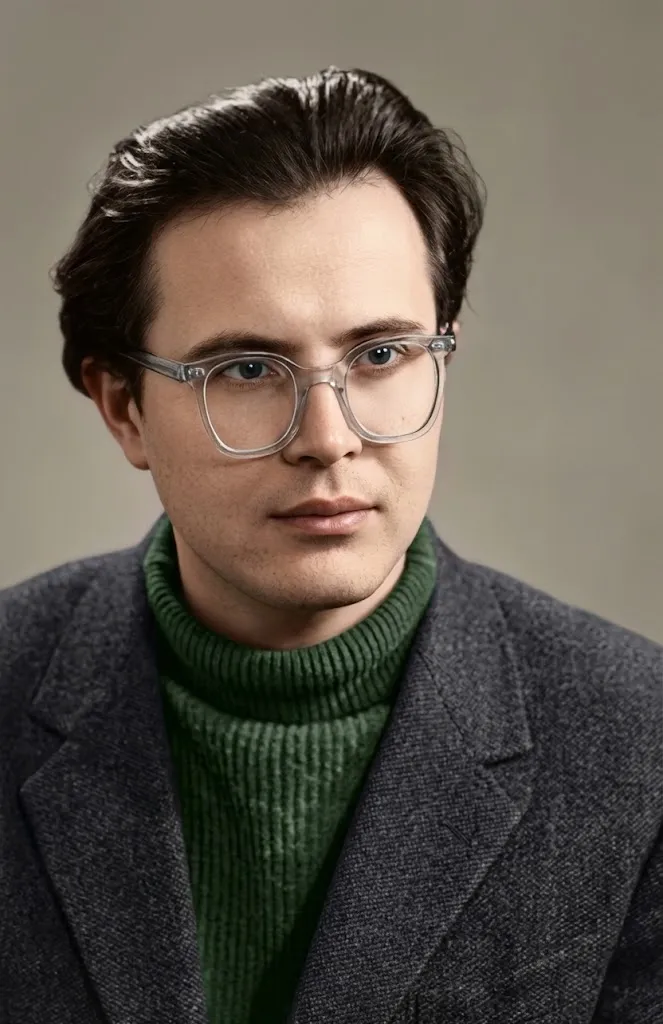
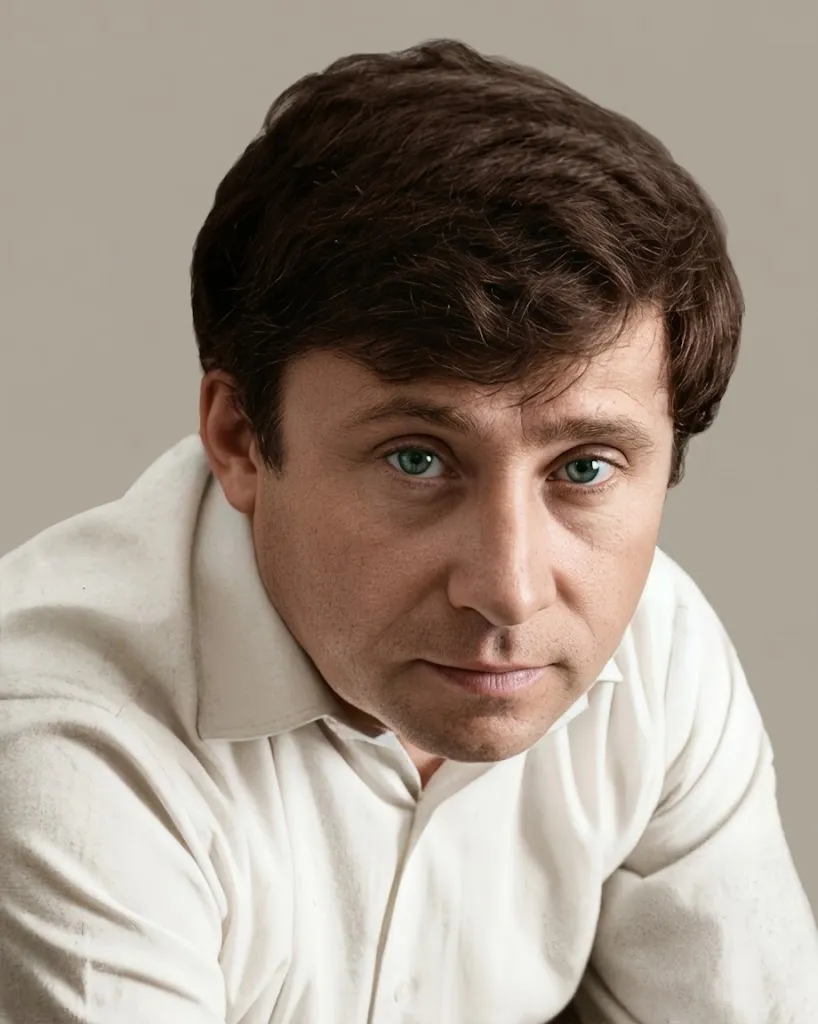
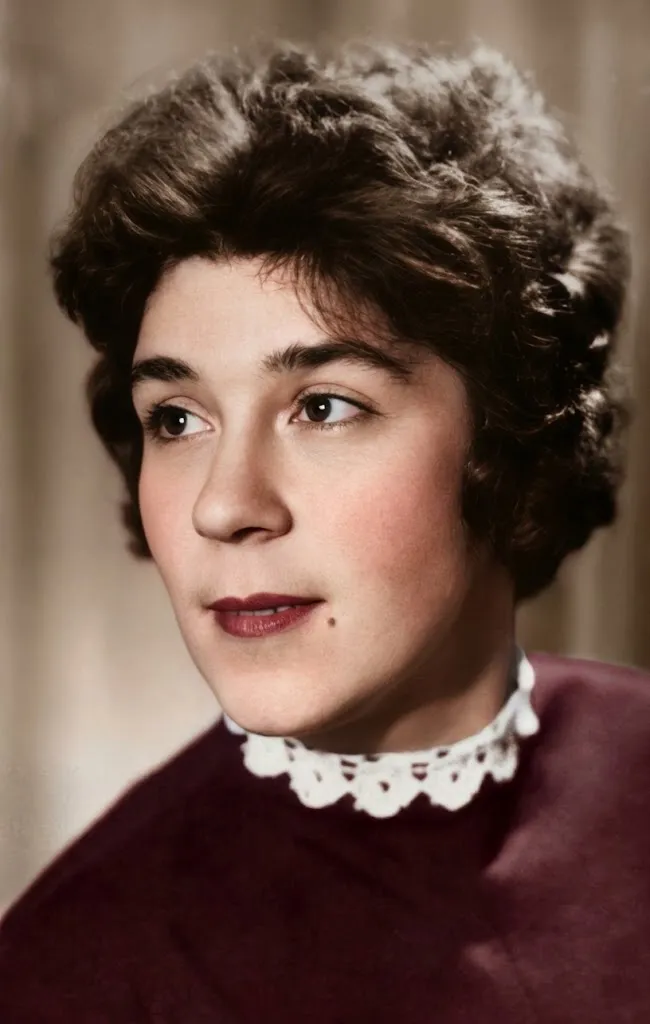
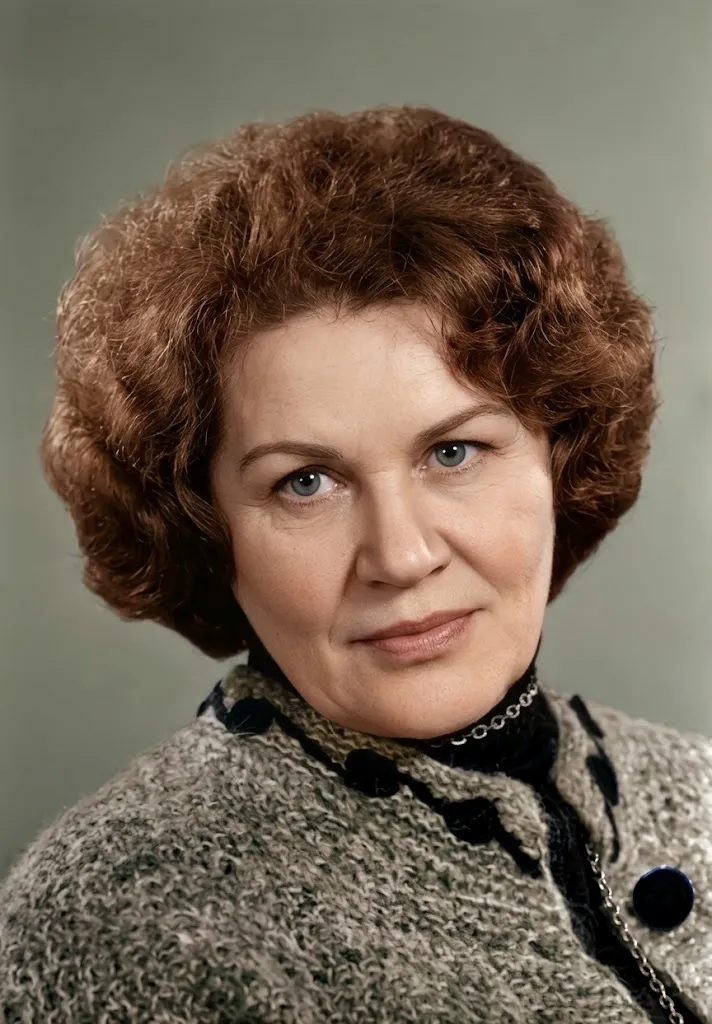
1931–1980
Hryhir Tiutiunnyk
Short-story writer of the Sixtiers
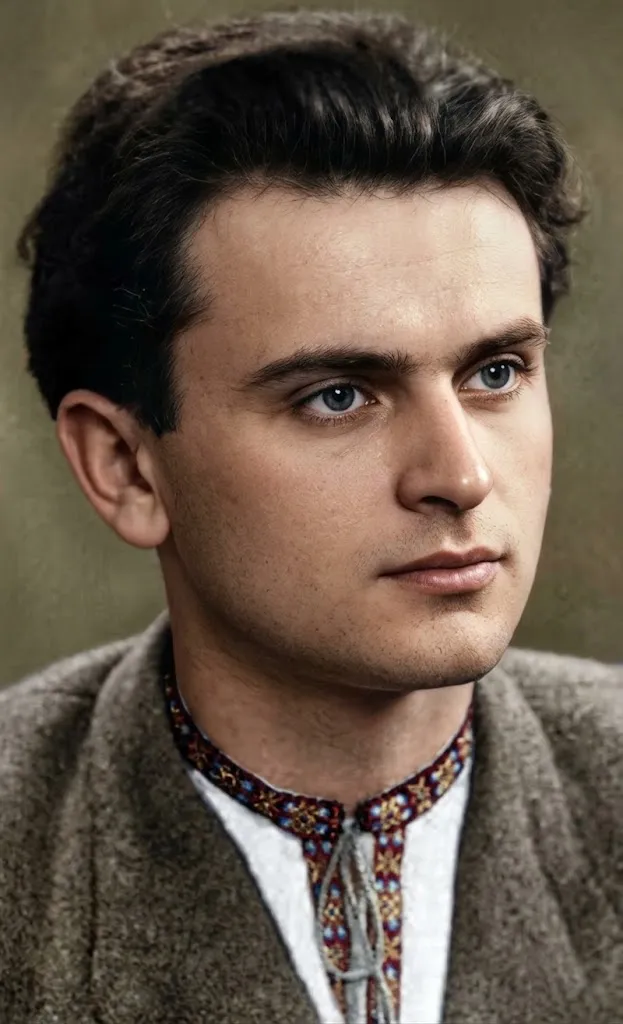
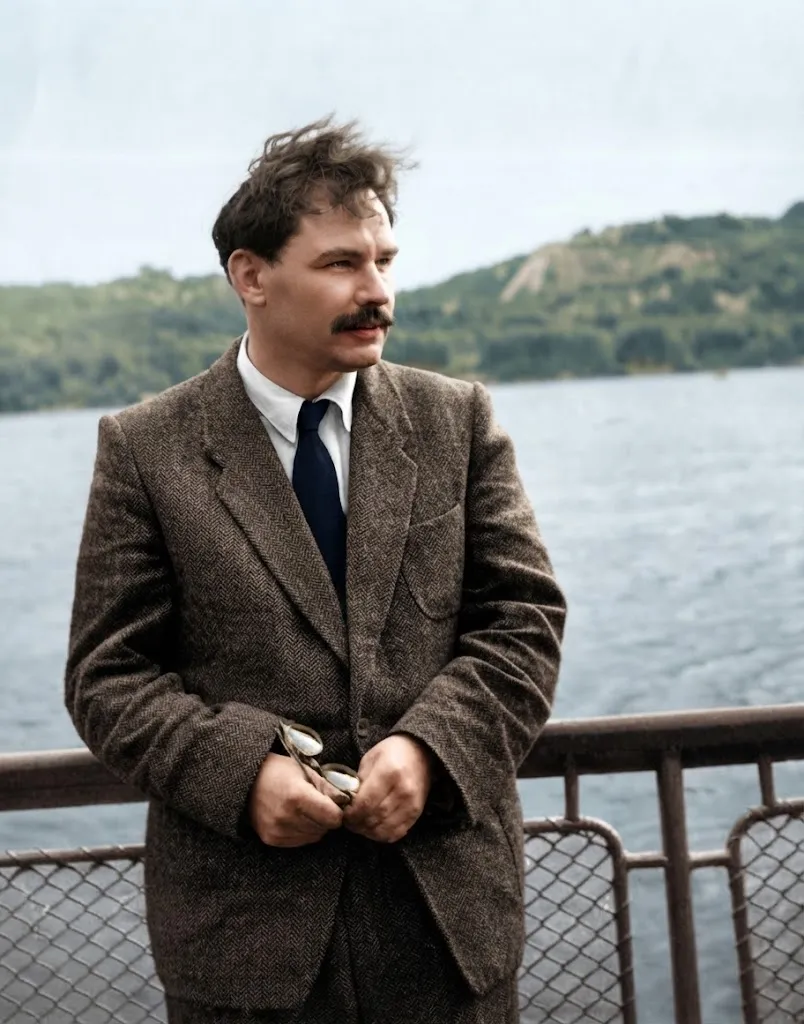
His first story was published in russian, yet he became one of the most prominent Ukrainian prose writers of the Sixtiers. Hryhir Tiutiunnyk wrote stories of village life full of humour and a rare feel for the language, though he was printed reluctantly and harshly attacked.
Key accomplishments
- The story collections Zaviaz (1968), Derevii (1969), Batkivski Porohy (1972), Krainebo (1975) and Korinnia (1978)
- The children’s novellas Klymko (1976) and A Light Far in the Steppe (1979); the Lesia Ukrainka Prize (1980)
- Film adaptation of Klymko (1983)
- Posthumously awarded the Taras Shevchenko State Prize of the Ukrainian SSR (1989)
Language is the soul of a people
Hryhir Tiutiunnyk’s first story came out in 1961, in russian. He wrote in russian to his brother too: the writer Hryhorii Tiutiunnyk, author of the popular novel The Whirlpool. His brother taught him to work on every sentence and cut the words he didn’t need, and kept telling him: “Just know, little brother, language is the soul of a people.” Hryhir listened, and wrote everything after that in Ukrainian.
Fitter, radio operator, teacher
He was born in 1931 in the village of Shylivka in the Poltava region. In 1937 his father fell victim to the Soviet repressions. As a teenager Hryhir trained as a fitter and worked at a factory in Kharkiv, on a collective farm and on a building site in the Donetsk region, and from 1951 to 1955 he served as a radio operator in the navy. Then he finished evening school and Kharkiv University, and taught at an evening school in the Luhansk region.
Stories the critics disliked
After moving to Kyiv, Tiutiunnyk worked for editorial offices and a film studio, and published the collections Zaviaz, Derevii, Batkivski Porohy and Krainebo. His stories of the modern village stood out for their vivid everyday detail, their knowledge of how people speak and think, and their juicy humour. He translated too, among others Vasyl Shukshin and Rudolf Erich Raspe, the author of the tales of Baron Munchausen. He is counted among the most prominent prose writers of the Sixtiers, together with Volodymyr Drozd and Yevhen Hutsalo: their prose was free of the rules of socialist realism.
Yet Tiutiunnyk was printed reluctantly, and every new work was harshly attacked. Some were never published in his lifetime. For children he wrote the novellas Klymko and A Light Far in the Steppe, which won him the Lesia Ukrainka Prize in 1980.
Hounded and driven to despair, Hryhir Tiutiunnyk took his own life in Kyiv on the night of 5 to 6 March 1980. He was 48. His novella The Life of Artem Bezvikonnyi remained unfinished, and in 1989 he was posthumously awarded the Shevchenko Prize.
Why it matters today
Hryhir Tiutiunnyk began with stories in russian and became one of the masters of the Ukrainian short story, because he understood that a people’s soul can only be conveyed in its own language. His stories preserved the living speech and the characters of the Ukrainian village he knew from the inside. He wrote the truth about people even when he was harshly attacked for it. His life shows that it is never too late to return to your own language, and that it can be what makes a writer great.