b. 1930
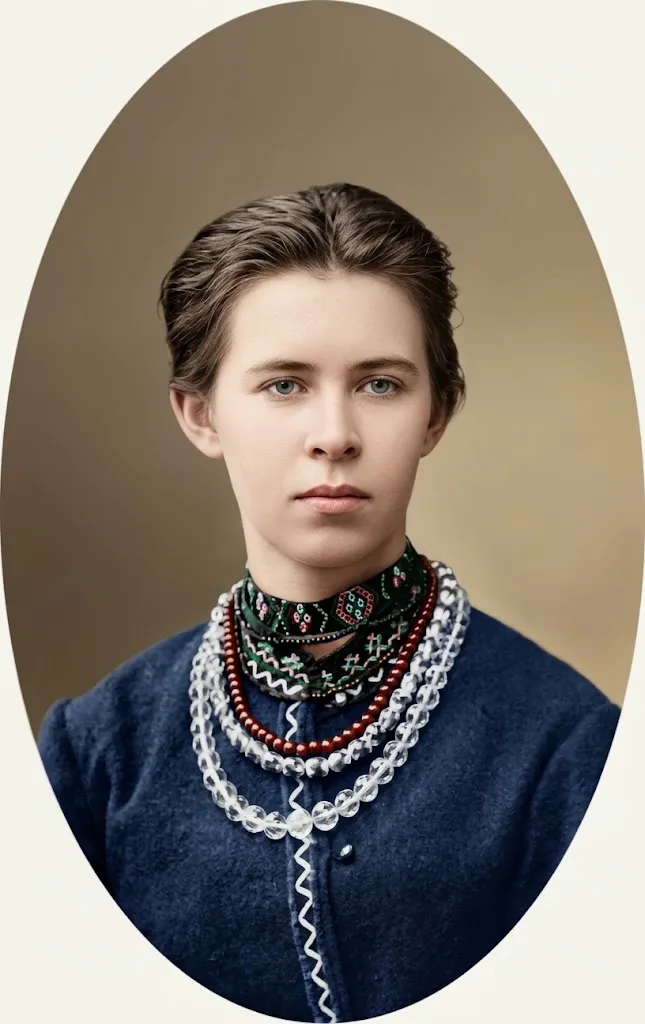
Lina Kostenko
Poet of the Sixtiers
Sixteen years between two books: that is how long Soviet censors kept Lina Kostenko, one of the earliest Sixtiers, out of print. They failed to silence her: her novel in verse Marusia Churai later won her the Shevchenko Prize.
Key accomplishments
- The collections Rays of the Earth (1957), Sails (1958) and Wanderings of the Heart (1961)
- The historical novel in verse Marusia Churai (1979) and the Shevchenko Prize (1987)
- The novel in verse Berestechko, written mostly in the late 1960s and published in 1999
- The novel Notes of a Ukrainian Madman (2011)
Sixteen years of silence
In 1961 Lina Kostenko published the collection Wanderings of the Heart. Her next book did not appear until 1977. What happened in between?
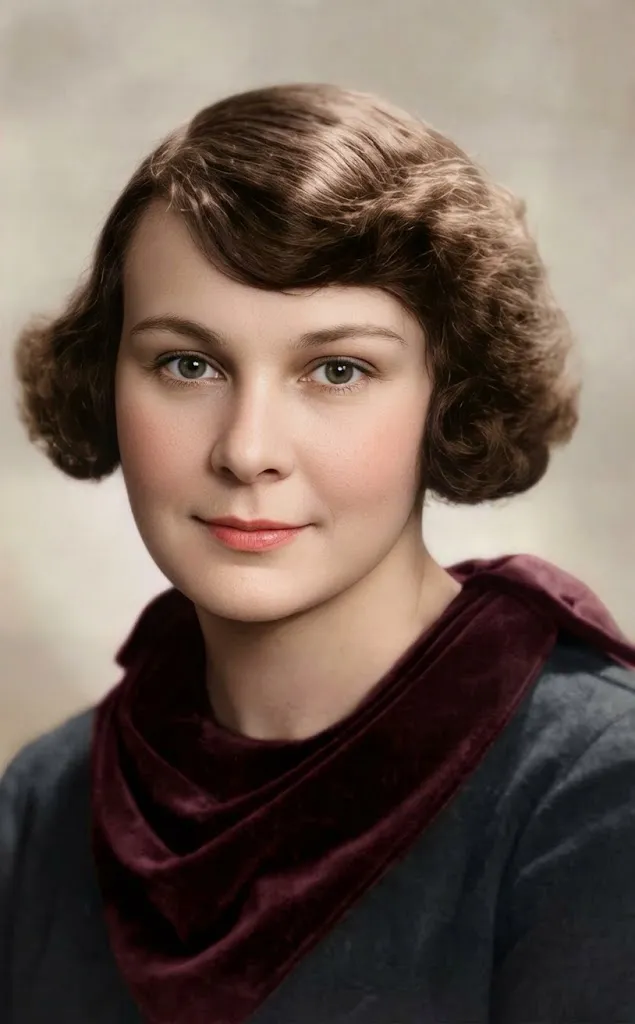
Kostenko was born in 1930 in Rzhyshchiv in the Kyiv region into a family of teachers, and from 1936 she lived in Kyiv. She published her first poems in 1946, studied at the Kyiv Pedagogical Institute and then, in 1952–1956, at the Literary Institute in Moscow. Her collections Rays of the Earth (1957), Sails (1958) and Wanderings of the Heart quickly found readers. She is called one of the earliest of the Sixtiers, the writers who made their name during the Khrushchev “thaw.”
A poet under a ban
In 1963 Andrii Skaba, a secretary of the Central Committee of the Communist Party of Ukraine, accused her of “ideological vagueness.” Her finished collections The Stellar Integral and The Princely Mountain were pulled from production, and for years her poems were not published. In 1965 and 1968 Kostenko signed open letters against the arrests and closed trials of Ukrainian intellectuals.
Only in 1977 did On the Banks of the Eternal River come out. It was followed by the historical novel in verse Marusia Churai (1979), about a legendary Cossack woman songwriter. For it and the collection Uniqueness, she received the Shevchenko Prize in 1987. The novel in verse Berestechko, most of it written back in the late 1960s, was published only in 1999. After the Chornobyl disaster Kostenko gave much of her time to preserving the heritage of the Chornobyl region, and in 2011 her prose novel Notes of a Ukrainian Madman came out.
Why it matters today
Lina Kostenko’s life shows that an honest word can be silenced for years but not destroyed. Her lines from Berestechko, “For only nations revealed in the Word can live with dignity on earth,” remind us that language and literature are part of a people’s freedom.