1918–1995
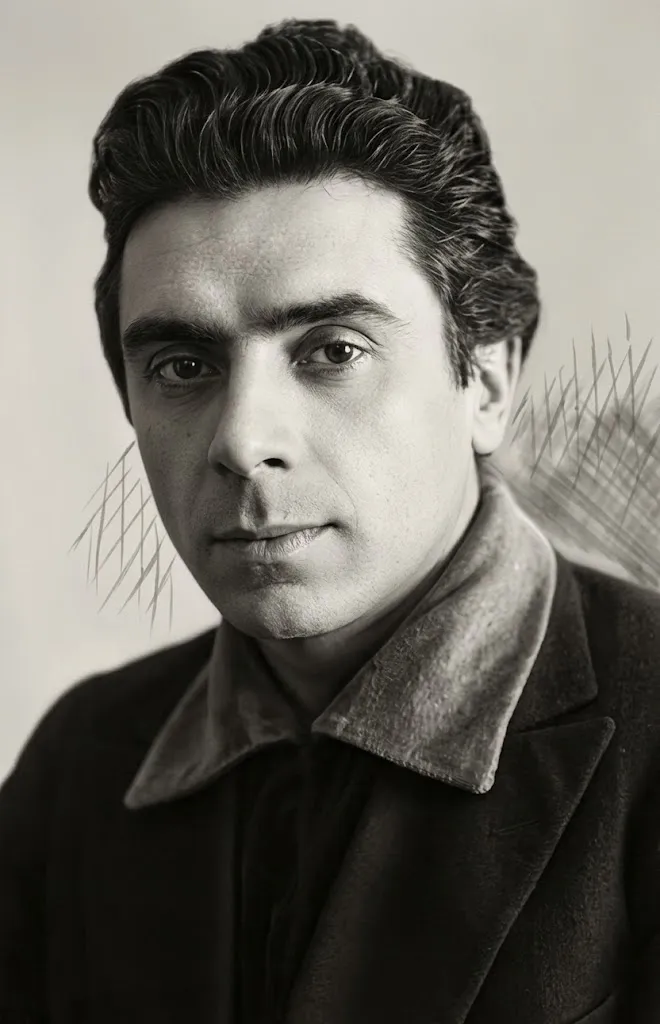
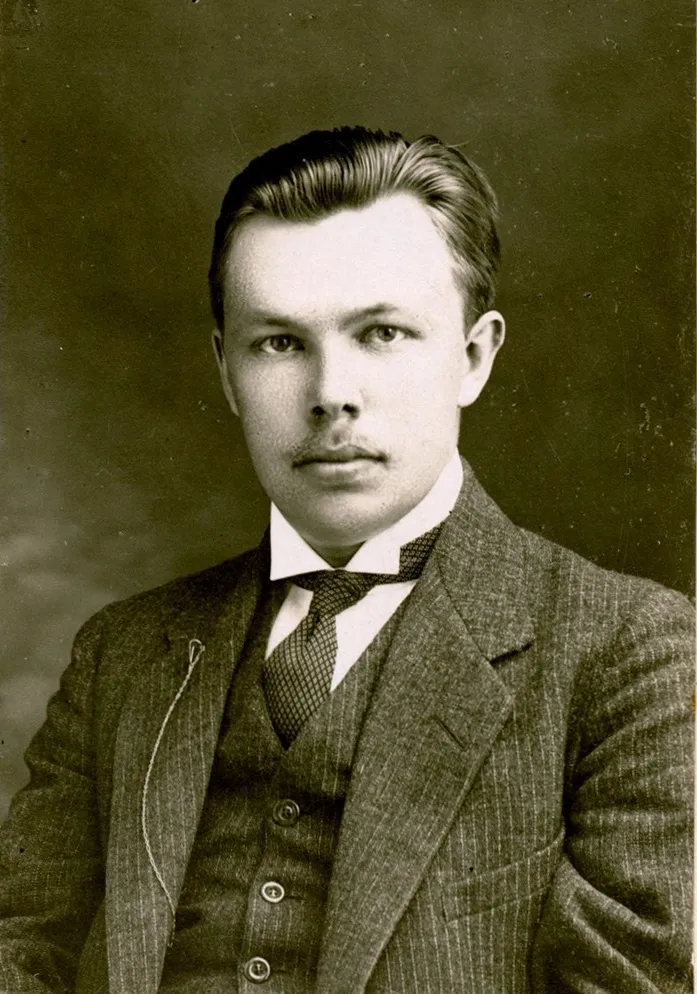
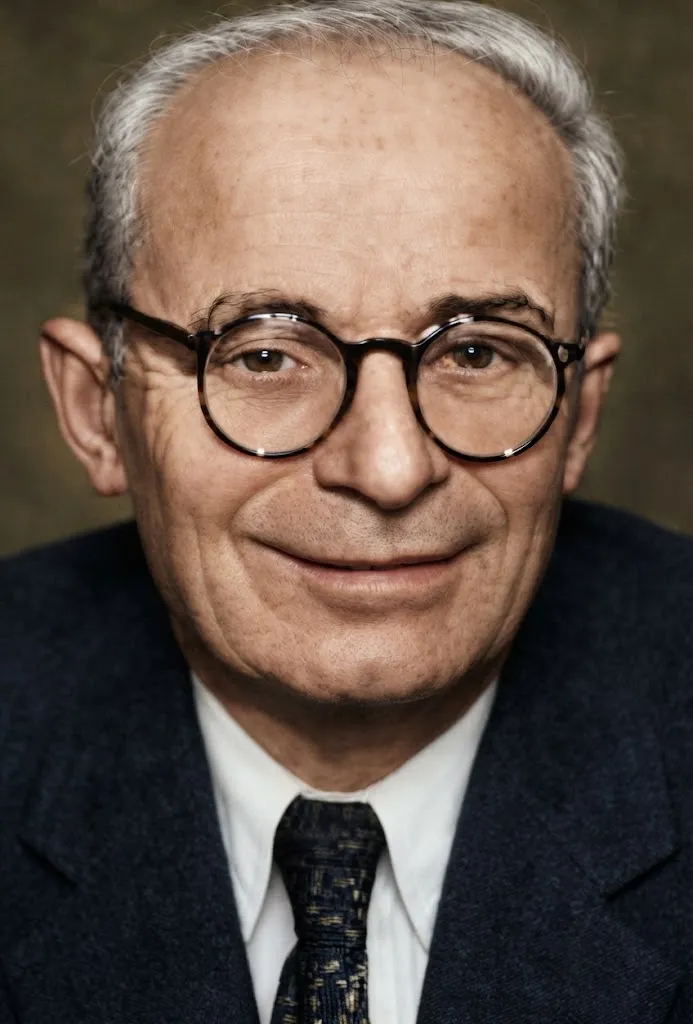
Oles Honchar
Writer, author of The Cathedral
Readers welcomed his novel The Cathedral, and the authorities pulled it out of literary life for 20 years. Oles Honchar, a war veteran and long-time head of the Writers’ Union, stood up for the Ukrainian language and culture.
Key accomplishments
- The trilogy The Standard-Bearers (1946–1948), about the Second World War
- The novels Man and Arms (1960), The Sheep Bell (1963), The Cathedral (1968) and The Cyclone (1970)
- Head of the board of the Writers’ Union of Ukraine (1959–1971); member of the Academy of Sciences of the Ukrainian SSR (1978)
- Posthumously awarded the title Hero of Ukraine (2005)
The cathedral that scared the authorities
In 1968 Oles Honchar published his novel The Cathedral. In it, an old cathedral stood for a people’s historical memory, and that did not fit Soviet ideology. Readers welcomed the book, but official critics condemned it, and for 20 years The Cathedral was pulled out of literary life.
A student who went to war
Honchar was born in 1918. His birthplace is given either as the village of Sukha in the Poltava region, where his grandparents raised him, or as Lomivka near Katerynoslav (now Dnipro). He studied at the Kharkiv journalism college and Kharkiv University. In 1941 he volunteered for the front with a student battalion, was wounded twice and was held in the camp at Kholodna Hora in Kharkiv. After the war he graduated from Dnipropetrovsk University.
From The Standard-Bearers to The Sheep Bell
Honchar made his name with The Standard-Bearers (1946–1948), a trilogy about the war that won Stalin Prizes. Then came the novels Man and Arms (Shevchenko Prize), The Sheep Bell (Lenin Prize), The Cyclone, The Shore of Love and Your Dawn. Encyclopedias judge his work differently: some of his books are placed in the socialist realist canon, while from the 1960s critics note a gradual move away from it.
From 1959 to 1971 Honchar headed the Writers’ Union of Ukraine. He spoke out against Russification, and later he led the fund to rebuild St Michael’s Golden-Domed Monastery. He died in Kyiv in 1995 and was buried at Baikove Cemetery.
Why it matters today
Honchar is one of the best-known Ukrainian prose writers of the 20th century, and his books have been translated into many languages. His standing gave support to Ukraine’s democratic forces as the country restored its statehood. His Diaries, published after his death, revealed his national convictions and his careful resistance to dogmatic socialist realism.