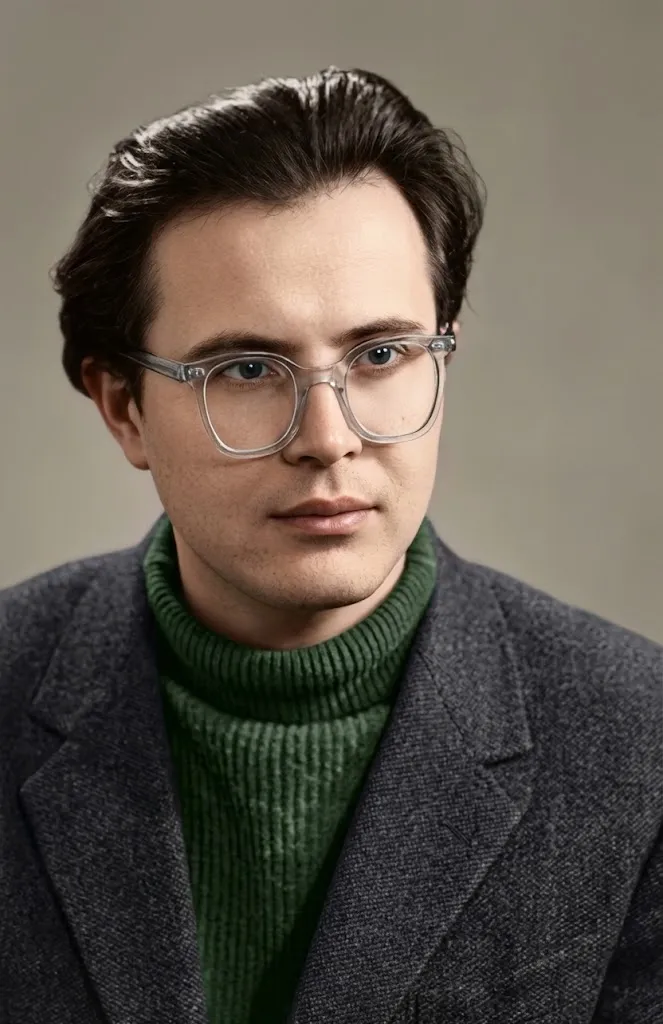
1929–1992
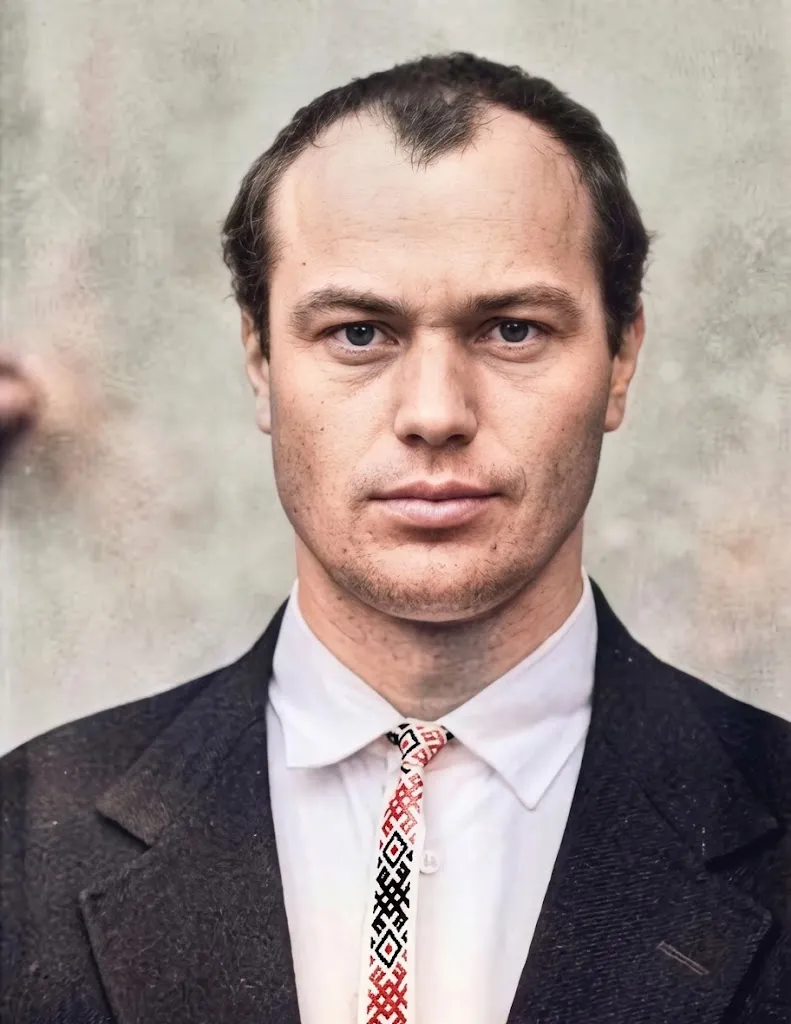
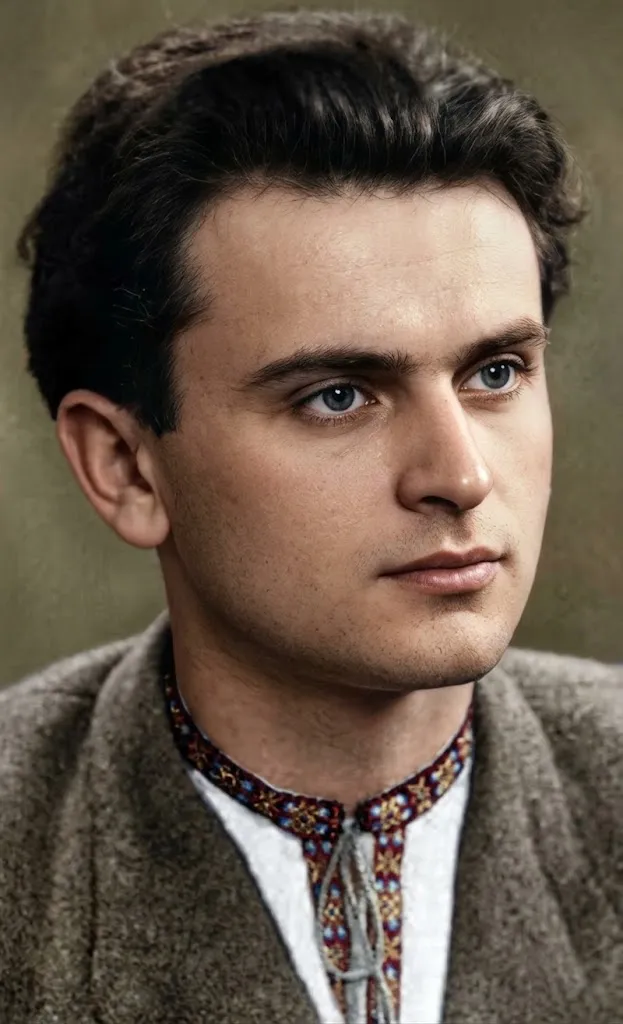
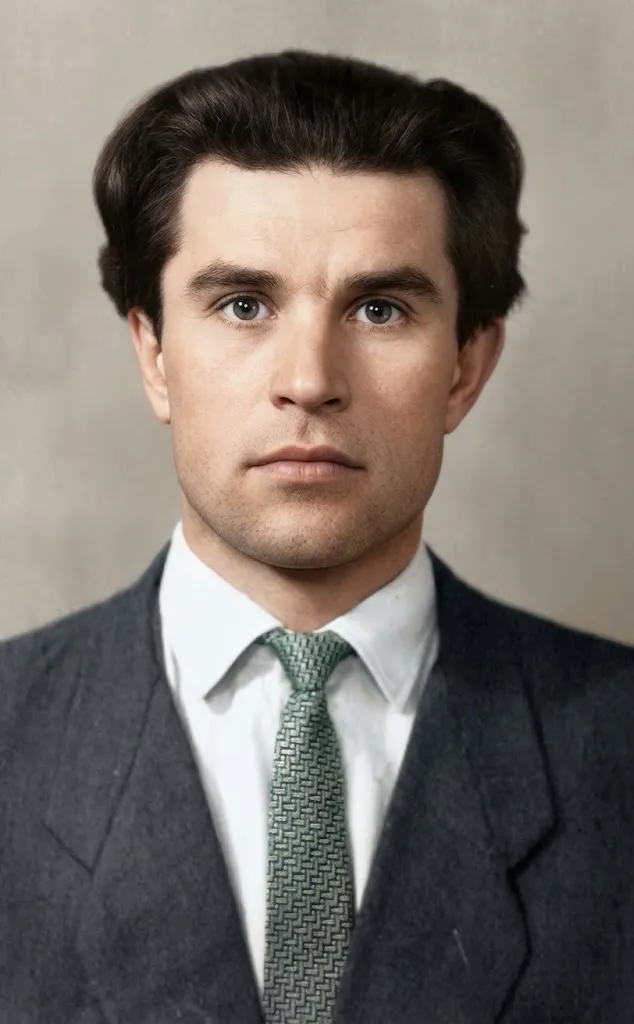
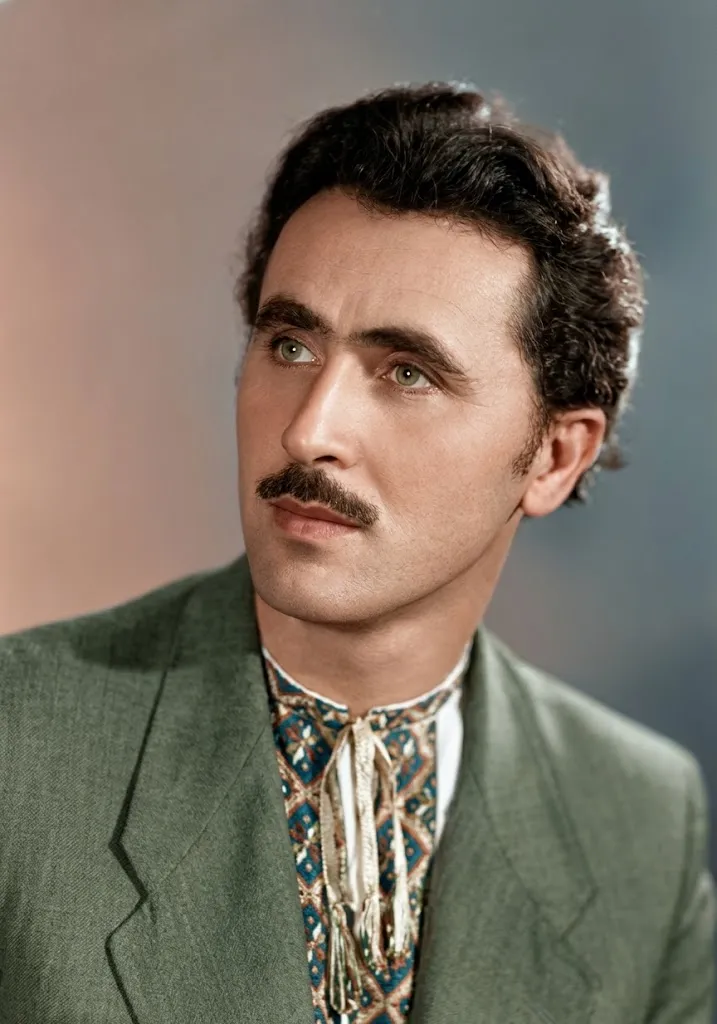
Ivan Svitlychnyi
Sixtiers literary critic and poet
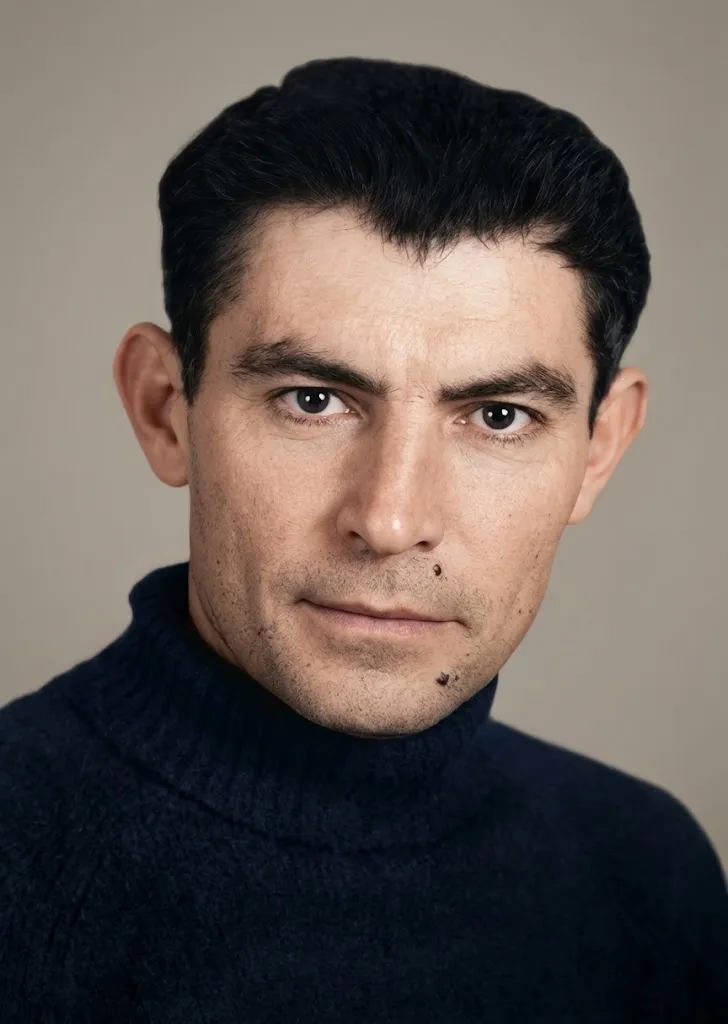
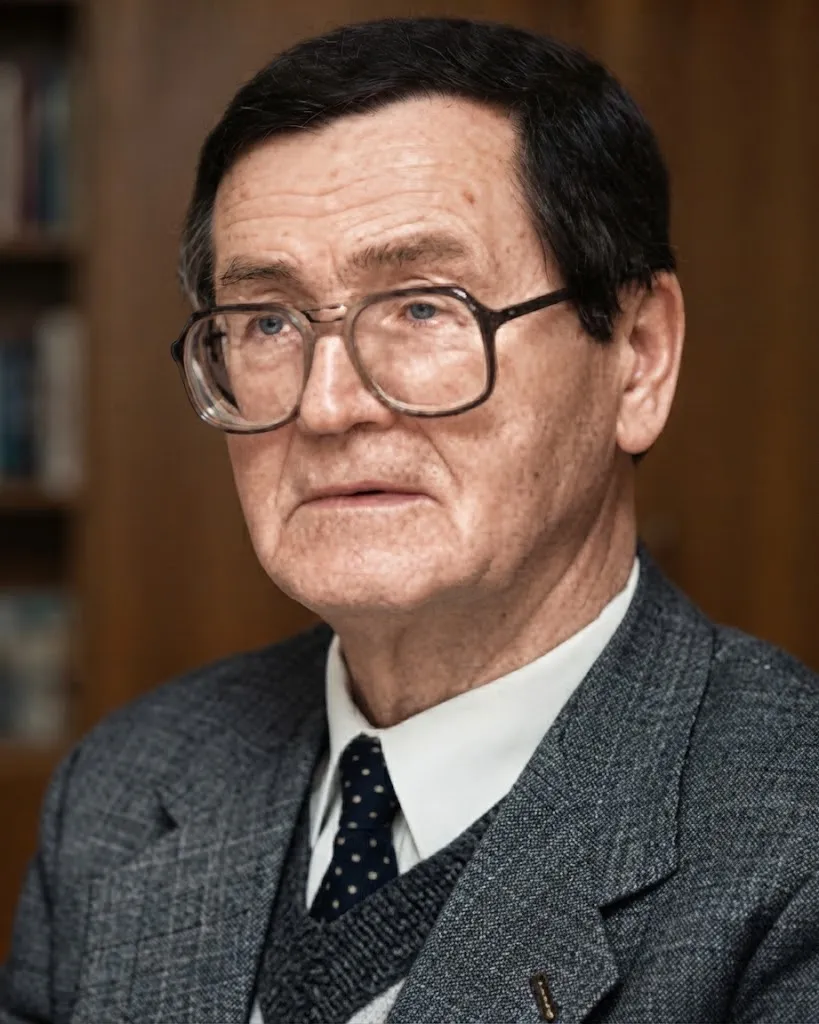
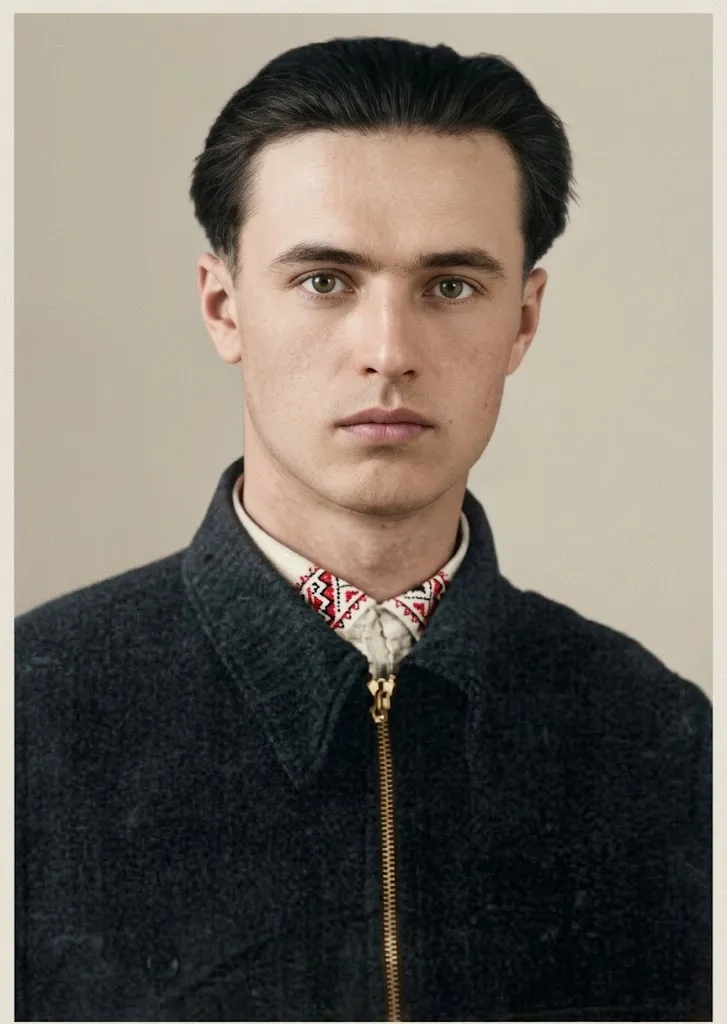
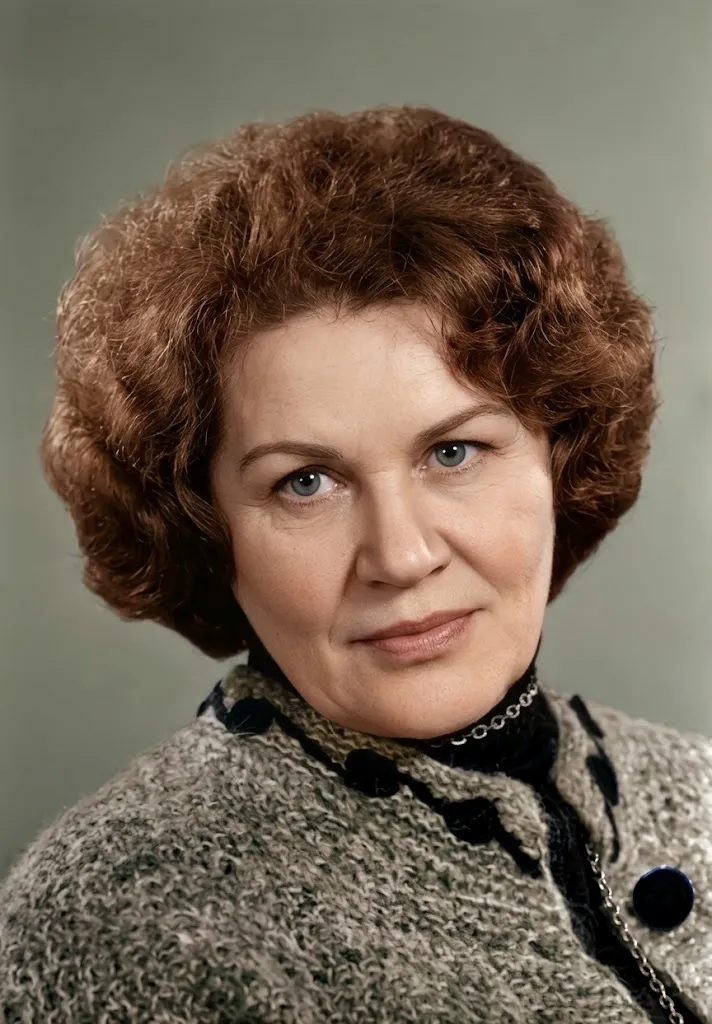
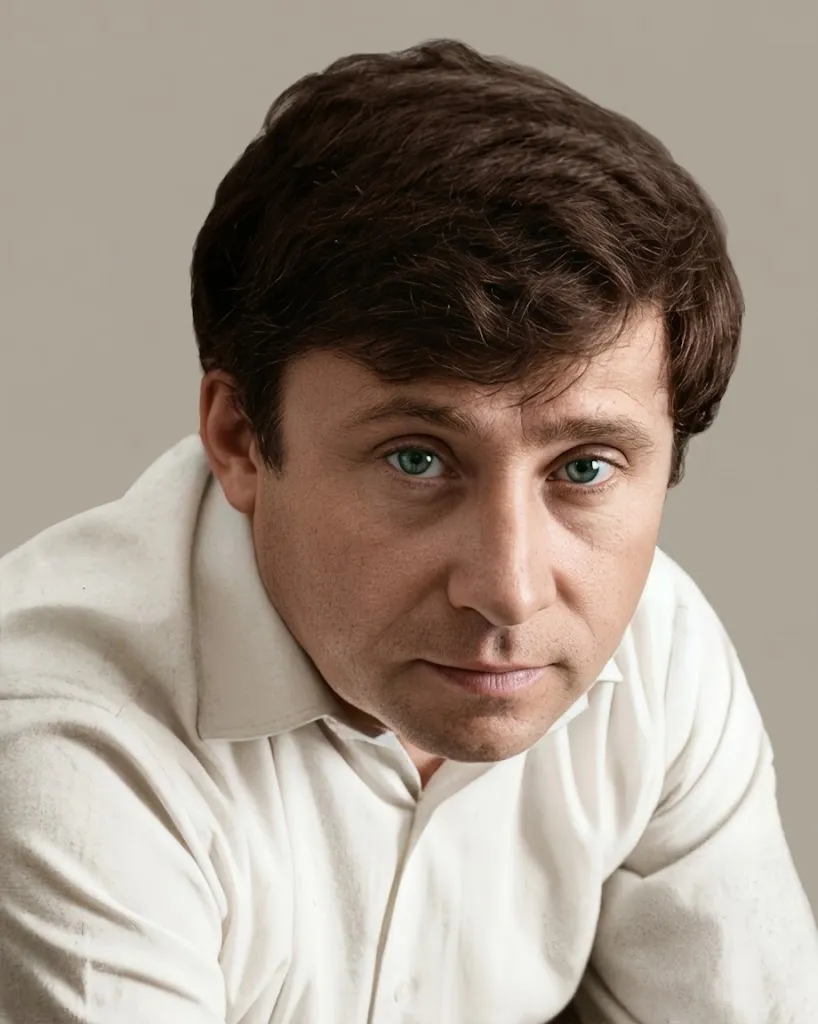
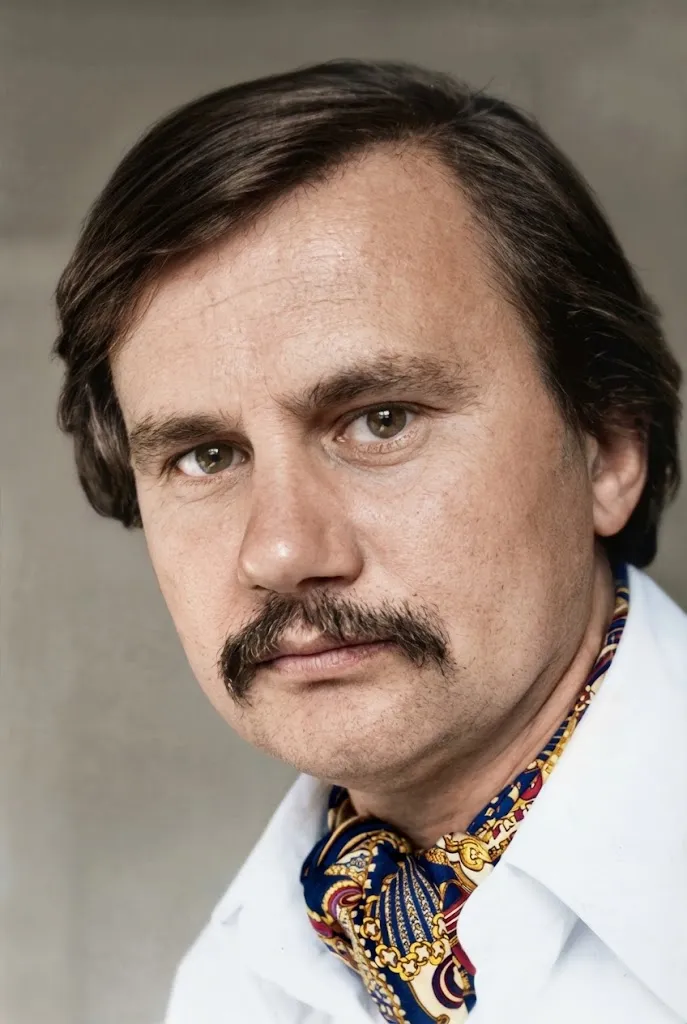
Stus, Symonenko, Drach and Horska all gathered in his small flat on Umanska Street in Kyiv. Ivan Svitlychnyi, a critic, poet and translator, was one of the leaders of the Sixtiers, and it cost him more than 11 years in prison, labour camps and exile.
Key accomplishments
- His flat at 35 Umanska Street, an unofficial Club of Creative Youth for the Sixtiers; a co-founder of the Club of Creative Youth in Kyiv
- Critical essays and the book Artistic Method (1962); translations from French, Czech and Polish; a translation of The Tale of Ihor’s Campaign
- The poetry collection A Heart for Bullets and Rhymes (1990)
- The Vasyl Stus Literary Prize (1989)
- Posthumously awarded the Shevchenko National Prize (1994)
The flat on Umanska Street
A small, modest flat in Kyiv, at 35 Umanska Street. In the early 1960s it was a second home to Vasyl Stus and Vasyl Symonenko, Ivan Dziuba and Ivan Drach, Alla Horska, Lina Kostenko and Mykola Vinhranovskyi, Yevhen Sverstiuk and Mykhailyna Kotsiubynska. The hosts, Ivan and Leonida Svitlychnyi, offered their guests not just talk but a piece of bread, and often a bed for the night. The flat became an unofficial Club of Creative Youth. Ivan recorded young poets on a “Vesna” tape recorder he had bought with his last money, which is how Symonenko’s voice reading his poem “The Thief” survives. The literary scholar Roman Korohodskyi called Svitlychnyi “the gardener”.
Despite the war
Ivan Svitlychnyi was born in 1929 into a family of collective farmers in the village of Polovynkyne in the Luhansk region (now Tolokivka). In 1943, during the war, 14-year-old Ivan and other teenagers tried to blow up Nazi vehicles with a homemade explosive. It went off in his hands, and the boy lost the fingers of both hands. Even so, he learned to write, finished school with a gold medal and went on to Kharkiv University. In Kyiv he worked at academic institutes and on the staff of literary journals, wrote criticism and translated Baudelaire, Béranger and La Fontaine.
Two arrests
Svitlychnyi spread samvydav: texts retyped and passed from hand to hand to get around the censors. On 30 August 1965 he was arrested, among other things for sending Symonenko’s writings abroad. He was released eight months later, but he could never again find work in his field. Stus wrote the poem “I cannot without Ivan’s smile” under the impression of this arrest.
On 12 January 1972 Svitlychnyi was arrested again, for “anti-Soviet agitation and propaganda”. The sentence: 7 years in strict-regime camps and 5 years of exile. In the camps of the Perm region he was one of the leaders of the prisoners’ resistance, and fellow political prisoners called him “the conscience of the camp”. In autumn 1974 he was taken out of the camp on the 56th day of a hunger strike, weighing just 44 kilograms. In his letters to his wife, a hunger strike was code-named “receiving Leopold Ivanovich’s treatment”. In exile in the village of Ust-Kan in the Altai he worked as a night watchman and bookbinder. In 1978–1981 he translated The Tale of Ihor’s Campaign. In 1981 he had a stroke, and in 1983 he came back to Kyiv gravely ill.
The light that stayed
His first and only collection of poems published in his lifetime, A Heart for Bullets and Rhymes, came out only in 1990, with a foreword by Dziuba. Ivan Svitlychnyi died in Kyiv on 25 October 1992. He was buried at Baikove Cemetery in an embroidered shirt that Stus had given him. His gravestone carries words from the Gospel of John: he was a lamp that burned and gave light. For years Svitlychnyi worked on a dictionary of synonyms, and thousands of handwritten cards survive in his archive. His sister Nadiia Svitlychna tried to finish it, and gave his library of 10,000 volumes to Karazin Kharkiv University. In 1994 he was posthumously awarded the Shevchenko Prize.
Why it matters today
Ivan Svitlychnyi opened his door to a whole generation, and much of what we call the Sixtiers movement gathered around his doorstep. He was called a living bridge between eastern and western Ukraine, between Kyiv and Lviv. Thanks to him we can still hear the voice of Vasyl Symonenko. He showed that culture can be resistance: he paid for words passed from hand to hand with more than 11 years in captivity, and even there he kept working with words. He believed there could be no free Ukraine without democracy, and anyone who gathers people around free speech carries on his work.