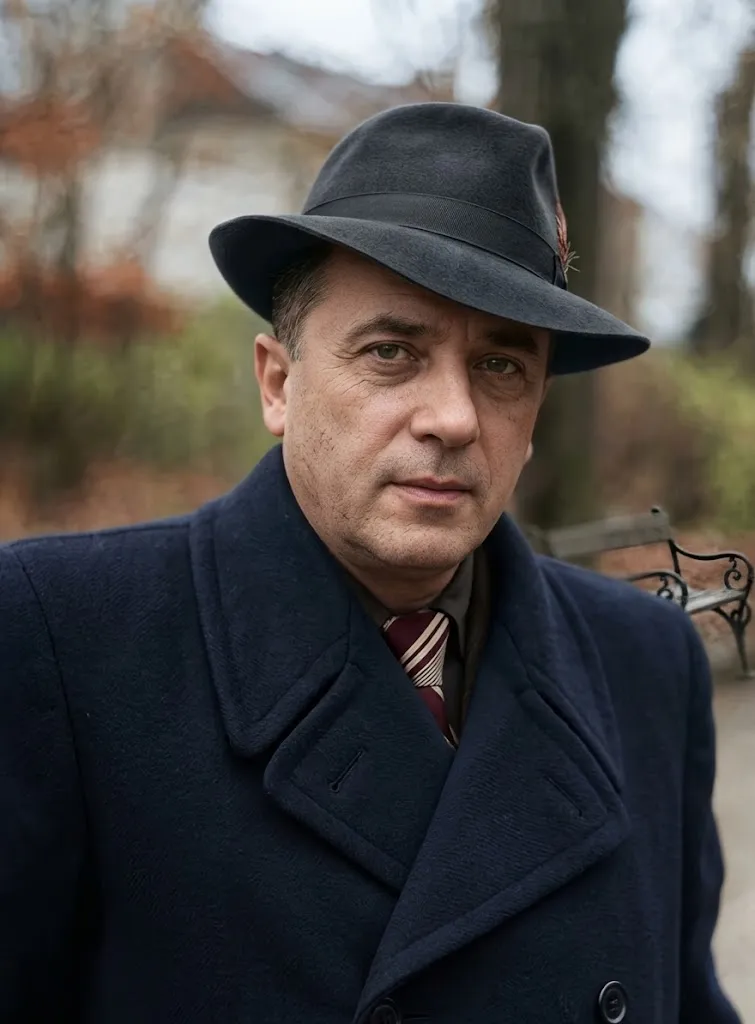
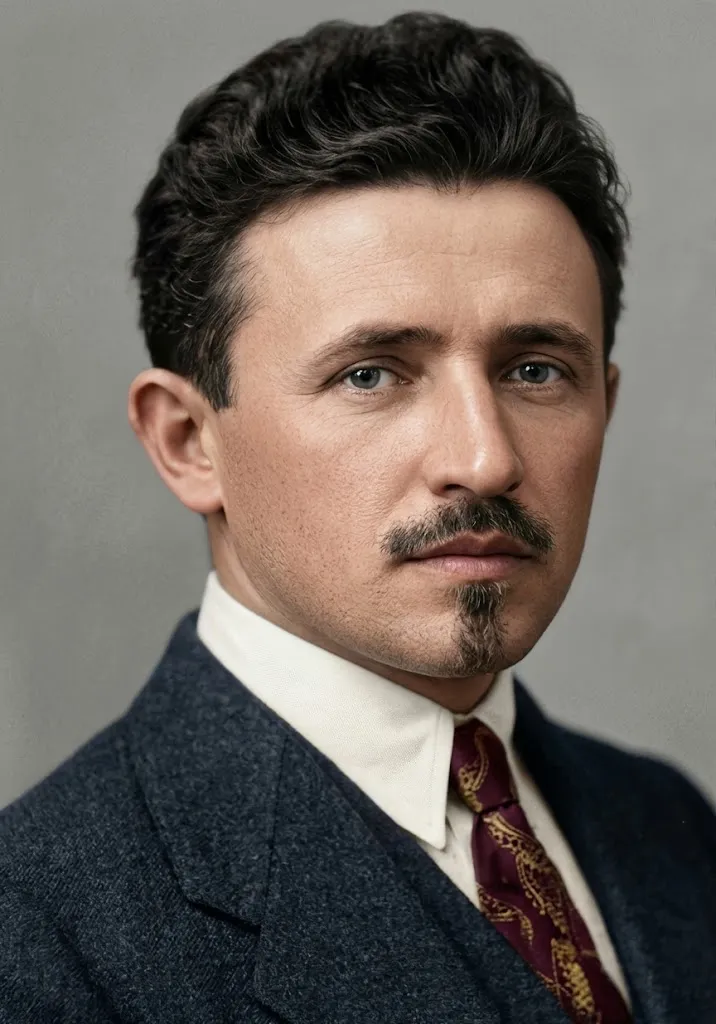
1901–1937
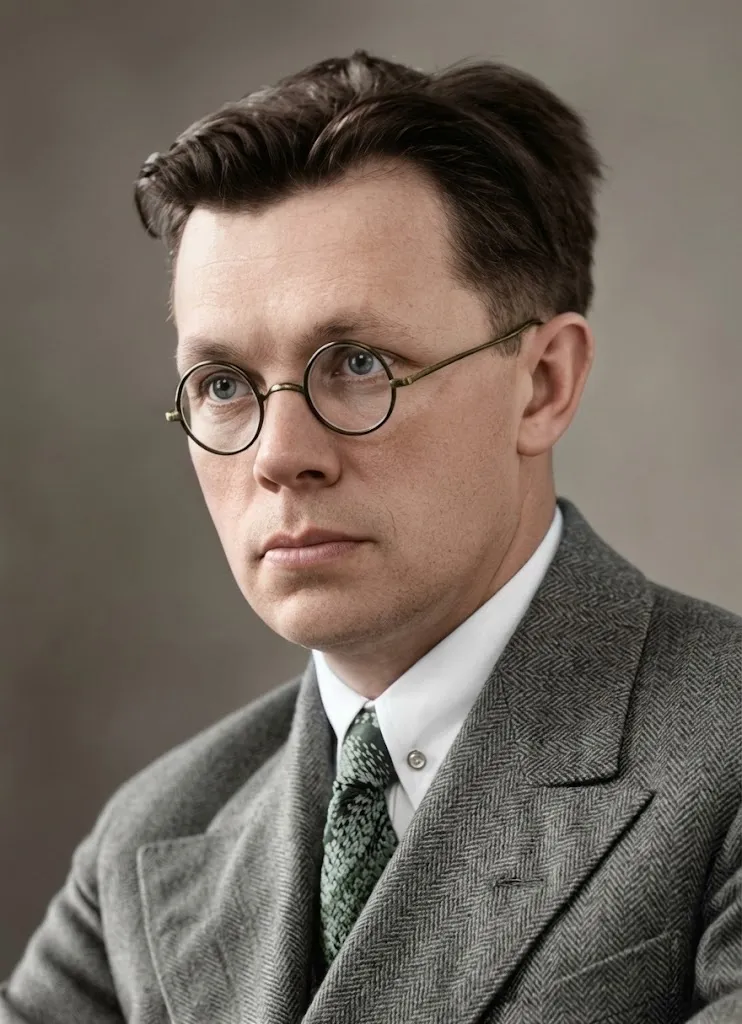
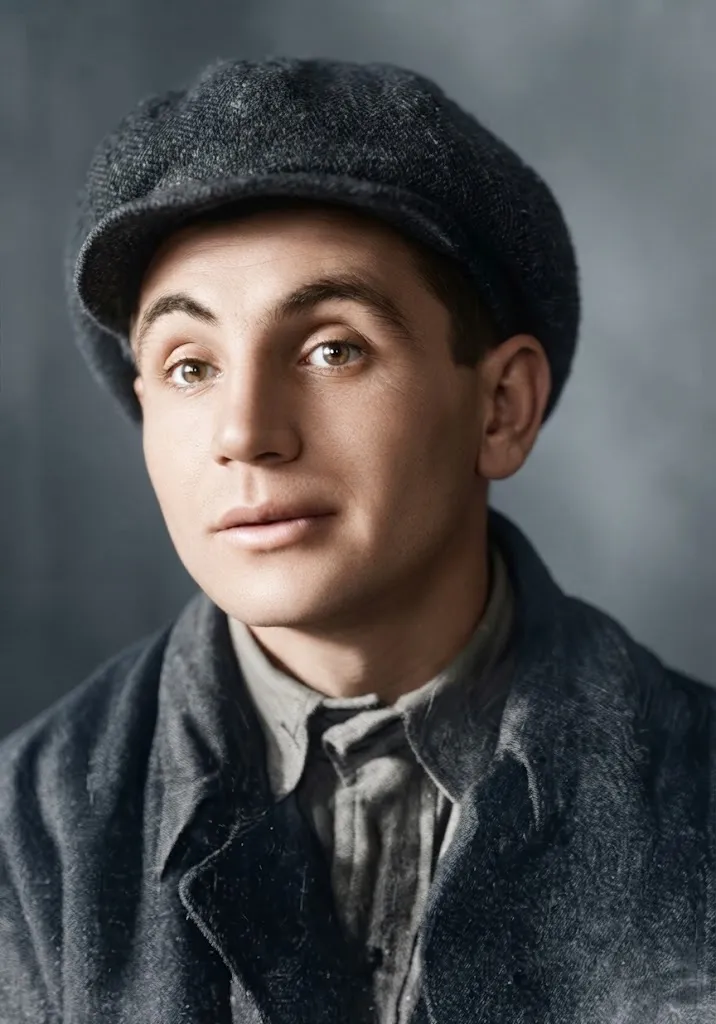
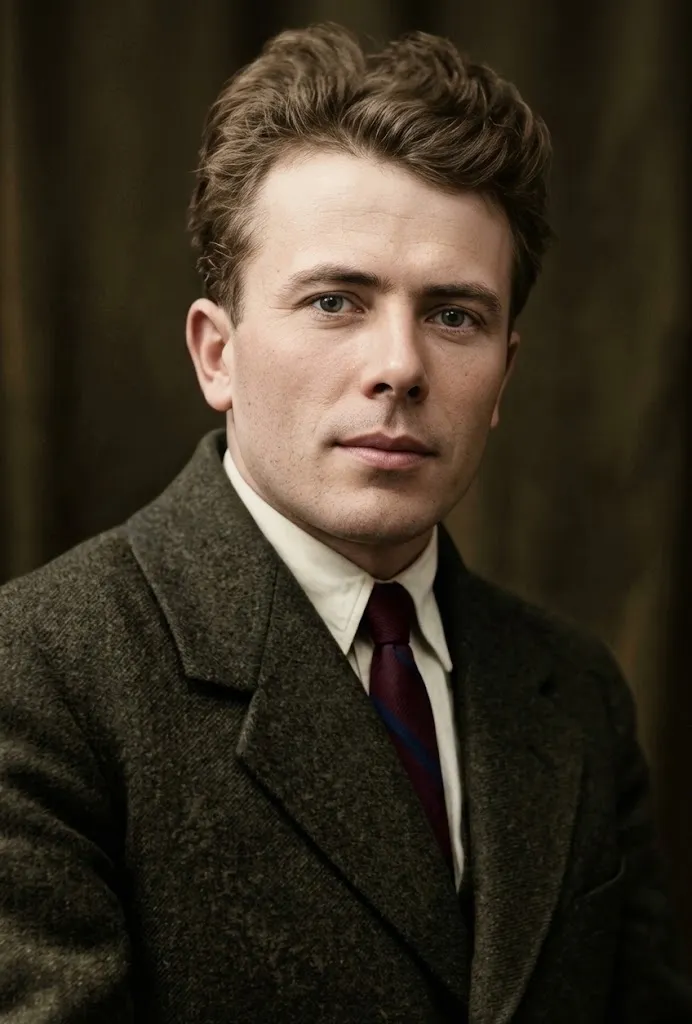
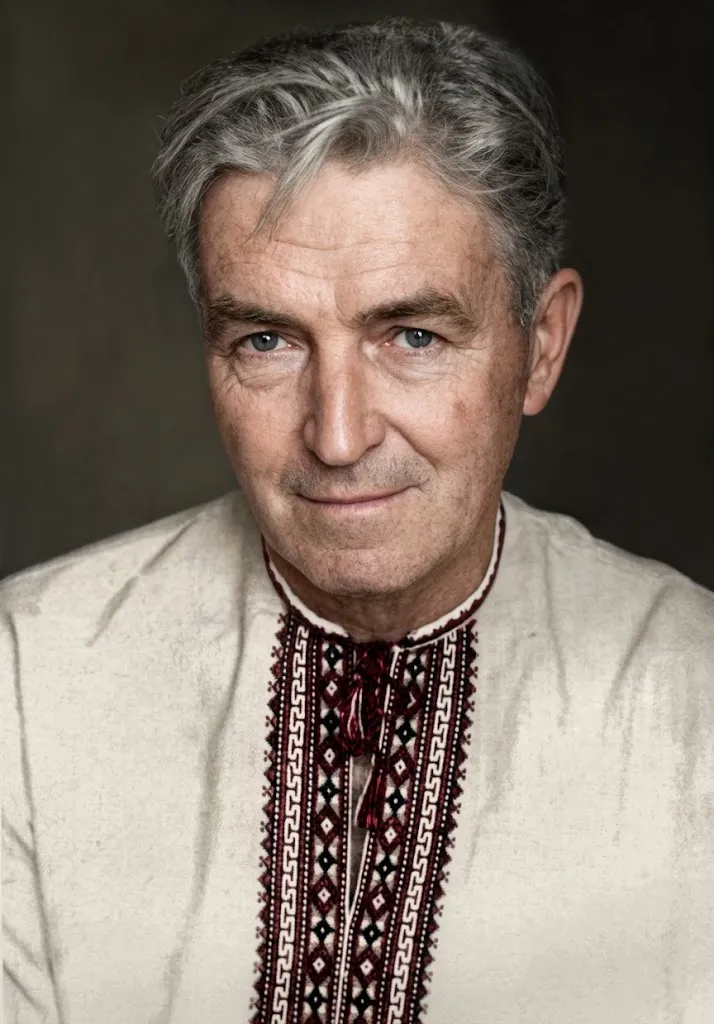
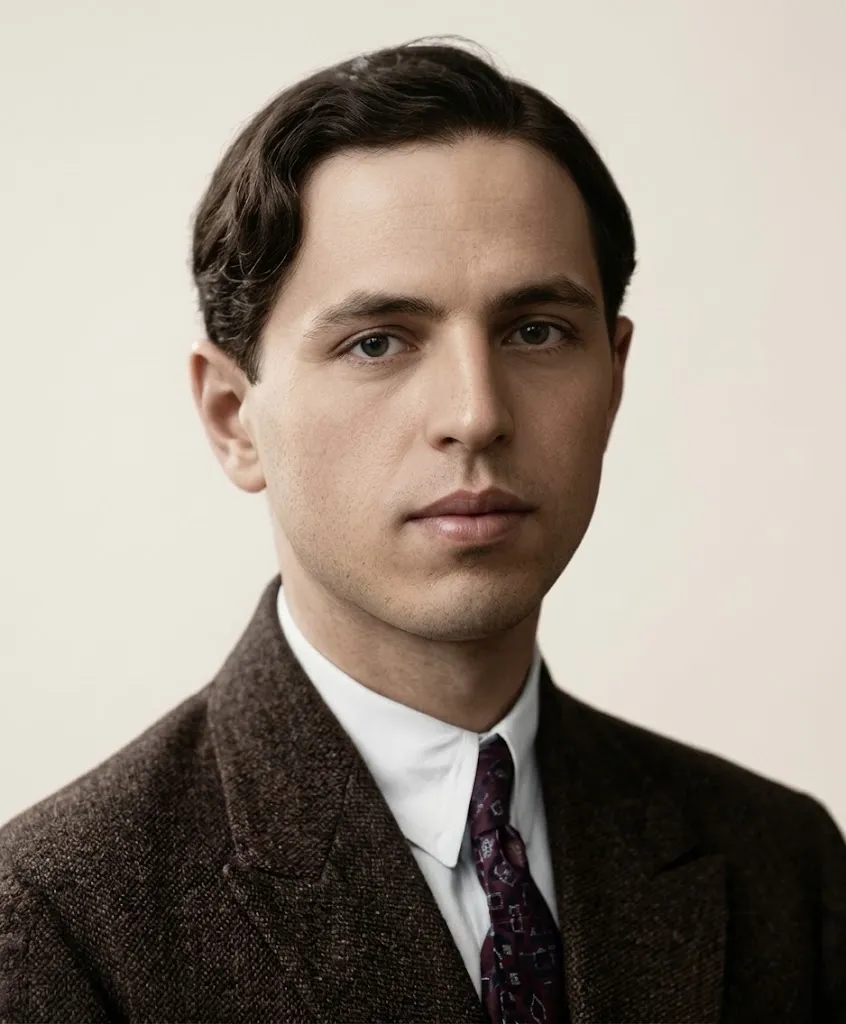
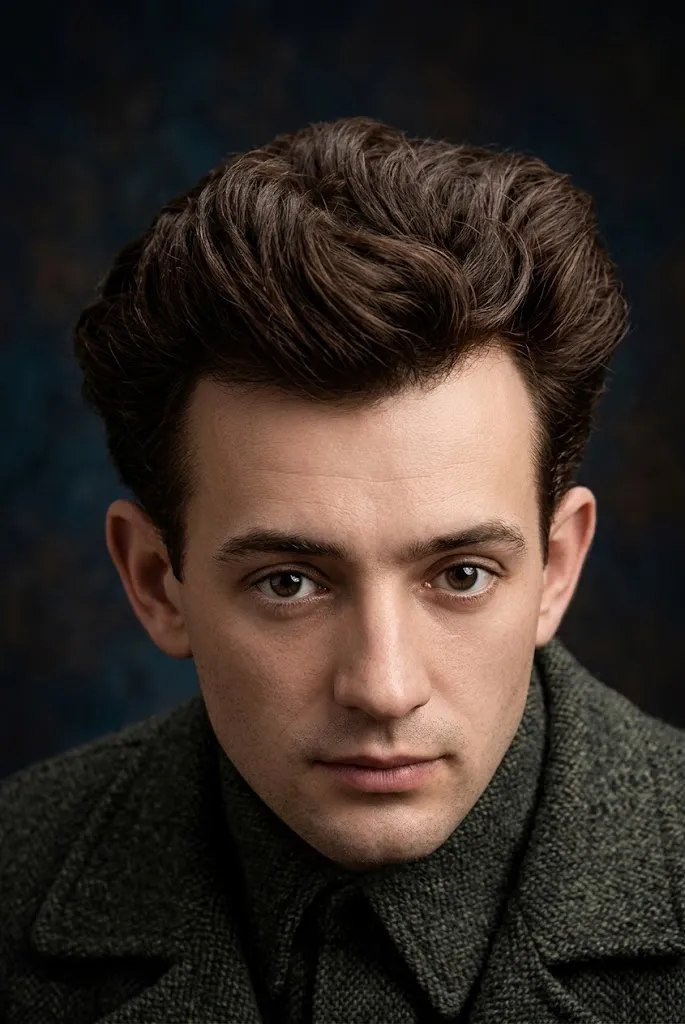
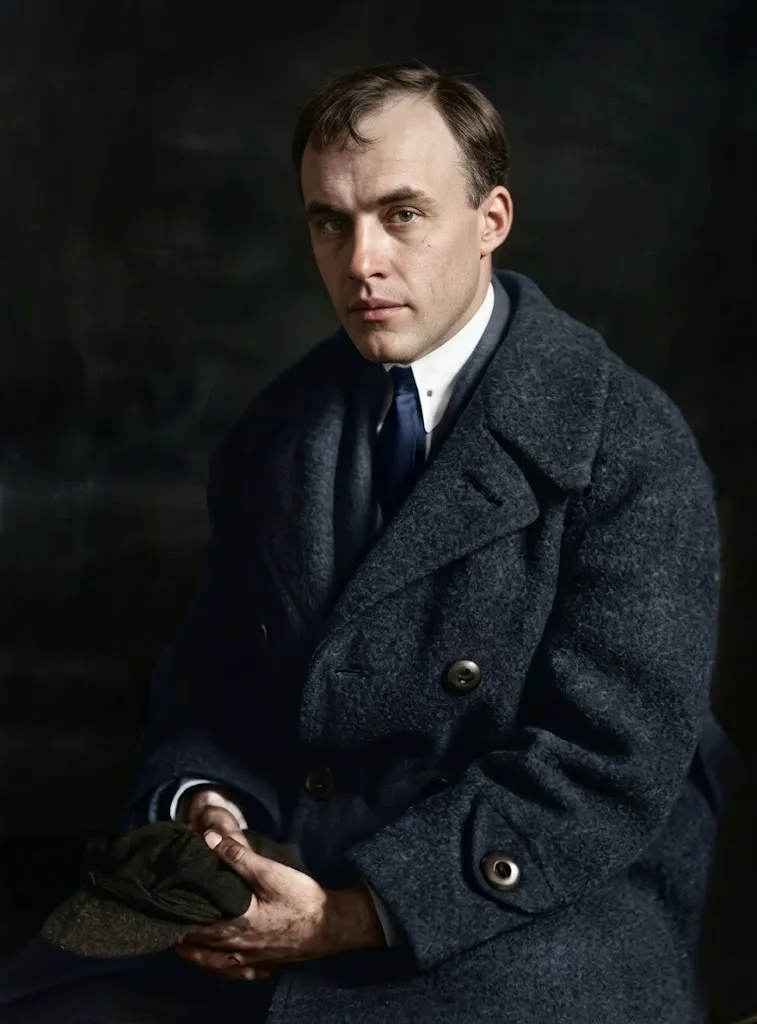
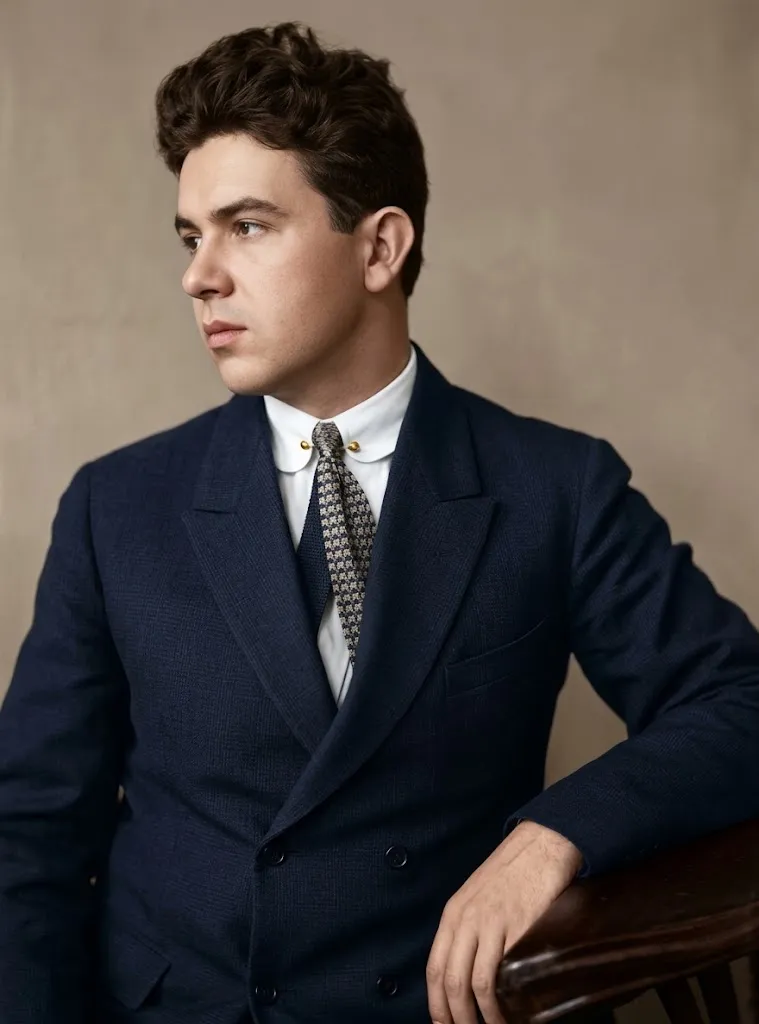
Hryhorii Epik
Novelist, author of Without Soil
He was a Communist, the director of a state publishing house, and lived in Kharkiv’s House of Writers, Slovo. Yet in his novel Without Soil Hryhorii Epik sharply criticized the Soviet order. He was arrested in 1934 and shot at Sandarmokh in Karelia in 1937.
Key accomplishments
- The story collections At the Break (1926), In the Snows (1928), The Siege (1929), A Tome of Satire (1930)
- The novels Without Soil (1928), The Meeting (1929), NEPia (1930), The First Spring (1931), Petro Romen (1932)
- Member of the literary organizations Pluh, VAPLITE and Prolitfront
- Director of the State Literary Publishing House in Kharkiv
One of the regime’s own?
Hryhorii Epik seemed to be one of the regime’s own. A Communist Party member since 1920, a former Komsomol activist, the director of a state publishing house, he lived in flat 7 of Slovo, the House of Writers in Kharkiv. But in his prose of the 1920s the Soviet order looked nothing like it did on the posters. And in the end the regime destroyed him too.
From the Komsomol to literature
Hryhorii Epik was born on 17 January 1901 in the village of Kamianka in the Katerynoslav region. From 1920 to 1925 he worked in the Communist Youth League of Ukraine and as an editor. Earlier he had been a Borotbist, a member of a Ukrainian left-wing party. The future novelist started out as a poet: his collection of verse dumas, Red Kobza, came out in 1923. From 1925 to 1929 he studied Ukrainian history at the Kharkiv Institute of Red Professors, and then became director of the State Literary Publishing House.
Pluh, VAPLITE and Without Soil
Epik belonged to several literary organizations: Pluh, VAPLITE, led by Mykola Khvylovyi, and later Prolitfront. He published the story collections At the Break, In the Snows, The Siege and A Tome of Satire, and the novels The Meeting and NEPia. He wrote for the screen too: The Trypillia Tragedy (1926) was filmed from a script he co-wrote with V. Omelchenko, and for children he wrote the film story The Partisan’s Daughter. His sharpest criticism of the Soviet order came in the novel Without Soil (1928), which reached its fifth edition by 1932. His last novels, The First Spring (1931) and Petro Romen (1932), on the other hand, are considered to be written in the Stalinist spirit.
Solovki and Sandarmokh
On 5 December 1934 Epik was arrested in the fabricated case of a “Borotbist counter-revolutionary organization”. In March 1935 a visiting session of the USSR Supreme Court’s Military Collegium in Kyiv sentenced him to ten years’ imprisonment. Sentenced in the same case were Mykola Kulish, Valerian Pidmohylnyi and Valerian Polishchuk. Epik served his sentence on the Solovetsky Islands. There he made an alphabet book for his son, published in independent Ukraine as Romen’s Alphabet from Solovki. On 9 October 1937 a special troika of the Leningrad region NKVD sentenced him to death. On 3 November 1937 Hryhorii Epik was shot at Sandarmokh in Karelia, at the age of 36. The last convoy from Solovki in October 1937 took about three hundred Ukrainians, among them Mykola Zerov and Les Kurbas. In 1956 Epik was posthumously rehabilitated.
Why it matters today
Hryhorii Epik’s fate shows that Stalin’s terror spared not even those who believed in Soviet power and served it. His prose of the 1920s sharply exposed the flaws of the new order, though he was a Communist himself. With Khvylovyi, Kulish and Pidmohylnyi he belonged to the generation that created a new Ukrainian literature in the 1920s and that the regime destroyed. Reading Epik today is a way to understand what happened to people in those years, and why freedom of speech is worth defending.