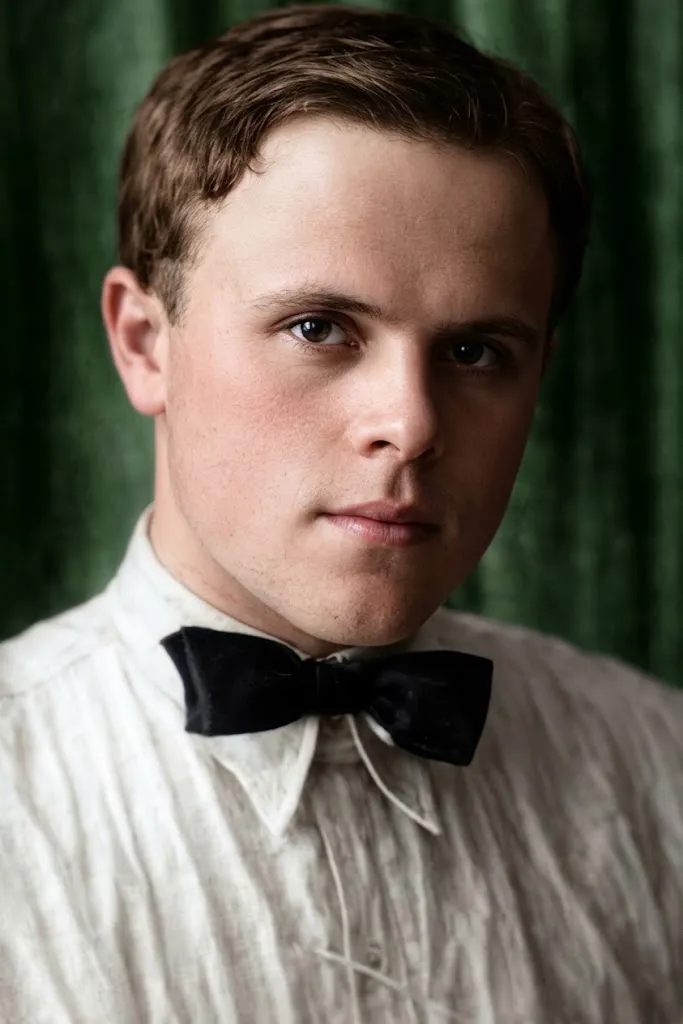
1901–1937
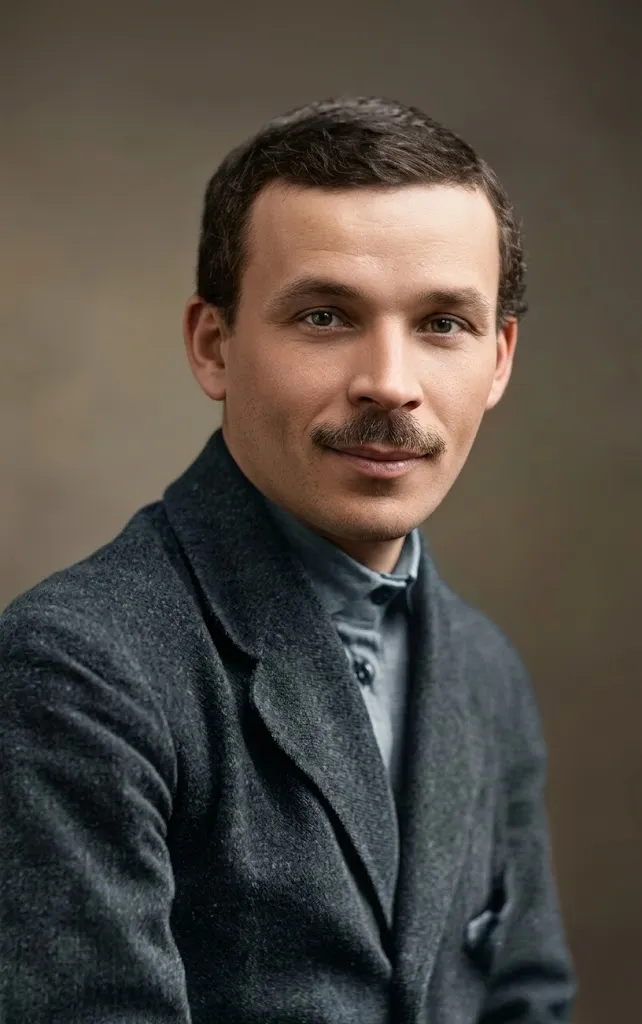
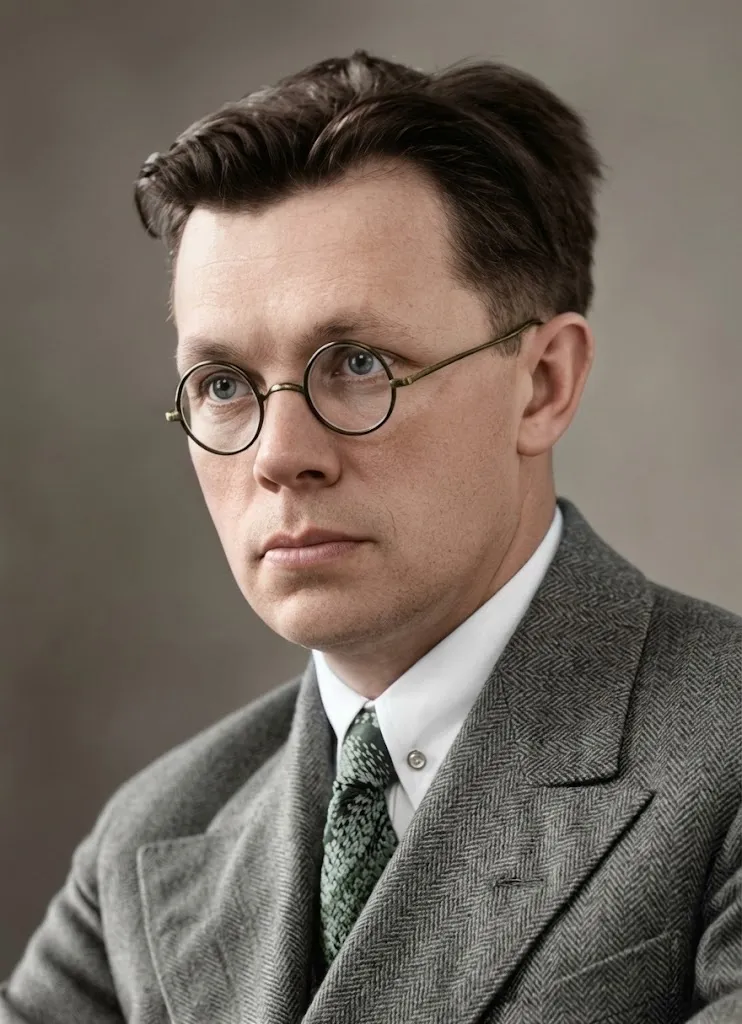
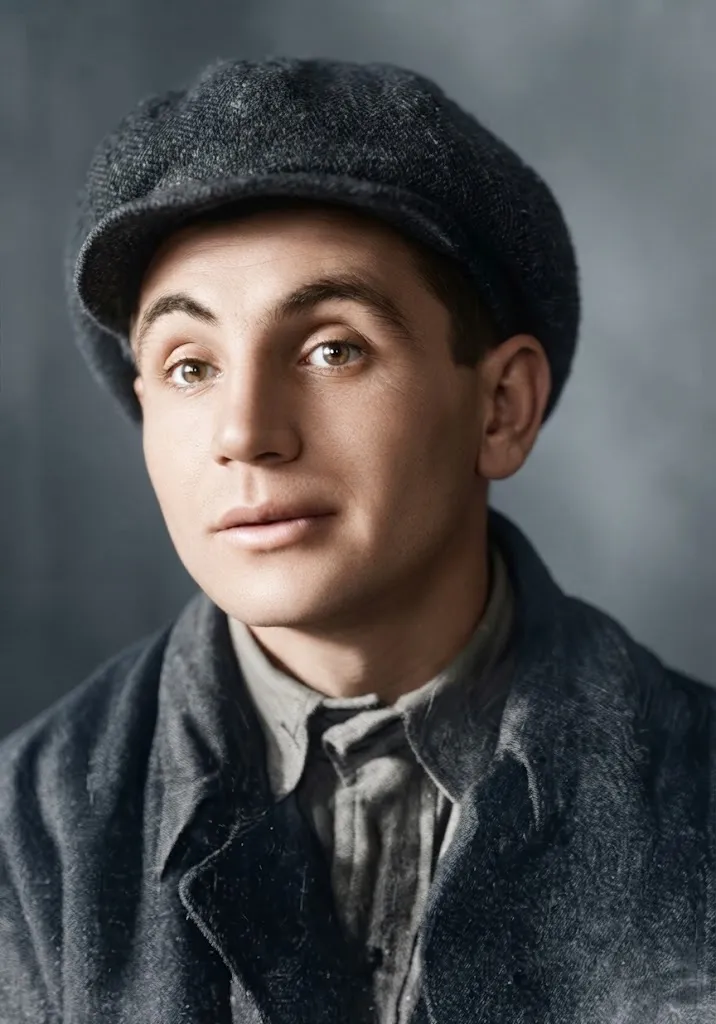
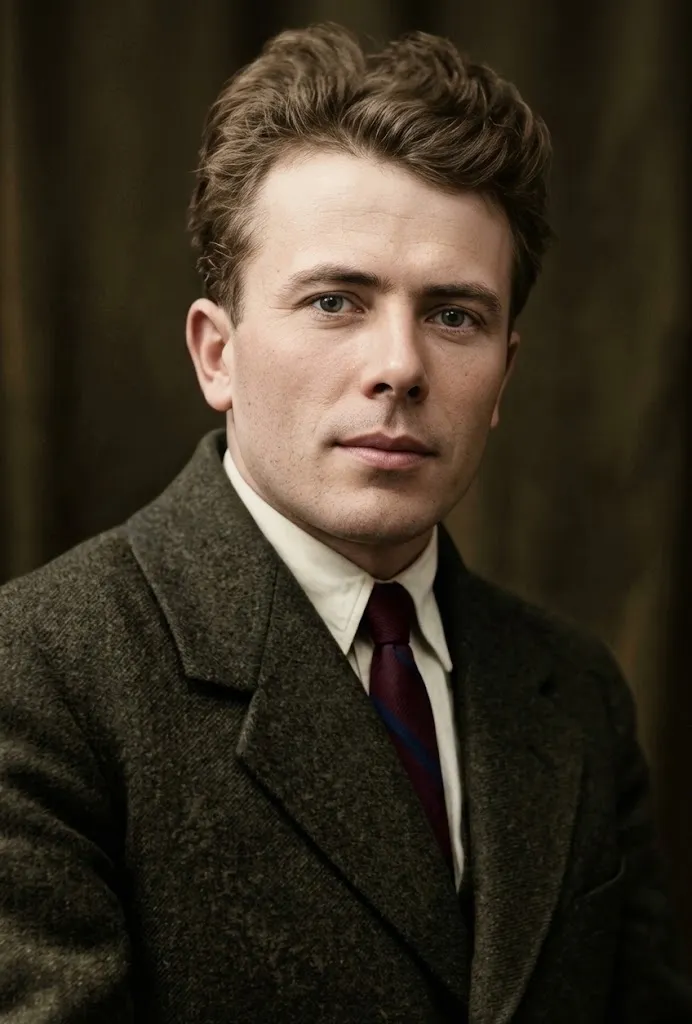
Valerian Pidmohylnyi
Novelist, author of The City
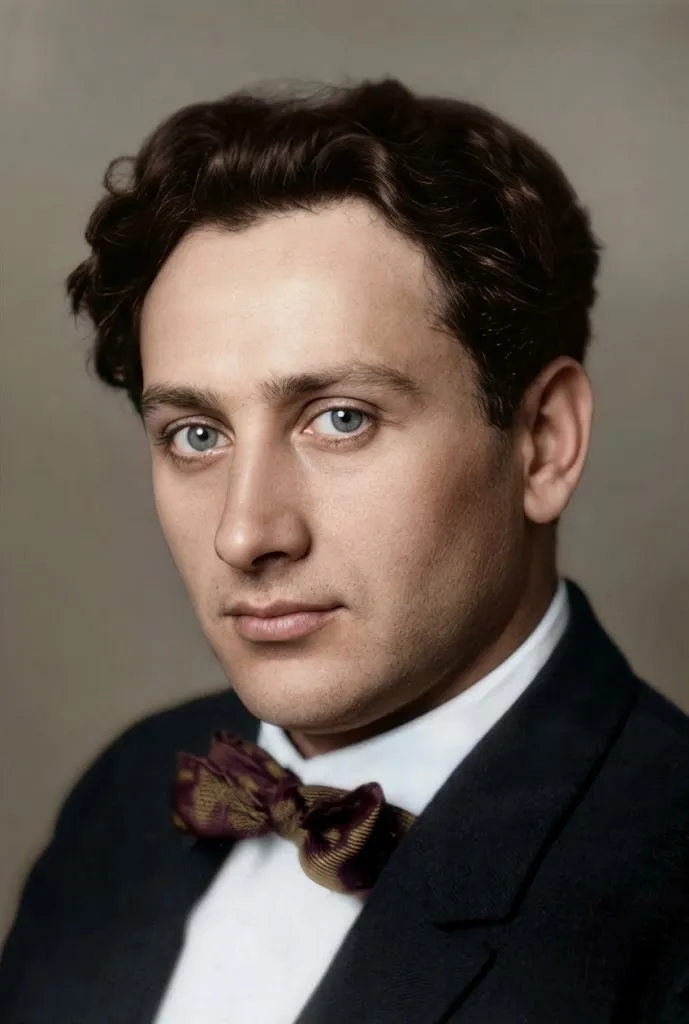
What happens to someone who leaves the village for the big city? That is the question of The City (1928), Valerian Pidmohylnyi’s best-known book. A writer and translator, he translated Balzac, Maupassant and Anatole France into Ukrainian. He was shot at Sandarmokh in 1937.
Key accomplishments
- The novel The City (1928): village meets city in the years of the NEP
- The novel A Little Drama (1930; as a separate book, Paris, 1956)
- Translations of French prose: Balzac, Diderot, Anatole France, Maupassant, Stendhal, Mérimée
- The dictionary Phraseology of Business Language (1926), with Yevhen Pluzhnyk
- Stories about the famine of 1921–1923 (“The Dog”, “The Problem of Bread”, “The Son”)
The boy from Chapli
Valerian Pidmohylnyi was born in 1901 in the village of Chapli near Katerynoslav, today’s Dnipro. He went to secondary school in Katerynoslav and was already in print as a schoolboy, under the pen name “Lord Lister”. In 1919 Sich, a Katerynoslav journal, published his stories “Vania” and “Haidamaky”, when he was 18. A year later came his first book, with the grand title Works, Volume 1.
The hungry years
Pidmohylnyi taught Ukrainian at the labour school in Vorzel near Kyiv during the famine years of 1921–1923. He wrote about the famine of those years in the stories “The Dog”, “The Problem of Bread” and “The Son”.
The City
In Kyiv Pidmohylnyi worked for publishing houses and on the journal Zhyttia i revoliutsiia (Life and Revolution), and in 1924 he helped found the literary group Lanka (from 1926, MARS). In 1928 came his novel The City, about village meeting city in the years of the NEP, the New Economic Policy of the 1920s. Critics attacked his work harshly, The City included, and in 1930 he was dismissed from his editorial post.
Balzac in Ukrainian
Pidmohylnyi translated Balzac, Diderot, Anatole France, Maupassant, Stendhal, Voltaire and Mérimée into Ukrainian, and edited a 15-volume Balzac and a 25-volume Anatole France. His translations had a marked influence on Ukrainian literature in the 1920s. His last novel, A Little Drama, was serialized in a journal in 1930 but came out as a separate book only in 1956, in Paris.
Solovki and Sandarmokh
Pidmohylnyi was arrested on 8 December 1934 as a supposed member of a “group of nationalist writers with terrorist leanings”. He was imprisoned in the Solovetsky camp. It was there, on Pidmohylnyi’s birthday, 2 February 1936, that his closest friend Yevhen Pluzhnyk died. A special troika of the Leningrad NKVD sentenced him to death. Pidmohylnyi, Mykola Kulish, Mykola Zerov and Les Kurbas were among the Ukrainian prisoners shot at that time in the Sandarmokh forest in Karelia; Pidmohylnyi was shot on 3 November 1937. He was rehabilitated in 1956.
Why it matters today
Pidmohylnyi wrote a novel about what happens to someone who leaves the village for the big city, a question anyone who has ever moved will recognise. His translations gave Ukrainian readers Balzac, Maupassant and Anatole France in their own language, and had a marked influence on Ukrainian literature in the 1920s. In his stories he left a record of the famine of 1921–1923. The regime shot him, but it could not take away what he wrote and translated: it can still be read in Ukrainian today.