c. 1884–c. 1934
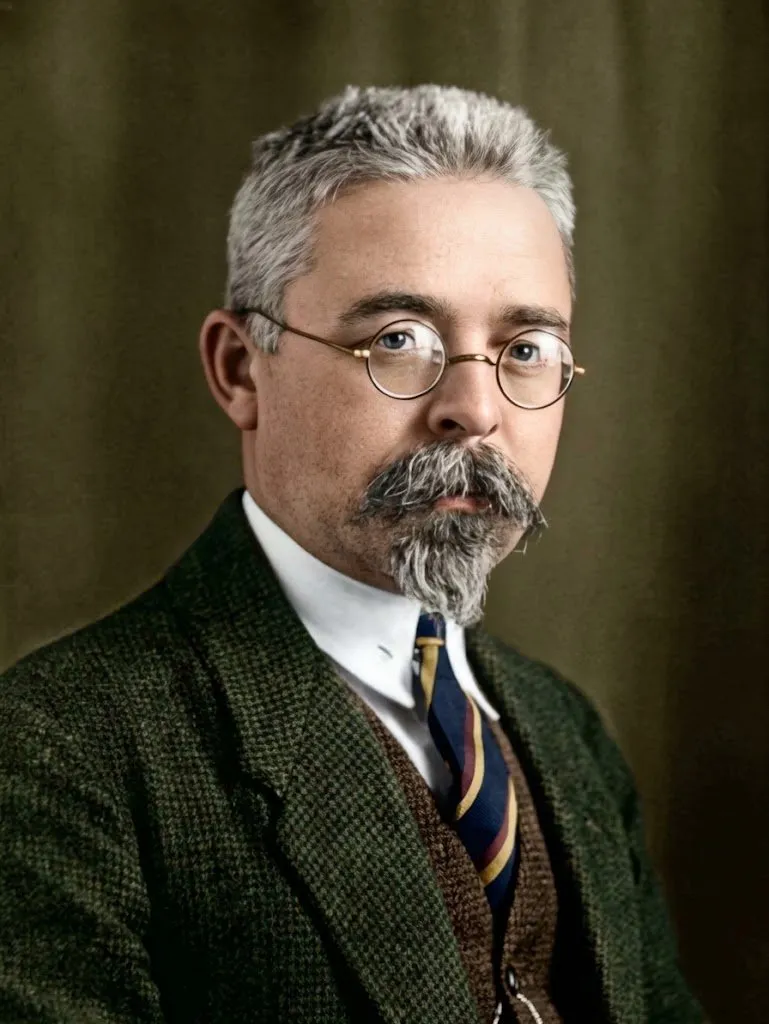
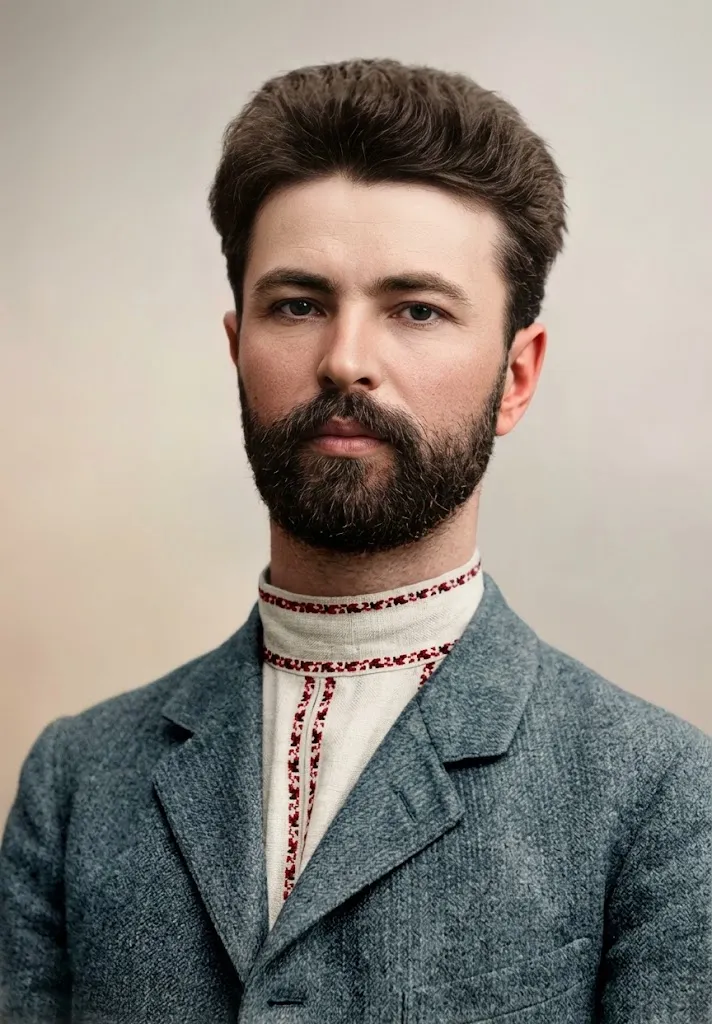
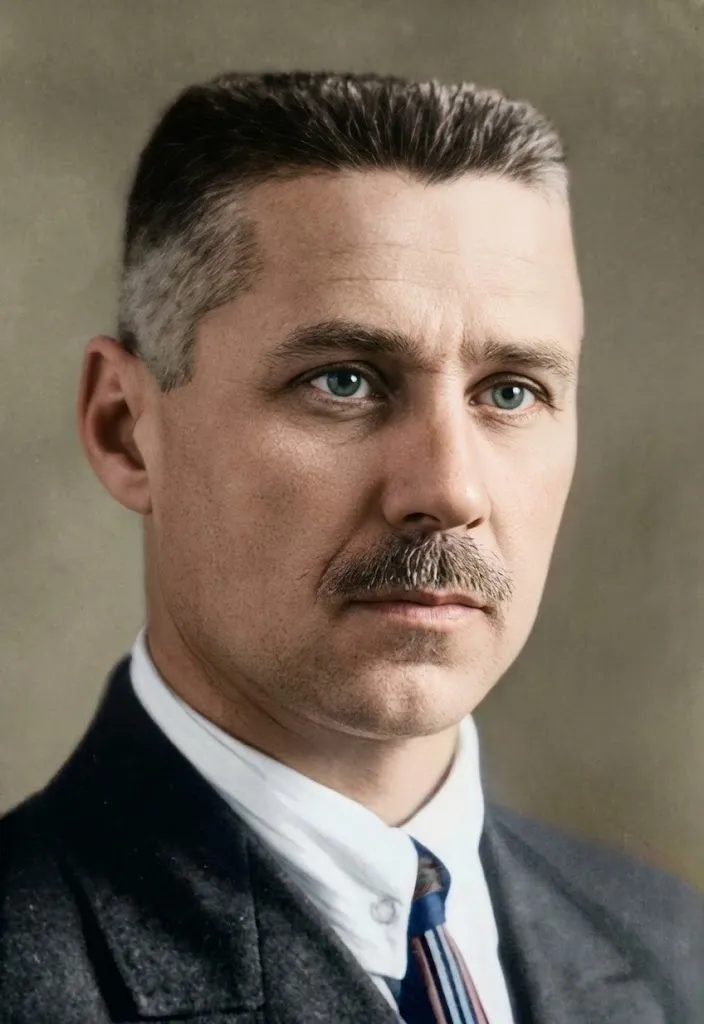
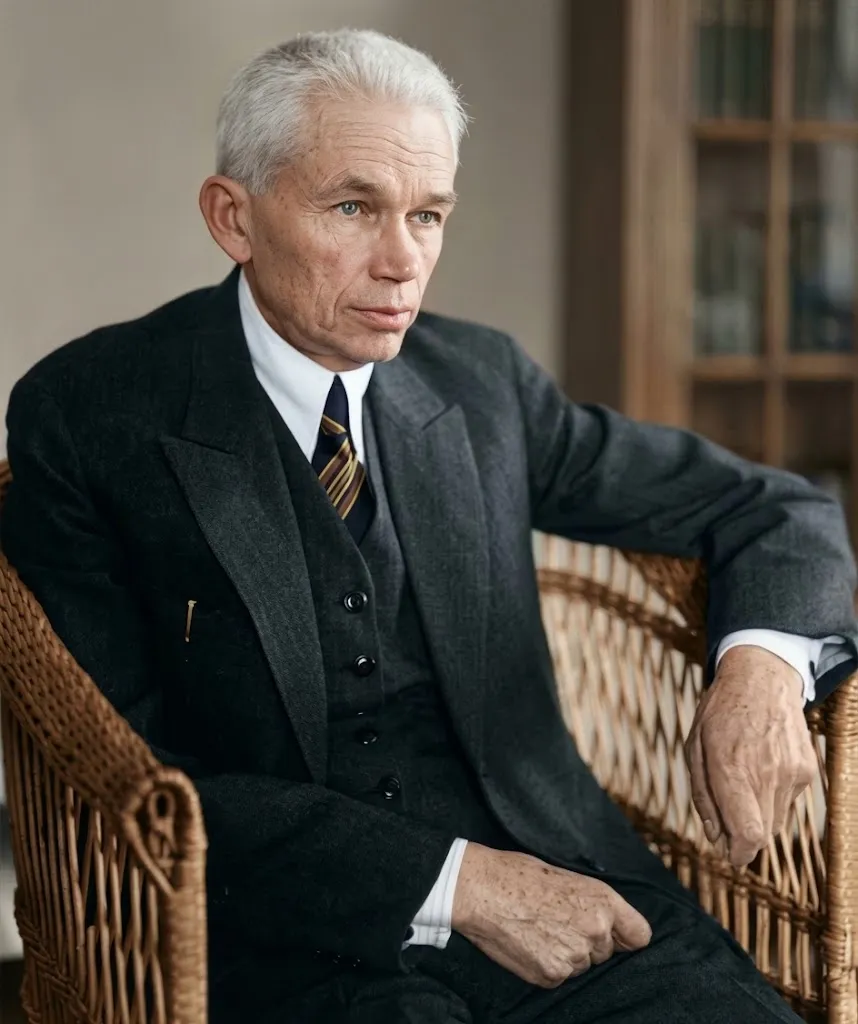
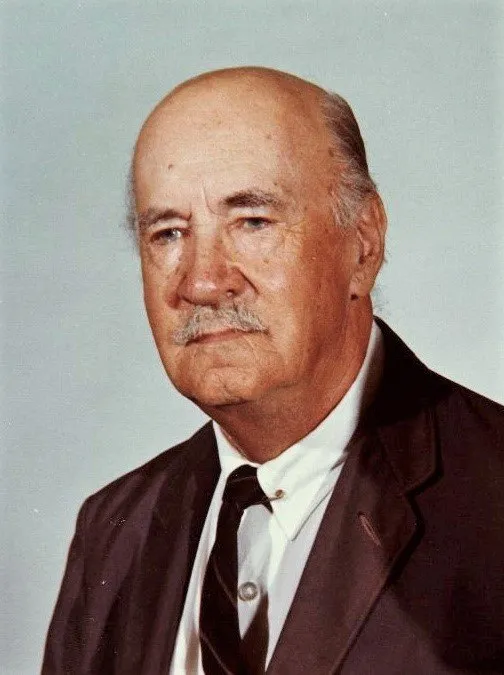
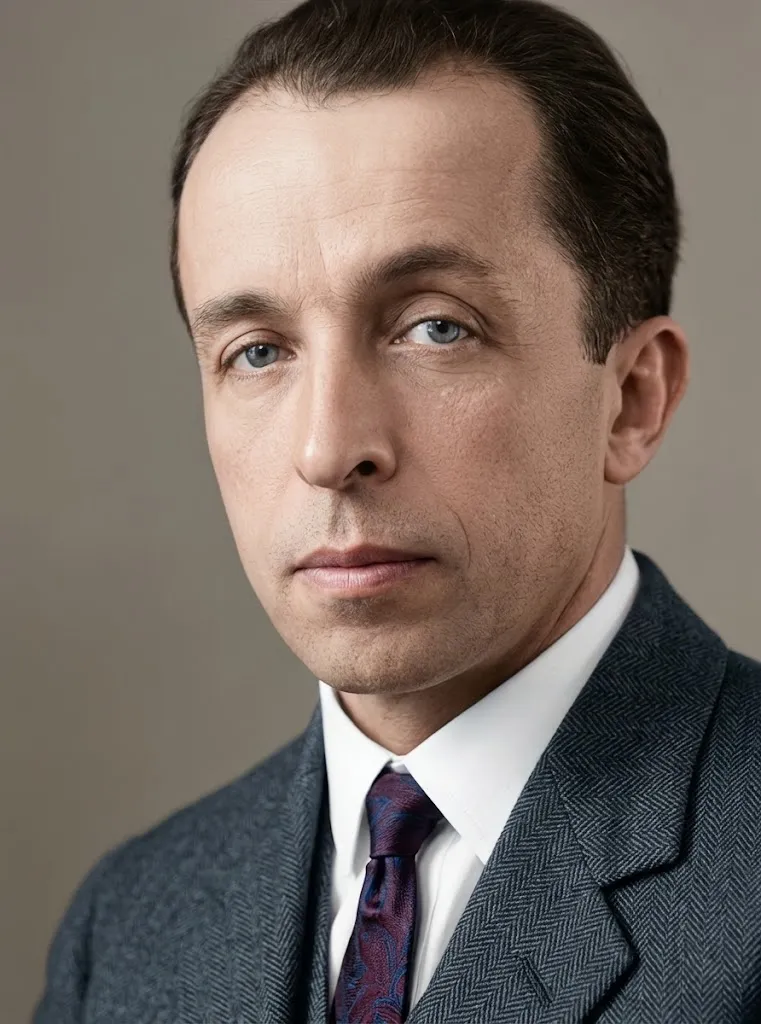
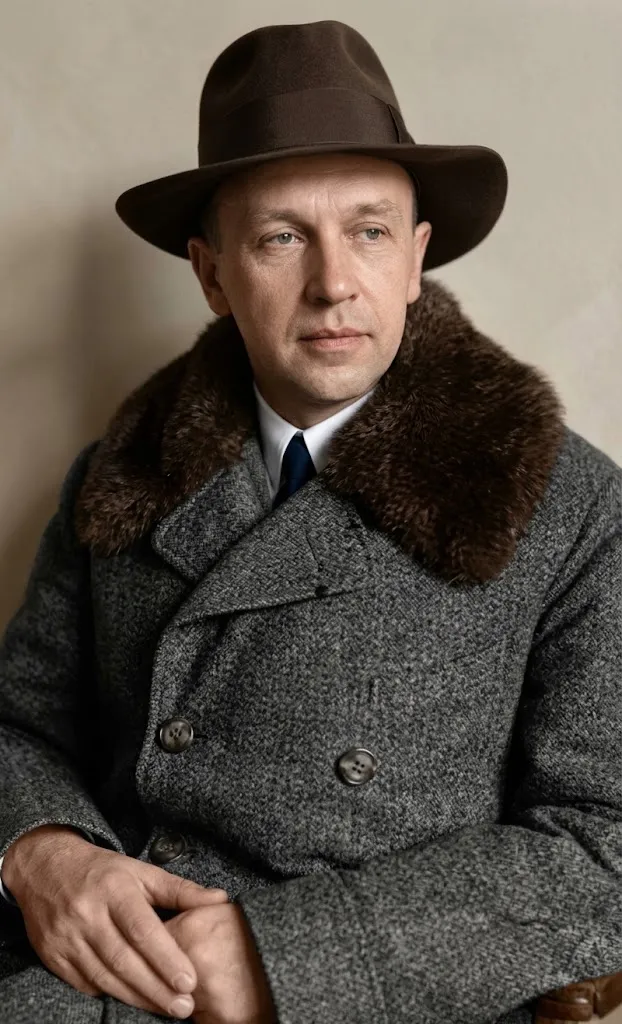
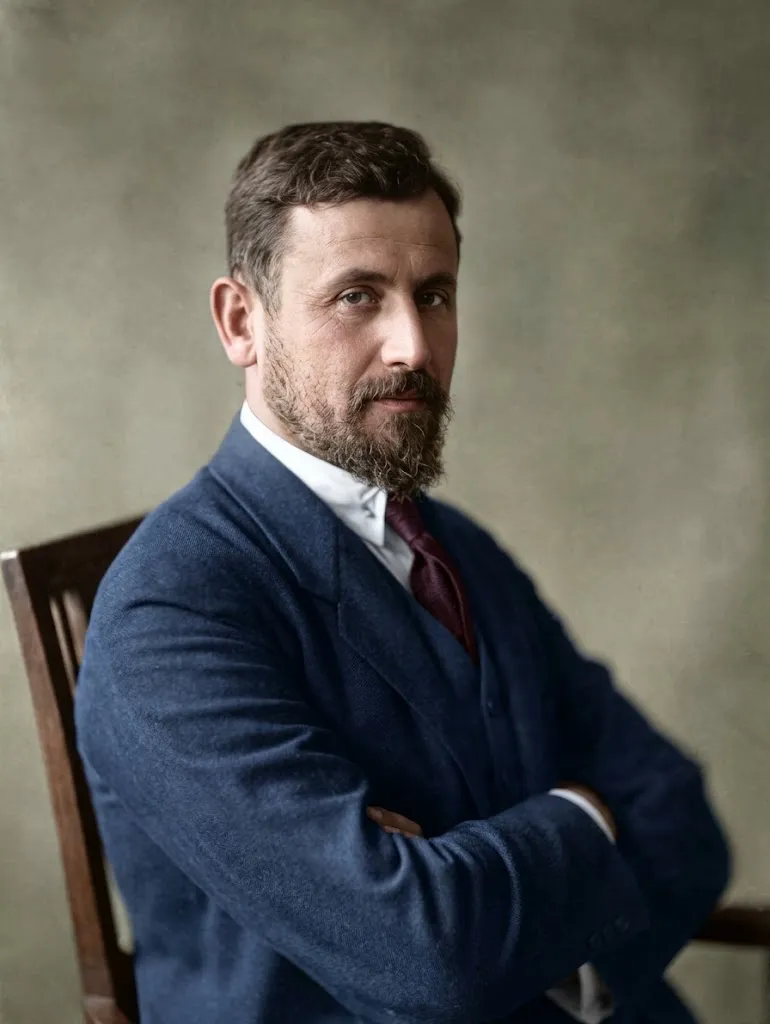
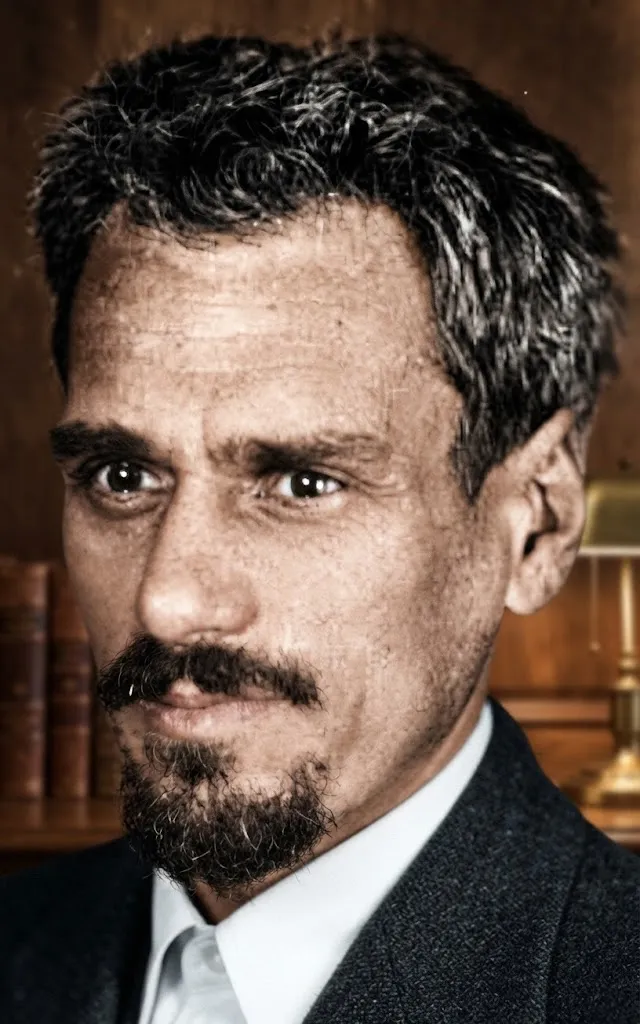
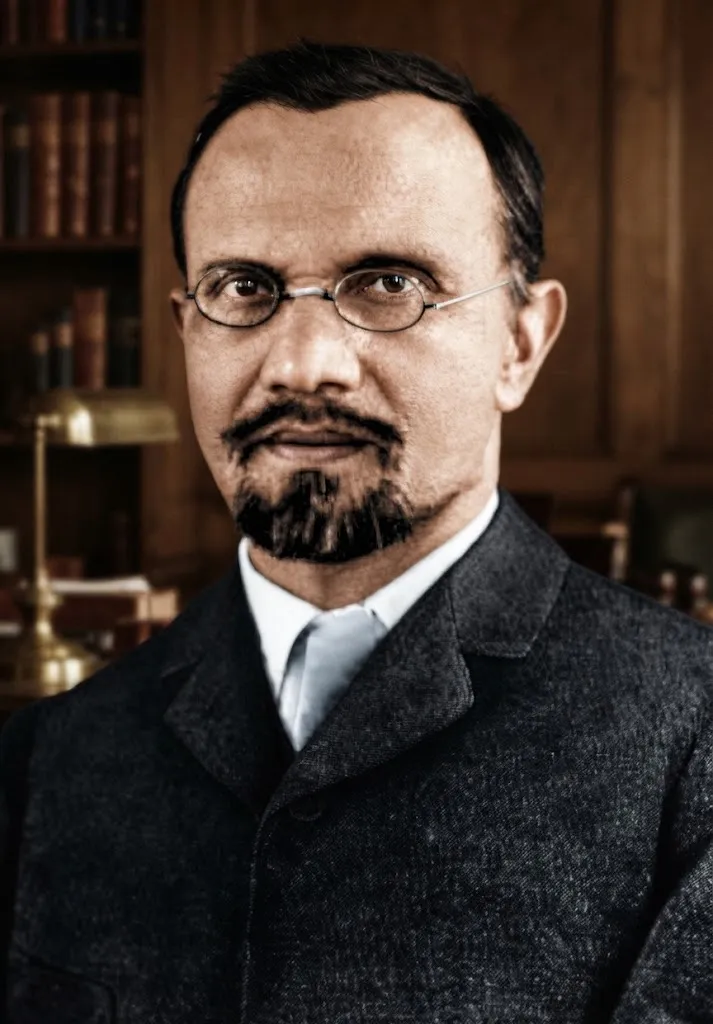
Hryhorii Holoskevych
Linguist, spelling dictionary author
His dictionary went through 13 editions, in Petrograd, New York, Lviv and Kyiv. Linguist Hryhorii Holoskevych compiled the first Ukrainian spelling dictionary and, for the 1928 orthography, a dictionary of 40,000 words. Arrested in the SVU case in 1929, he died in exile in Tobolsk.
Key accomplishments
- The Ukrainian Spelling Dictionary (first edition 1914), the first Ukrainian orthographic dictionary
- The Spelling Dictionary for the 1928 orthography, some 40,000 words; 13 editions, several of them in the diaspora
- Co-editor of the Ukrainian Academy of Sciences’ Russian-Ukrainian Dictionary (1924–1928)
- Member of the orthography commission of the UNR Ministry of Education (1918)
- Studies of the Podilian dialects (1910) and the language of the Eusebius Gospel of 1283 (1914)
A book that outlived its author
A book where you can check how a word is spelled. It sounds ordinary, yet Hryhorii Holoskevych’s dictionary went through 13 editions: first in his lifetime, then in the diaspora, New York among other places, and after independence in Lviv (1994) and Kyiv (2006). It is considered the first Ukrainian spelling dictionary. Its author died in exile in Siberia.
A Podilian in Saint Petersburg
Holoskevych was born in Podilia, in the village of Suprunkivtsi (now in the Khmelnytskyi region). Sources give his birth date as November 1884 or 1 January 1885. He graduated from the theological seminary in Kamianets-Podilskyi and then from the faculty of history and philology at Saint Petersburg University, where he studied under the linguist Aleksei Shakhmatov. As a student he was already recording the dialects of his native Podilia. In 1914 the first edition of his Ukrainian Spelling Dictionary came out in Petrograd. In the same city he taught Ukrainian on the secret university courses of the Ukrainian Club. When the empire fell in 1917, Holoskevych helped organize the Ukrainian community’s public life in Petrograd, including the Ukrainian demonstration of 12 March 1917, and represented its Ukrainians in the Ukrainian Central Rada.
How to write in Ukrainian
In August 1917 he moved to Kyiv, where he taught at the First Ukrainian Gymnasium named after Shevchenko and, with Pavlo Zaitsev and Petro Stebnytskyi, founded the Drukar publishing house. In the autumn of 1917 he headed the secondary-school department of the General Secretariat of Education, and in 1918 the publishing department of the UNR Ministry of Education. That year he and other linguists also sat on the orthography commission of the UNR Ministry of Education, chaired by Ivan Ohiienko. From 1919 Holoskevych worked at the Ukrainian Academy of Sciences and became one of the compilers of its Russian-Ukrainian Dictionary; the linguist George Shevelov called its published volumes a monument to the Ukrainian revival of the 1920s. After a new Ukrainian orthography was adopted in 1928, Holoskevych reworked his dictionary to its rules. The seventh edition of the Spelling Dictionary held some 40,000 words.
The SVU case
On 17 August 1929 Holoskevych was arrested in the case of the “Union for the Liberation of Ukraine” (SVU). In 1930, at a Stalinist show trial in Kharkiv whose chief defendant was Serhii Yefremov, he was sentenced to five years’ imprisonment. He spent three years in prison in Yaroslavl and was then exiled to Tobolsk in Siberia. He died there in the autumn of 1934, at 49. How he died has never been established: some sources say under unknown circumstances, others that he took his own life. He was rehabilitated in 1989.
Why it matters today
Spelling is a whole nation’s agreement on how to write its language, and Holoskevych gave Ukrainians a book to check that agreement against every day. His dictionary outlived him: it was reprinted in the diaspora and then again in independent Ukraine. Anyone who opens a Ukrainian spelling dictionary today is using work that he began.