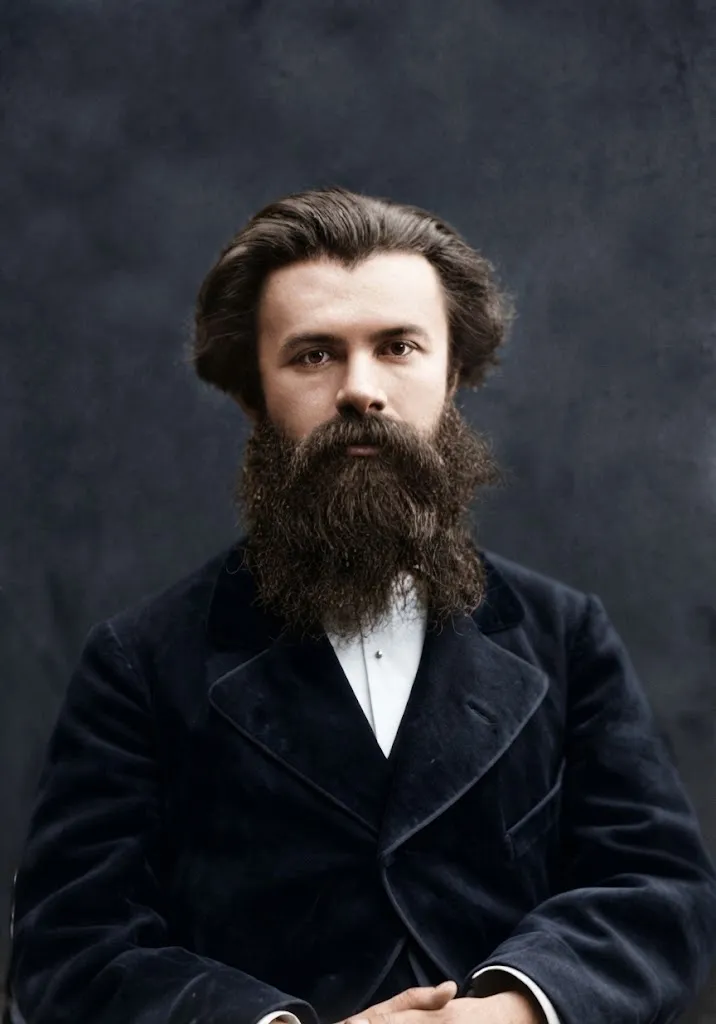
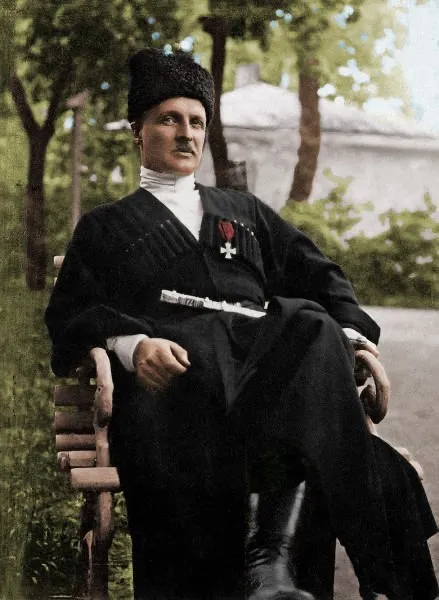
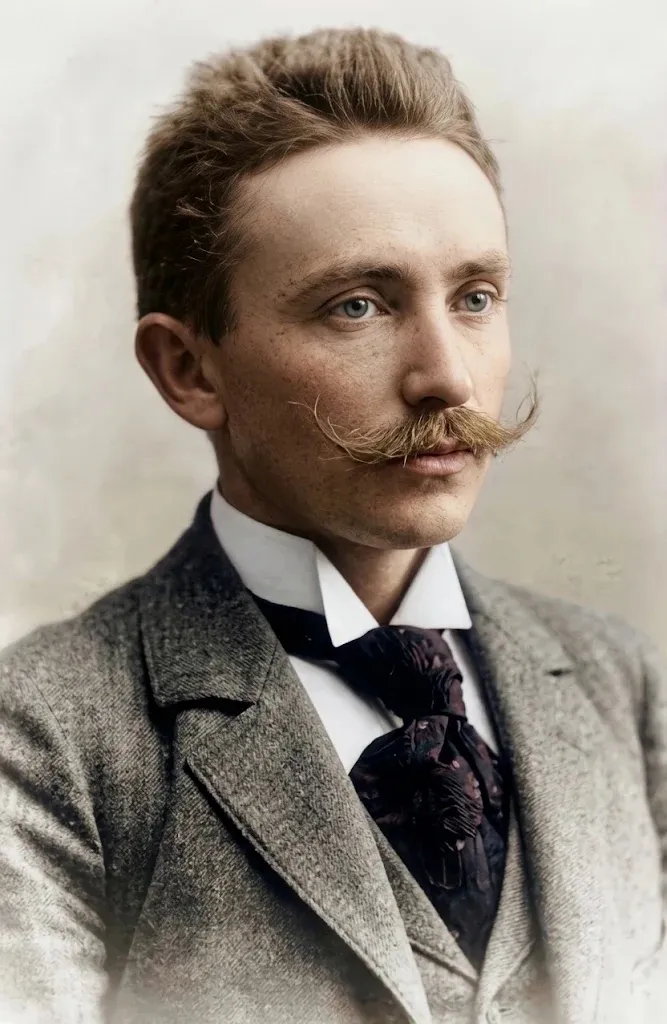
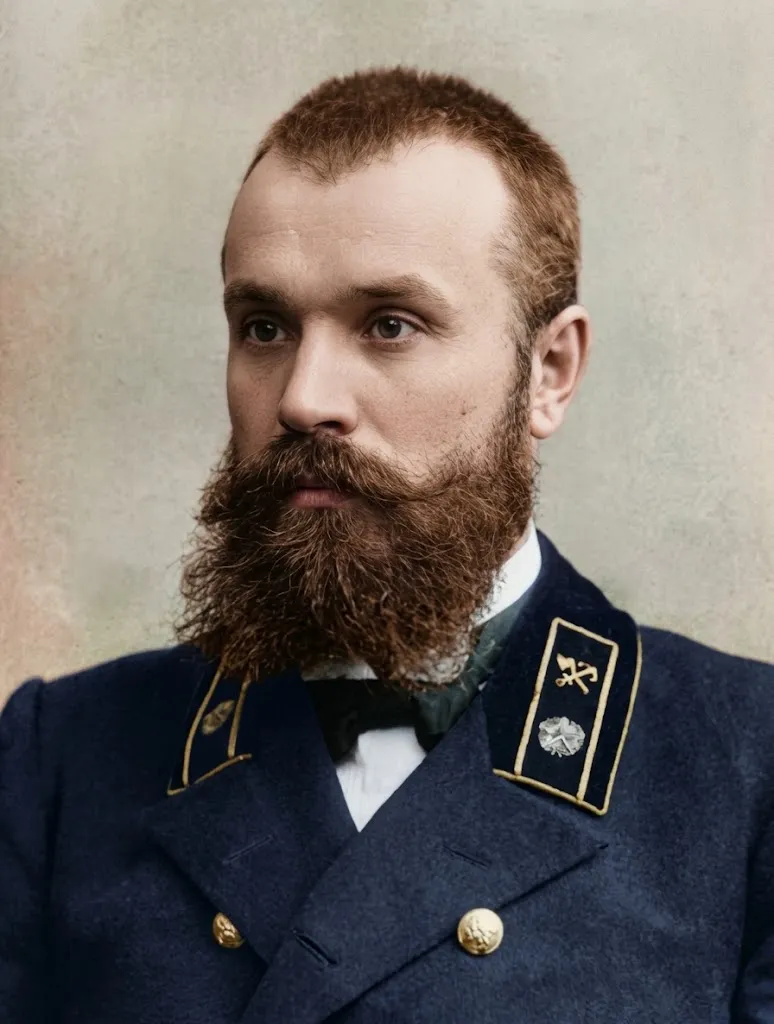
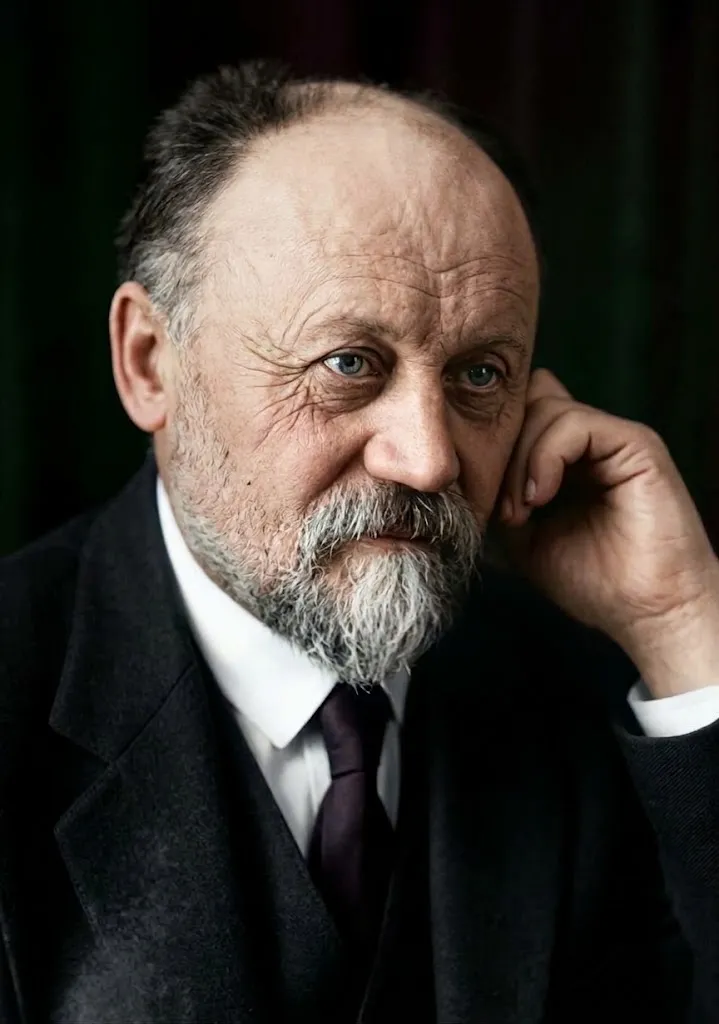
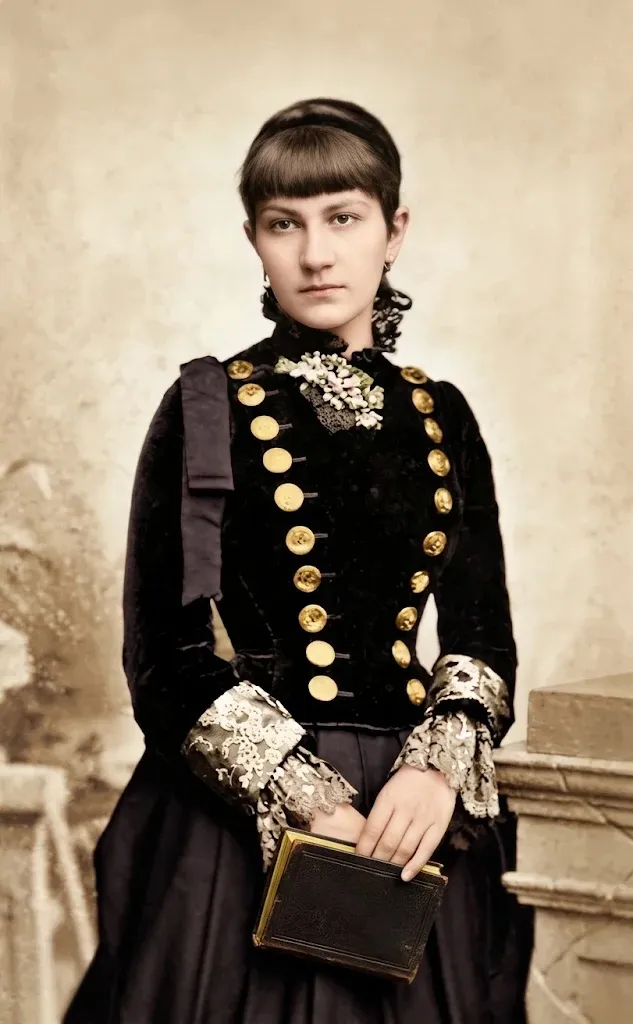
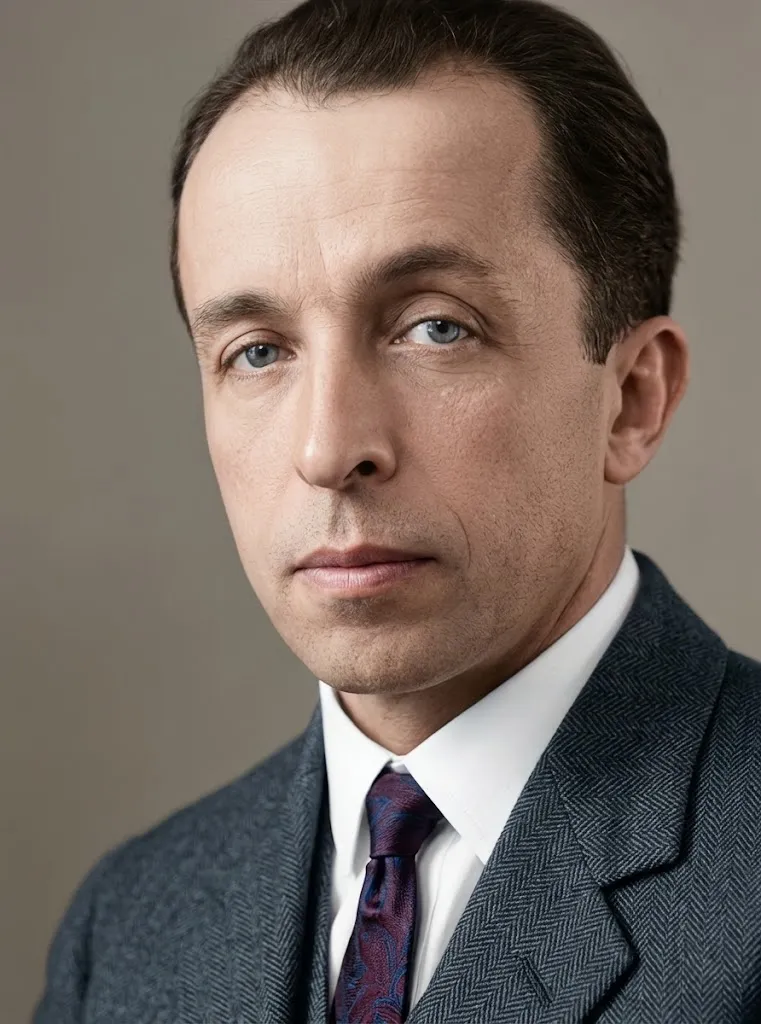
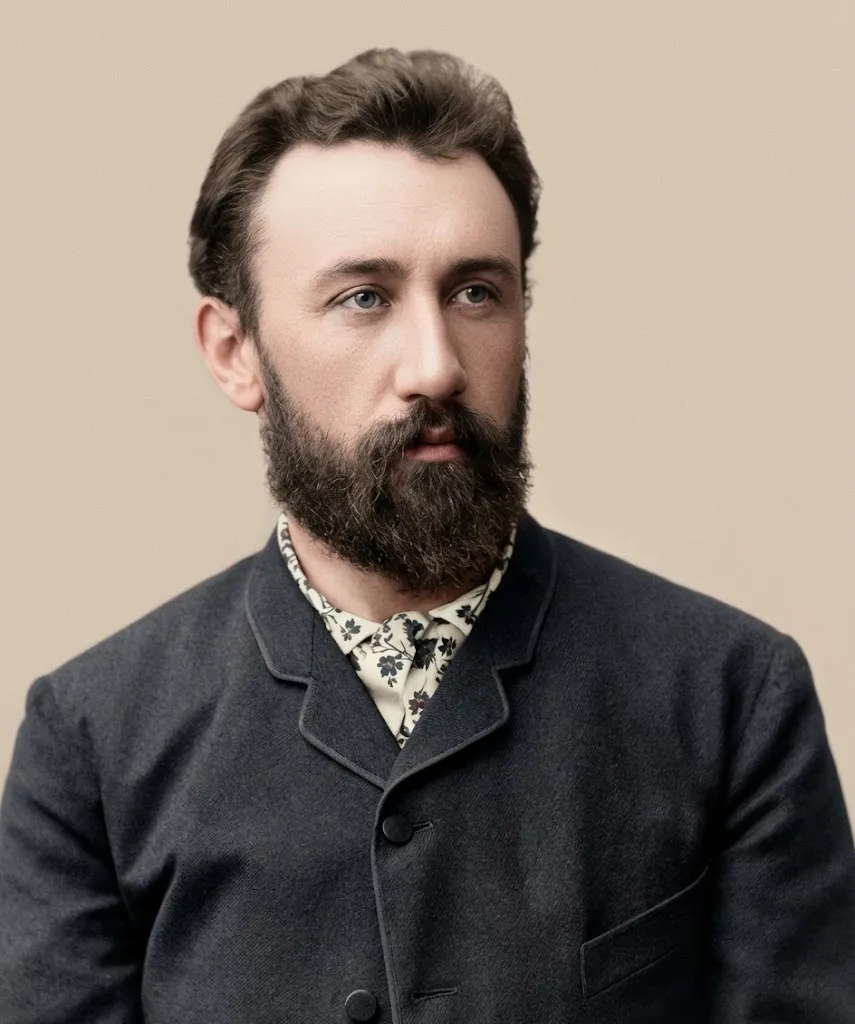
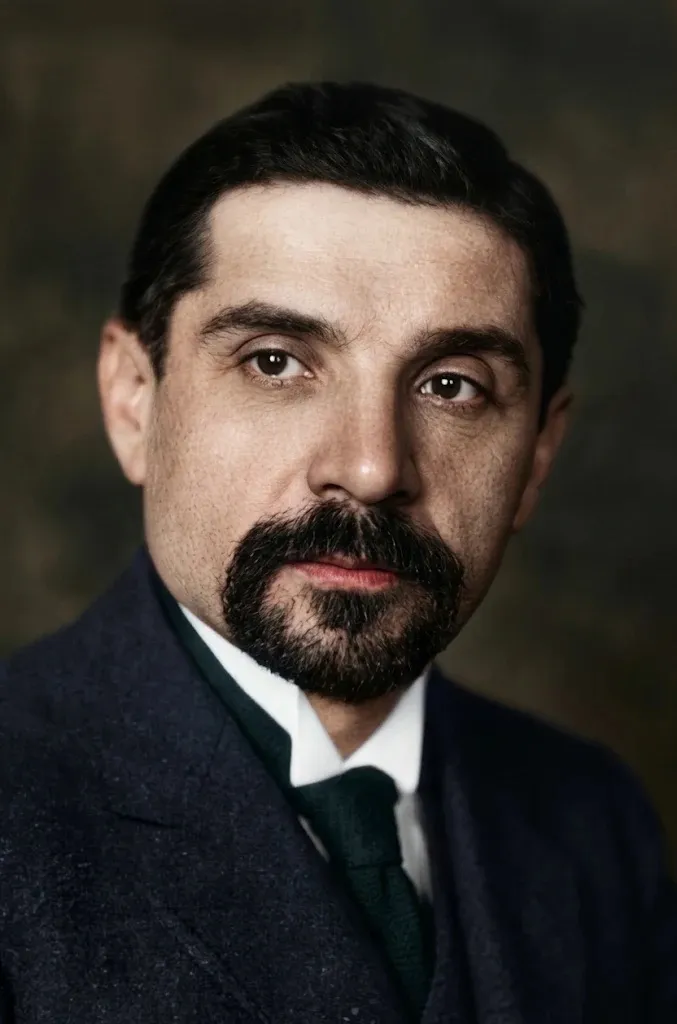
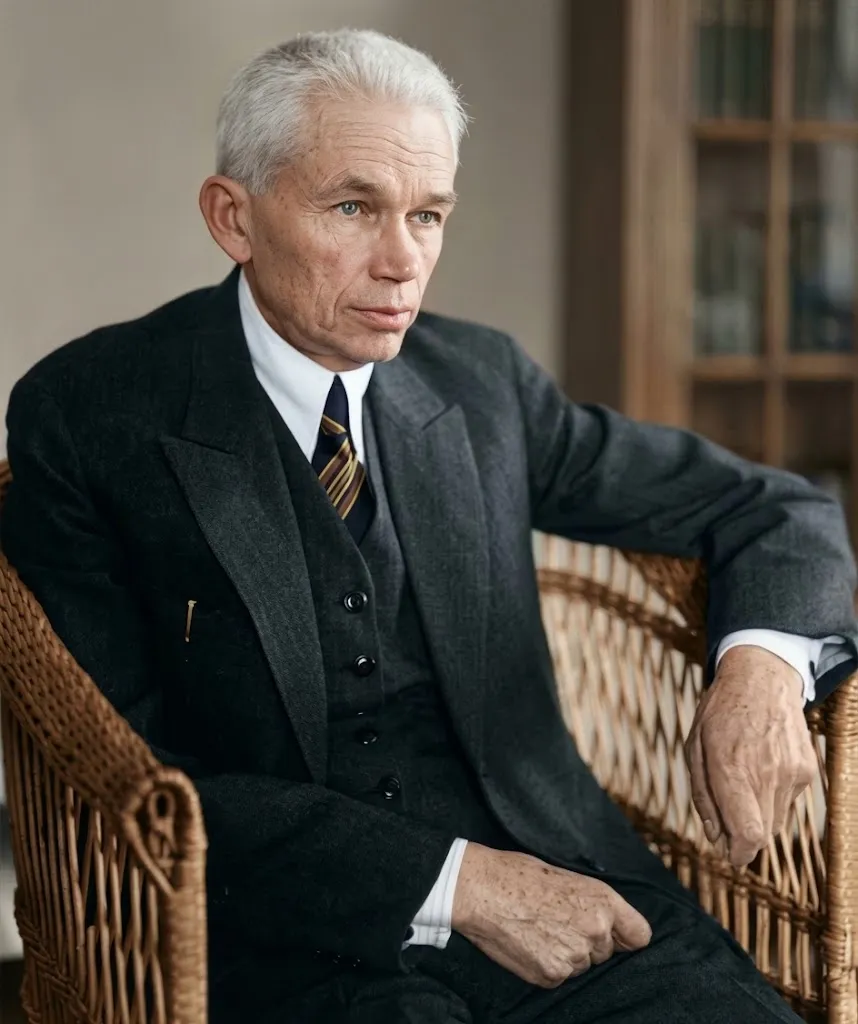
Ahatanhel Krymskyi
Orientalist, secretary of the Academy
At 18 he knew 8 languages; how many he mastered in all is still debated: some say 34, others over 60. Ahatanhel Krymskyi laid the foundations of Oriental studies in Ukraine and became one of the first members of the Ukrainian Academy of Sciences.
Key accomplishments
- One of the founding academicians of the Ukrainian Academy of Sciences (1918), its permanent secretary and head of its Historical-Philological Division
- Works on the history of Islam, the Arabs, Turkey and Persia and their literatures; a founder of Oriental studies in Ukraine
- Supervised The Main Rules of Ukrainian Orthography (1921); scholarly editor of the Russian-Ukrainian Dictionary (1924–1933)
- Refuted the Pogodin–Sobolevsky hypothesis that the language of ancient Kyiv was not Ukrainian
- The poetry collection Palm Branches, the novel Andrii Lahovskyi, and translations from Arabic, Persian and Turkish
How many languages can one person know?
At 18, Ahatanhel Krymskyi knew 8 languages. How many he had mastered by the end of his life is still debated: some say 34, others more than 60. He was born in 1871 in Volodymyr-Volynskyi (today Volodymyr) and grew up in Zvenyhorodka. His family had Crimean Tatar and Belarusian roots: its founder was a mullah from Bakhchysarai who converted to Christianity. Krymskyi himself called himself a conscious Ukrainian.
An Arabist who wrote in Ukrainian
An Arabic scholar in Moscow, and at the same time a Ukrainian poet and translator. Krymskyi studied Arabic at the Lazarev Institute of Oriental Languages and later became a professor there; in 1896–1898 he worked in Lebanon and Syria. Influenced by Mykhailo Drahomanov, with whom he also argued in the press, he took up the Ukrainian language and history. He corresponded with Lesya Ukrainka and Ivan Franko, wrote poetry and prose, and wrote histories of Islam, the Arabs, Turkey and Persia. He translated Omar Khayyam’s Rubaiyat, A Thousand and One Nights and the songs of Hafiz into Ukrainian.
How an Orientalist built an academy
The 1918 law on the Ukrainian Academy of Sciences was drafted by Krymskyi together with Volodymyr Vernadskyi, who had invited him to Kyiv. The academy was founded under Hetman Pavlo Skoropadskyi, and Krymskyi became one of its first academicians and its permanent secretary. He supervised The Main Rules of Ukrainian Orthography (1921). He gave the academy his valuable library of tens of thousands of volumes; it is now part of the National Library of Ukraine.
Dismissed, but not stopped
After the show trial of the “Union for the Liberation of Ukraine” (1929–1930), Krymskyi was dismissed from all his academic posts, but he kept working: in his last years he wrote a history of the Khazars, though it never came out in his lifetime. In July 1941 the NKVD arrested the 70-year-old scholar on charges of Ukrainian nationalism. He died in a prison hospital in Kustanai (Kazakhstan); the date is given as 25 January 1942. He was rehabilitated in 1957.
Why it matters today
Ahatanhel Krymskyi proved that Ukrainian scholarship could be world-class and still speak Ukrainian. Thanks to the Oriental studies he founded, Ukraine began to study the Arab world, Turkey and Persia on its own terms and in its own language, and the spelling rules drawn up under his direction gave written Ukrainian a shared standard. A man of Crimean Tatar and Belarusian roots, he called himself a conscious Ukrainian: being Ukrainian is a choice, not only a matter of birth. He belonged to the generation that in 1918 built the institutions of a Ukrainian state of its own, and anyone who does science in Ukrainian today carries that work on.