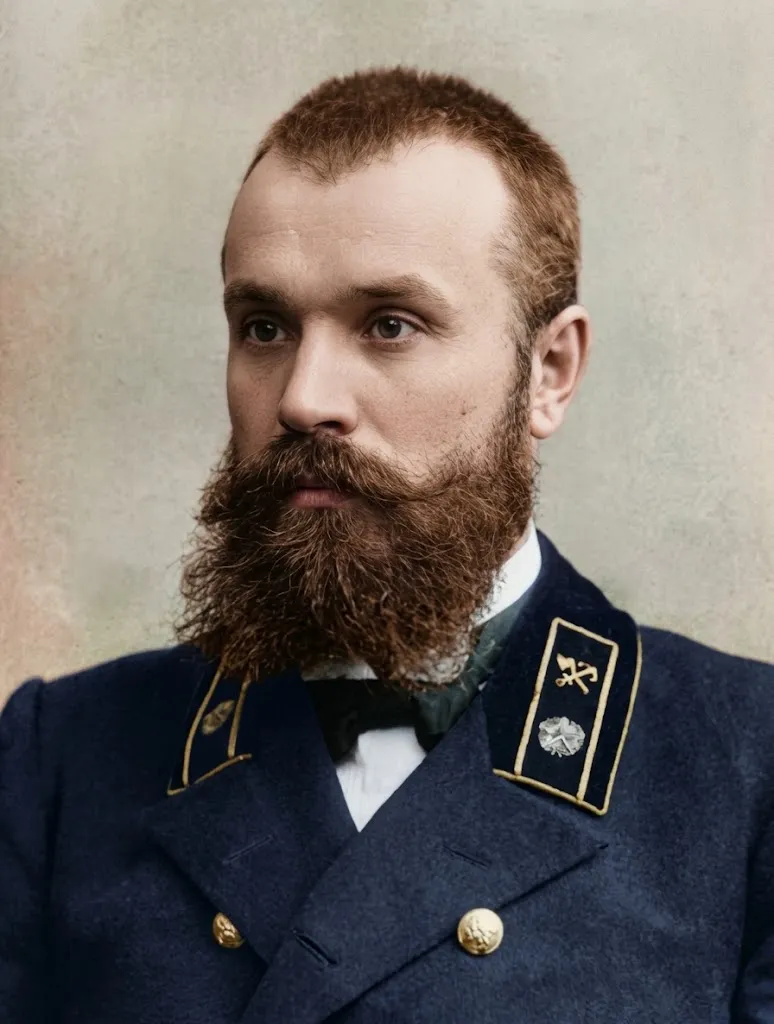
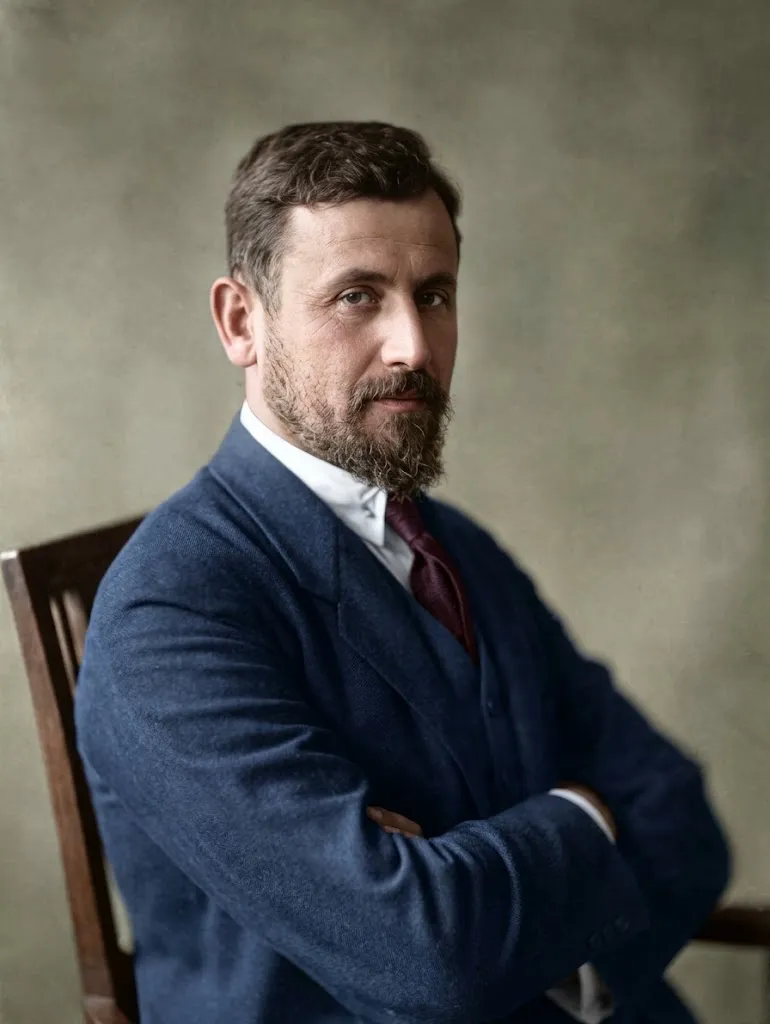
1881–1946
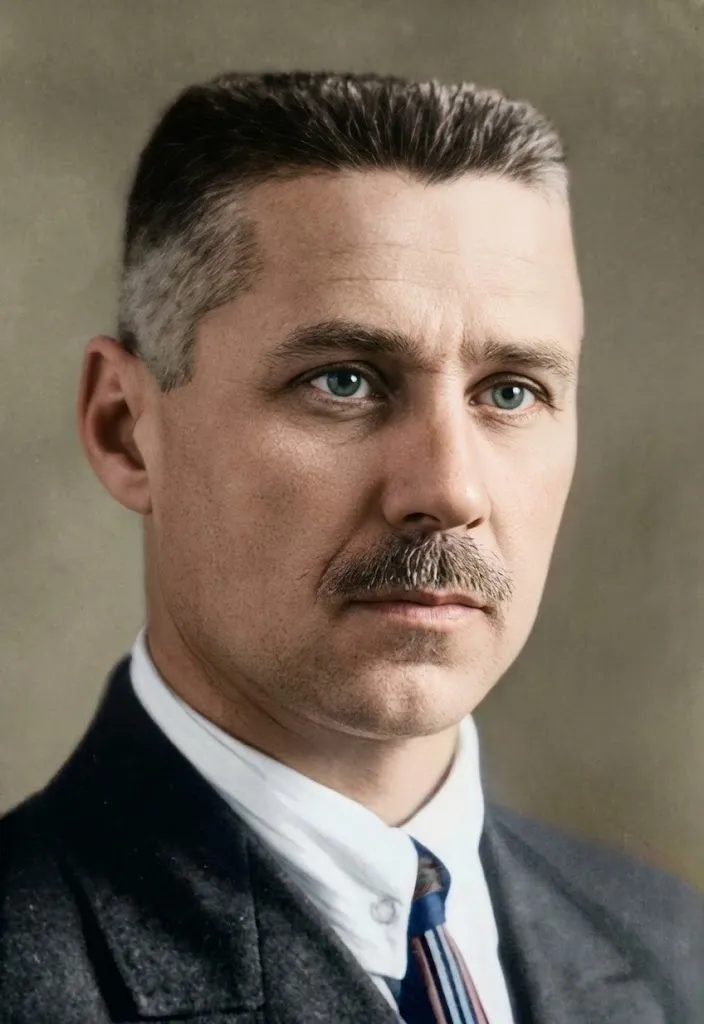
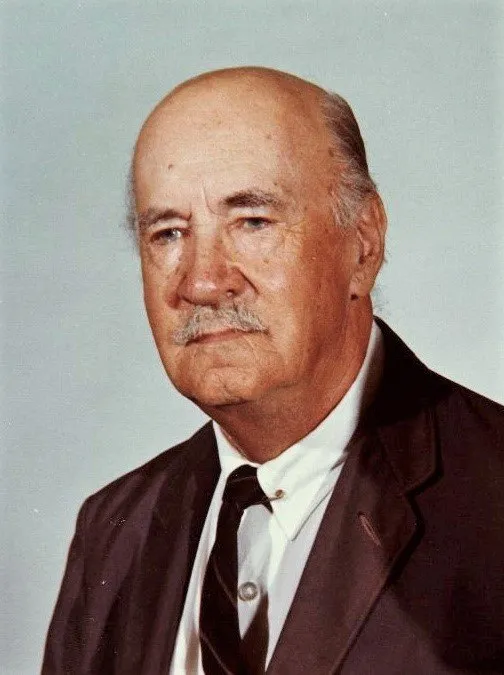
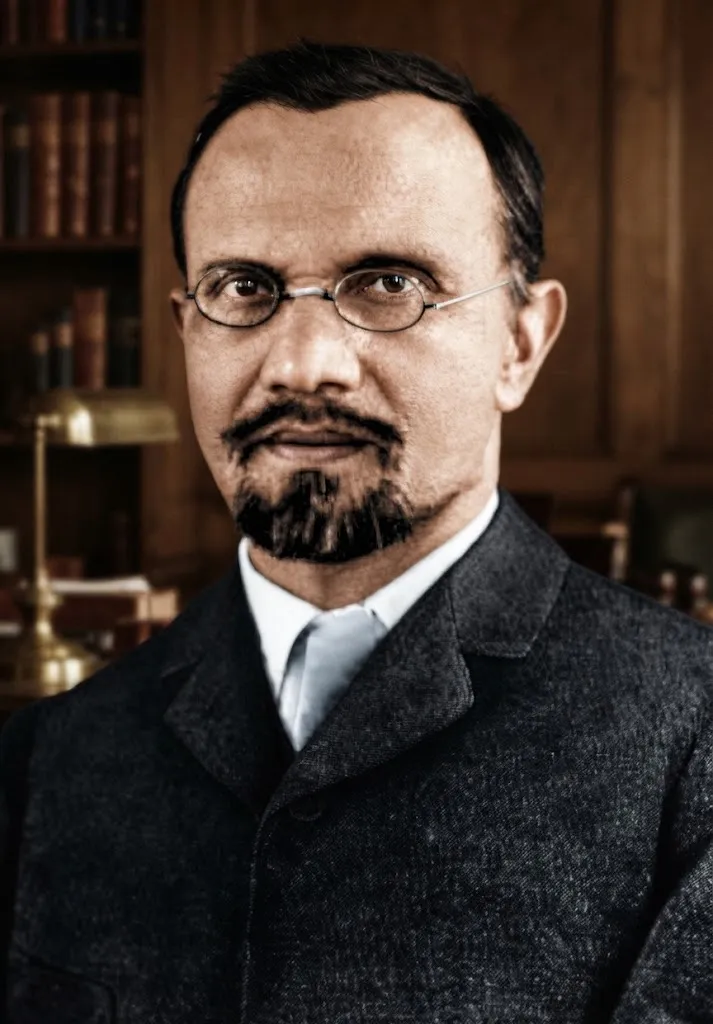
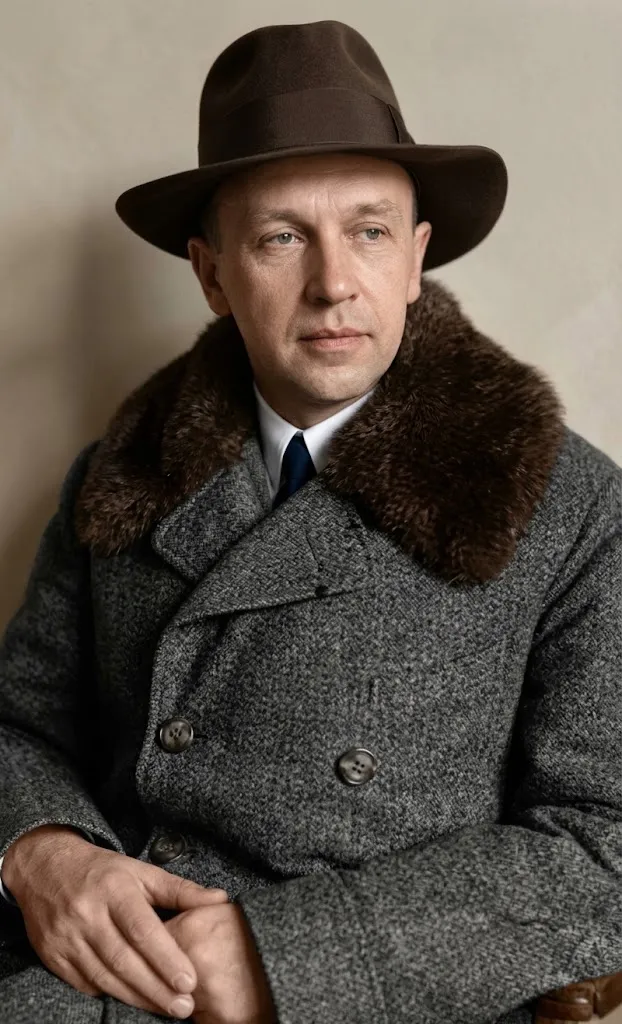
Oleksandr Bohomolets
Pathophysiologist, Academy president
He was born in a prison and rose to head the Academy of Sciences. Oleksandr Bohomolets, a pathophysiologist from Kyiv, showed that the course of a disease depends not only on its cause but on the body’s own strength. He led the Academy of Sciences of the Ukrainian SSR for 16 years.
Key accomplishments
- President of the Academy of Sciences of the Ukrainian SSR (1930–1946)
- Founder of a large school of pathophysiologists
- A theory of the protective role of connective tissue and the body’s resistance to disease
- An antireticular cytotoxic serum that brought him international recognition
- Founded institutes in Kyiv that became the Institute of Physiology named after him in 1953
Born behind bars
Oleksandr Bohomolets was born in 1881 in Kyiv, in the Lukianivska prison. His mother, Sofiia Bohomolets, was held there on trial for her part in the revolutionary movement. The baby was handed to his grandfather, and she did not see her son for many years. His father, a country doctor, was also involved in the revolutionary movement.
From law to medicine
Bohomolets went to school in Nizhyn, Chișinău and Kyiv. He entered the law faculty of Kyiv University, switched to medicine and graduated from Novorossiysk University in Odesa (1906). He was influenced by the work of Ilya Mechnikov, who had worked in Odesa before him. In 1909 Bohomolets defended his doctoral thesis in St Petersburg. He then taught as a professor in Saratov and, from 1925, in Moscow, where he headed the Institute of Hematology and Blood Transfusion.
Why do some people fall ill and others don’t?
Bohomolets argued that how a disease runs, and whether you recover, depends not only on the germ or other cause but on how well the body resists. In his view the nervous system and connective tissue mattered most. He showed that connective tissue protects and nourishes the body, and he created an antireticular cytotoxic serum to stimulate these defences. It brought him international recognition.
Sixteen years at the head of the Academy
In 1930 Bohomolets was elected president of the Academy of Sciences of the Ukrainian SSR, the academy first led in 1918 by Volodymyr Vernadskyi. The next year he moved to Kyiv and founded the Institute of Experimental Biology and Pathology and the Institute of Clinical Physiology. He led the Academy until his death on 19 July 1946. In 1944 he was named a Hero of Socialist Labour.
Why it matters today
Oleksandr Bohomolets showed that a doctor should ask not only what caused a disease but how well the body itself resists it. His ideas did not stay on paper: he founded institutes in Kyiv that grew into the Institute of Physiology named after him, built a large school of pathophysiologists, and his son and granddaughter carried on his work. A man born in a prison led the Academy of Sciences for 16 years, proof that where a life begins does not decide how far it goes. Today the National Medical University in Kyiv, where future doctors train, bears his name.