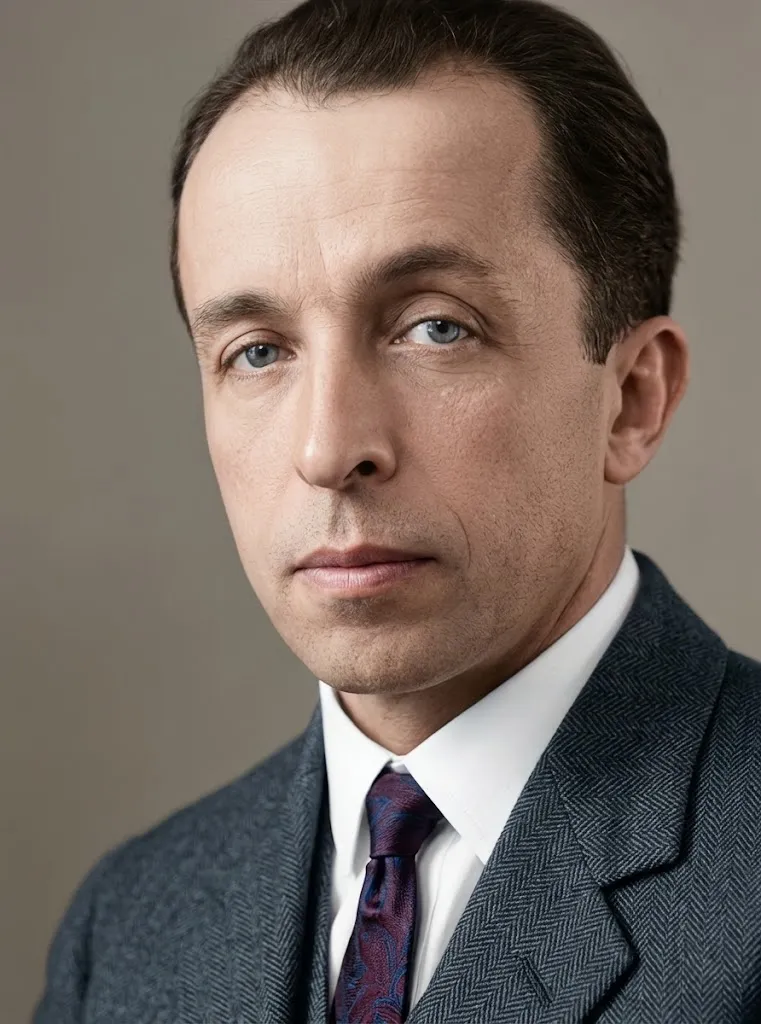
1855–1940
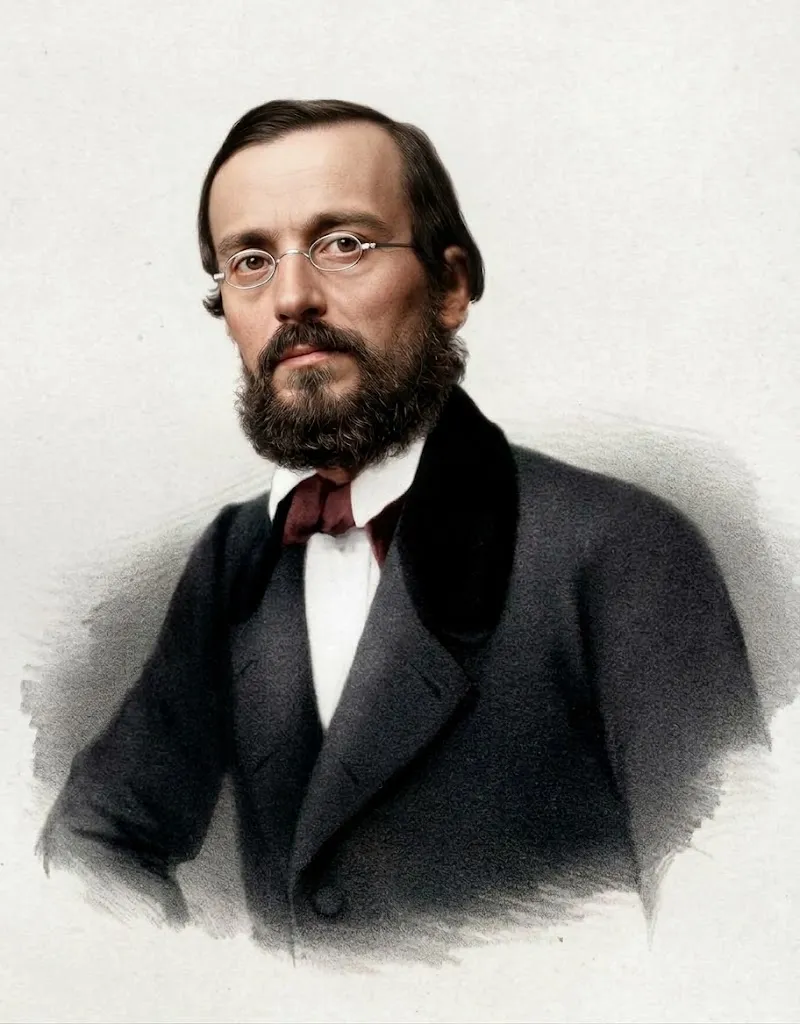
Dmytro Yavornytskyi
Historian of the Zaporozhian Cossacks
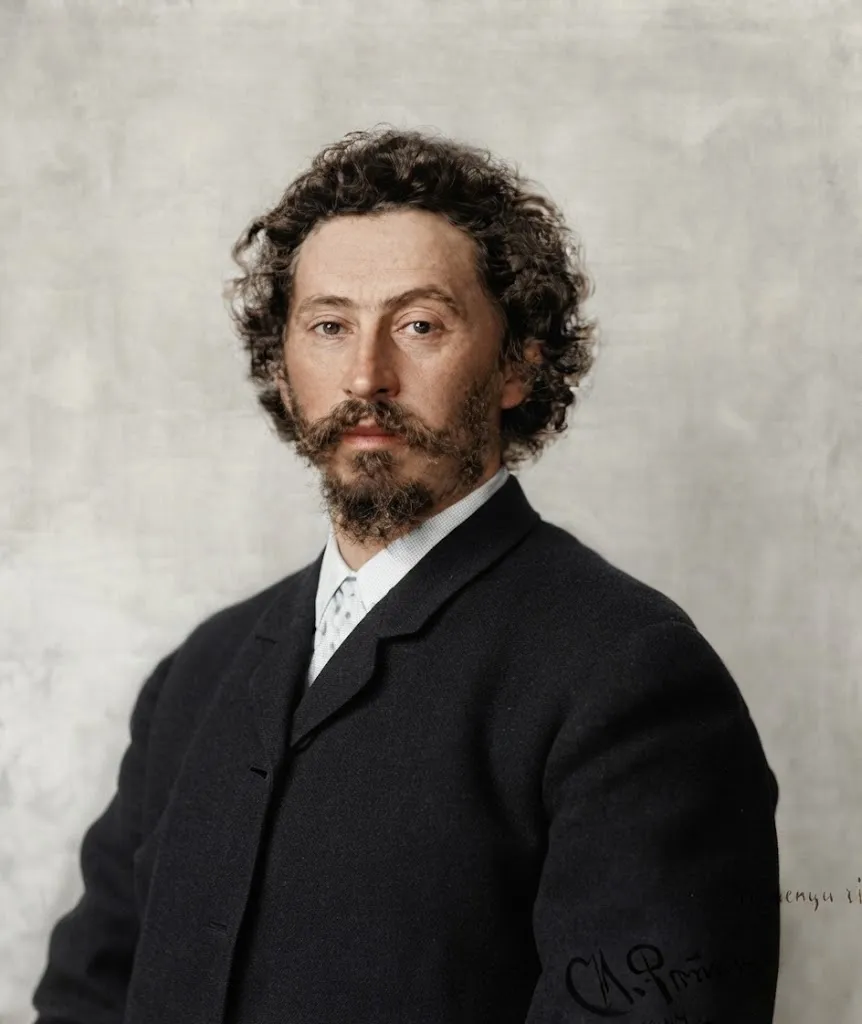
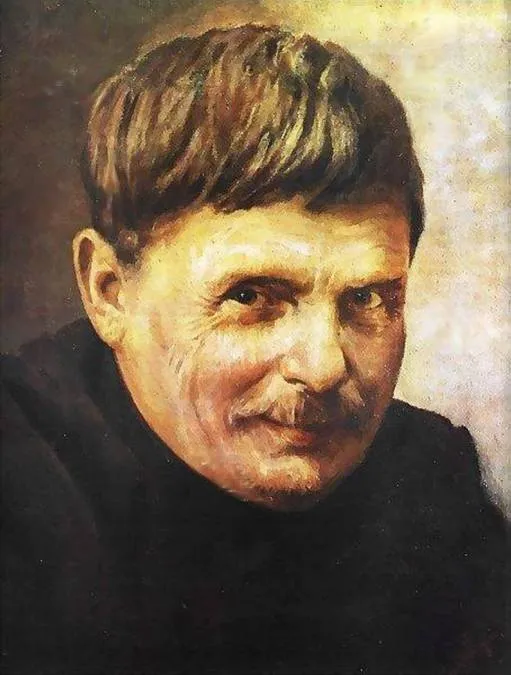
Look at the scribe at the centre of Illia Riepin’s Zaporozhian Cossacks: the historian Dmytro Yavornytskyi posed for him. The “Cossack Father” wrote a three-volume history of the Zaporozhians, gathered about 80,000 objects in Katerynoslav and saved relics of the Dnipro Rapids before the flood.
Key accomplishments
- The three-volume History of the Zaporozhian Cossacks (1892–1897)
- The first biography of Ivan Sirko (1894)
- Historical adviser and the model for the scribe in Illia Riepin’s Reply of the Zaporozhian Cossacks
- Director of the Katerynoslav (Dnipro) history museum (1902–1933): its holdings grew from 5,000 to about 80,000 objects
- Head of the archaeological expedition in the area flooded by the Dnipro dam (1927–1932); the book The Dnipro Rapids (1928)
- A Dictionary of the Ukrainian Language: about 40 years of work, first volume (1920)
- Academician of the All-Ukrainian Academy of Sciences (1929), more than 200 works
The scribe in Riepin’s painting
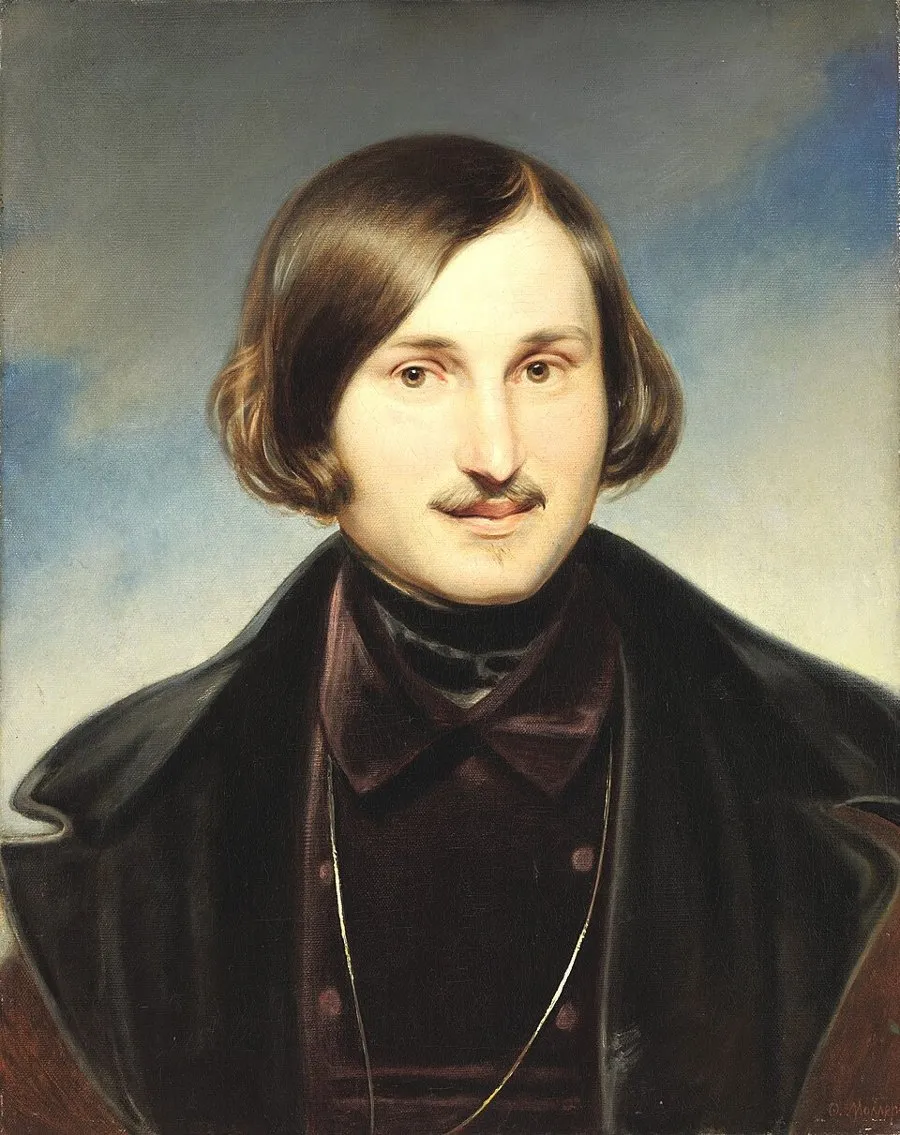
Look at the scribe in the middle of Illia Riepin’s Reply of the Zaporozhian Cossacks. The man who posed for him was the historian Dmytro Yavornytskyi. He was also the painter’s adviser: he lent objects from his collection and found models for the canvas. Yavornytskyi fell for the Cossacks as a boy, at the age of six, when his father read Mykola Hohol’s Taras Bulba aloud to him. He was born on 6 November 1855 in the village of Sontsivka in Sloboda Ukraine, the son of a village church cantor.
Lectures that cost him his job
In 1881 Yavornytskyi graduated from Kharkiv University and was kept on to prepare for a professorship. His superiors told him: “We don’t need your Zaporozhians. Write about Finland.” Yavornytskyi refused, and after his public lectures on the Zaporozhian Cossacks officials called his views “Ukrainophilia”, and he lost the post. In St Petersburg it happened again: in 1891 the education minister banned him from teaching over his “tendentious” lectures. He worked in Central Asia, where he was one of the founders of a local history museum in Samarkand, then in Warsaw and Moscow, and kept writing all the while.
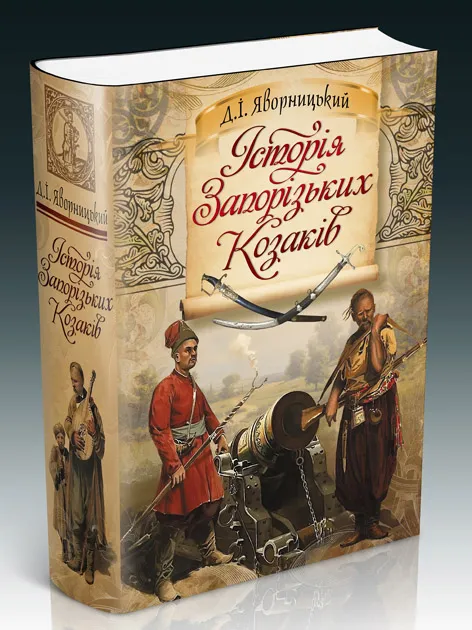
A history of the Zaporozhians in three volumes
From 1892 to 1897 his three-volume History of the Zaporozhian Cossacks came out, and in 1894 the first biography of Ivan Sirko. He also recorded folk songs, and was one of the first to use a phonograph to do it. No wonder he was called the “Nestor of Zaporizhzhia”, after the ancient chronicler. His album From Ukrainian Antiquity (1900) was illustrated by Serhii Vasylkivskyi and Mykola Samokysh.
A museum in Katerynoslav
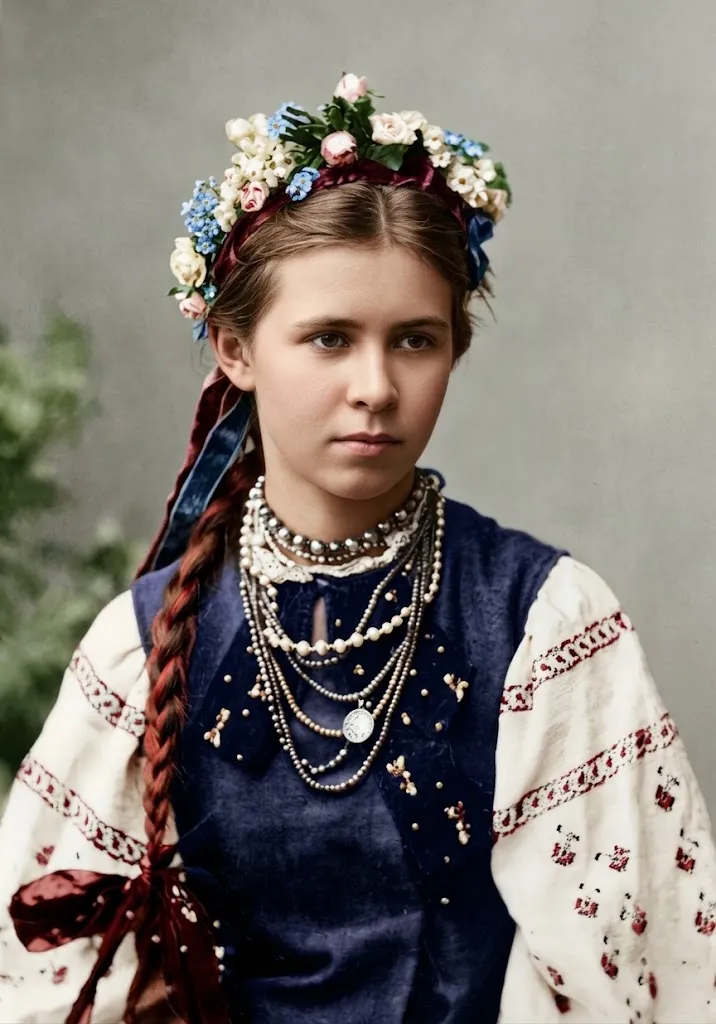
In 1902 Yavornytskyi took charge of the history museum in Katerynoslav, today Dnipro. He planned its building himself, and in thirty years its holdings grew from 5,000 to about 80,000 objects, making it one of the richest museums in Ukraine. In 1910 Yavornytskyi travelled to Egypt, and in Helwan he stayed with Lesya Ukrainka, who was there for her health. He worked on his Dictionary of the Ukrainian Language for about 40 years and, by his own account, collected more than 50,000 words, but only the first volume (1920), with more than 8,000 words, was ever printed. In 1927–1932, before the Dnipro dam flooded the Dnipro Rapids, he led an expedition that saved some 40,000 archaeological finds.
A “bourgeois nationalist”
In 1933 the Soviet authorities accused Yavornytskyi of “bourgeois nationalism”. He was dismissed from the museum and the university, his home was searched and he was questioned for several days, after which he was ill for a long time. He never worked again. He died on 5 August 1940, and in 1961, at the request of the city’s residents, he was reburied beside the museum that now bears his name.
Why it matters today
Yavornytskyi gave the Zaporozhian Cossacks back to Ukrainians as living history: his books, finds and recorded songs still underlie what we know about the Sich. He saved thousands of relics that would otherwise have vanished under water or been forgotten, and built a museum that still tells Dnipro about its past. Even after losing his work and being persecuted, he never gave up on it. Anyone who keeps the memory of their land alive follows his path.