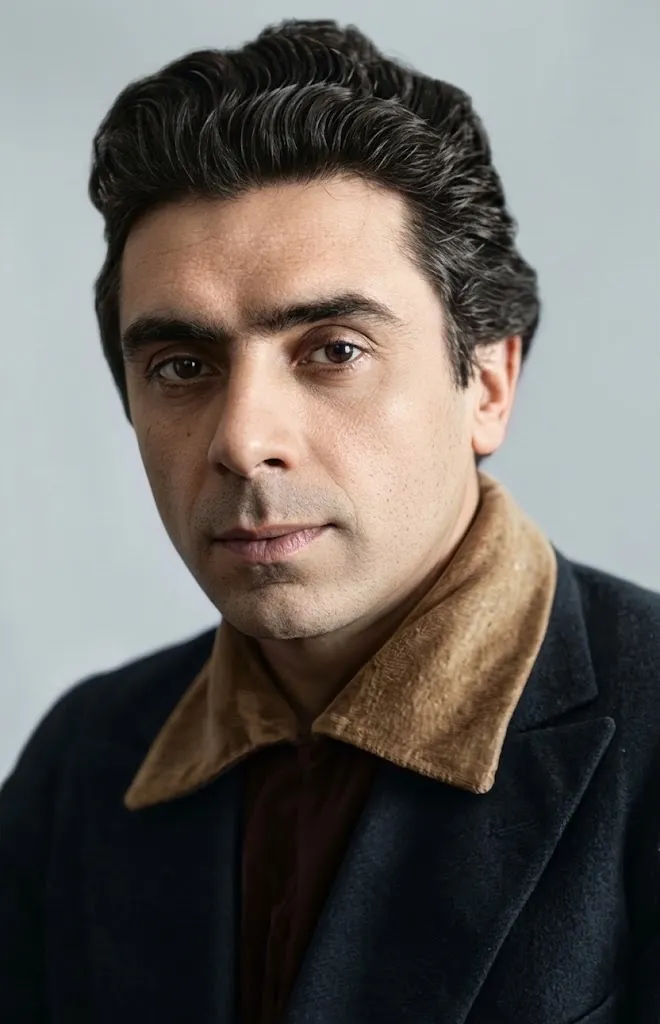
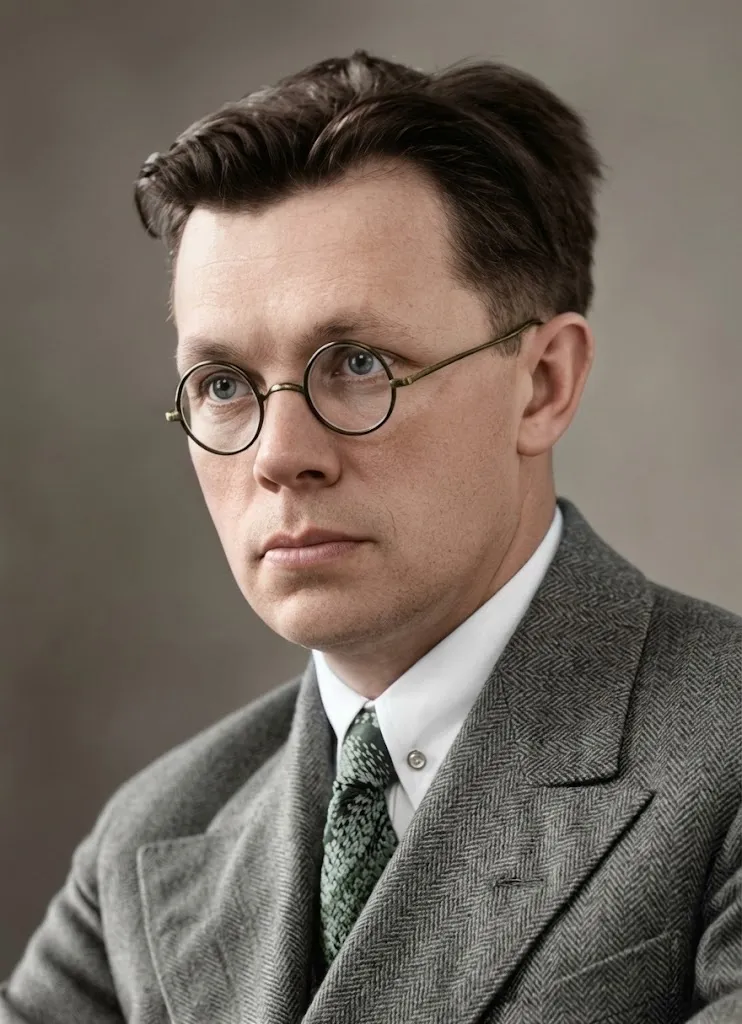
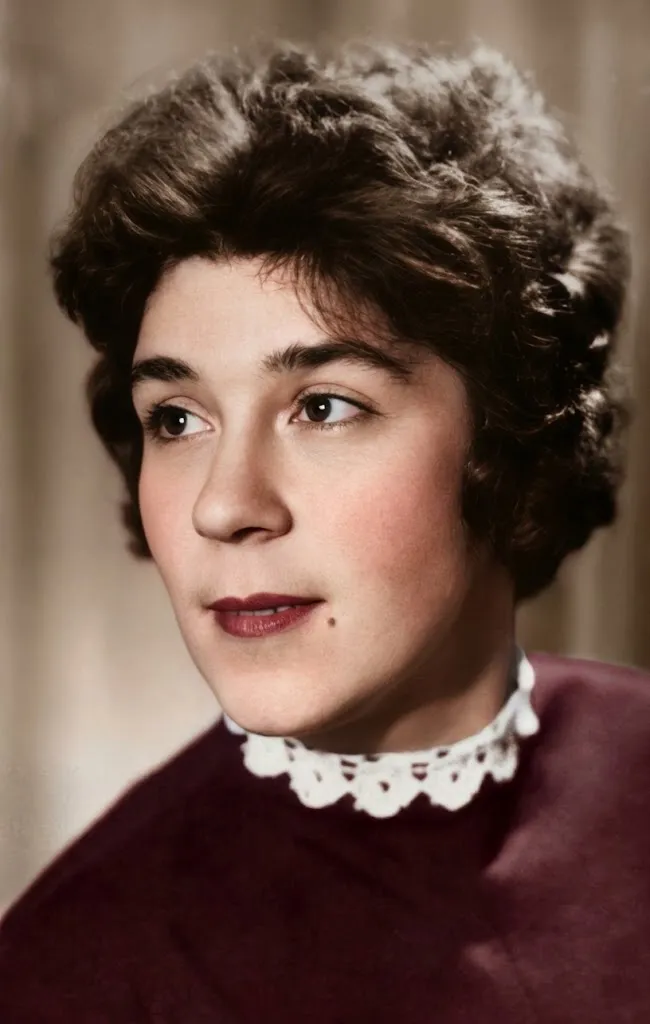
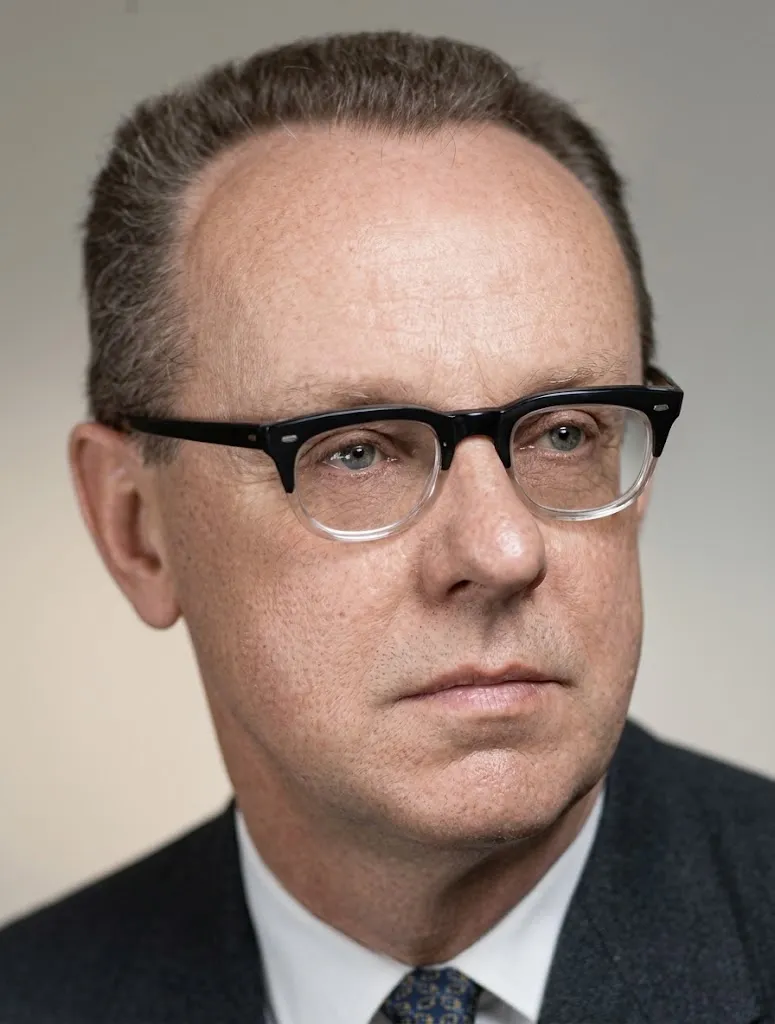
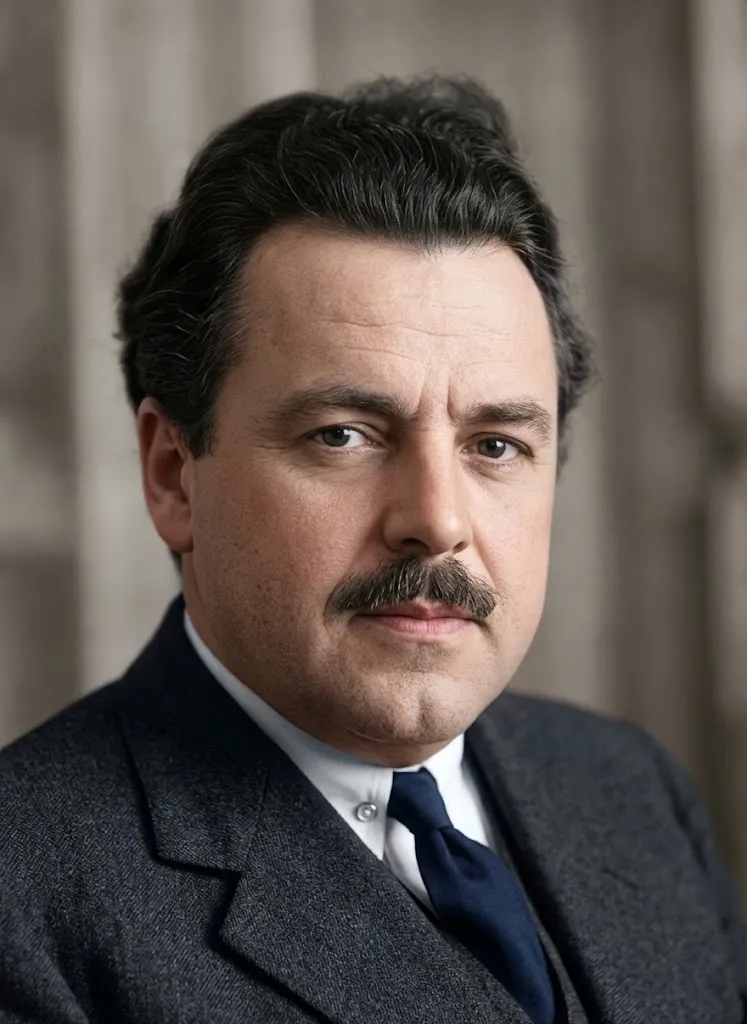
1884–1961
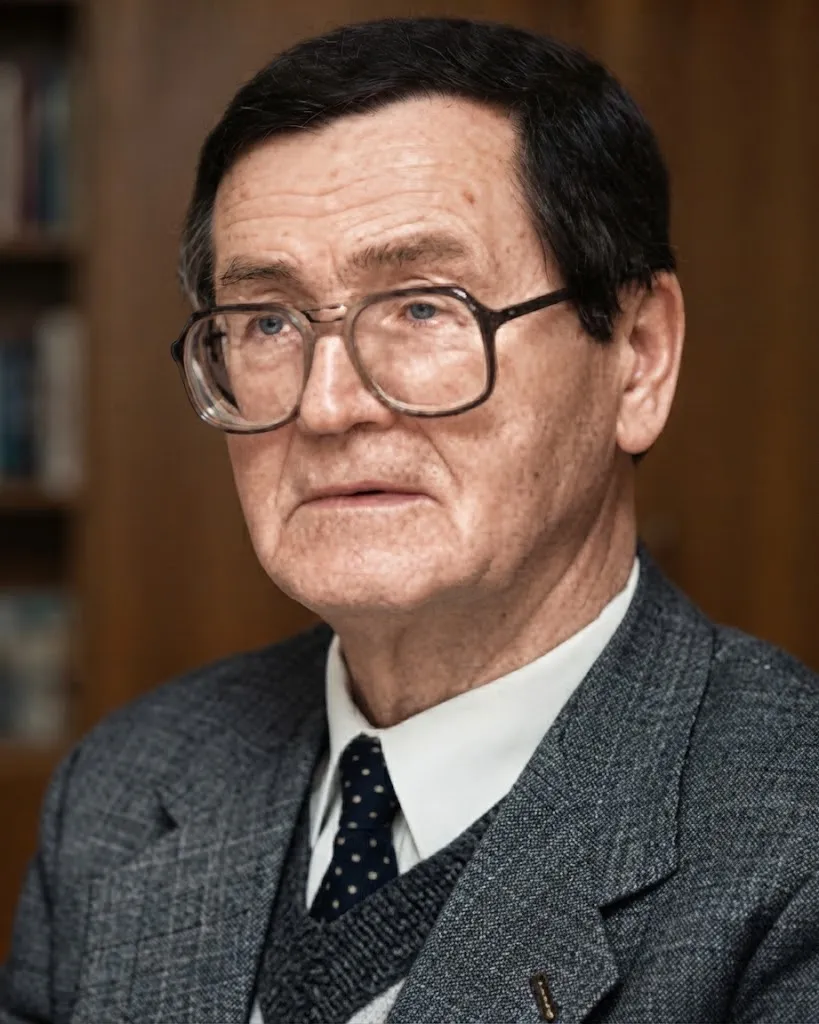
Oleksandr Biletskyi
Literary scholar, academician
He mocked those who saw Ukrainian literature as a mere “provincial variant” of russian literature, and placed it among the literatures of the world. Oleksandr Biletskyi, academician and head of the Institute of Literature, was among the first to champion the new generation of writers of the 1920s.
Key accomplishments
- The survey Twenty Years of New Ukrainian Lyric Poetry (1924) and essays on the new prose of the 1920s
- One of the founders of the Kharkiv Fairy Tale Theater, later the Theater for Young Audiences
- Director of the Institute of Literature of the Ukrainian SSR Academy of Sciences (1939–1941, 1944–1961); academician of the Ukrainian (1939) and USSR (1958) academies
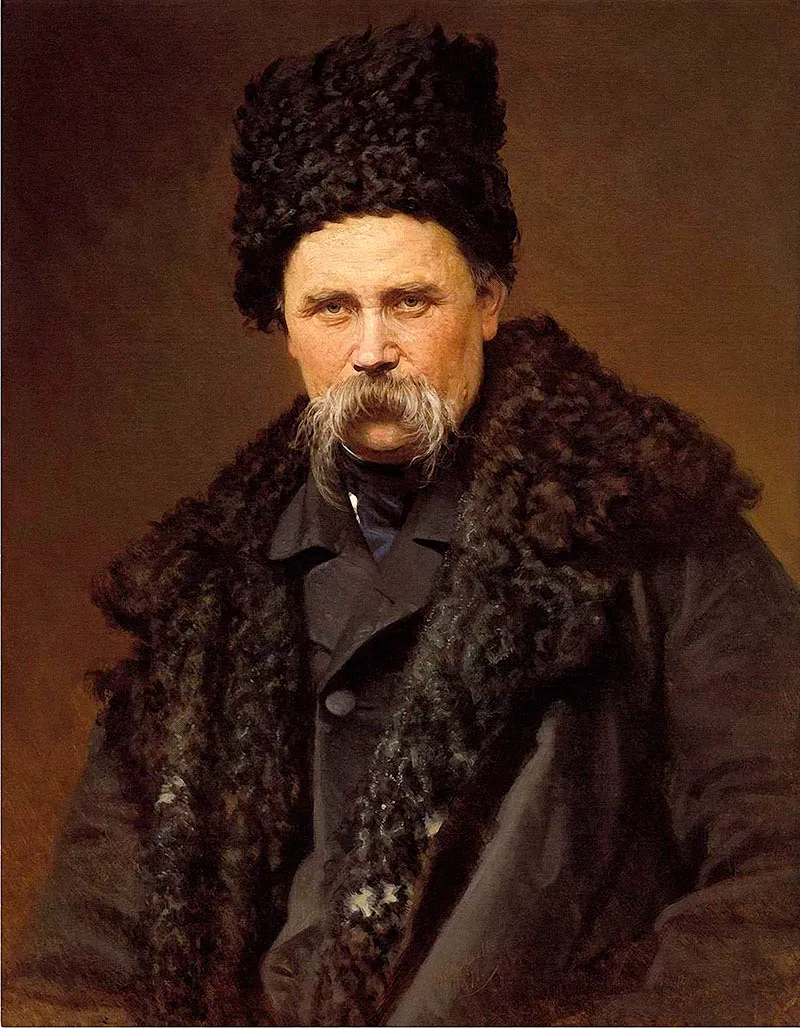
- Essays on Ukrainian literature among the literatures of the world, on Shevchenko and the Slavic world, and on Franko’s world significance
- Editor of the two-volume History of Ukrainian Literature (1954–1957) and a reader of Old Ukrainian literature
- More than 600 works; a prize for literary and art criticism bears his name
A province or the world?
Is Ukrainian literature only a “provincial variant” of russian literature? That is how the empire and then the USSR presented it, and the academician Oleksandr Biletskyi openly mocked such “influence hunters”. He was born in 1884 near Kazan, the son of a soil scientist, and grew up in Kharkiv. In 1907 he graduated from Kharkiv University, where he had won a gold medal for a study of the German legend of Faust.
Theater and the vertep
After the revolution Biletskyi ran the repertoire and theater-history departments of the All-Ukrainian Theater Committee and was among the founders of the Kharkiv Fairy Tale Theater, later the Theater for Young Audiences. He called the Ukrainian vertep, the traditional nativity puppet show, the Ukrainian form of the world’s puppet theater.
Who spotted the new writers first
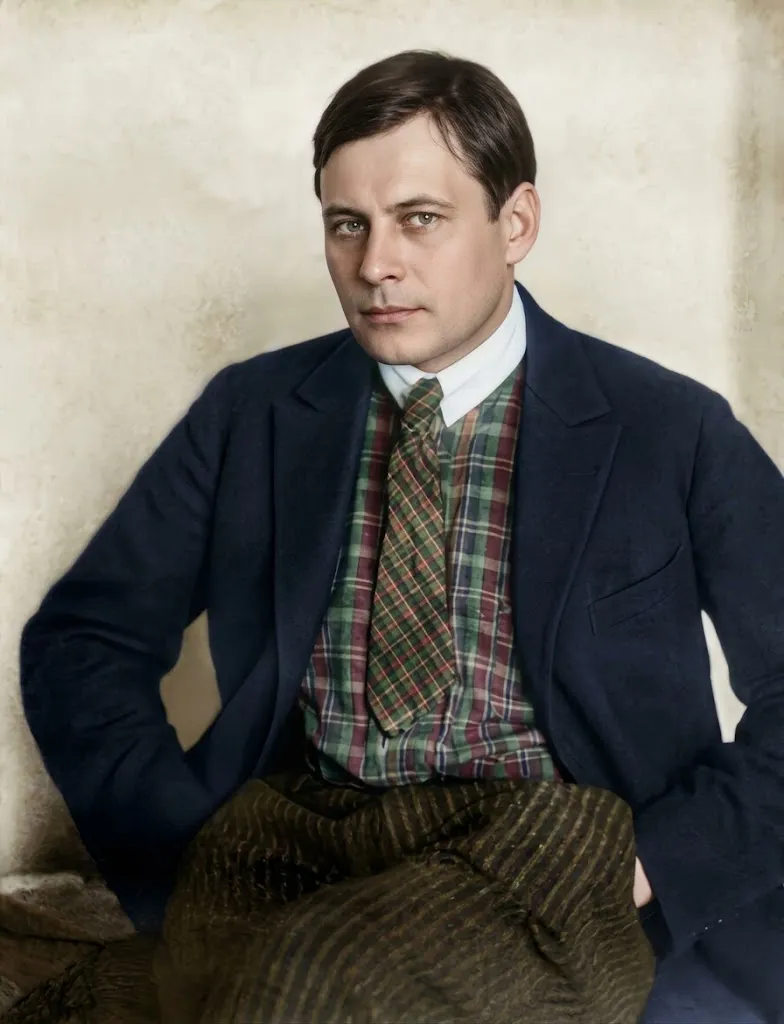
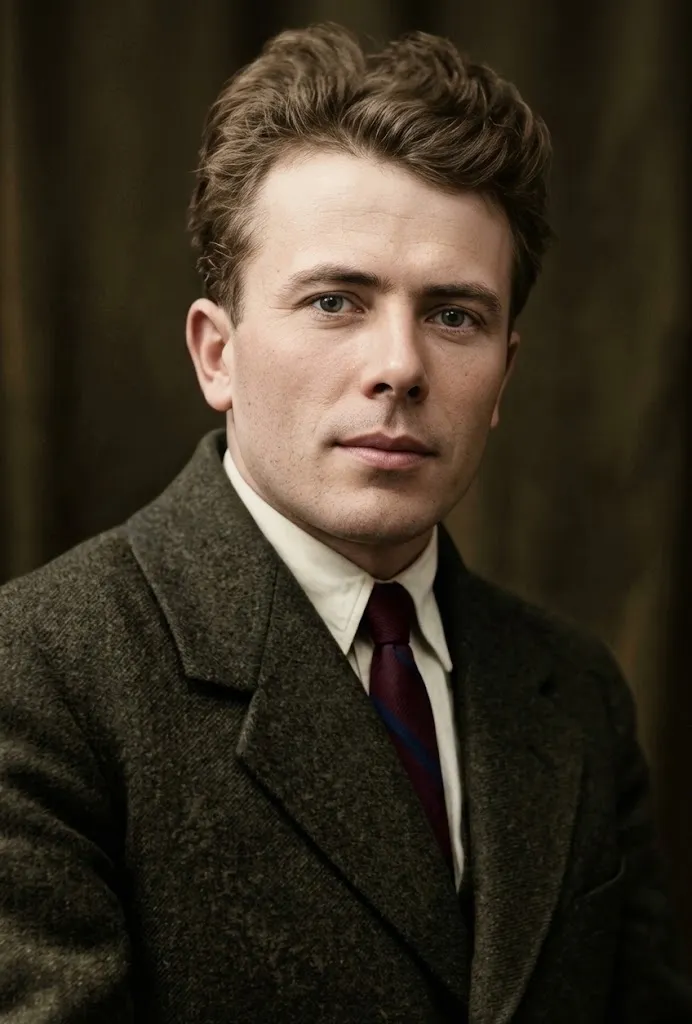
In the 1920s Biletskyi became one of the first critics of the new Ukrainian literature. His survey Twenty Years of New Ukrainian Lyric Poetry (1924) was a landmark, and in an essay on the prose of 1925 he was among the first to notice Yurii Yanovskyi and Petro Panch. He welcomed Maik Yohansen, Hryhorii Kosynka and other young authors whose paths were soon cruelly cut short by the terror, and he called Mykola Khvylovyi “the founder of truly new Ukrainian prose”. For an anthology of ancient literature he recruited Mykola Zerov: “this cannot be done without Zerov”.
Ukrainian literature among the world’s
Biletskyi lived through the terror of the 1930s without being arrested. In 1939 he became an academician and director of the Institute of Literature, which he led, with a break during the war, until his death. In the late 1950s he wrote about Ukrainian literature’s place among the literatures of the world, about Shevchenko and the Slavic world, and about Franko’s world significance. His studies of Nechui-Levytskyi, Hrinchenko and Shchoholiv took apart the dogmas about writers branded “bourgeois nationalists”. Mykhailyna Kotsiubynska did her postgraduate work under him, and in Kharkiv Yurii Shevelov was his student. Oleksandr Biletskyi died in Kyiv on 2 August 1961.
Debates and assessments
Biletskyi worked under total ideological pressure. In the early 1930s he made a noticeable turn to vulgar sociology and formally distanced himself from the ideas of the linguist Oleksandr Potebnia when “Potebnianism” came under attack. The first volume of the History of Ukrainian Literature (1954), which he co-edited, followed the Stalinist conception of Ukrainian culture, and the volume on the Soviet period left out many banned and repressed writers. At the same time, scholars note that he accepted Marxist dogma mostly in words, stayed a scholar in his actual analysis, and took no part in the obligatory hounding of the “formalists”.
Why it matters today
Biletskyi placed Ukrainian literature alongside the literatures of the world and showed that it was not a province but an equal part of world culture. He was among the first to support the writers of the 1920s who were later destroyed, and kept their names in the history of literature. His students, such as Mykhailyna Kotsiubynska, became voices of the Sixtiers, and the prize in his name for literary criticism went to Ivan Dziuba, among others. Anyone who reads the Ukrainian classics as part of world literature carries his work on.