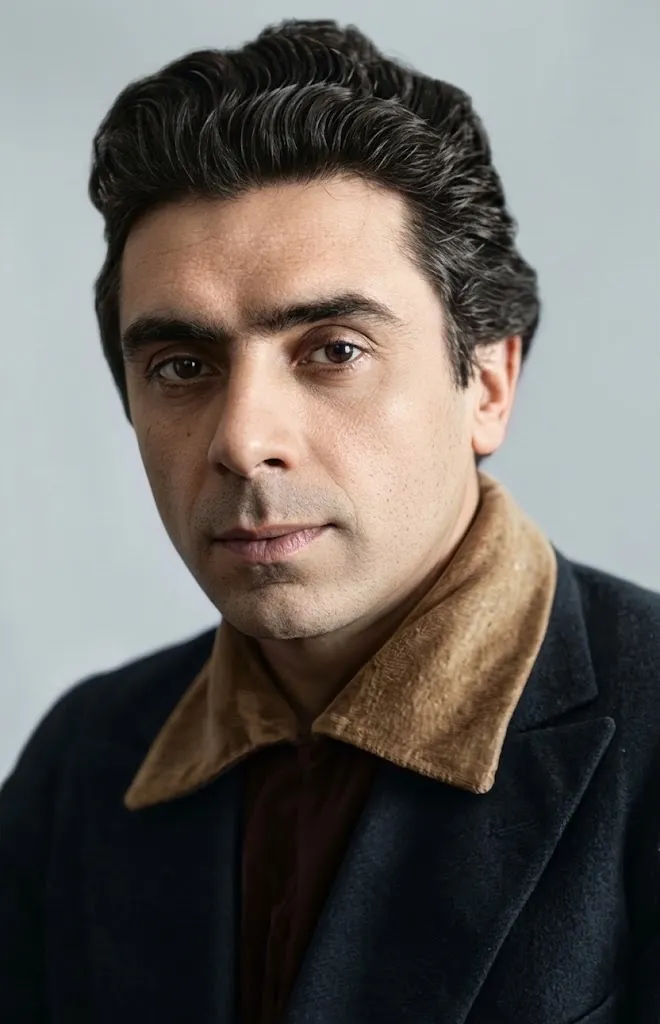
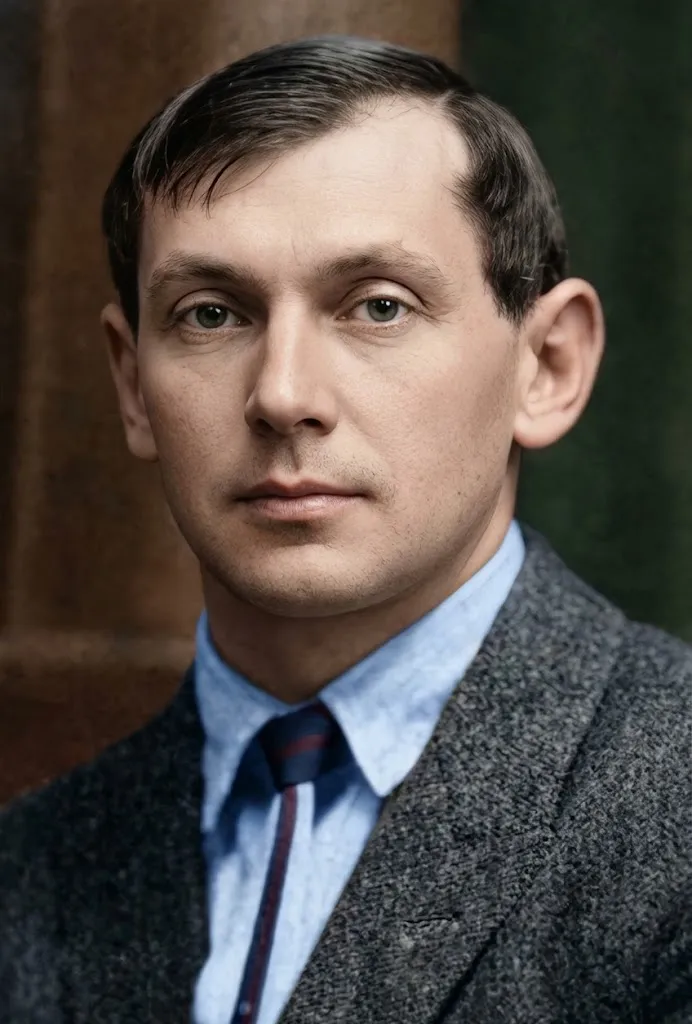
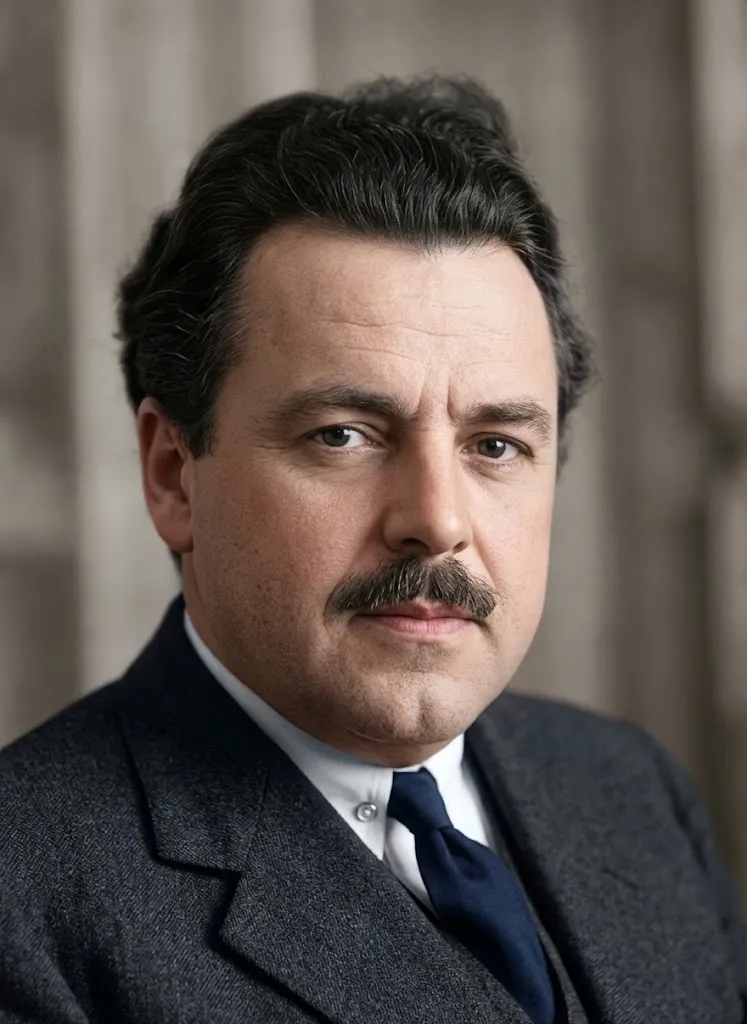
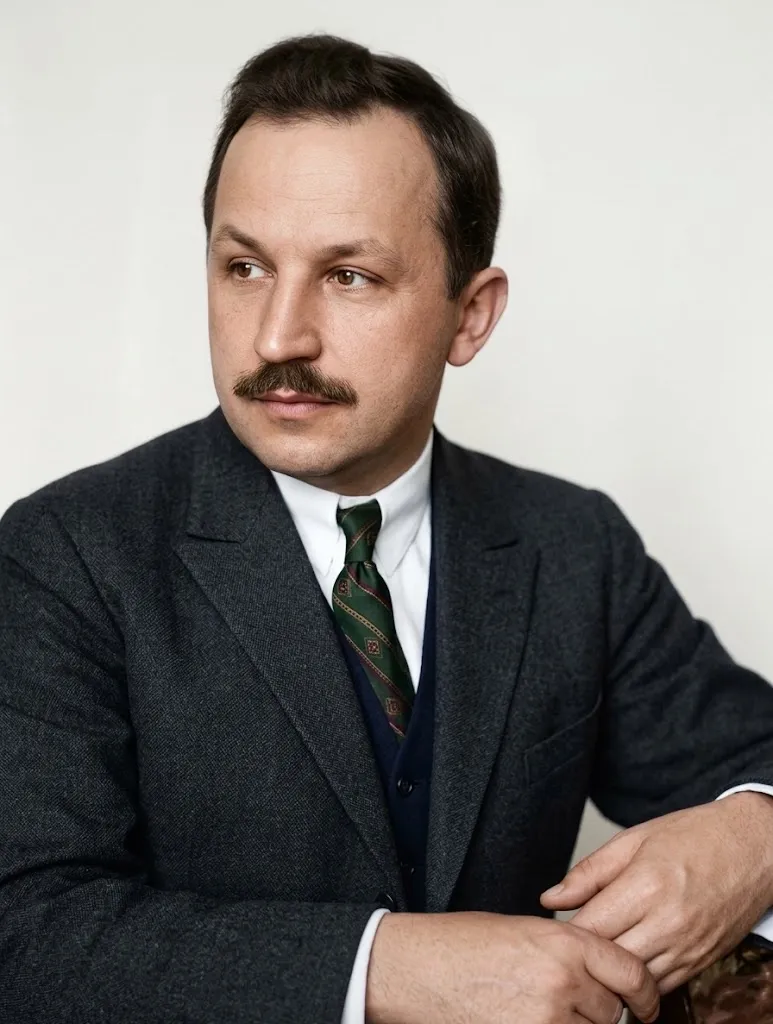
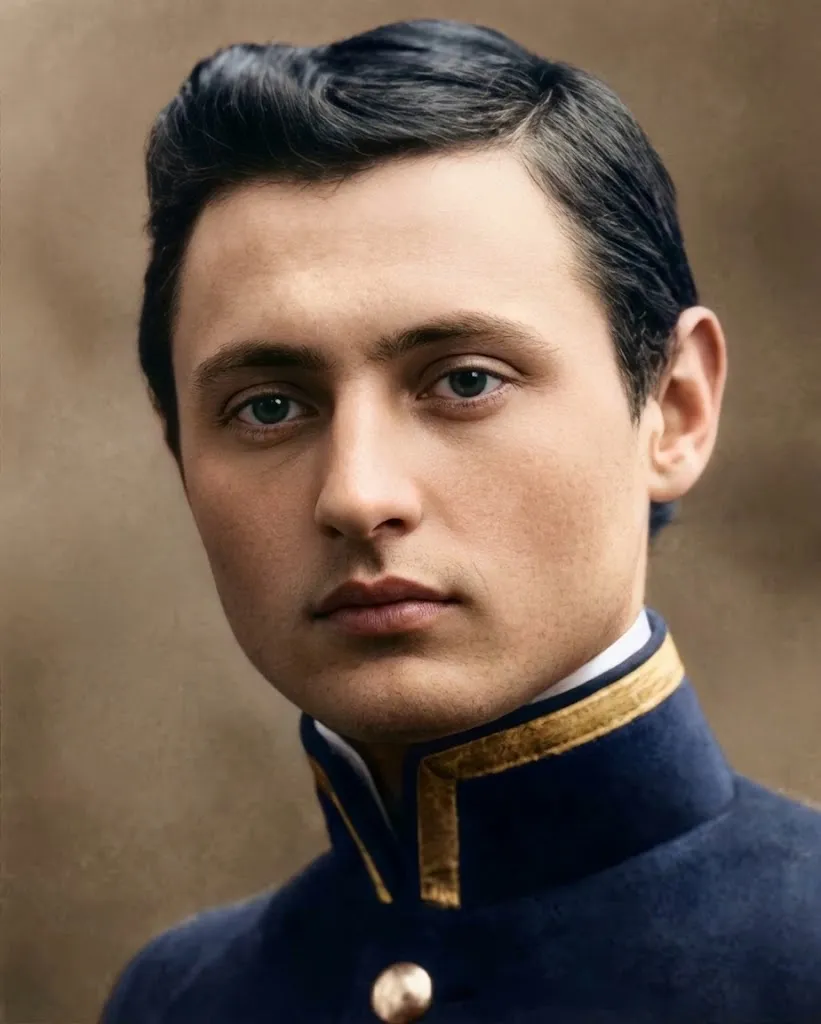
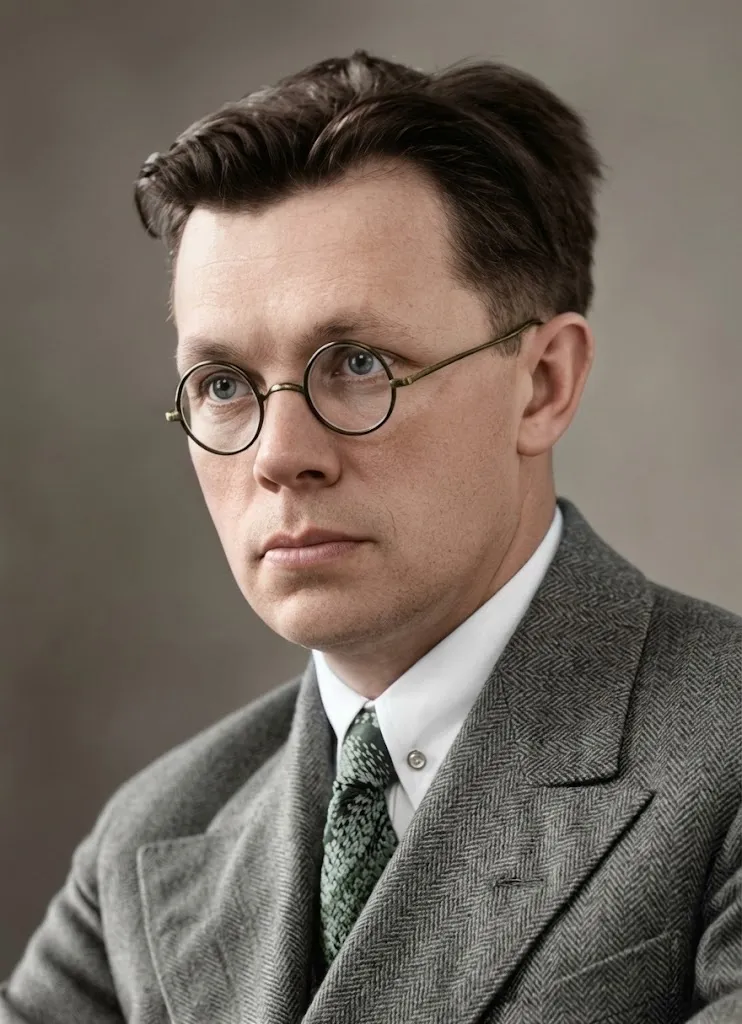
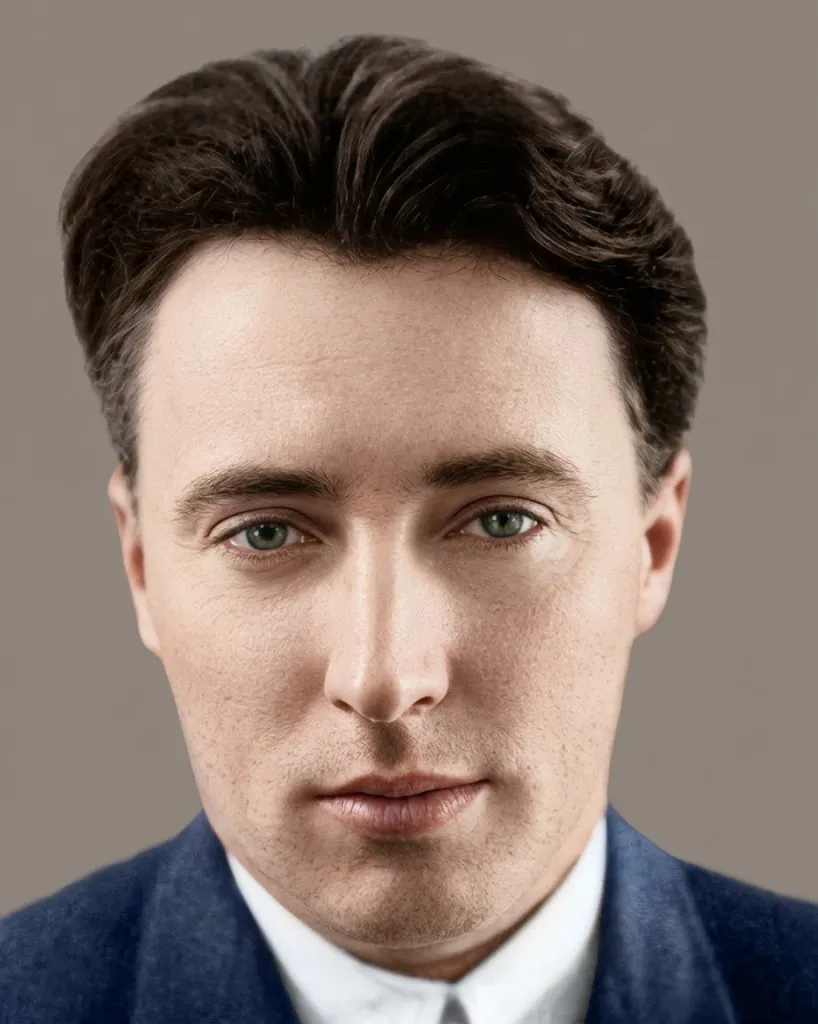
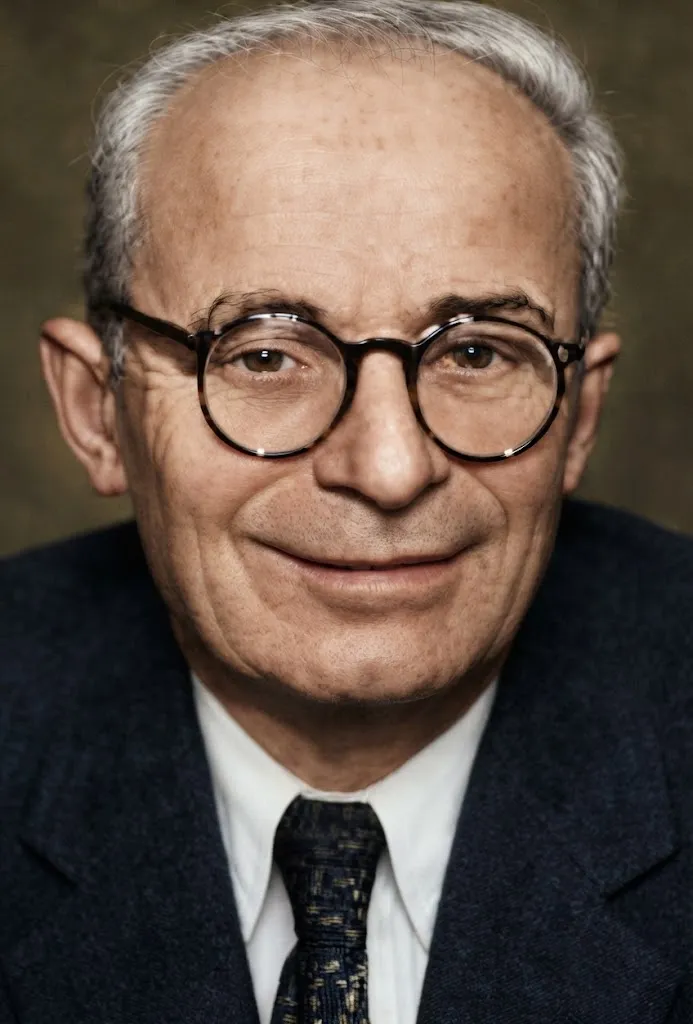
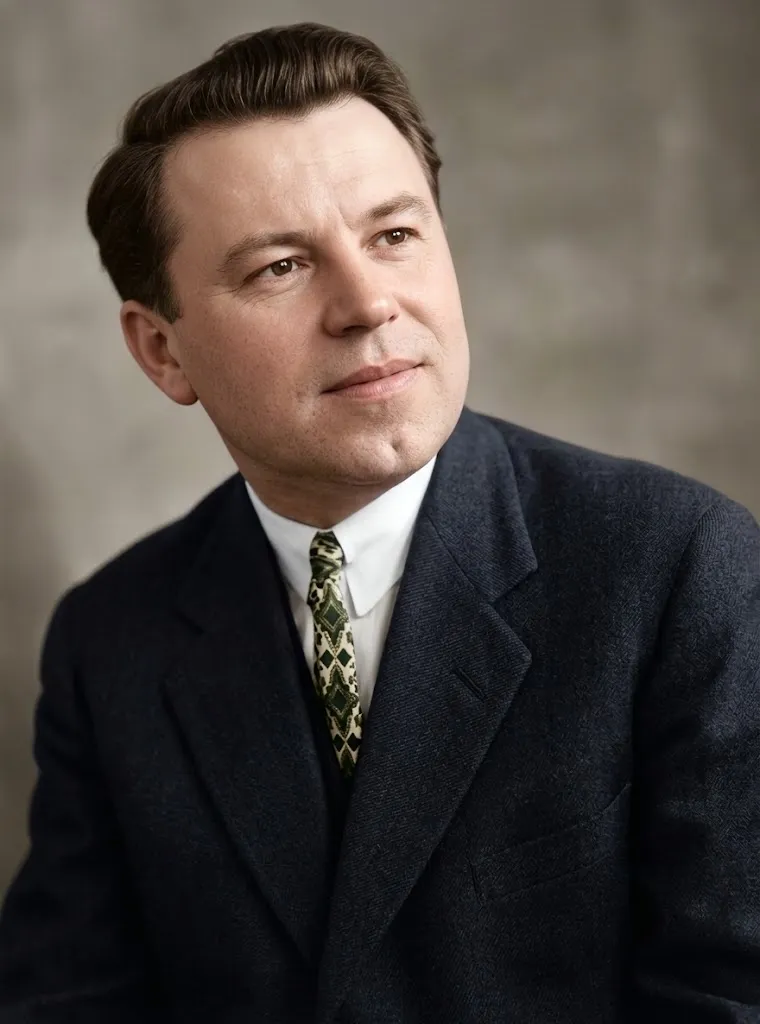
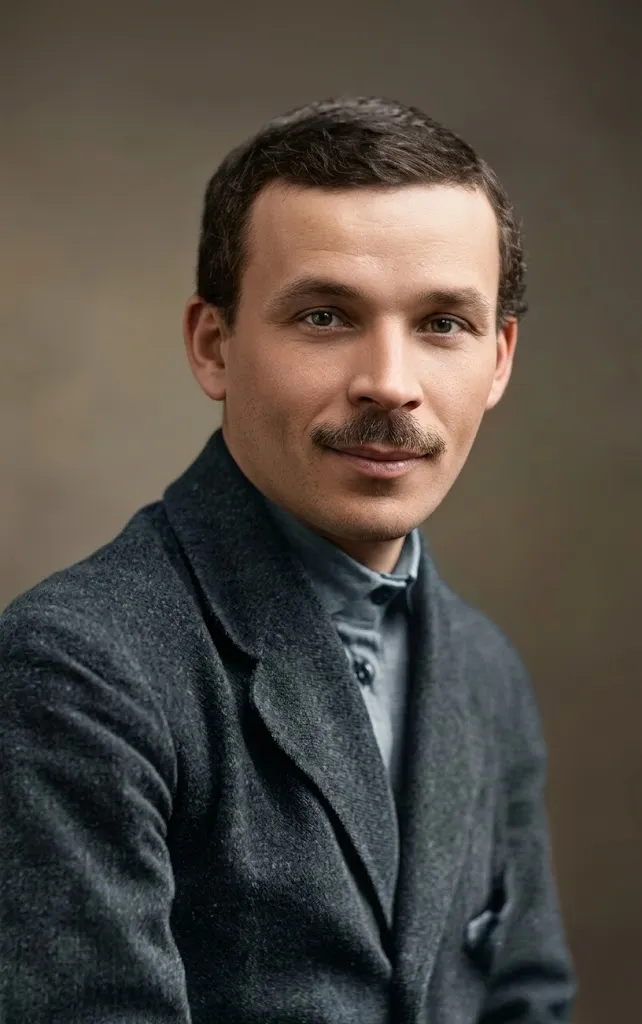
Pavlo Tychyna
Poet of “Clarinets of the Sun”
His early poems were called the work of a genius, and Clarinets of the Sun (1918) an event in European poetry. Later Pavlo Tychyna wrote “The Party Leads”, became education minister and chairman of the Supreme Soviet of Soviet Ukraine. His life shows what power does to talent.
Key accomplishments
- The collection Clarinets of the Sun (1918), which founded “clarinetism”
- The collections The Plough and Instead of Sonnets and Octaves (1920), The Wind from Ukraine (1924)
- “In Memory of the Thirty” (1918), a requiem for the students killed at Kruty
- Skovoroda, an unfinished philosophical symphony-poem (published 1971)
- Member of the Academy of Sciences (1929); education minister of the Ukrainian SSR (1943–1948), chairman of its Supreme Soviet (1953–1959)
From a requiem to “The Party Leads”
How could the same poet write a requiem for the young men killed at Kruty and, fifteen years later, “The Party Leads”? Pavlo Tychyna walked both roads. His early poems are counted among the high points of Ukrainian verse of the 1920s; his later ones became a symbol of how writers gave in to Stalinism.
A boy from the church choir
As a boy Pavlo Tychyna sang in the bishop’s choir of the Yelets Monastery in Chernihiv. He was born in the village of Pisky in the Chernihiv region, the son of a village cantor. At the Chernihiv theological seminary he played the oboe and the clarinet in orchestras, and even took the clarinet home for the holidays. From 1908 he wrote down his mother’s charms, fortune-telling formulas, words and sayings. He began writing poetry as a seminarian, and from 1911 he went to Mykhailo Kotsiubynskyi’s literary “Saturdays”. His first poems appeared in print in 1912. On 28 April 1913, despite a ban by the authorities, Tychyna conducted a choir at Kotsiubynskyi’s funeral.
Clarinets of the revolution
“In Memory of the Thirty”, published in March 1918, is about the Kyiv students killed at Kruty, who were given a solemn burial at Askold’s Grave. Before that, Tychyna had enrolled at the Kyiv Commercial Institute in 1913, and in 1916–1917 he worked as an assistant choirmaster in Mykola Sadovskyi’s theatre.
His first collection, Clarinets of the Sun (1918), came out with the help of Andrii Nikovskyi. In it Tychyna created his own, distinctly Ukrainian form of symbolism, later called “clarinetism”: his verse sounds like music. The Polish poet Jarosław Iwaszkiewicz called him a genius.
A choir for a murdered composer
When a Cheka agent murdered the composer Mykola Leontovych in 1921, Tychyna set up a choir studio in Kyiv named after him, which sang folk songs and Christmas and New Year’s carols, and he conducted it himself until 1923. A year earlier, in 1920, he had gone on tour with Kyrylo Stetsenko’s choir as its chronicler; his diary of the journey was published only in 1971, after his death. Later Tychyna moved to Kharkiv, the capital at the time, worked at the journal Chervonyi shliakh and published the collection The Wind from Ukraine (1924), dedicated to Mykola Khvylovyi.
The break
Parts of his long poem “Mother Was Peeling Potatoes” came out in 1926. In it a worn-out peasant woman says bitter words about Ukraine to her Communist son. Tychyna was accused of “bourgeois nationalism”, and Vlas Chubar, the head of Soviet Ukraine’s government, criticised him himself. Soon the poet gave in to the regime. In 1933 the newspaper Pravda printed his poem “The Party Leads”. His early work was edited when reprinted: religious symbols and even national colour were taken out. His collection Instead of Sonnets and Octaves was not reprinted in Ukraine for sixty years.
Then came the Stalin Prize (1941), the post of education minister of the Ukrainian SSR (1943–1948) and chairman of its Supreme Soviet (1953–1959). Sources say he taught himself about twenty languages, and he translated a great deal. He died in Kyiv on 16 September 1967.
Debates and assessments
Some scholars see Tychyna’s poetry from before his capitulation to the regime as a high point of Ukrainian verse of the 1920s, and his “clarinetism” as one of the great advances of European poetry. They call his later collections an apologia for Stalin and the Party. Tychyna stayed away from the cultural revival of the late 1950s and early 1960s and even attacked the Sixtiers, and the verse of his last years sounded anachronistic and self-parodying. Yet even in his later years they find flashes of his former talent, above all in the unfinished poem Skovoroda.
Others stress the pressure he lived under: from the late 1920s the authorities bore down on Ukrainian culture and on him in particular, and his early work was edited or left out of print. In his study A Phenomenon of the Age, Vasyl Stus praised Tychyna’s early work and saw in his fate a symbol of a poet subdued by power. The study was published only in 1993.
Why it matters today
The young Tychyna showed that Ukrainian poetry could speak in a voice all its own and stand beside the best in Europe. His poems of 1917–1918 became the voice of a young state, from the joy of rebirth to a requiem for those killed at Kruty. And his fate is a reminder of how high the price is when talent submits to power, and why culture needs free speech to live. Anyone who opens Clarinets of the Sun today hears the poet while he was still free.