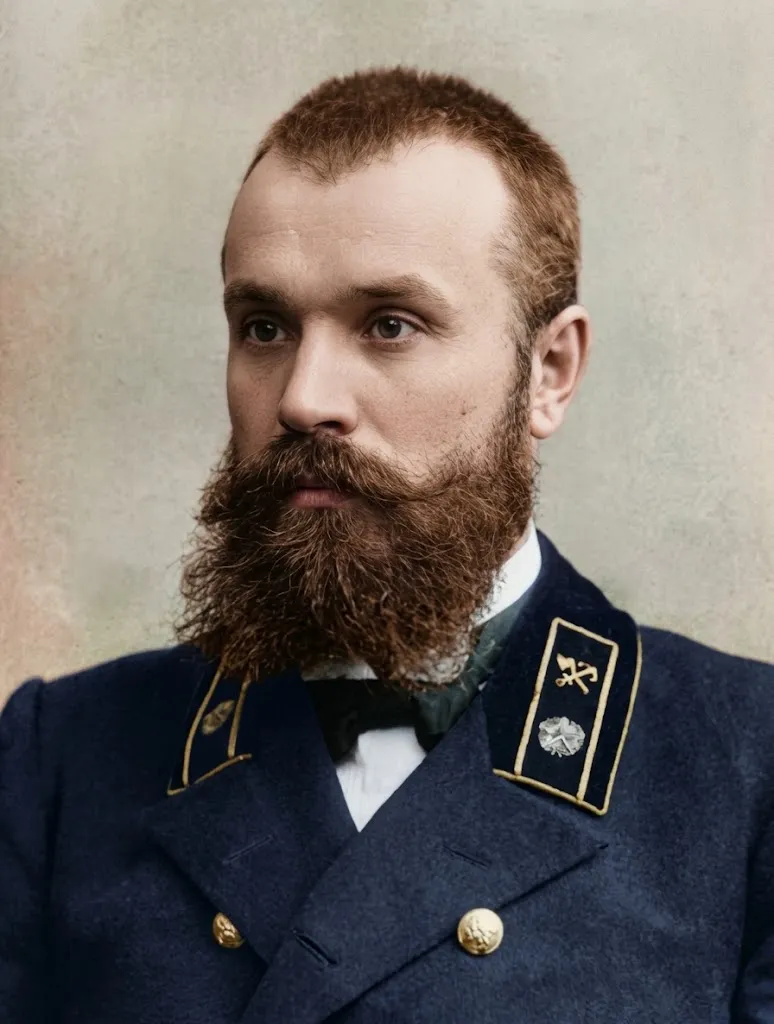
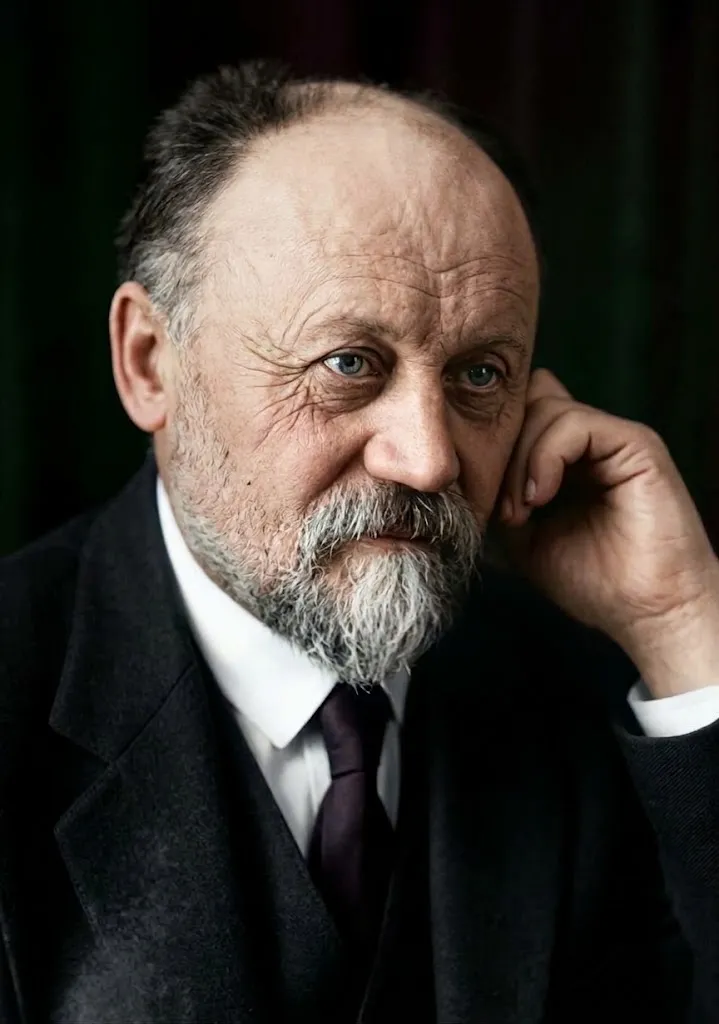
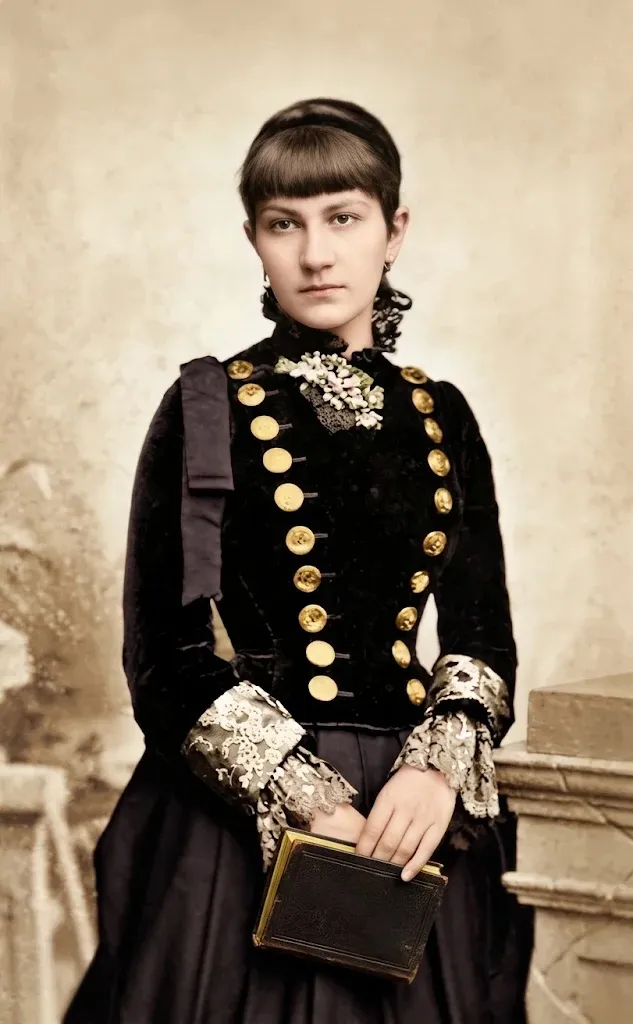
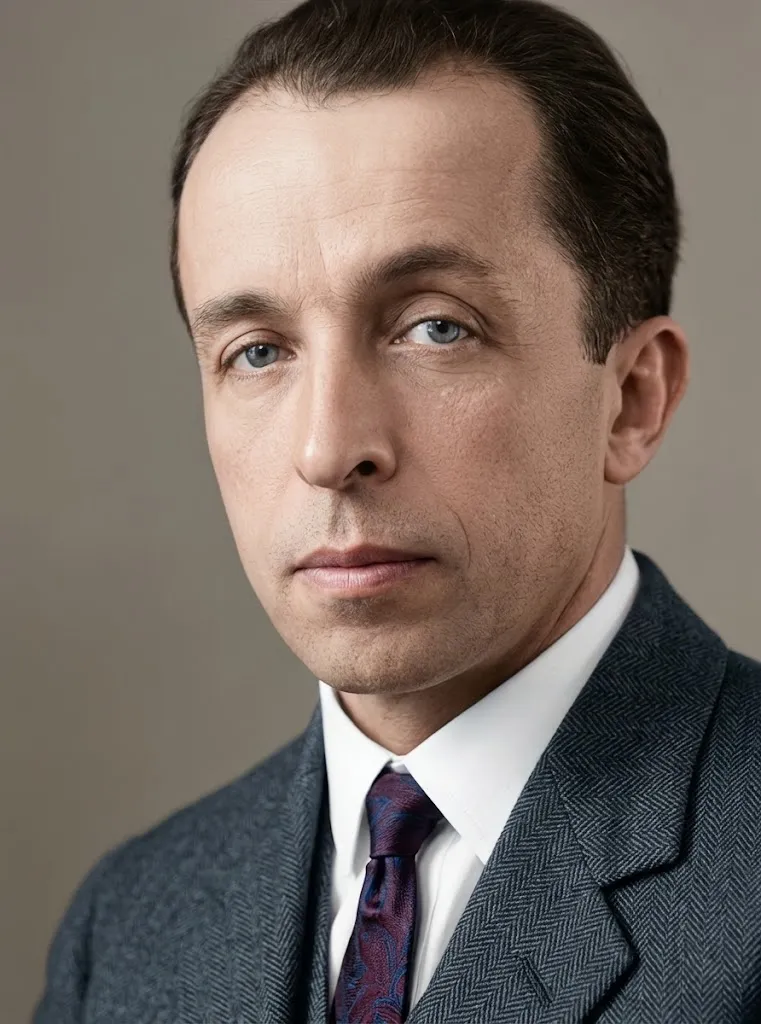
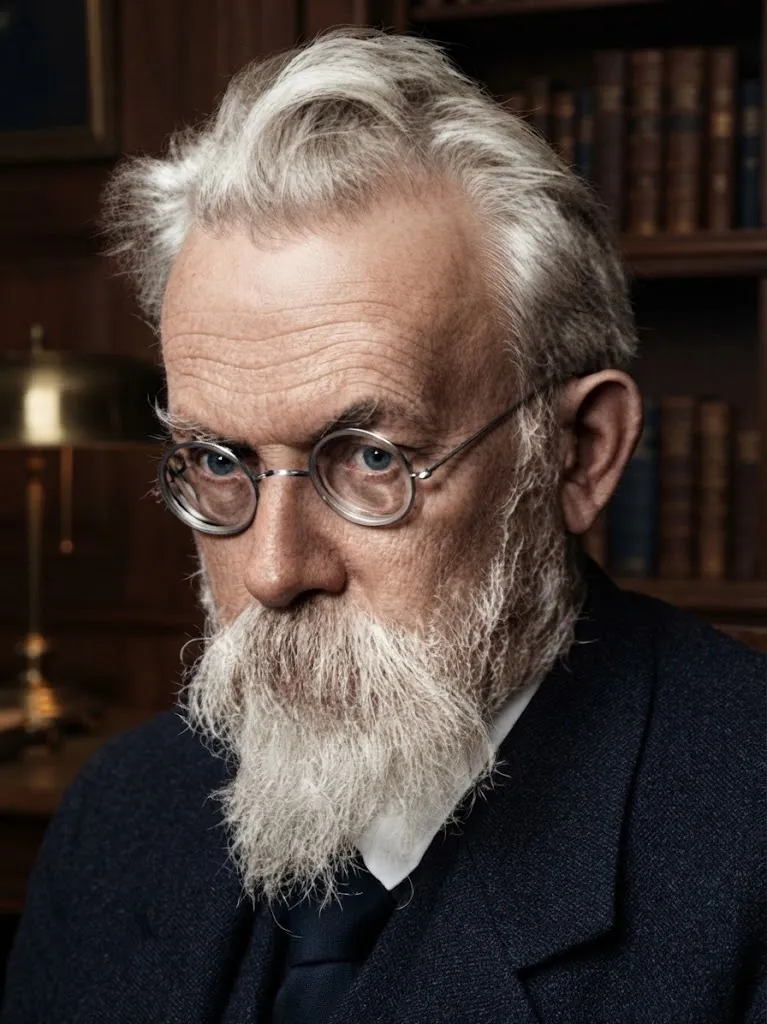
Filaret Kolessa
Folklorist who recorded dumy on wax
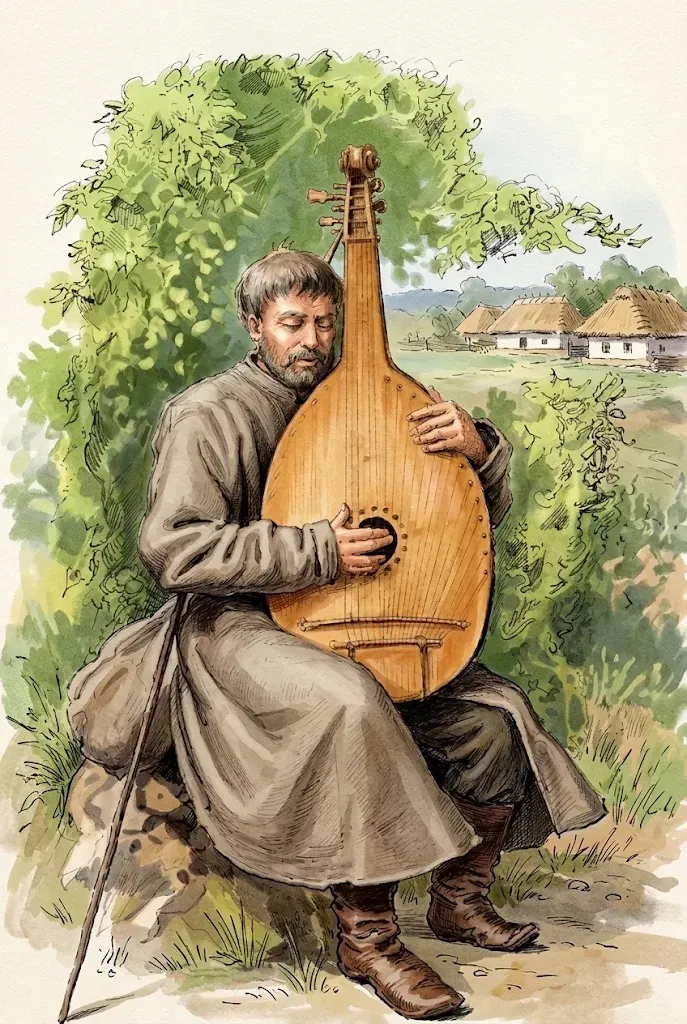
The trip that saved the living voices of kobzars was secretly paid for by Lesya Ukrainka. Filaret Kolessa, a folklorist and composer from Galicia, recorded dumy on wax cylinders in 1908, laid the foundations of Ukrainian ethnomusicology and set out to explain where the dumy came from.
Key accomplishments
- Recorded dumy by kobzars and lirnyks of the Poltava region on phonograph (1908); the two-volume Melodies of Ukrainian Folk Dumy (1910–1913)
- Rhythmics of Ukrainian Folk Songs (1906–1907): the theoretical basis for analysing folk rhythm
- On the Genesis of Ukrainian Folk Dumy (1921): the theory that dumy grew out of funeral laments
- One of the founders of the phonogram archive at the library of the Shevchenko Scientific Society (1908)
- Pioneering studies of the musical dialects of the Lemko region, Polissia and Transcarpathia; Ukrainian Oral Literature (1938)
- Doctorate in Slavic philology from the University of Vienna (1918); full member of the Shevchenko Scientific Society (1909); member of the All-Ukrainian Academy of Sciences (1929)
- Choral works and arrangements of folk songs
The secret sponsor
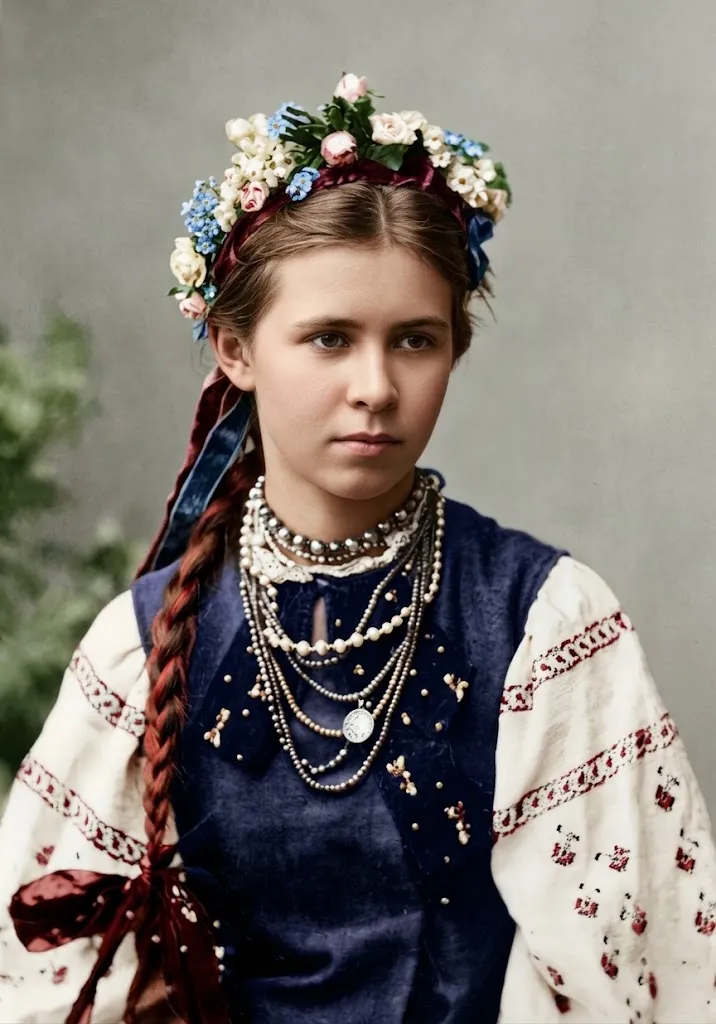
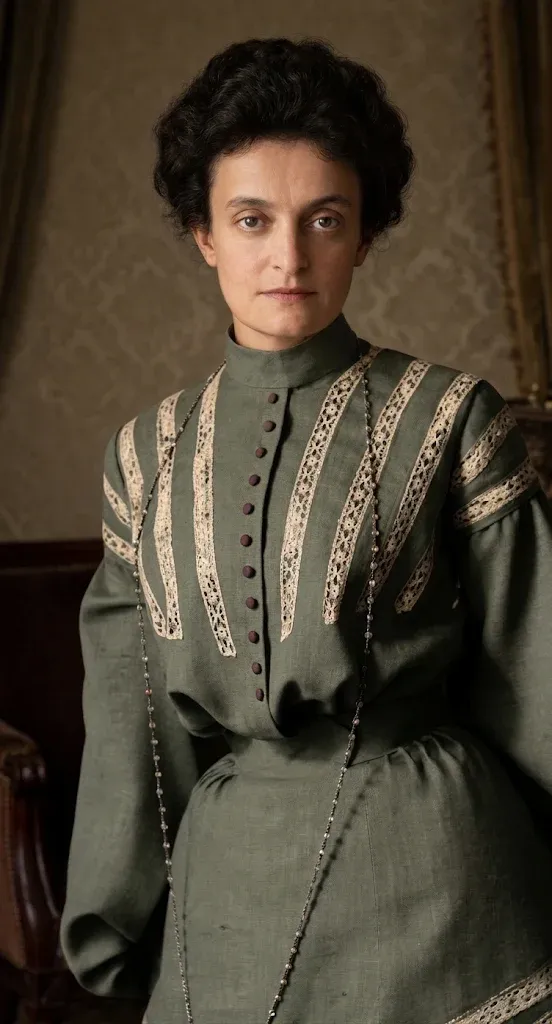
Did you know that the trip which saved the living voices of kobzars was secretly paid for by Lesya Ukrainka? In the summer of 1908 she gave 300 roubles from her own savings for an expedition by the Lviv folklorist Filaret Kolessa. Her name as the sponsor only became known in 1927.
A choirboy from the Stryi area
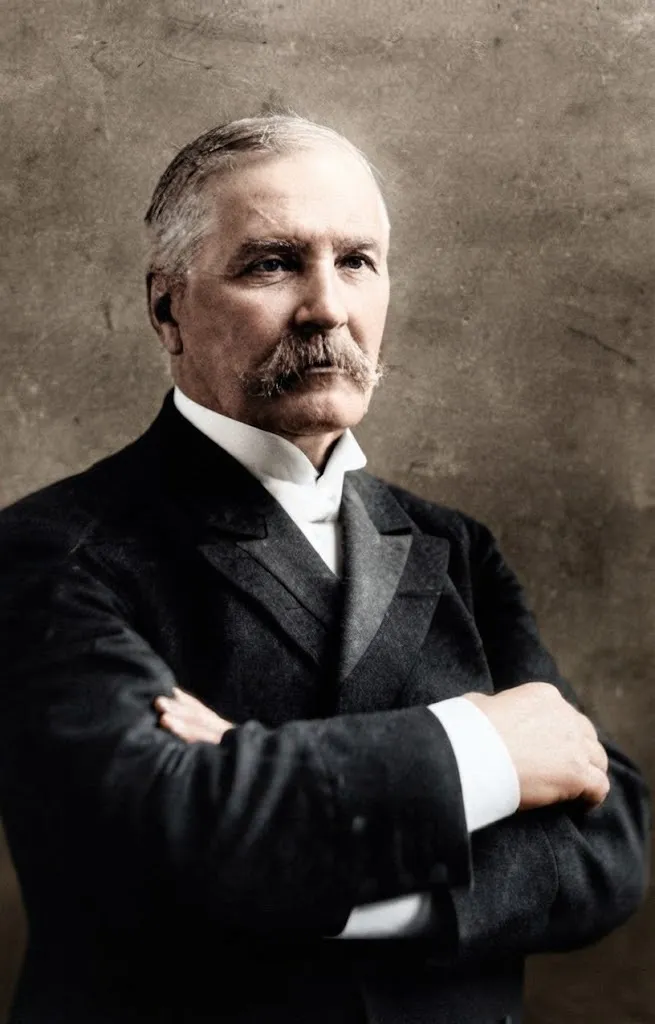
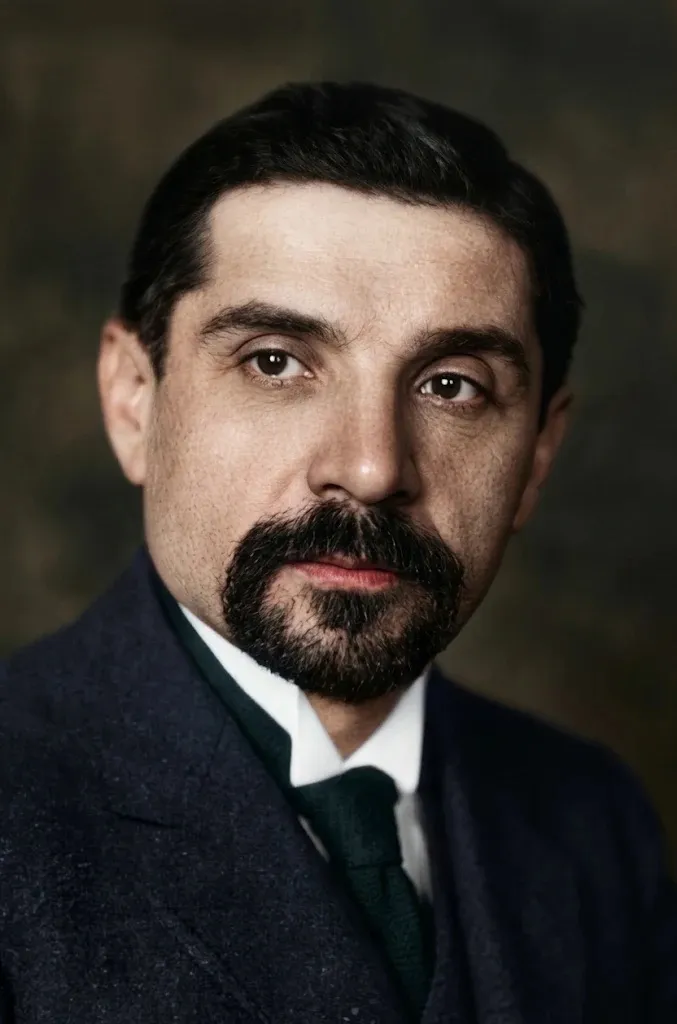
Kolessa was born on 17 July 1871 in the village of Tatarske (now Pishchany in the Lviv region), into a priest’s family. At school he conducted the choir, in Vienna he attended Anton Bruckner’s lectures on harmony, and then for more than 30 years he taught at secondary schools in Galicia.
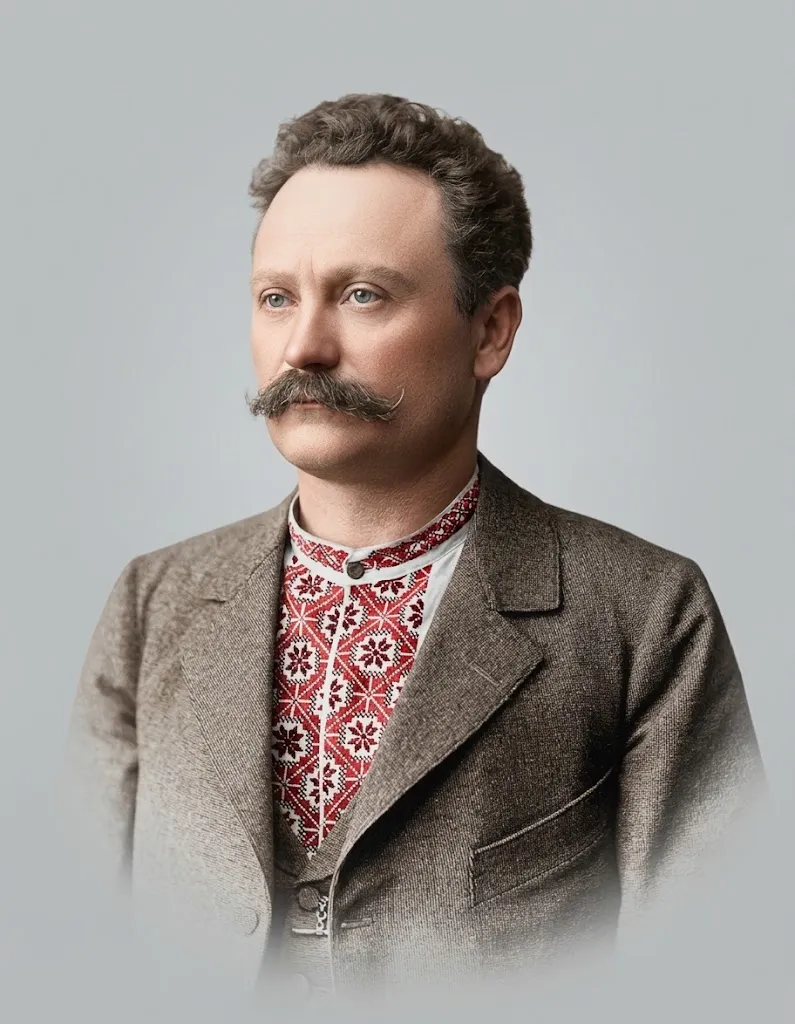
He sent his folk-song arrangements to Mykola Lysenko, who approved of them. Ivan Franko wrote the preface to his first book and backed the publication of Rhythmics of Ukrainian Folk Songs (1906–1907), in which Kolessa laid the theoretical groundwork for analysing folk rhythm. He also wrote down melodies as Franko himself sang them.
Dumy on wax cylinders
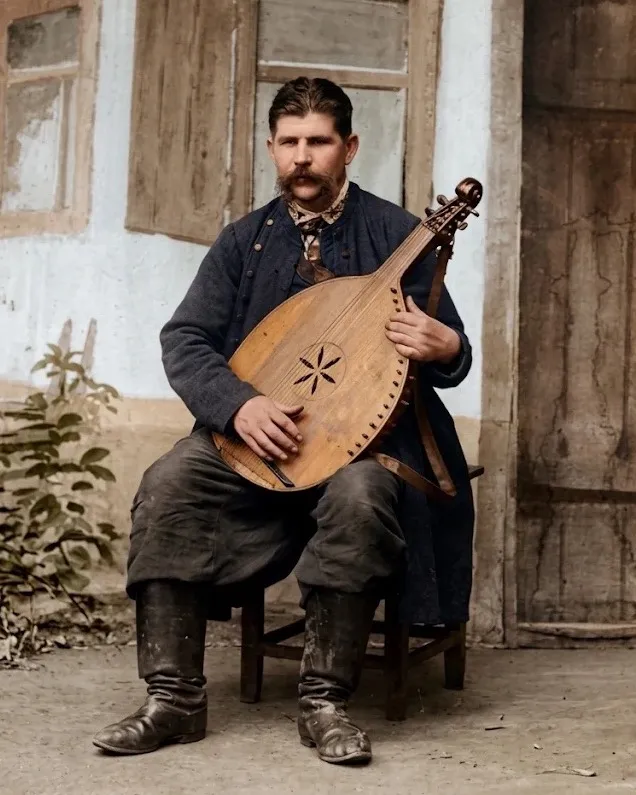
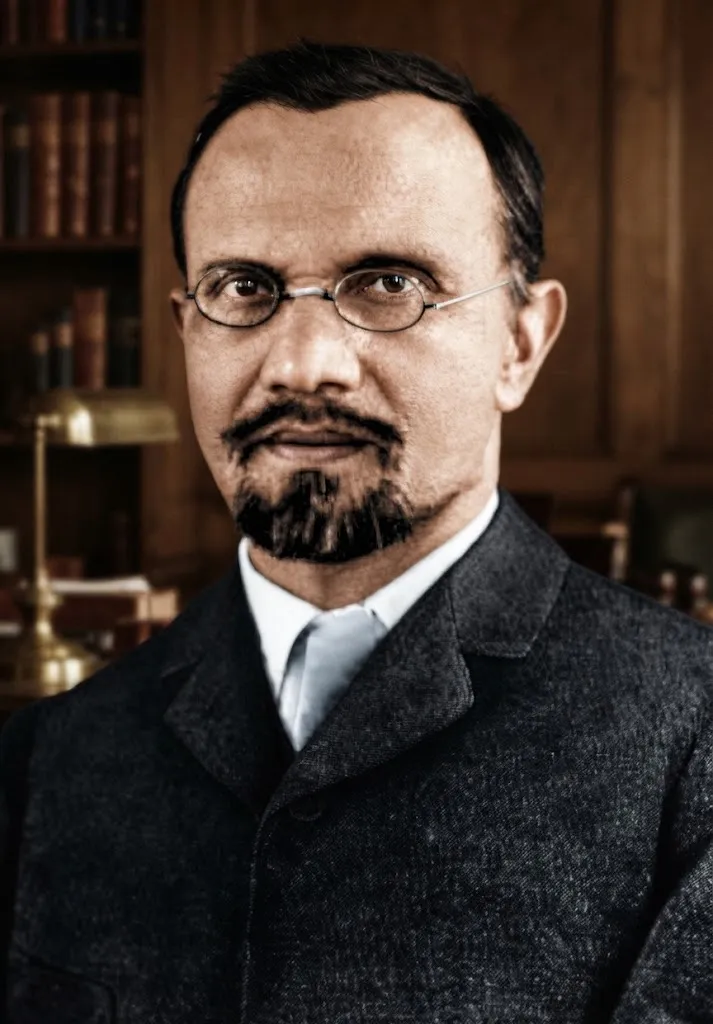
Lesya Ukrainka and her husband, the musicologist Klyment Kvitka, wanted the dumy kept as they really sounded. The tsarist authorities refused permission to record, so Kolessa went without it. Opanas Slastion, an artist in Myrhorod, lent him a phonograph and brought the singers to him. The Kolessa collection holds the voices of Mykhailo Kravchenko and Ivan Kuchuhura-Kucherenko.
These recordings became the two volumes of Melodies of Ukrainian Folk Dumy (1910–1913). Kolessa argued that the dumy were a genre of the people’s own making, and later put forward the theory that they grew out of funeral laments, since both are sung in recitative. Some scholars accept it only in part. His studies of the musical dialects of the Lemko region, Polissia and Transcarpathia also broke new ground.
An academician under two regimes
Kolessa earned a doctorate at the University of Vienna in 1918, became a member of the All-Ukrainian Academy of Sciences in 1929, and in 1933 the academy expelled him along with other Lviv scholars.
After the USSR seized Galicia in 1939, his title was restored. Kolessa became a professor at Lviv University, head of its department of folklore and ethnography, head of the Lviv branch of the Academy’s folklore institute and director of the Ethnographic Museum. He was awarded the Order of the Red Banner of Labour, and in 1947 he was elected to the Supreme Soviet of the Ukrainian SSR. In 1945 he edited a collection of wartime folklore that glorified the Red Army and Stalin. Filaret Kolessa died in Lviv on 3 March 1947.
Why it matters today
Thanks to Kolessa, the dumy can be heard, not just read, the way kobzars sang them more than a hundred years ago. He treated folk song as a subject for science and showed that the songs of the Lemko region, Polissia and Transcarpathia belong to one Ukrainian tradition. His work with Lesya Ukrainka joined a scholar from Lviv and singers from the Poltava region across the border between two empires. Anyone who records a grandmother’s song on their phone is carrying on what he began with a phonograph.