1927–1984
Oleksa Tykhyi
Teacher and human rights defender
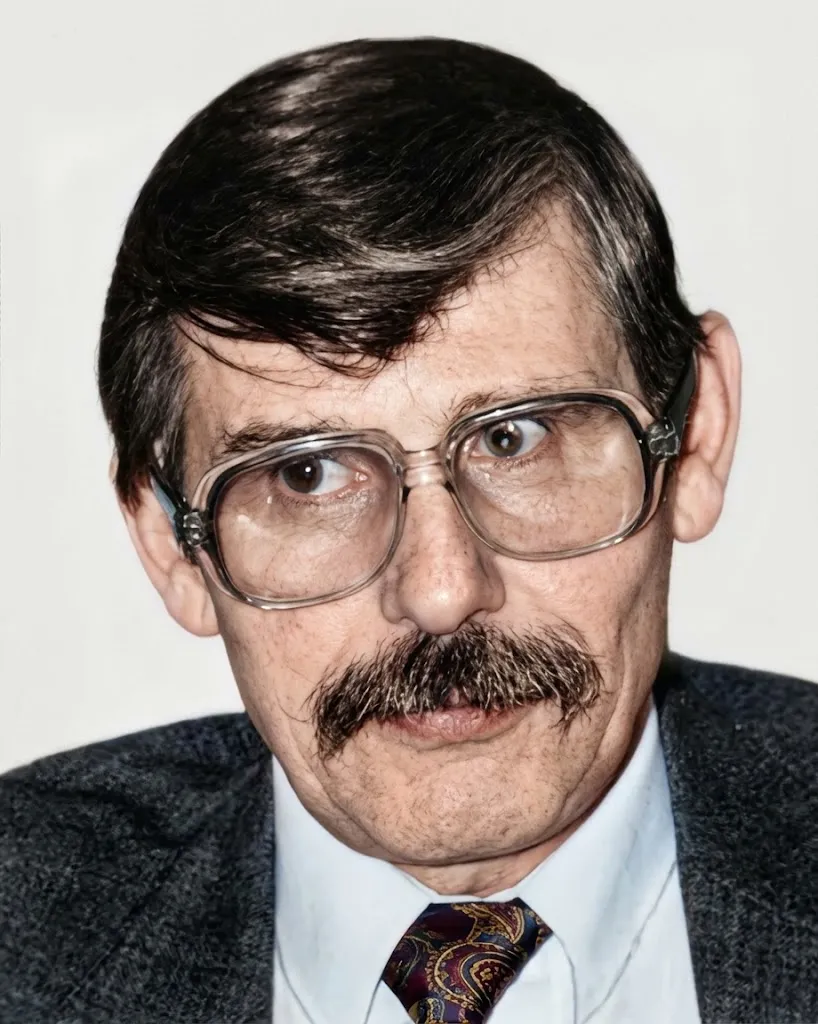
They called him the Voice of Donbas. Teacher Oleksa Tykhyi stood up for the Ukrainian language in his native Donetsk region all his life, co-founded the Ukrainian Helsinki Group and died in Soviet captivity in 1984.
Key accomplishments
- A co-founder of the Ukrainian Helsinki Group (1976)
- Samvydav essays on the Russification of Donbas, among them “Thoughts about My Native Donetsk Region” (1972)
- A collection of sayings about language, Language Is the Nation (published 2007), and a Dictionary of Linguistic Distortions (published 2009)
- “The Historical Fate of Ukraine”, a letter written in the camp with Vasyl Romaniuk
- Posthumously awarded the Order for Courage, 1st class (2006)
Why was he called the Voice of Donbas?
Many dissidents with roots in Donbas sooner or later moved to Kyiv. Oleksa Tykhyi never did: he stayed in his native Donetsk region all his life and stood up for the Ukrainian language there, which is how he came to be known as the Voice of Donbas. He was born on 27 January 1927 on the farmstead of Izhivka near Kostiantynivka, into a peasant family. He studied at agricultural and transport institutes and graduated in philosophy from Moscow University. He was first sentenced as early as 1948, for criticizing elections with a single candidate, but the sentence was suspended.
A teacher of every subject
Tykhyi became a teacher at schools in the Zaporizhzhia and Stalino (now Donetsk) regions and taught history, Ukrainian, physics and mathematics. He offered to take one class and teach it every subject himself, but he was never allowed such a school. When the USSR sent troops into Hungary in 1956, Tykhyi wrote a letter of protest to the Communist Party’s Central Committee and openly criticized the Soviet school system at a teachers’ conference. He was arrested in February 1957 and sentenced to seven years in the camps. In captivity he became friends with Levko Lukianenko.
A labourer who wrote about language
After his release in 1964 he was barred from teaching and worked as a labourer. Meanwhile he wrote samvydav essays on the Russification of Donbas. At the end of 1972 he sent the head of the Presidium of the Ukrainian SSR’s Supreme Soviet his essay “Thoughts about My Native Donetsk Region”. In it he answered his own question, “What am I for?”: so that his people might live, and so that the Donetsk region might give the world not only coal, steel and wheat but Ukrainian specialists, poets, composers and actors. He also compiled a collection of sayings about language and a dictionary of linguistic distortions, words that had been mangled.
A rifle in the attic
In November 1976, at the invitation of the writer Mykola Rudenko, Tykhyi became a founding member of the Ukrainian Helsinki Group, which demanded that the USSR respect the human rights it had promised in the Helsinki Accords. A month later the KGB searched his home and found an old German carbine in the attic, hidden there by someone else many years before. In early February 1977 Tykhyi was arrested for “anti-Soviet agitation” and “illegal possession of a weapon”. According to his son, he was offered the chance to emigrate and refused: “My place is here, not abroad.” A US congressional commission monitoring the Helsinki Accords voiced concern over the arrests of Rudenko and Tykhyi. Their trial was held not in Kyiv but in the small town of Druzhkivka, to keep it out of the news. As a “particularly dangerous repeat offender”, Tykhyi was sentenced to ten years in special-regime camps and five years of exile.
The moustache he wouldn’t shave
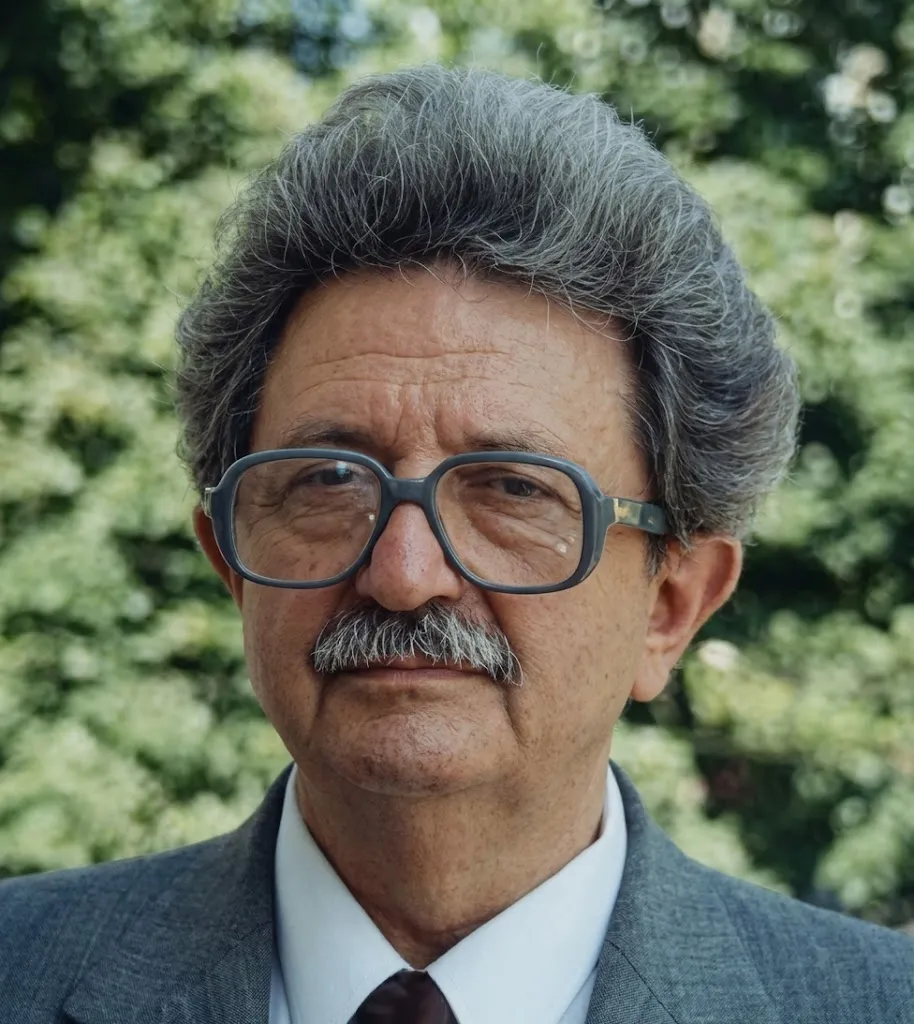
In the camps in Mordovia and later in the Perm region, Tykhyi would not submit: he took part in the political prisoners’ protests and was punished again and again. With the priest Vasyl Romaniuk he wrote the letter “The Historical Fate of Ukraine”, which voiced the hope of an independent Ukraine. The guards demanded that he shave off his Cossack moustache; he refused, and each time they clipped it off with a machine. “If I give in on this today, tomorrow they’ll demand something else,” he told his cellmates. From 1983 he was gravely ill and got no proper treatment. Oleksa Tykhyi died in the prison hospital in Perm in May 1984, at the age of 57.
Coming home
His son was not allowed to take the body, and Tykhyi was buried in the camp cemetery. On 19 November 1989 his remains, with those of Vasyl Stus and Yurii Lytvyn, were reburied at Baikove Cemetery in Kyiv; some 30,000 people of Kyiv walked with the coffins.
Why it matters today
Oleksa Tykhyi stood up for the Ukrainian language where it was being pushed out hardest, and he would not leave, even when he was offered freedom abroad. He showed that Donbas is Ukrainian land, with Ukrainian people who have a right to their own language, schools and culture. It cost him his freedom and his life, yet he never gave in, not even on a small thing. His belief that each of us lives so that our people may live still sounds like a call today. Anyone who speaks Ukrainian where it isn’t easy carries on his work.