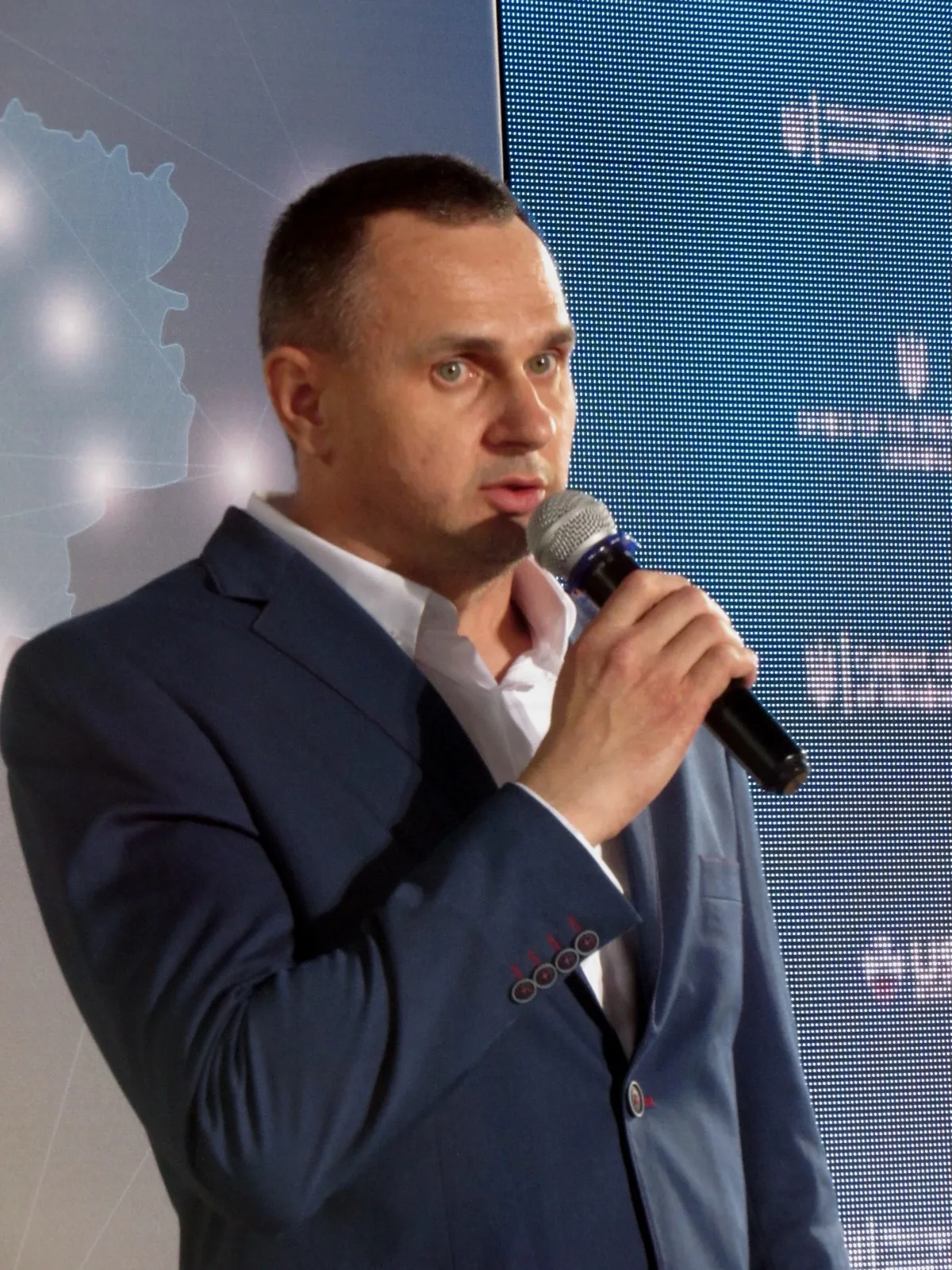
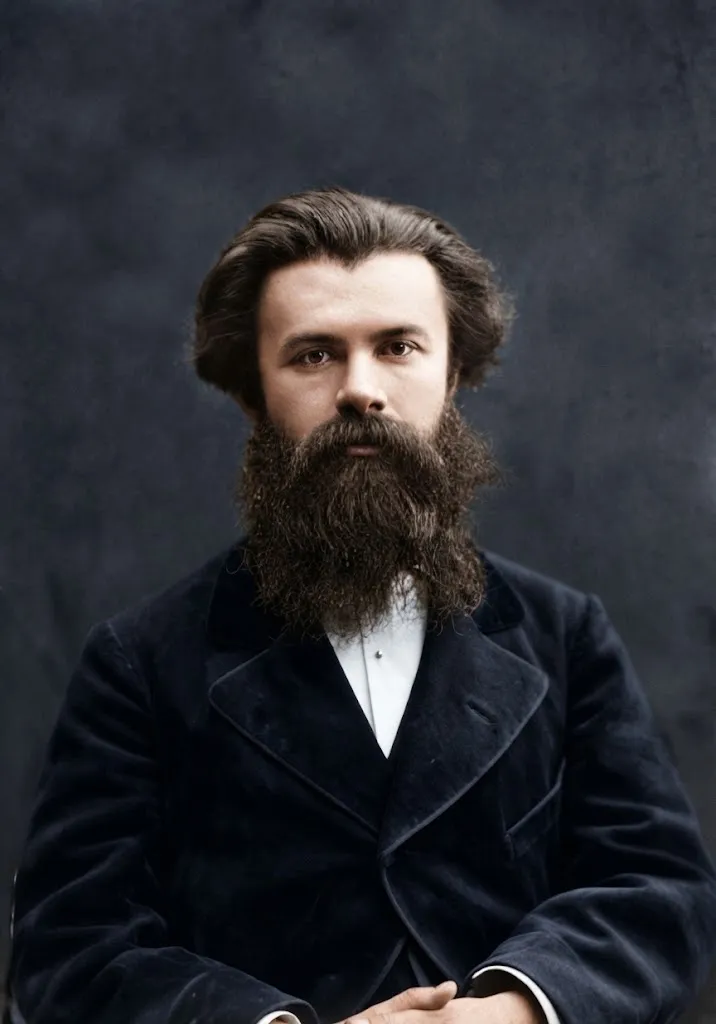
1928–2018
Levko Lukianenko
Author of the Act of Independence
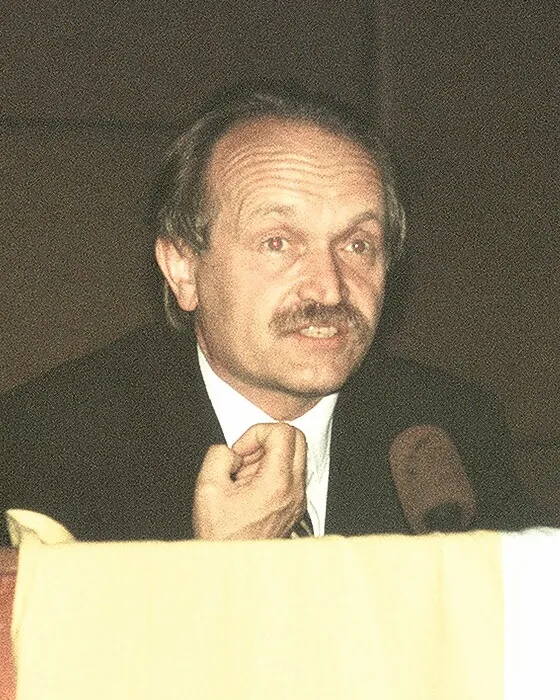
He spent 72 days waiting to be shot for the idea of Ukraine leaving the USSR. Thirty years later Levko Lukianenko, a lawyer and dissident who spent more than a quarter of a century in camps and exile, wrote Ukraine’s Act of Declaration of Independence.
Key accomplishments
- Co-founder of the underground Ukrainian Workers' and Peasants' Union (late 1950s), which argued for Ukraine leaving the USSR by referendum
- Founding member of the Ukrainian Helsinki Group (1976), later head of the Ukrainian Helsinki Union and the Ukrainian Republican Party
- Co-author of the Declaration of State Sovereignty (1990) and author of the Act of Declaration of Independence of Ukraine (1991)
- Ukraine's first Ambassador Extraordinary and Plenipotentiary to Canada (1992–1993)
- Hero of Ukraine (2005), Shevchenko Prize (2016)
72 days on death row
In May 1961 a court in Lviv sentenced a 32-year-old lawyer, Levko Lukianenko, to death for “treason against the motherland.” His crime: with Ivan Kandyba, Stepan Virun and others he had founded the underground Ukrainian Workers’ and Peasants’ Union. It wanted to take Ukraine out of the USSR lawfully, through a referendum based on the Soviet constitutions. Lukianenko waited 72 days for his execution before the sentence was commuted to 15 years in the camps.
He was born in 1928 in the village of Khrypivka in the Chernihiv region, into a peasant family. Drafted into the army as a teenager, he went on to graduate from the Faculty of Law at Moscow University and was sent to do party work in Lviv region. That is where his underground struggle began.
Behind bars again
Lukianenko served his sentence in labor camps in Mordovia and Perm and in Vladimir prison. Released in 1976, he worked as an electrician in Chernihiv, and that same year he became one of the founders of the Ukrainian Helsinki Group. In December 1977 he was arrested again and sentenced as an “especially dangerous recidivist” to 10 years of imprisonment and 5 years of exile. He was freed only at the end of 1988. In all, he spent more than a quarter of a century in camps, prisons and exile.
The document that started a state
In 1990 Lukianenko became head of the Ukrainian Republican Party, a member of parliament and a co-author of the Declaration of State Sovereignty. He wrote the Act of Declaration of Independence of Ukraine, which the Verkhovna Rada adopted on 24 August 1991. Later that year he came third in the first presidential election; he then became Ukraine’s first ambassador to Canada and was elected to parliament three more times. He was made a Hero of Ukraine in 2005 and received the Shevchenko Prize in 2016. He died in 2018.
Debates and assessments
In his later years Lukianenko was harshly criticized for xenophobic statements and for close ties with the Interregional Academy of Personnel Management (MAUP), which published his works and which was regarded as one of the most persistent centers of antisemitism in Eastern Europe.
Why it matters today
Lukianenko defended Ukraine’s right to leave the USSR at a time when it could get him shot. Three decades after his death sentence, he was the one who wrote the document with which independent Ukraine began.