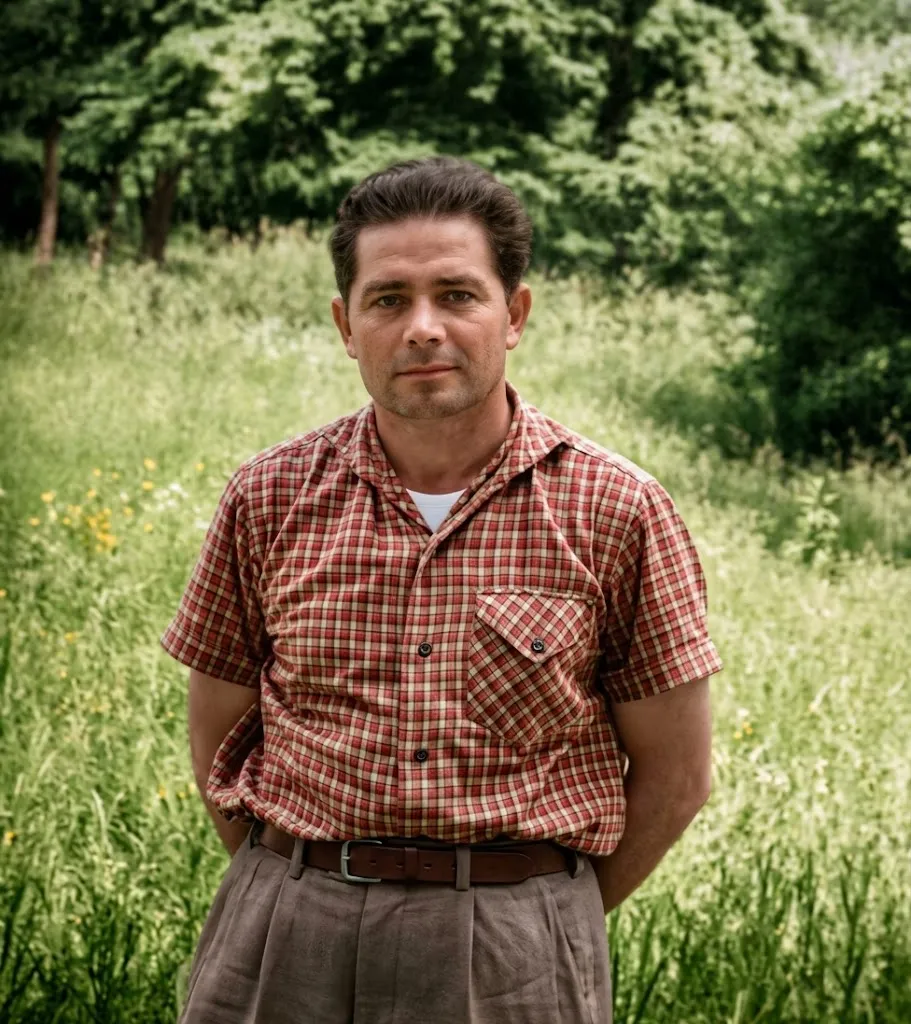
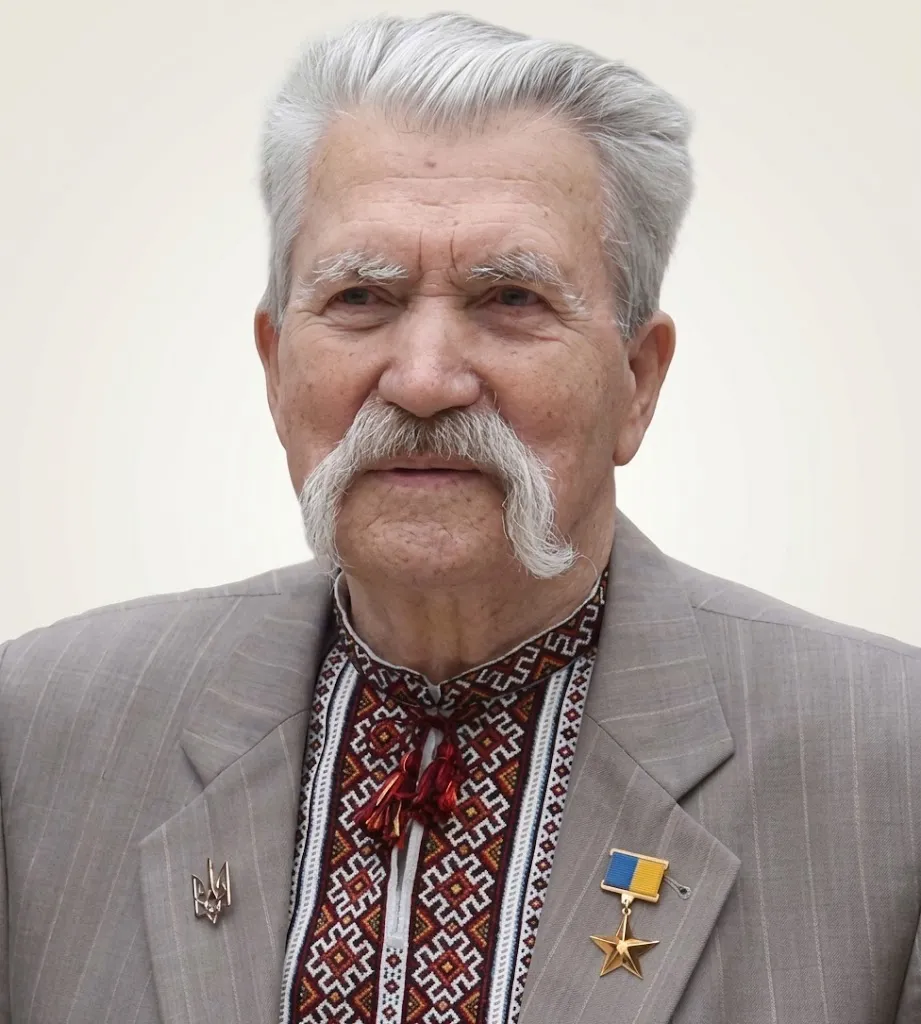
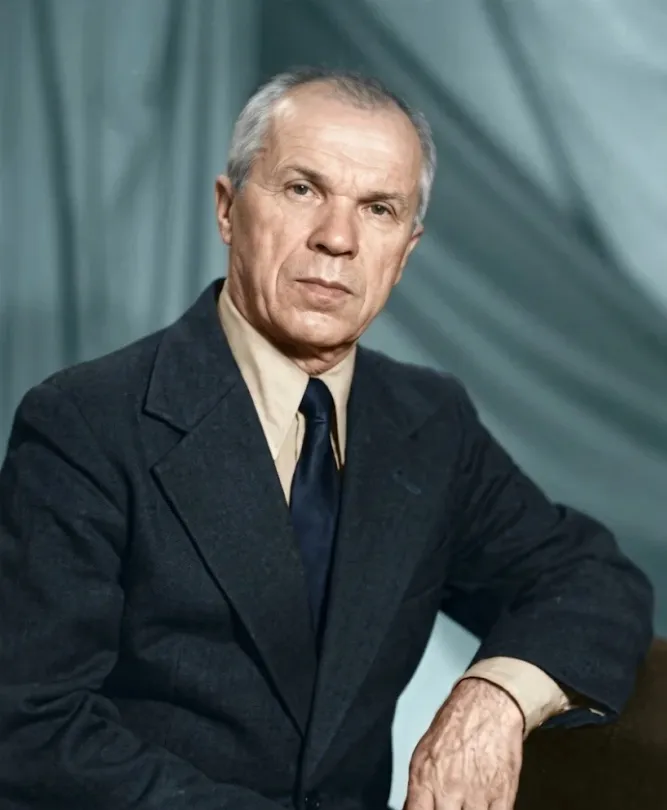
Petro Yatsyk
Businessman and philanthropist
He started out in Canada washing dishes and went on to give more than 16 million dollars to Ukrainian studies at Western universities, while living very modestly himself. Petro Yatsyk is the patron behind the International Ukrainian Language Competition.
Key accomplishments
- Built a successful construction firm in Canada
- Supported Ukrainian studies at Harvard, Toronto, London and New York
- Funded the English translation of Hrushevskyi’s History of Ukraine-Rus’
- First president of the League of Ukrainian Patrons
From dishwasher to patron
Did you know that the man who gave more than 16 million dollars to Ukrainian scholarship started out in Canada washing dishes in a restaurant? Petro Yatsyk made his fortune in construction, but he didn’t spend it on himself: he lived very modestly.
The boy who walked west
Petro Yatsyk became the mainstay of a poor peasant family early: his father died, and the farm fell to him as the eldest son. He was born in 1921 in the village now called Verkhnie Synovydne, in the Lviv region. During the Second World War he was a liaison of the Ukrainian Insurgent Army (UPA), and in 1944, as Soviet troops approached, he set off west on foot. In 1949 he moved to Canada, so he spent his whole adult life in the diaspora.
A million dollars, one condition
Yatsyk’s construction firm built whole neighbourhoods in Toronto and across Ontario. He shared what he earned with scholarship: he supported the Ukrainian institute at Harvard, the Encyclopedia of Ukraine, and Ukrainian studies programmes in Toronto, London and New York. In 1989 he gave a million dollars for a centre for Ukrainian historical research in Edmonton, on one condition: an English translation of the History of Ukraine-Rus’ by Mykhailo Hrushevskyi, whom he admired.
Yatsyk urged other wealthy Ukrainians to do the same and became the first president of the League of Ukrainian Patrons in Kyiv. With his support the International Ukrainian Language Competition was launched, and after his death in 2001 it was named after him.
Why it matters today
Petro Yatsyk showed that the diaspora can work for Ukrainian scholarship and the Ukrainian language even when Ukraine itself is not free. Walking west in 1944, he believed that if he survived he would do something for Ukraine, and he kept his word. Thanks to his one condition, the English-speaking world can read the History of Ukraine-Rus’ by Mykhailo Hrushevskyi. A man who started out washing dishes spent his fortune not on himself but on making sure the world knew Ukraine. Anyone who shares what they earn for a common cause follows his path.