b. 1934
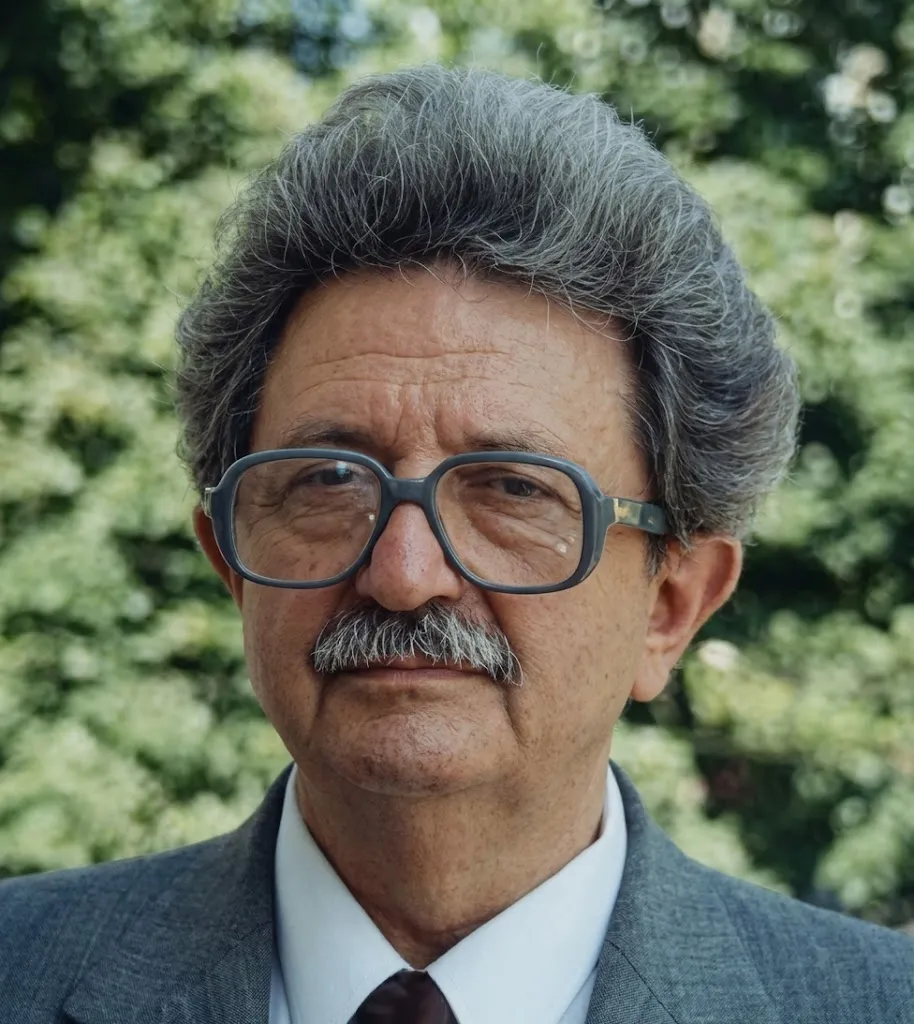
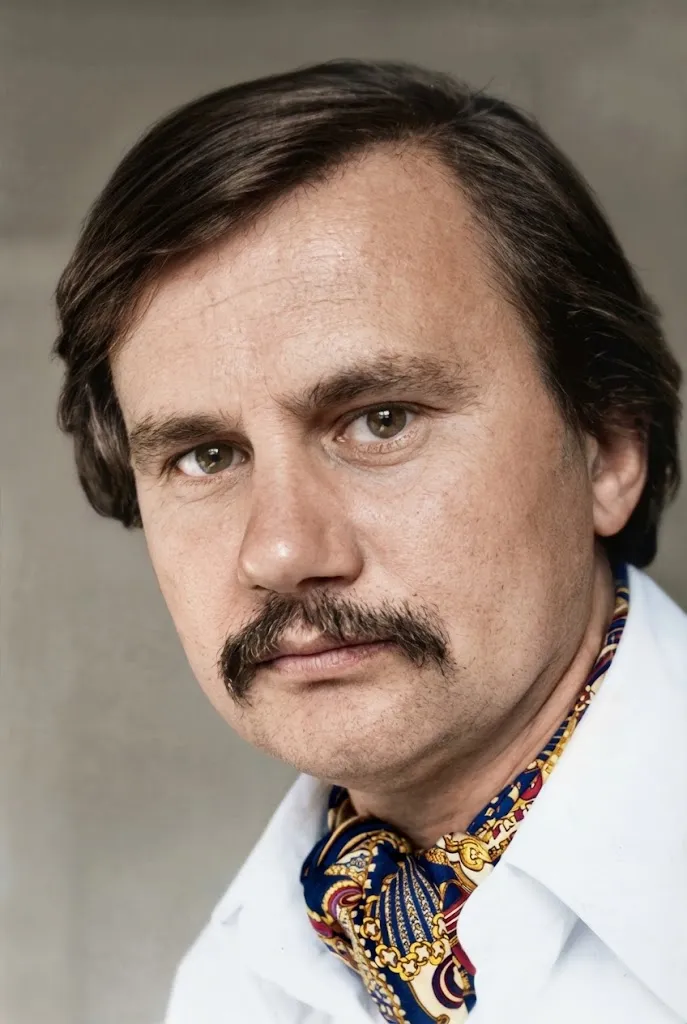
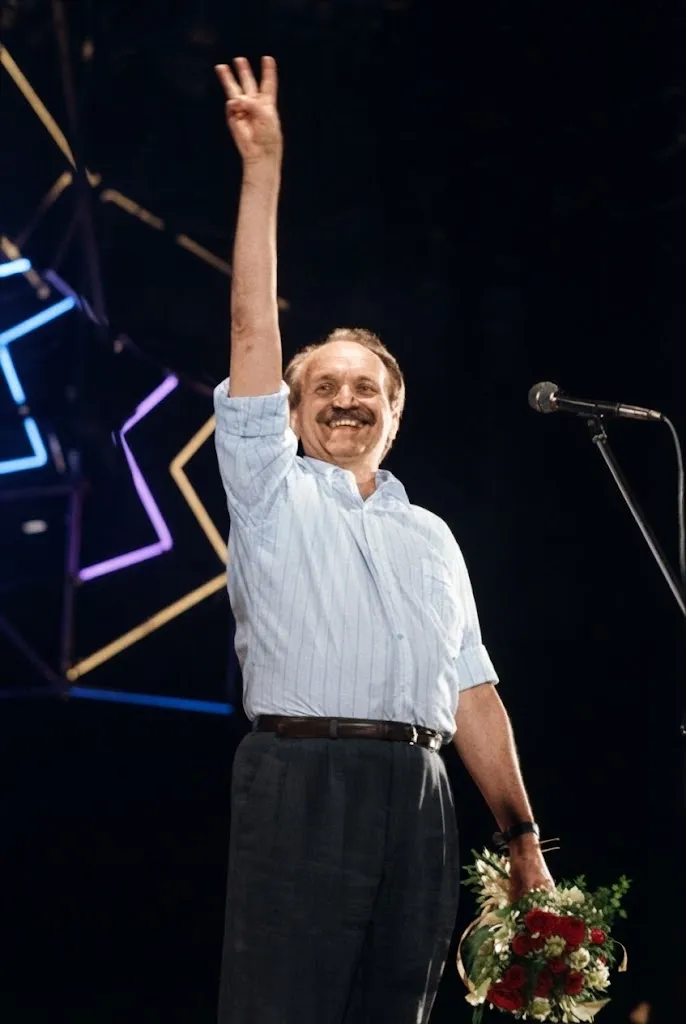
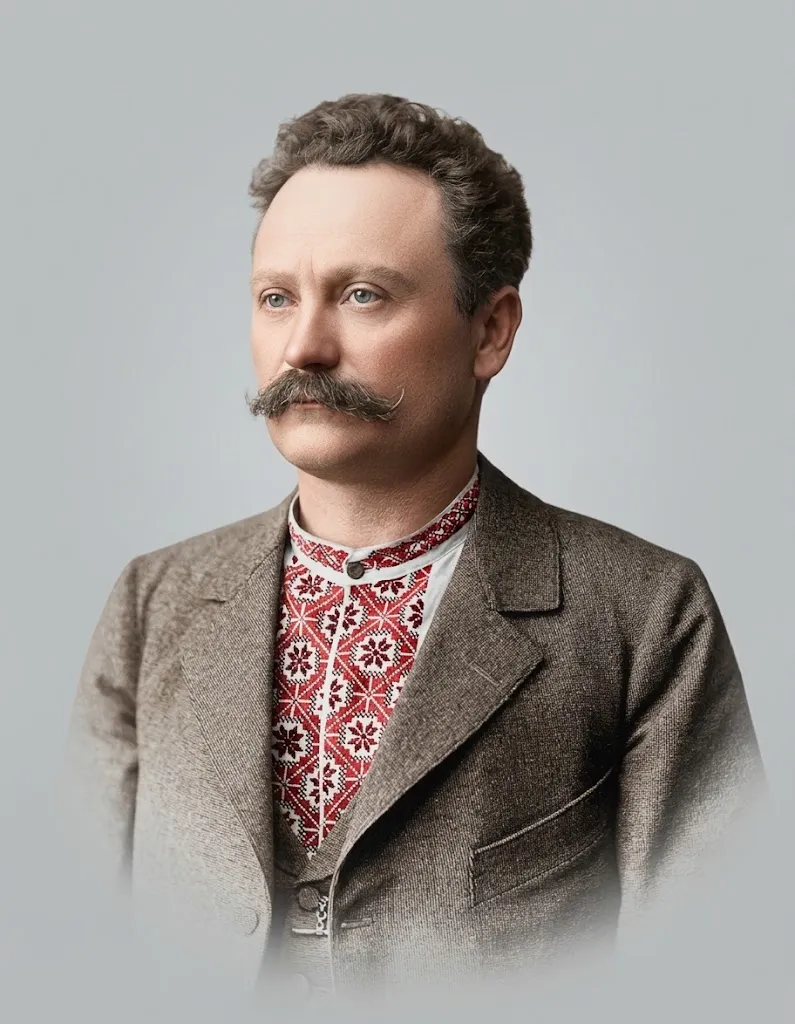
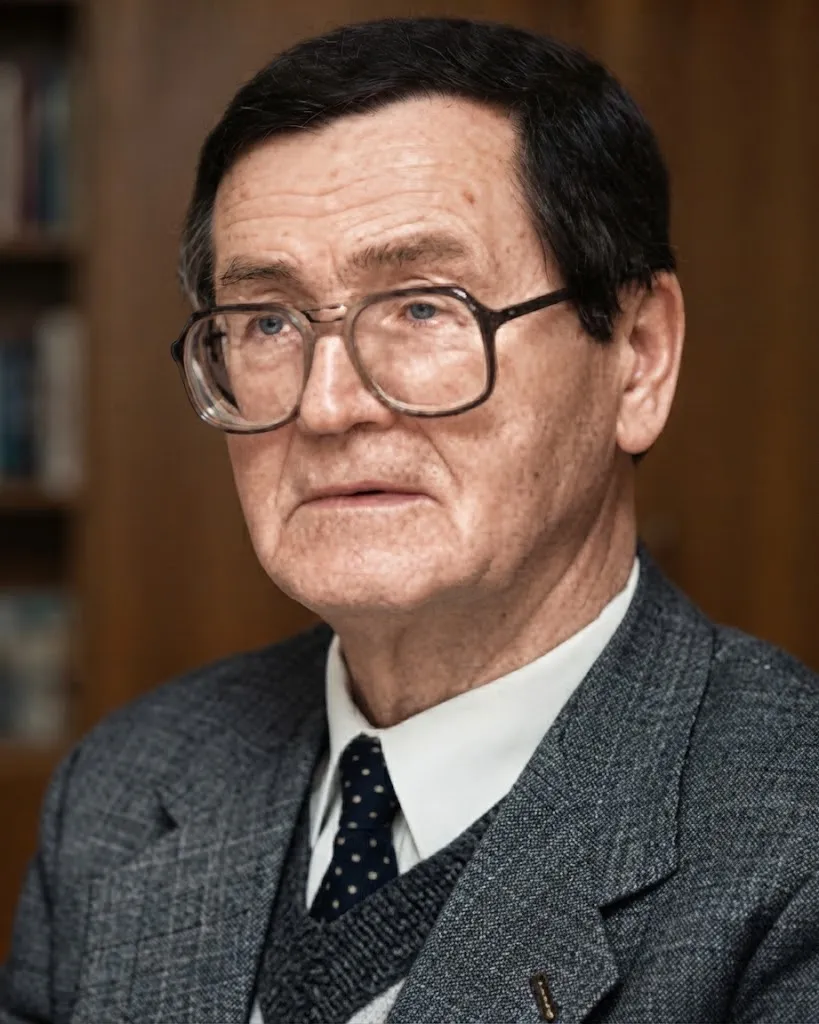
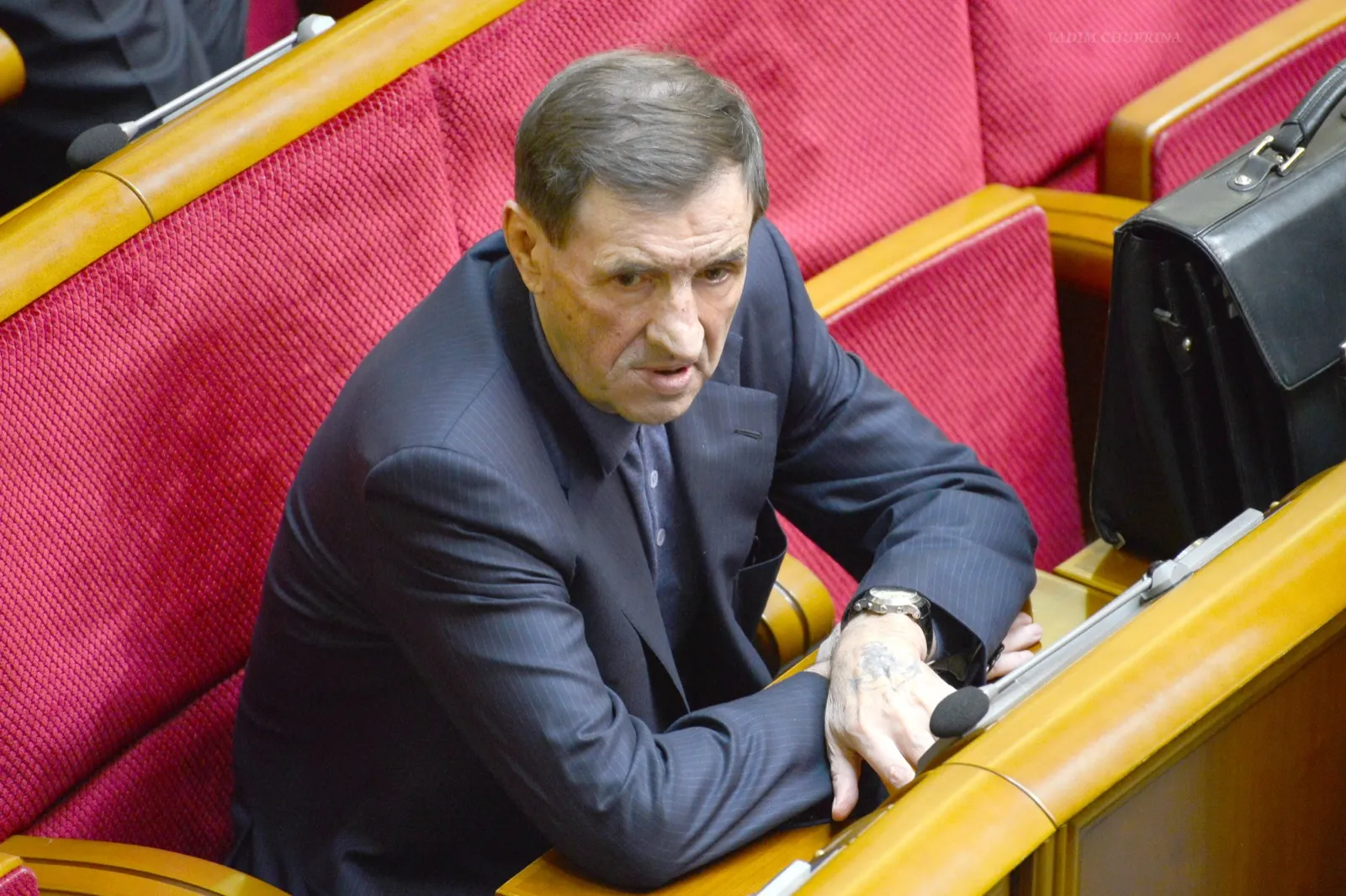
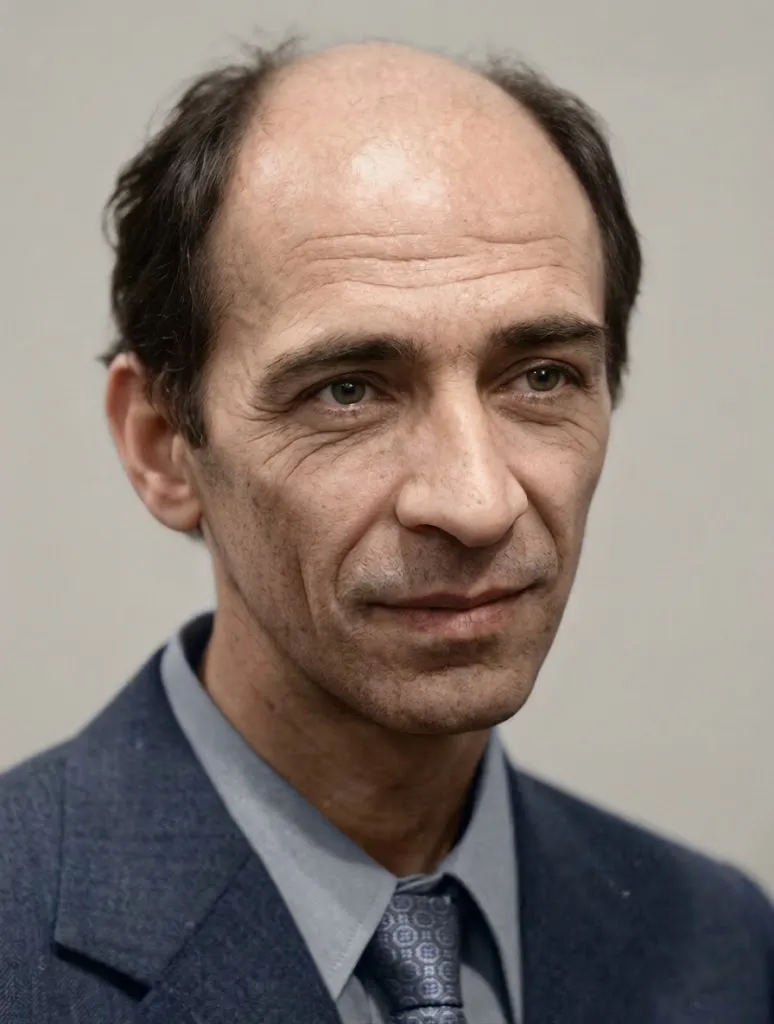
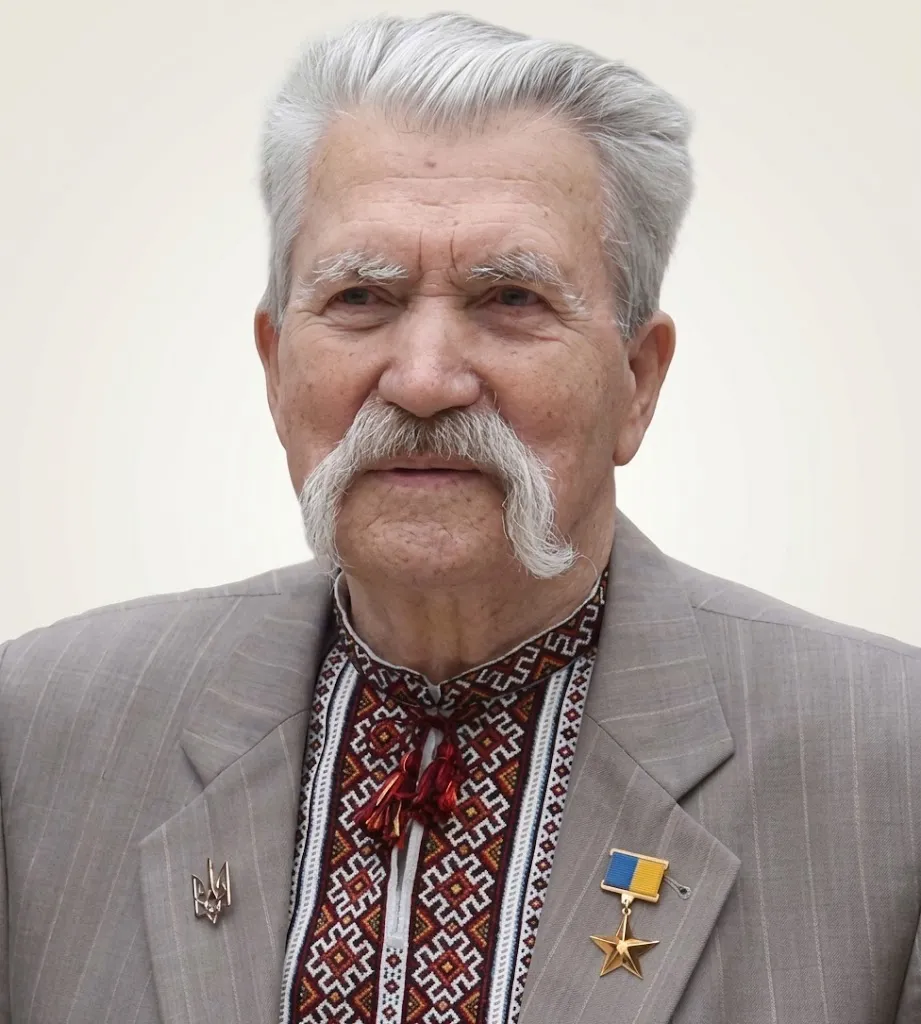
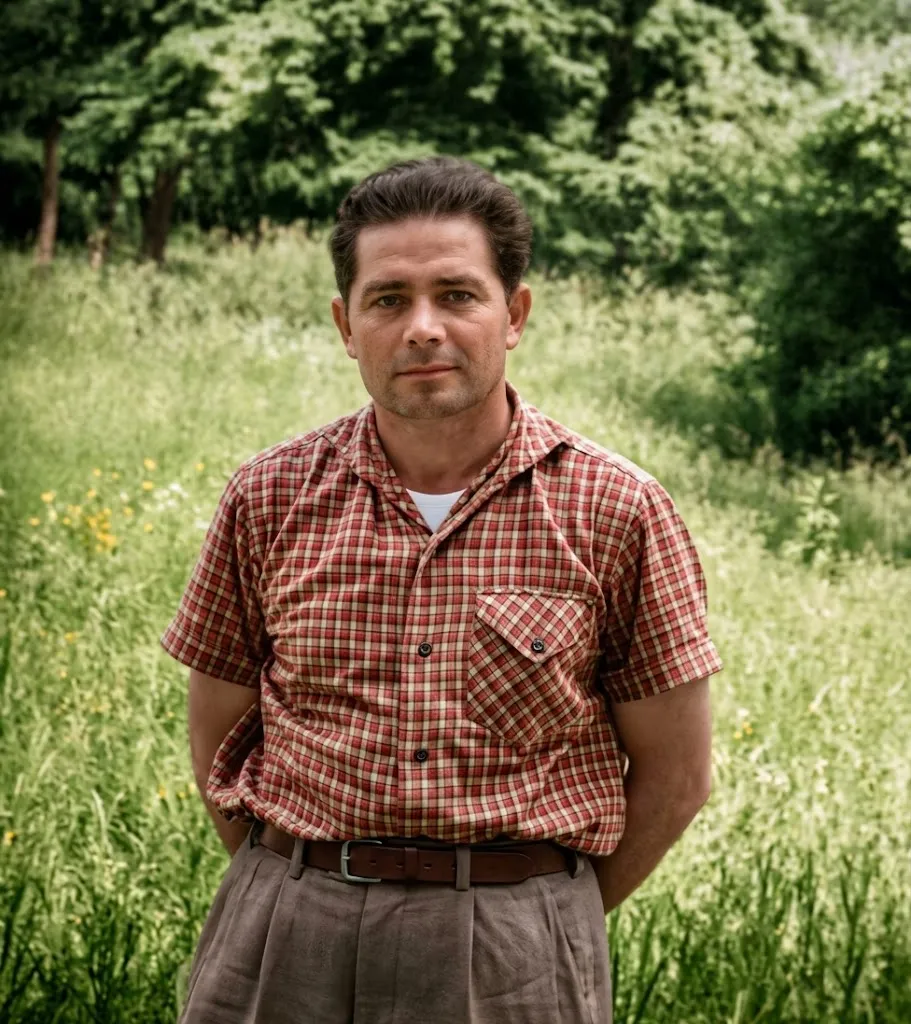
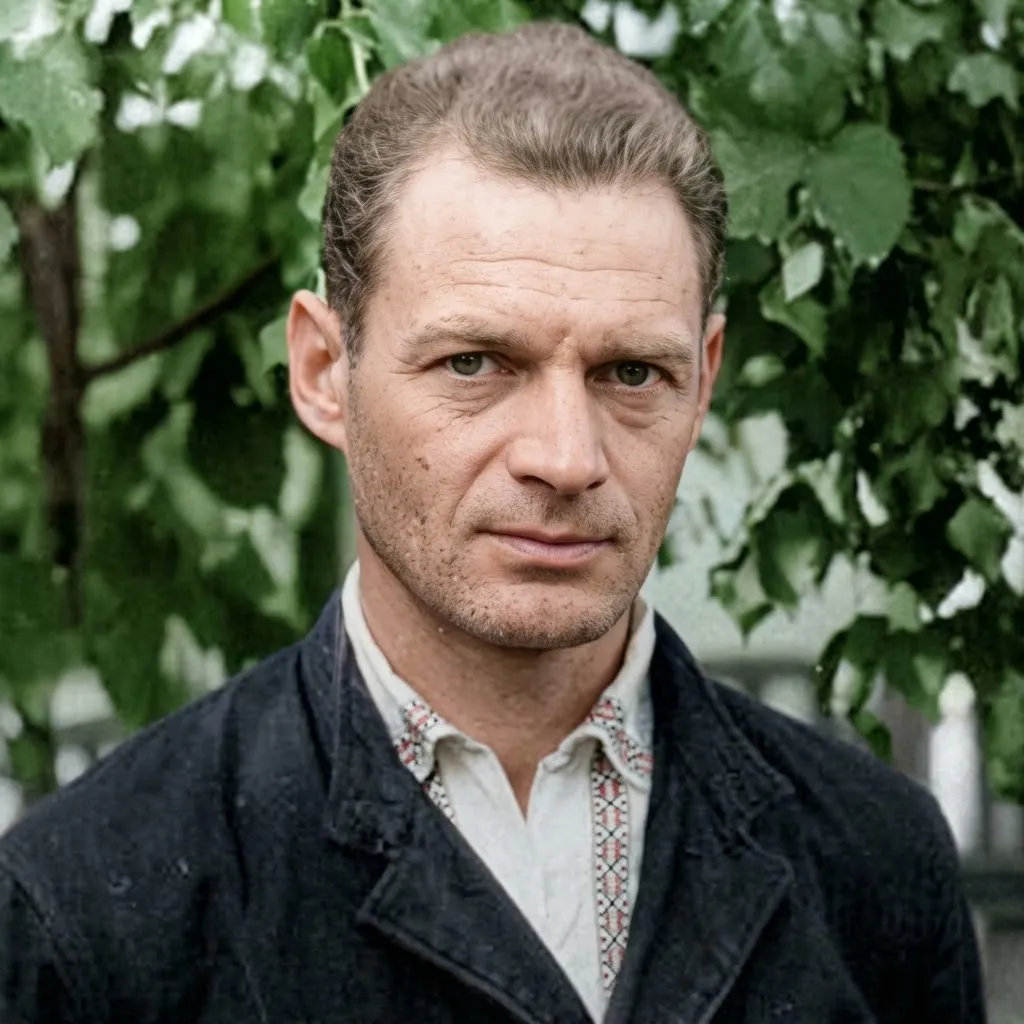
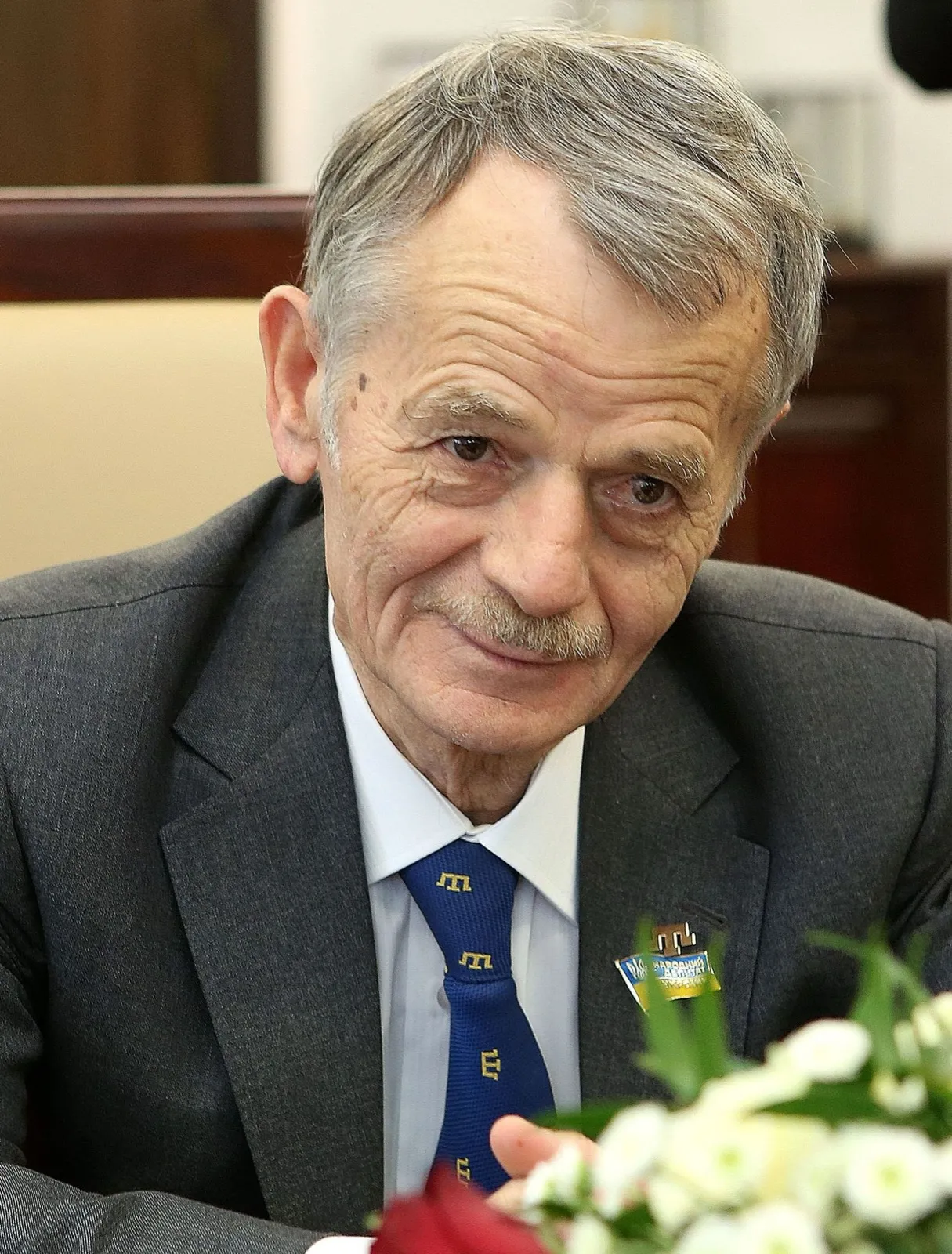
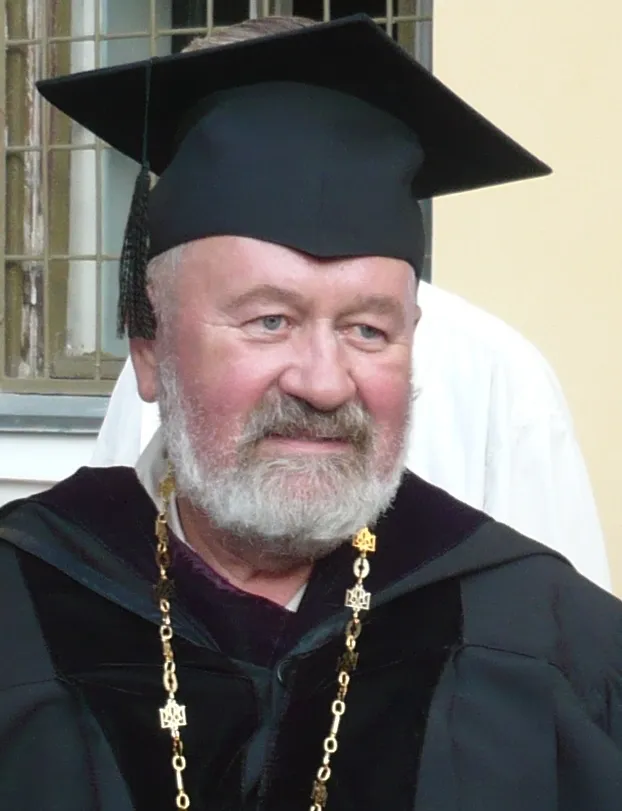
Mykhailo Kosiv
Sixtier and People’s Deputy
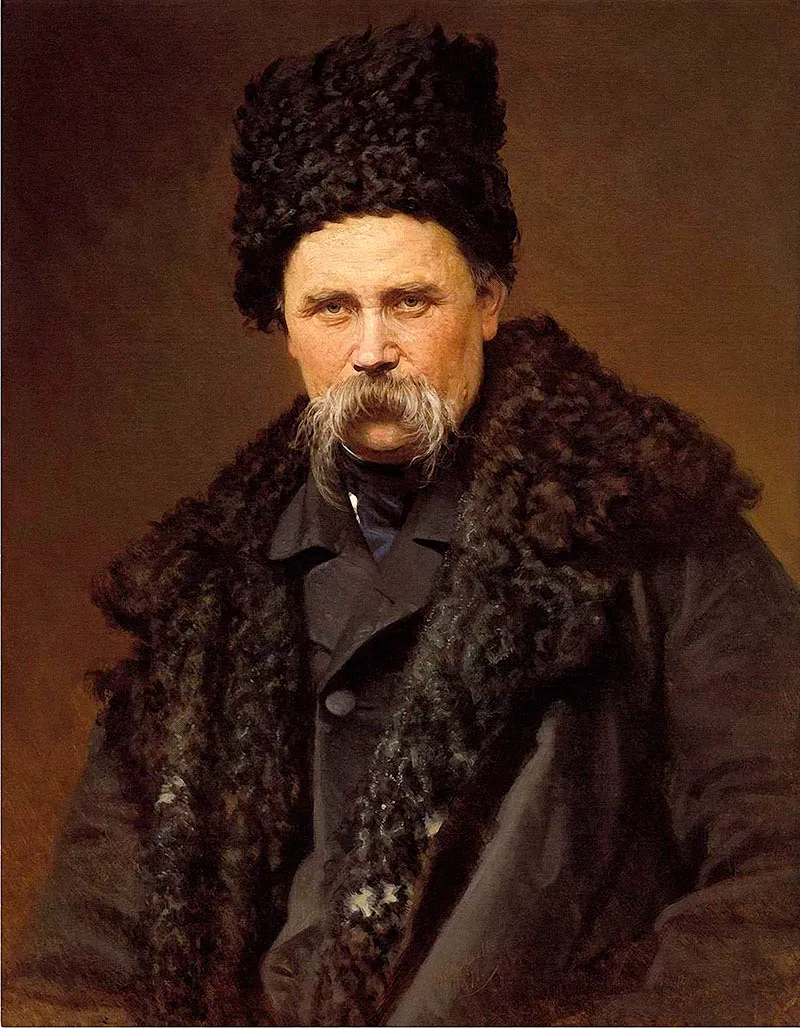
Censors cut a page out of an entire print run of a magazine because on it he called Shevchenko the founder of the Ukrainian national idea. Mykhailo Kosiv led Lviv’s Prolisok club, stood up to the head of the KGB in prison, and later worked on Ukraine’s Declaration of Sovereignty and Constitution.
Key accomplishments
- President of Prolisok, the Lviv club of creative youth (1963–1965)
- Member of the editorial board of the samvydav journal Ukrainian Herald (1970–1972)
- Co-founder of the Ukrainian Language Society and the People’s Movement of Ukraine (Rukh); helped revive the Ukrainian Greek Catholic Church
- People’s Deputy of Ukraine in five convocations (1990–2006, 2007–2012); chair of the Committee on Culture and Spirituality (1994–1998)
- Worked on the Declaration of State Sovereignty of Ukraine (1990) and on 40 articles of the Constitution of Ukraine (1996)
- Books About Ukraine (1990), Let Us Return to the Sources (1996, 2004), Bilingualism or Languagelessness? (1998)
- Honoured Art Worker of Ukraine (1995); Order of Merit, 3rd class (2005)
The page that was cut out
Imagine a magazine already printed, and the censors ordering one page cut out of every copy. In 1964, for the 150th anniversary of Taras Shevchenko, a young Lviv philologist named Mykhailo Kosiv wrote an essay for the magazine Zhovten, “Face to Face with the Kobzar”. In it he called Shevchenko the creator not only of the literary language but also of the Ukrainian national idea. The censors spotted that sentence after the print run, which the author recalls as up to 60,000 copies, was finished. The page was cut out and a new one, without the dangerous words, glued in. Two months later the full essay came out abroad, and Radio Liberty read it on air.
How Prolisok came to bloom
Kosiv was born in 1934 into a peasant family in Vilkhivka, in the Ivano-Frankivsk region. He studied philology at Lviv University and wrote a dissertation on Ivan Franko. In 1962 the Kyiv Sixtiers visited Lviv, and local young people followed their example and founded a club, Prolisok (“Snowdrop”). Kosiv became its president. The club drew in the brothers Mykhailo and Bohdan Horyn, Ivan Hel, Iryna and Ihor Kalynets, and Hryhorii Chubai. Its members read poetry and honoured persecuted artists, and its staging of Shevchenko’s Haidamaky stirred the whole city.
Face to face with the general
In 1965 another of his works, on Shevchenko and Franko, was printed abroad and read out on Radio Liberty. On 27 August KGB officers picked Kosiv up outside the university and drove him to the prison on Lontskoho Street. As he recalls, one winter day the prisoner was taken to the head of the Ukrainian KGB himself, General Nikitchenko. The general demanded that he speak out publicly against the nationalists and Radio Liberty. Kosiv refused. He recalls that the poet Pavlo Tychyna stood up for him by appealing to Petro Shelest, the head of Ukraine’s Communist Party, who then got in touch with Nikitchenko. In March 1966 Kosiv was released because of illness and lack of evidence, but the road to an academic career was closed.
A typewriter at the bottom of a lake
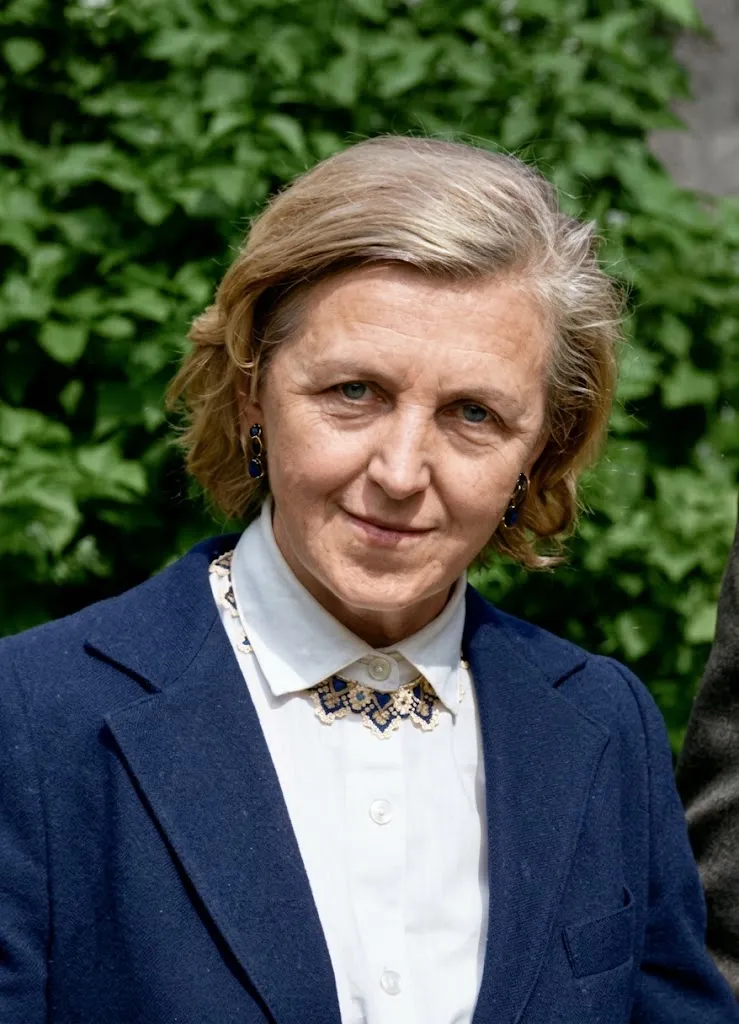
From 1969 Kosiv spent two decades at the Arsenal, Lviv’s museum of old weapons. Meanwhile he sat on the editorial board of the samvydav Ukrainian Herald with Viacheslav Chornovil and Yaroslav Kendzior. After Chornovil was arrested in January 1972, Kosiv and Atena Pashko brought out the sixth issue he had managed to prepare. The typewriter was sunk in a lake so the KGB would never find it. Under interrogation Chornovil took everything on himself and named Kosiv among those who had nothing to do with it. That, and two months in hospital, kept Kosiv out of prison, but he was barred from publishing for 15 years.
From Rukh to the Constitution
In the late 1980s Kosiv was among the founders of the People’s Movement of Ukraine (Rukh), and in 1990 he was elected a People’s Deputy. He worked on drafts of the Declaration of State Sovereignty, adopted on 16 July 1990. On the morning of 19 August 1991, when the coup broke out in Moscow, Kosiv wrote an appeal to the people of the Lviv region: the deputies they had elected would not obey a self-proclaimed authority. Turned away from the television station, he read it out at a meeting of teachers. People copied it down, and it spread across the region. Later Kosiv worked on the Constitution too: of its 161 articles, he had a hand in 40.
Why it matters today
Mykhailo Kosiv went all the way from samvydav to the foundations of an independent state: the Declaration of Sovereignty and the Constitution. He showed that words the censors cut out of a magazine still reach people. The club he led became a school for a generation that went on to fight for freedom. Anyone who calls things by their names out loud when told to keep quiet carries on his work.