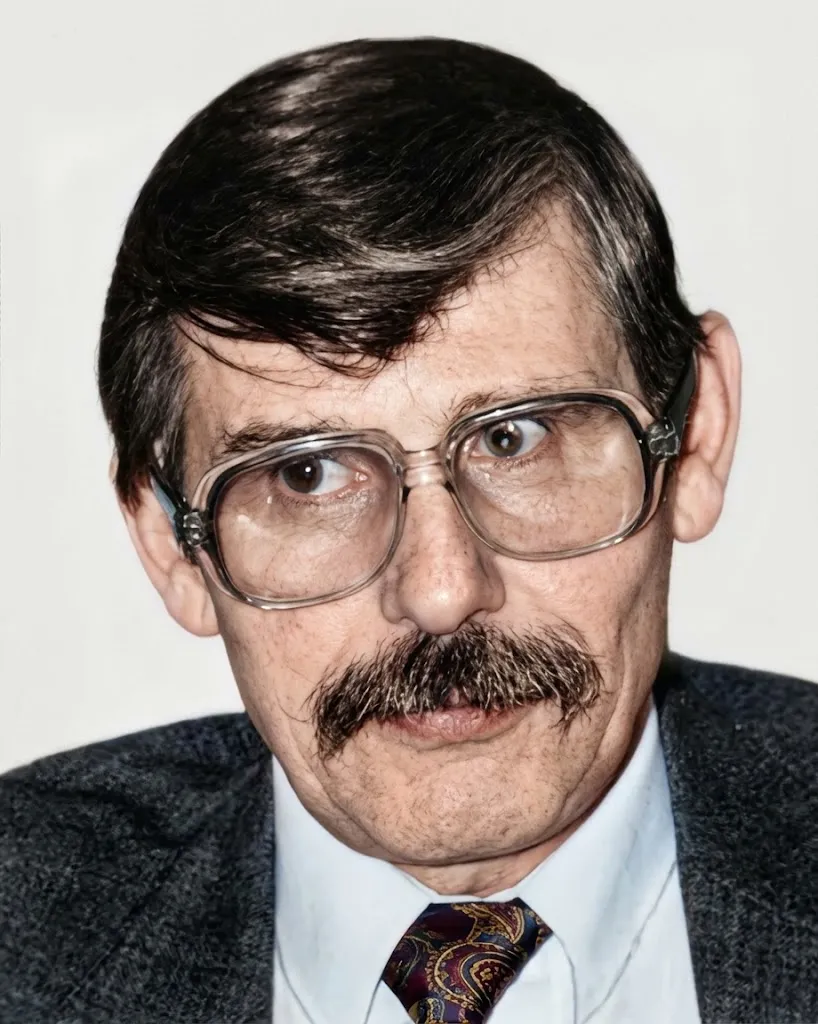
1927–1968
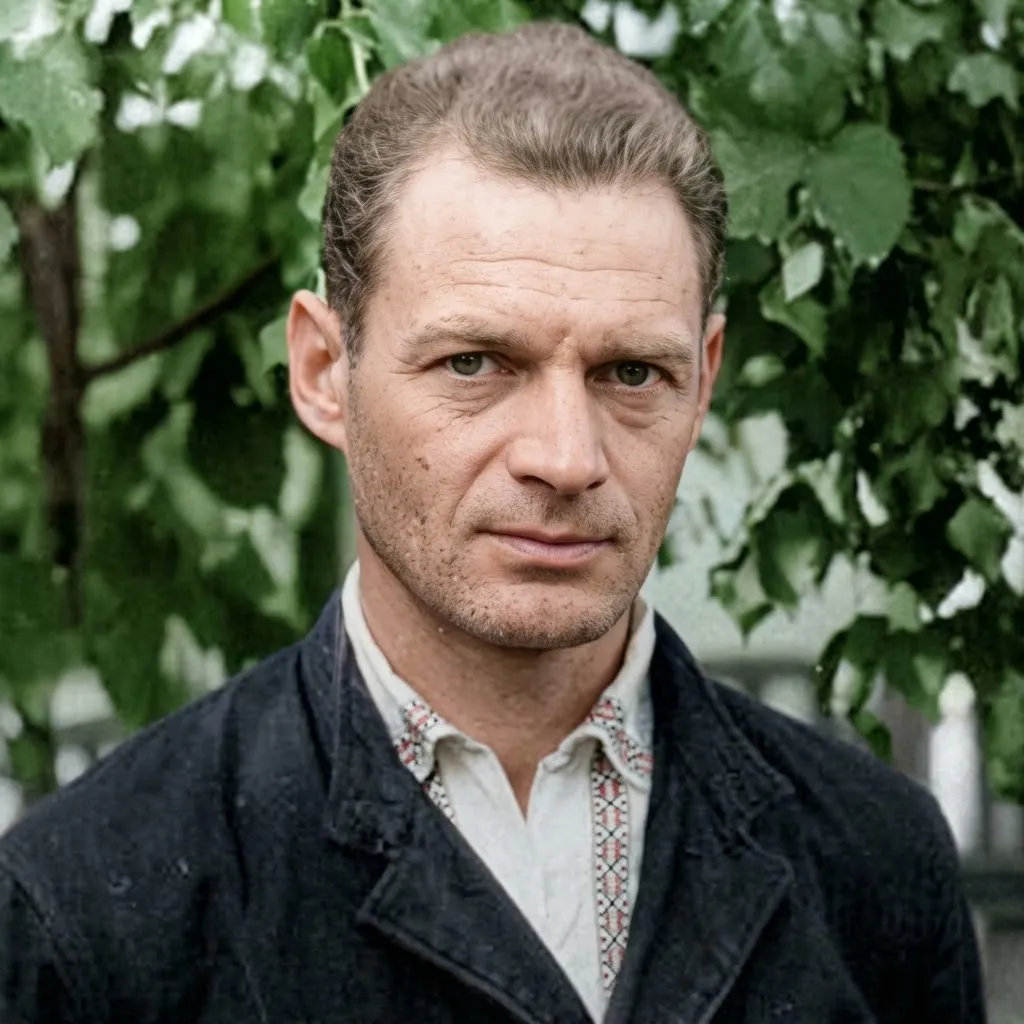
Vasyl Makukh
UPA fighter, political prisoner
More than two months before Jan Palach in Prague, a Ukrainian became a living torch. On 5 November 1968 Vasyl Makukh, a former UPA fighter and political prisoner, set himself on fire on Kyiv’s Khreshchatyk in protest at Ukraine’s subjugation and the invasion of Czechoslovakia.
Key accomplishments
- Scout in the Ukrainian Insurgent Army (1944–1946)
- Camps in Mordovia and exile in Siberia (1946–1956)
- The first protest by self-immolation in Ukraine, on Khreshchatyk in Kyiv (5 November 1968)
- A street in Dnipro named after him (2015), a memorial plaque on Khreshchatyk (2017), a footbridge in Prague (2018) and a street in Kyiv (2019)
A village boy who joined the insurgents
Vasyl Makukh was born in 1927 in the village of Kariv in the Lviv region, into a peasant family. In late 1944, at seventeen, he deserted from the Soviet Army, joined the Ukrainian Insurgent Army (UPA) and served in its intelligence under the code name “Mykola”. In February 1946 he was wounded in battle and captured. Under interrogation the eighteen-year-old gave no one away: to every question from the investigator, even about his commander, he answered, “I don’t know.”
A Soviet court gave him ten years in the camps and five years of exile. He served his term in the camps of Mordovia; in 1955 he was let out of the camp and sent into exile in Siberia, and in 1956 he was finally free. In exile he met the actress Lidiia Zapara, who at seventeen had also been sentenced to ten years in the camps and five years of exile.
A stranger in his own country
Former insurgents weren’t allowed back home to Galicia. Makukh followed Lidiia to Dnipropetrovsk, married her and worked as a fitter. Their daughter Olha was born in 1960 and their son Volodymyr in 1964. He wanted to study: he finished evening school and got into the university’s education faculty, but he was expelled as soon as his years in the camps came to light.
At home the family spoke Ukrainian, which was already unusual in the city. Early in 1968 he was deeply moved by Oles Honchar’s novel The Cathedral in the journal Vitchyzna, and outraged by the way the press hounded it. Then in August one piece of news shook him: Soviet troops rolled into Czechoslovakia to crush the Prague Spring. He told his wife he was ready to give himself for a free Ukraine and for his children’s future. In October he went to his family in the Lviv region and from there wrote letters to friends and to his wife; each ended with “Glory to Ukraine!” According to testimony kept by the SBU, he also wrote a letter of protest to the Central Committee of the Communist Party of Ukraine.
A protest on Khreshchatyk
Two days before the main Soviet holiday, on 5 November 1968, Vasyl Makukh came to Khreshchatyk in Kyiv, near the Bessarabsky Market, and set himself on fire. He ran towards what is now Independence Square, shouting slogans against the colonisers and the occupiers of Czechoslovakia, and “Long live a free Ukraine!” He died in hospital the next day. He was 40.
It was the first protest of its kind in Ukraine. Soviet newspapers said nothing, but the news reached foreign radio stations. The KGB questioned Makukh’s wife for three months and she lost her job; his funeral in Dnipropetrovsk took place under KGB watch. He was buried on 14 November, the day he would have turned 41 and his son Volodymyr’s birthday.
His last words in hospital
In hospital Vasyl Makukh came round an hour before he died. The doctors reproached him: why had he done it, when his children would now be left orphans? Makukh replied:
“They will yet be proud of their father. Today we are all orphans. Ukraine is an orphan.”
Why it matters today
Vasyl Makukh’s protest was the first of its kind in Ukraine: a former political prisoner walked onto the capital’s main street and shouted “Long live a free Ukraine!” Soviet newspapers kept silent, but the news reached the world, and later Jan Palach in Prague, Romas Kalanta in Lithuania and Oleksa Hirnyk in Kaniv made the same protest. His act is a reminder that Ukraine’s freedom had defenders even when almost no one could hear them. He believed his children would “yet be proud of their father”, and the free Ukraine he never lived to see can now know his name: since 2017 a plaque on Khreshchatyk has marked it, in 2018 a footbridge in Prague was named after him, and in 2019 a street in Kyiv.