1879–1926
Symon Petliura
Head of the UPR Directory, Chief Otaman
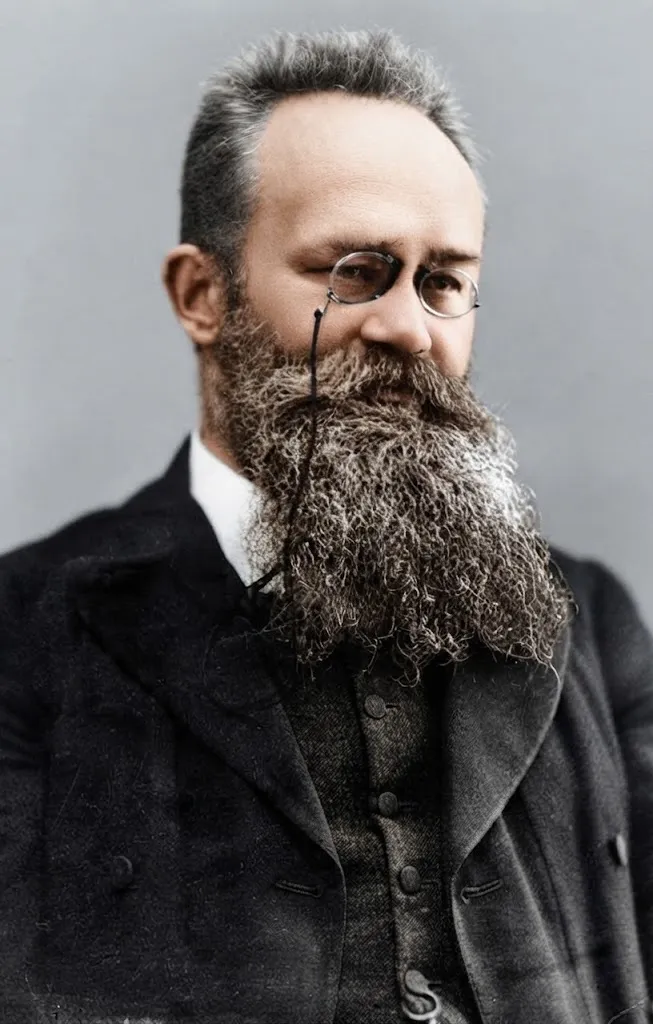
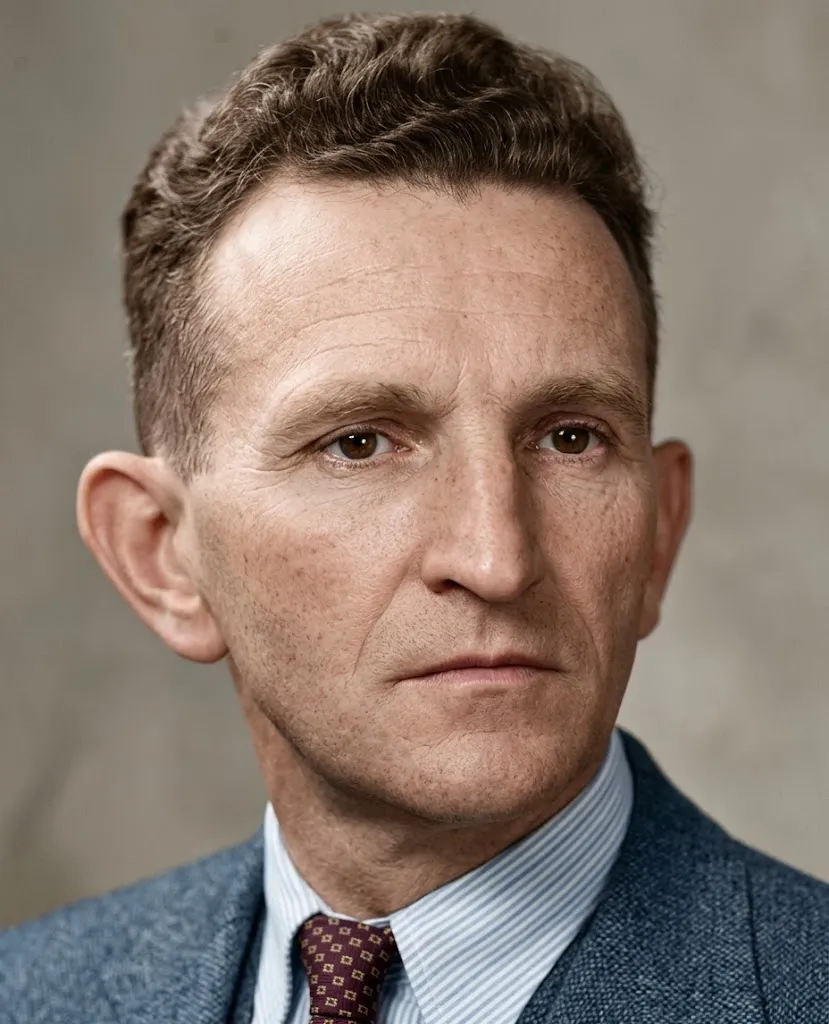
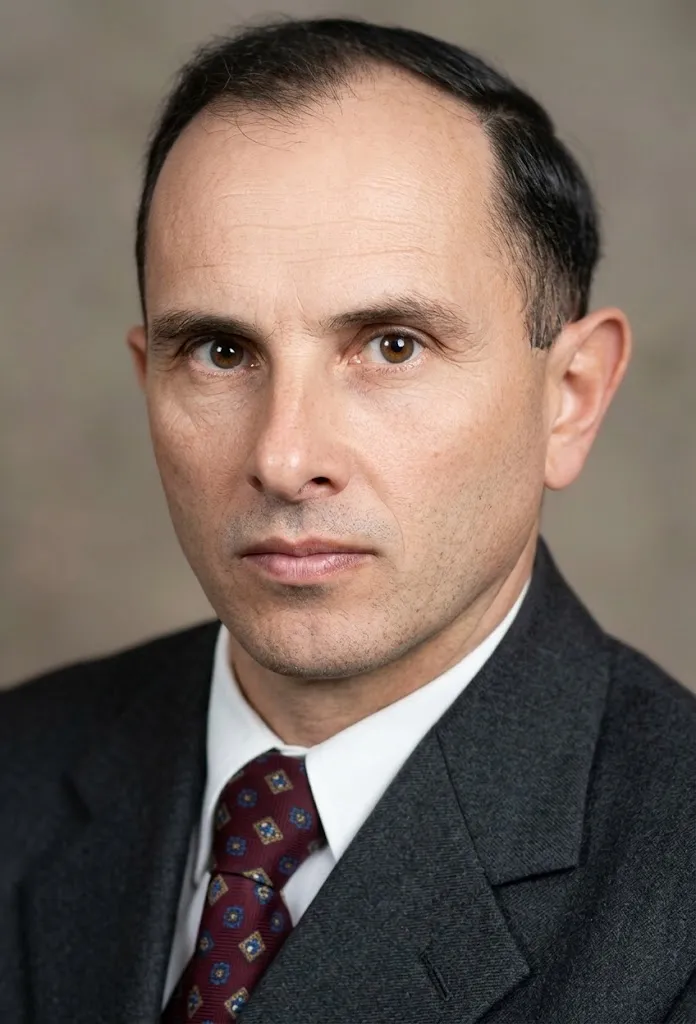
In 1911 he was working as a bookkeeper in Moscow; by 1918 he was Chief Otaman of the Ukrainian People’s Republic army. Symon Petliura helped create the Ukrainian army and became a symbol of the 1917–1921 fight for independence; historians still debate his responsibility for the pogroms.
Key accomplishments
- First General Secretary for Military Affairs of the Ukrainian Central Rada (1917): laid the foundations of the Ukrainian armed forces
- Chief Otaman of the UPR Army (from November 1918) and Head of the UPR Directory (from 1919)
- Led the UPR Army in the war against the Bolsheviks and Denikin’s forces; ordered the start of the First Winter Campaign (1919)
- Founded the weekly Tryzub in Paris and led the UPR government in exile
From bookkeeper to Chief Otaman
In 1911 Symon Petliura moved to Moscow and worked there as a bookkeeper, and later he co-edited the journal Ukrainskaia zhizn with Oleksandr Salikovskyi. Seven years later this journalist became Chief Otaman of the army of the Ukrainian People’s Republic (UPR).
He was born in 1879 in Poltava into a townspeople’s family of Cossack origin. In 1901 he was expelled from the Poltava Theological Seminary for belonging to a secret Ukrainian circle. He joined the Revolutionary Ukrainian Party, worked as a teacher and on the archives of the Kuban Cossack Host, and was arrested twice.
Building an army
After the revolution of 1917 Petliura became the first General Secretary for Military Affairs of the Central Rada and pushed for the Ukrainization of units of the Russian army. At the end of 1917 he formed the Haidamaka Kish of Sloboda Ukraine, which fought the Bolsheviks and helped suppress the uprising at the Arsenal plant in Kyiv.
Under Hetman Skoropadskyi, Petliura headed the All-Ukrainian Union of Zemstvos and spent several months in prison. In November 1918 he became Chief Otaman of the forces of the Directory, which rose against the hetman, and from 1919 he headed the Directory itself. For 10 months the UPR Army under his command fought the Bolsheviks and Denikin’s forces. At the end of 1919, on his orders, the army set out on the First Winter Campaign. In 1920, after the Treaty of Warsaw with Poland, UPR and Polish forces took Kyiv on 7 May, but later had to retreat.
Exile
Because the Bolsheviks were demanding his extradition, Petliura left Poland, and in 1924 he settled in Paris. There he founded the weekly Tryzub and led the UPR government in exile. On 25 May 1926 he was shot dead on the Rue Racine by Sholem (Samuel) Schwartzbard. Petliura was buried in Montparnasse Cemetery.
Debates and assessments
In 1918–1920 Ukraine saw numerous brutal anti-Jewish pogroms. According to Nahum Gergel’s count, more than 31,000 people were killed; other estimates go as high as 60,000. The pogroms were carried out by different forces, including Denikin’s army, Red Army soldiers, otaman and anarchist bands, and also UPR units, which Gergel’s data credit with about 40 percent of the pogroms. The question of Petliura’s responsibility as head of state and commander in chief is one of the most debated in the history of the Ukrainian Revolution.
Ukrainian encyclopedias and some historians (including Taras Hunczak) stress that Petliura tried to stop the pogroms and punished those responsible severely; for example, the otaman responsible for the pogrom in Proskuriv (today Khmelnytskyi) was executed by firing squad. Other researchers (including Zosa Szajkowski) argue that he did not do enough to stop the violence.
Schwartzbard said he was avenging the victims of the pogroms, for which he blamed Petliura. At the trial in Paris in 1927 the defense spoke about the pogroms, while the prosecution argued that Petliura was not responsible for them and that Schwartzbard was a Soviet agent. The jury acquitted Schwartzbard. For decades Soviet propaganda used the words “Petliurism” and “Petliurites” as terms of abuse.
Why it matters today
Petliura became one of the central figures of the 1917–1921 struggle for independence. Streets in many cities bear his name, monuments to him stand in Rivne, Vinnytsia and Ternopil, and the Cabinet of Ministers has established an academic scholarship in his name.