1873–1945
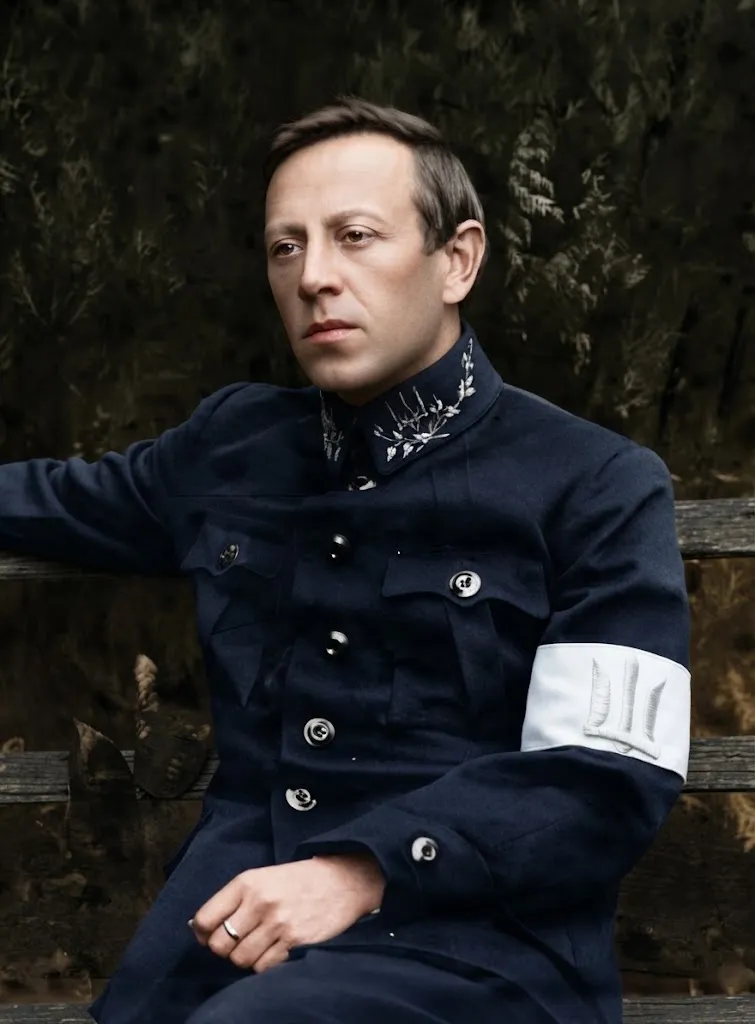
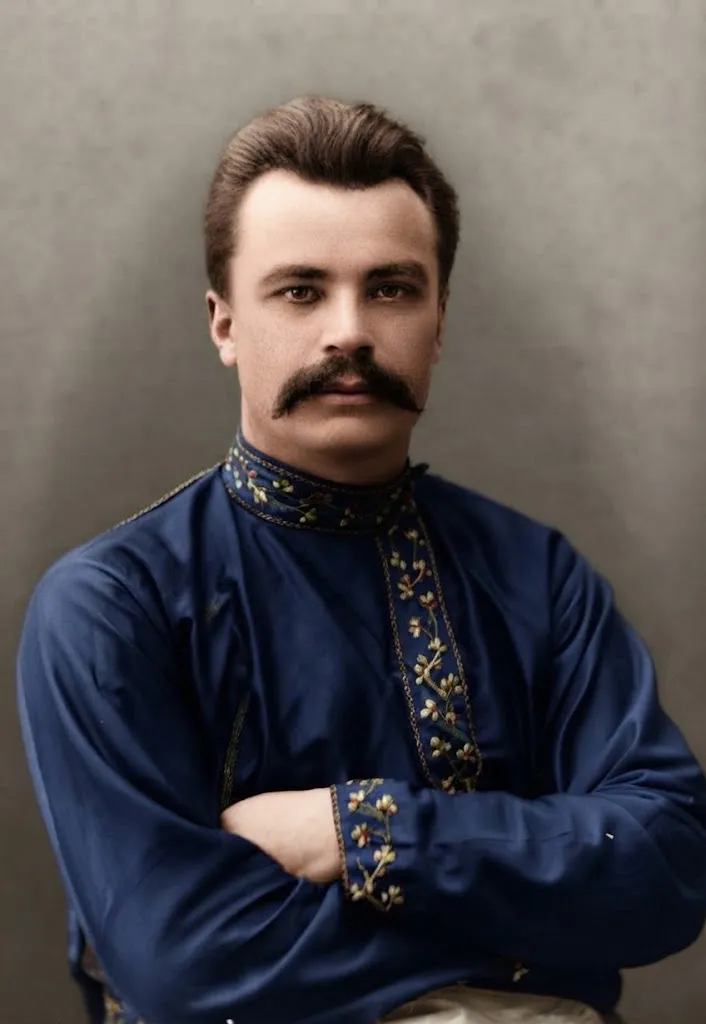
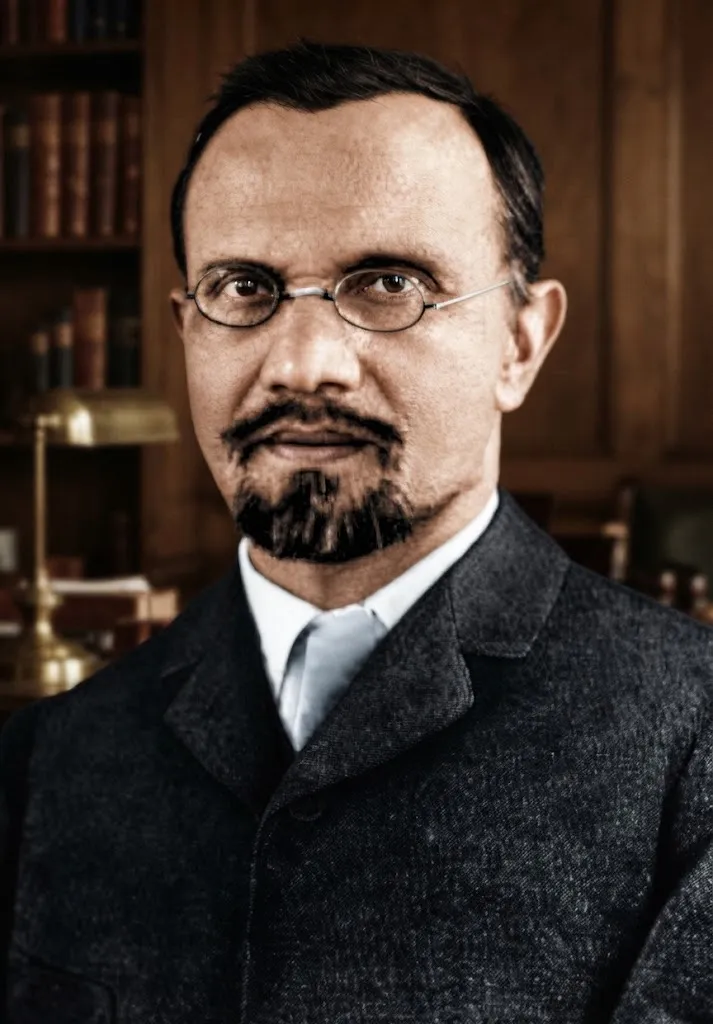
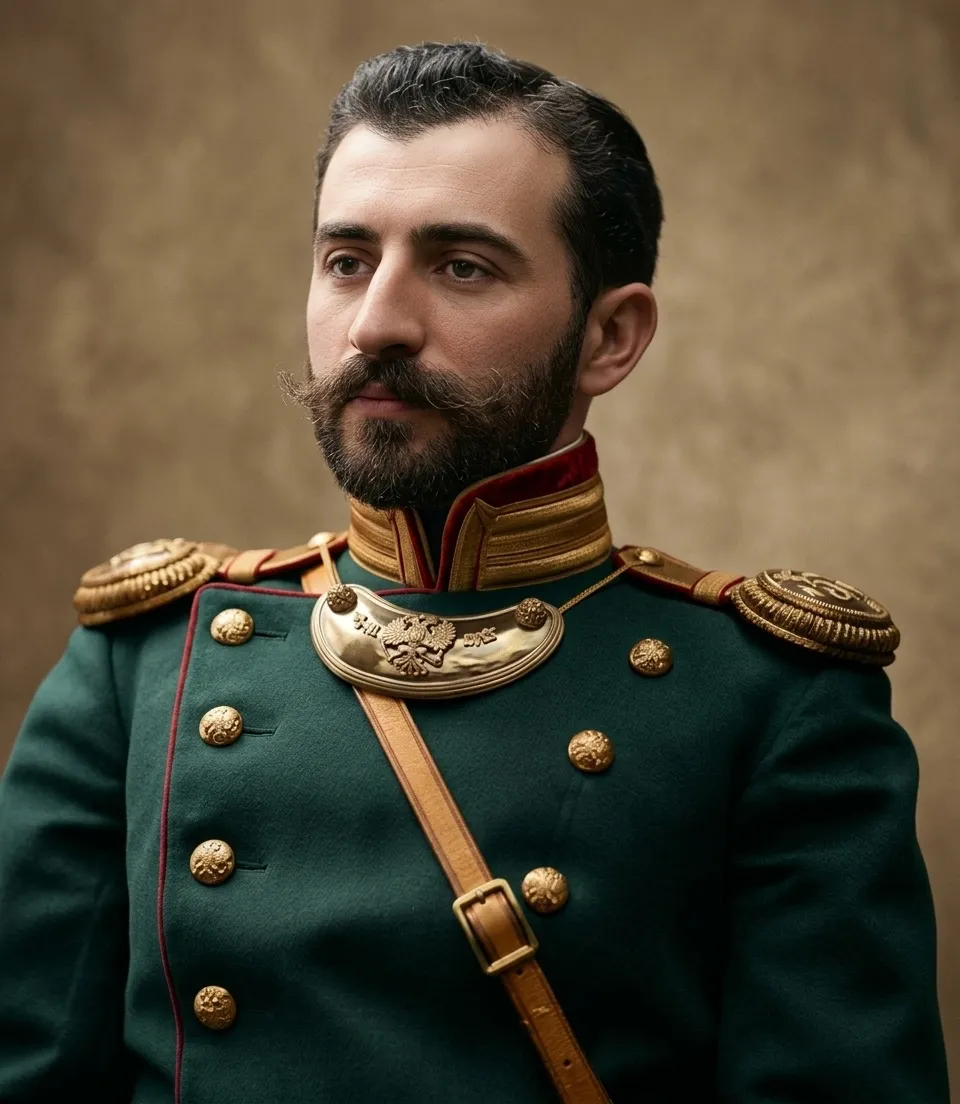
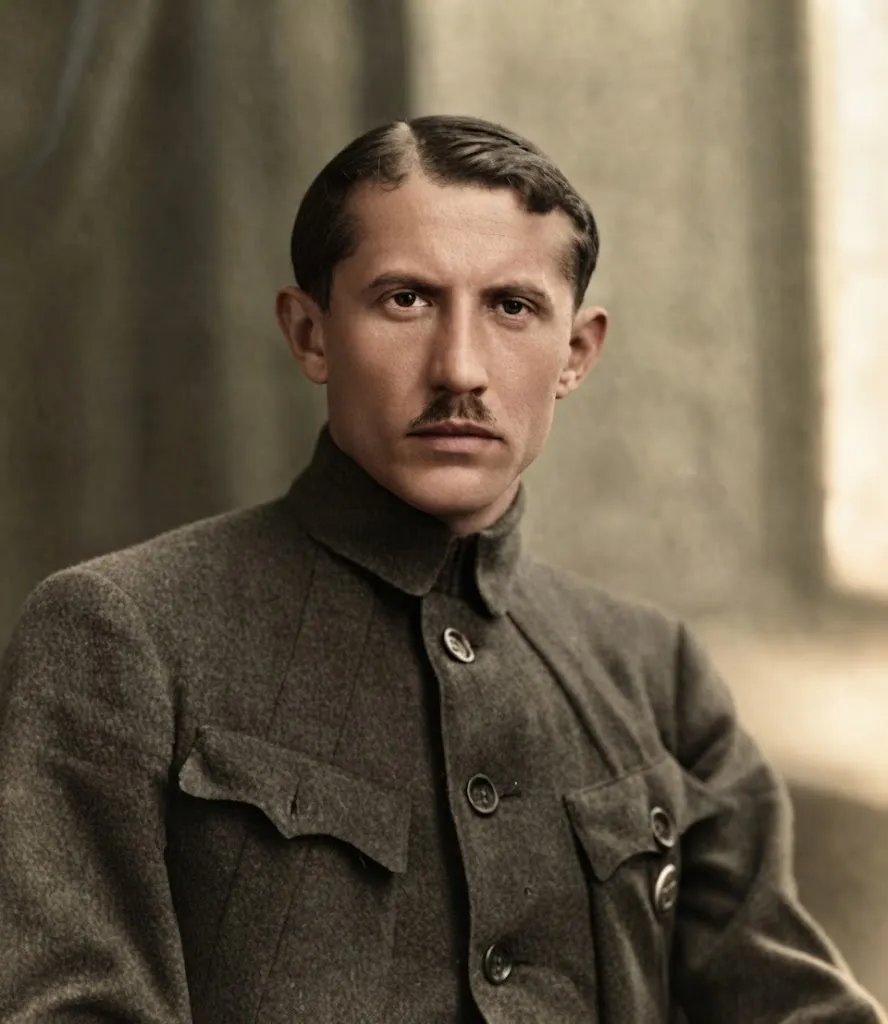
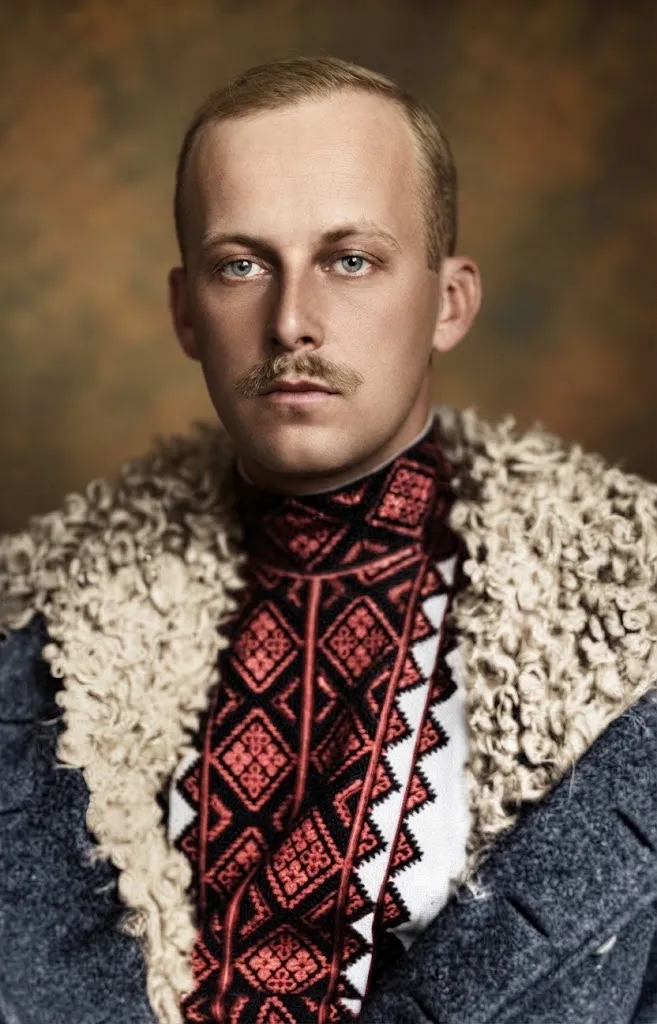
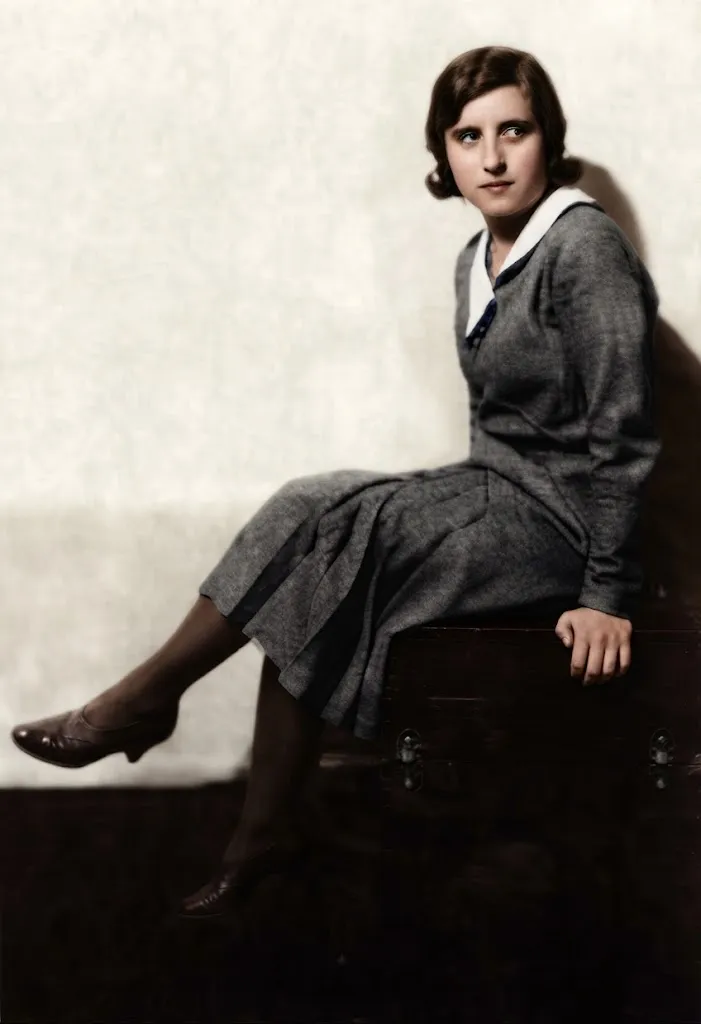
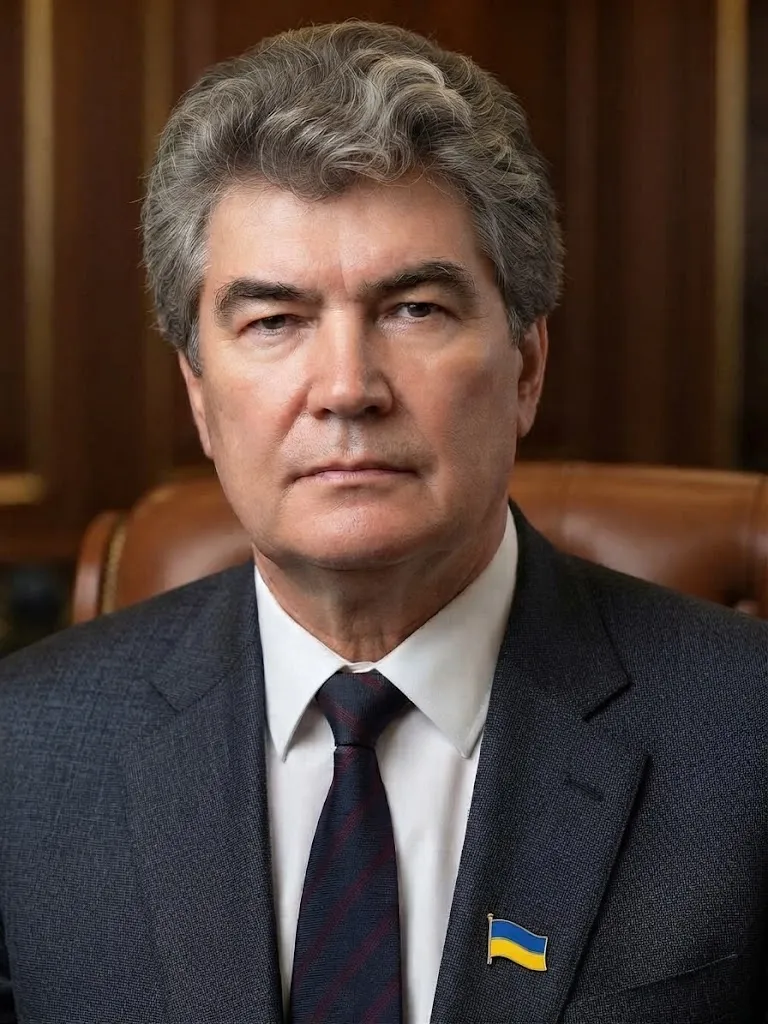
Pavlo Skoropadskyi
Hetman of the Ukrainian State
He was hetman for less than eight months in 1918, yet the Academy of Sciences founded then still works today. General Pavlo Skoropadskyi came to power with German backing; his regime was authoritarian, and views of it still differ.
Key accomplishments
- Ukrainized the 34th Army Corps into the 1st Ukrainian Corps and in December 1917 kept Bolshevized units out of Kyiv
- Hetman of the Ukrainian State (29 April - 14 December 1918)
- His government founded the Ukrainian Academy of Sciences, Ukrainian state universities in Kyiv and Kamianets-Podilskyi, the National Library, and opened or Ukrainianized more than 150 gymnasiums
- In exile, initiated the founding of the Ukrainian Scientific Institute in Berlin (1926)
Seven and a half months that outlived a century
Pavlo Skoropadskyi was hetman only from 29 April to 14 December 1918. Yet the National Academy of Sciences of Ukraine and the National Library of Ukraine both trace their history to that time.
A general from an old officer family
Skoropadskyi was born in Wiesbaden, Germany, into an old Ukrainian family of Cossack officers. He fought in the First World War and earned the Order of Saint George and the rank of lieutenant general. In 1917 he Ukrainianized his 34th Army Corps, turning it into the 1st Ukrainian Corps, and became otaman of the Free Cossacks. At the end of that year his troops disarmed Bolshevized units and kept them out of Kyiv.
Hetman of the Ukrainian State
On 29 April 1918, with the backing of the German command, Skoropadskyi was proclaimed hetman. The Ukrainian People’s Republic became the Ukrainian State, and all power lay with the hetman. Under his rule came the Ukrainian Academy of Sciences, state universities in Kyiv and Kamianets-Podilskyi and the National Library; by November 1918 there were 150 Ukrainian gymnasiums. But the regime never solved the land question, peasants rose up, and its power rested on German and Austro-Hungarian troops.
After the Central Powers were defeated, on 14 November 1918, the hetman announced a course towards federation with a future non-Bolshevik Russia. The Directory’s uprising began, and on 14 December Skoropadskyi gave up power. In exile he lived in Wannsee near Berlin and led the hetmanite movement, and in 1926 the Ukrainian Scientific Institute in Berlin was founded on his initiative. In April 1945 he was mortally wounded in a bombing raid on Plattling station in Bavaria.
Debates and assessments
Views of the Hetmanate still differ. Critics, including the Ukrainian democratic and socialist parties of the day, pointed out that Skoropadskyi’s power came from a coup backed by the German army, was authoritarian, introduced censorship and brought into government Russian figures hostile to Ukrainian independence. At the same time, historians acknowledge the Ukrainian State’s achievements in diplomacy, education and culture. The Encyclopedia of the History of Ukraine describes his rule as a temporary one-man government that drew on historical and national traditions and leaned towards authoritarianism, and notes that in exile he gave up his federalist views.
Why it matters today
The institutions founded under Skoropadskyi are still at work. And his experience shows how hard it was to build a state in the middle of a war, a foreign military presence and a deep social divide.