1885–1941
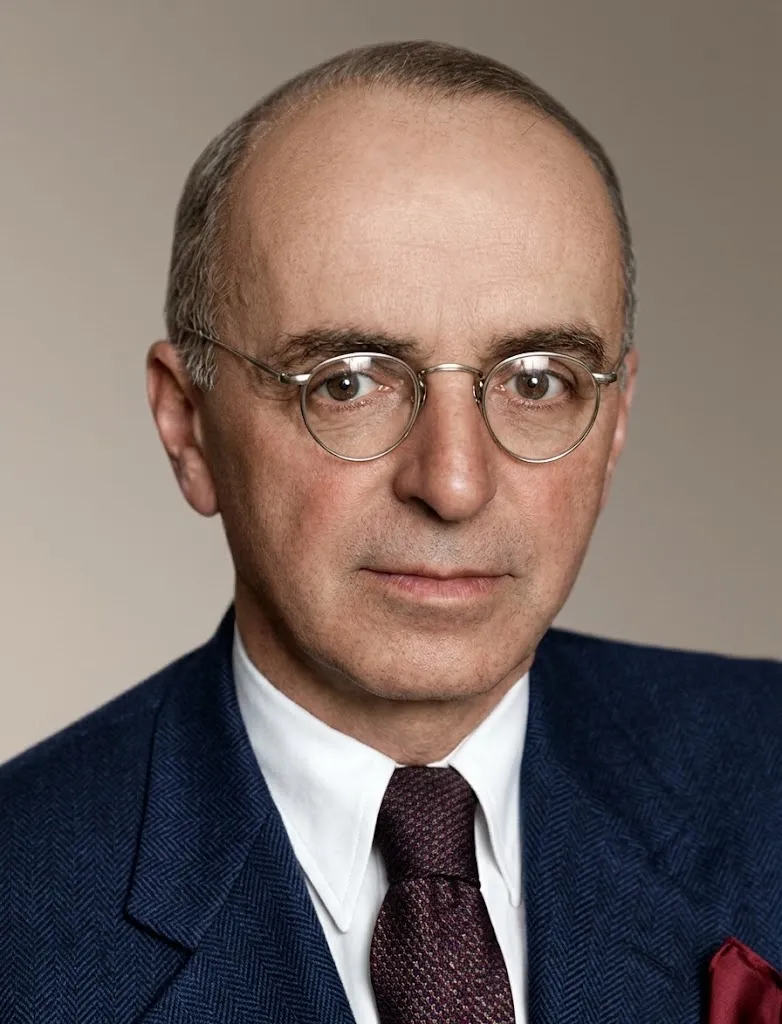
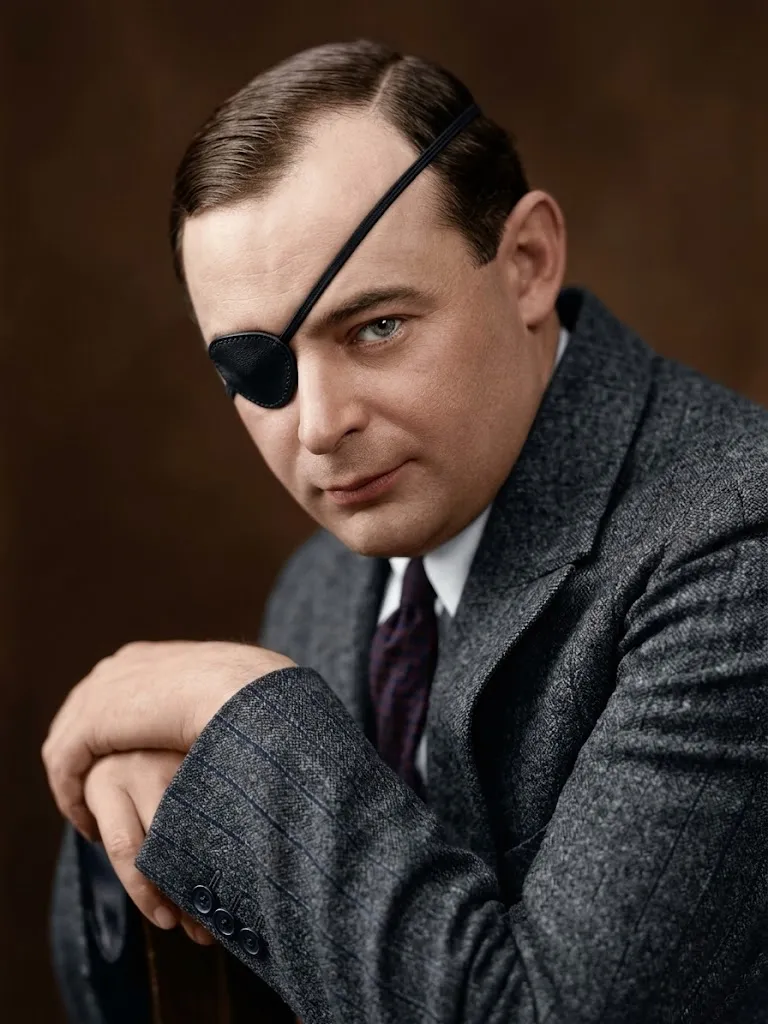
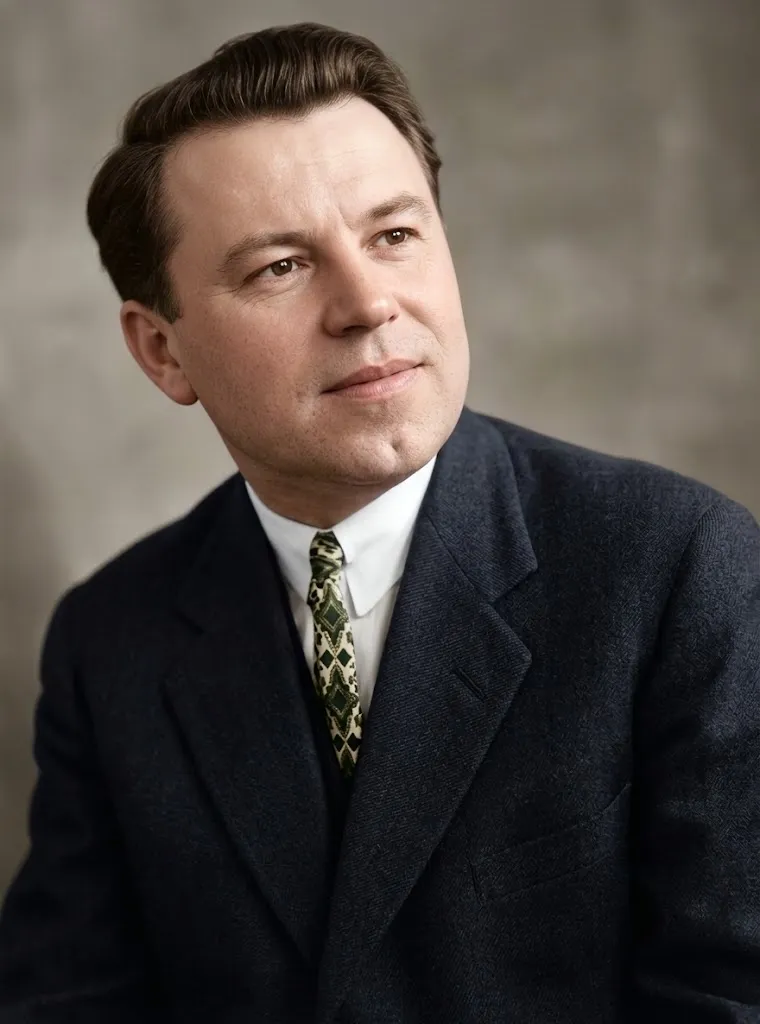
Volodymyr Svidzynskyi
Poet of quiet, translator
Can silence be a protest? When critics complained that Volodymyr Svidzynskyi’s poems didn’t praise the new regime, he simply stopped publishing them. A subtle lyric poet and translator, he died in NKVD custody near Kharkiv in the autumn of 1941.
Key accomplishments
- The collections Lyrical Poems (1922), September (1927) and Poems (1940)
- His poems of 1927–1936, published abroad as Medobir (Munich, 1975)
- Translations of Hesiod, Aesop, Ovid and Aristophanes, and of French, German and Polish poetry
- Research on Podillia carpet weaving; an article on the weaving trade (1916)
The poet who chose silence
In 1927 a collection of poems called September came out in Kharkiv. The critics tore it apart: the poems had no “civic motifs”, meaning no praise for the new regime. The author, Volodymyr Svidzynskyi, didn’t argue, and he didn’t start writing to order either. He just stopped publishing his own poems. Vasyl Stus later wrote of that choice: “To shut oneself away in order to survive.”
From a family of priests
Volodymyr was born on 8 October 1885 in the village of Maianiv in Podillia. His relatives on both his father’s and his mother’s side were priests, so he first studied at the Tyvriv church school and the Kamianets-Podilskyi seminary, but illness kept him from finishing the seminary. Short of money, he then spent seven years as an auditing student at the Kyiv Commercial Institute. His first poem appeared in 1912 in the journal Ukrainska khata. He researched the carpet weaving of Podillia and went on field trips, and from 1915 he lived in Zhytomyr. His article on the weaving trade came out in 1916, and from 1916 to 1918 he served in the army.
Kamianets and a first book
In 1919 he married and settled in Kamianets-Podilskyi, in the brief years of Ukrainian statehood. There he enrolled at the university and became friends with Yurii Lypa and Liudmyla Starytska-Cherniakhivska. His first collection, Lyrical Poems, came out in Kamianets in 1922. Later the family moved to Kharkiv, where Svidzynskyi became literary editor of the journal Chervonyi shliakh.
Poems that “come on their own”
After September, Svidzynskyi published only translations: Hesiod, Aesop, Ovid, Aristophanes, and French, German and Polish poets. His friends the Pylynska sisters, one of whom was married to the writer Ivan Dniprovskyi, urged him to write about current topics. He answered that poems “came” to him on their own. And he kept writing, for himself: his early poems leaned toward symbolism, while in his later collections surreal images meet classical form. After his wife died he brought up their daughter Myroslava alone.
The 1940 collection
Friends, the writer Yurii Yanovskyi and some young poets, talked Svidzynskyi into a new book. Poems came out in Lviv in 1940. It included a poem praising Stalin, which started an argument over whether Svidzynskyi really wrote it. Stus believed he didn’t: the style wasn’t his.
Autumn 1941
In the summer of 1941 German troops were approaching Kharkiv. Svidzynskyi had an evacuation pass, but his 20-year-old daughter refused to leave, and he would not go without her. On 27 September the NKVD arrested him for “anti-Soviet propaganda”, and the prisoners were marched east under guard. Volodymyr Svidzynskyi died on 18 October 1941, at the age of 56. Sources tell what happened in different ways. According to eyewitnesses, in the village of Nepokryte near Kharkiv the guards locked the prisoners in a wooden building and set it on fire. According to Soviet records, the poet was killed by a German bomb. Many of his last poems, which he had taken with him, were lost too.
How the poems came back
Svidzynskyi’s name was banned, and his books were locked away in restricted library collections. But some of his manuscripts were taken abroad, and in 1975 his poems of 1927–1936 came out in Munich as Medobir. In 1986 a collection of his poems was published in Ukraine, and in 2004 his poems and translations came out in two volumes.
Why it matters today
Volodymyr Svidzynskyi showed that even under pressure you don’t have to betray yourself: when a poet was expected to produce slogans, he chose silence and wrote only what he held to be true. His subtle lyrics and his translations of ancient and European poets enriched Ukrainian poetry, though the regime tried to erase his name. The poems he wrote “for the drawer” outlived the ban and are back with readers today. Anyone who doesn’t want to speak in someone else’s words can find a kindred spirit in him.