c. 1888–1937
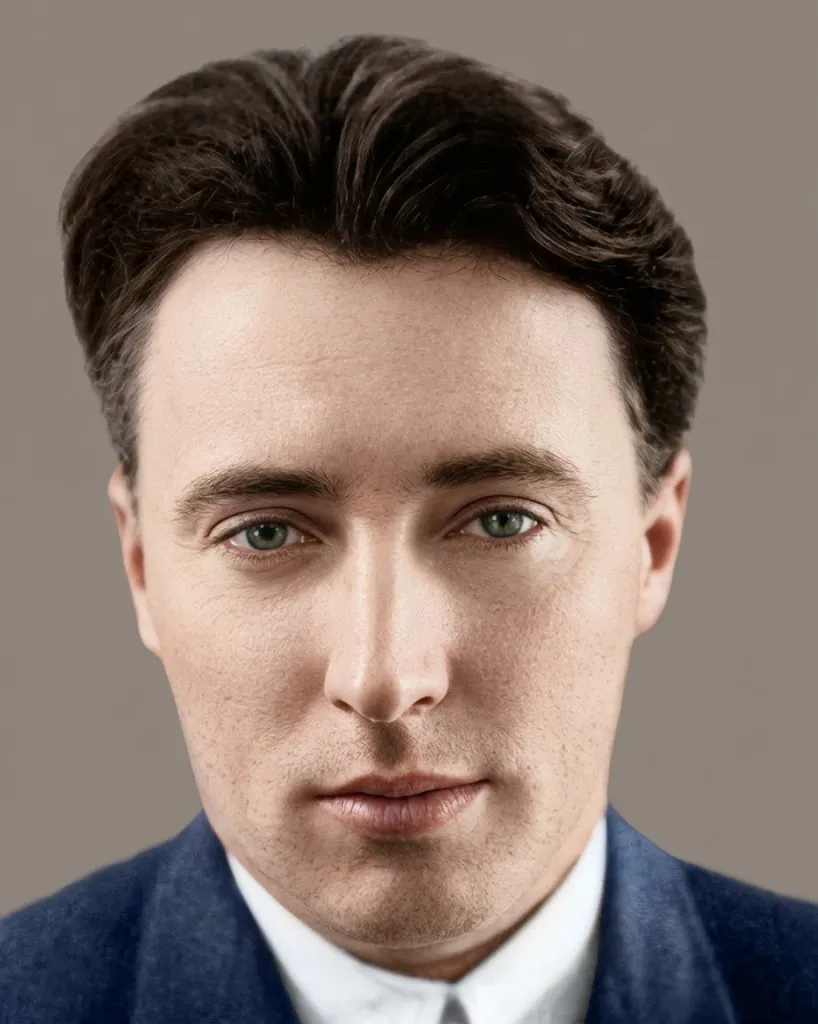
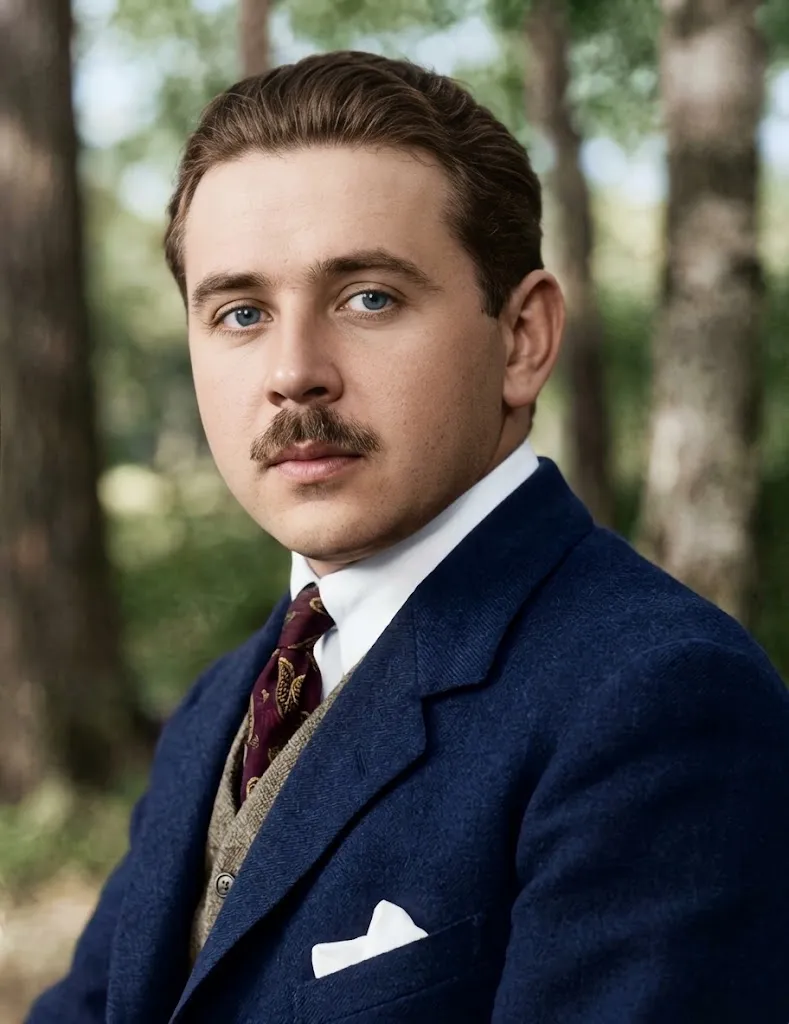
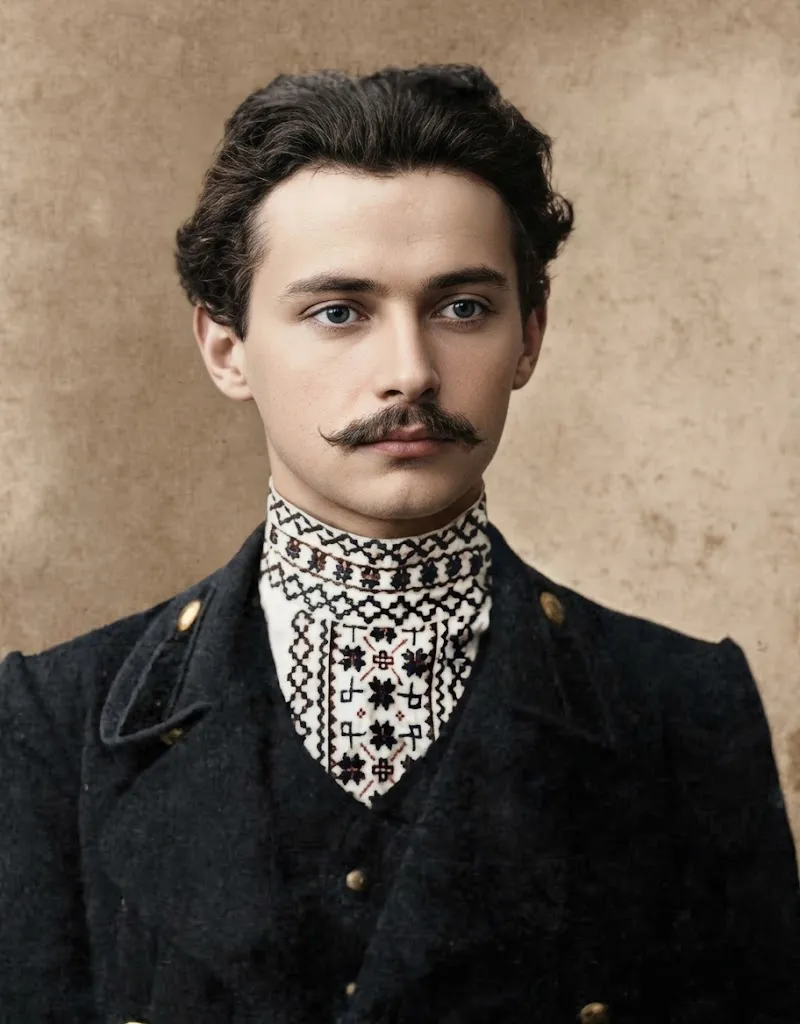
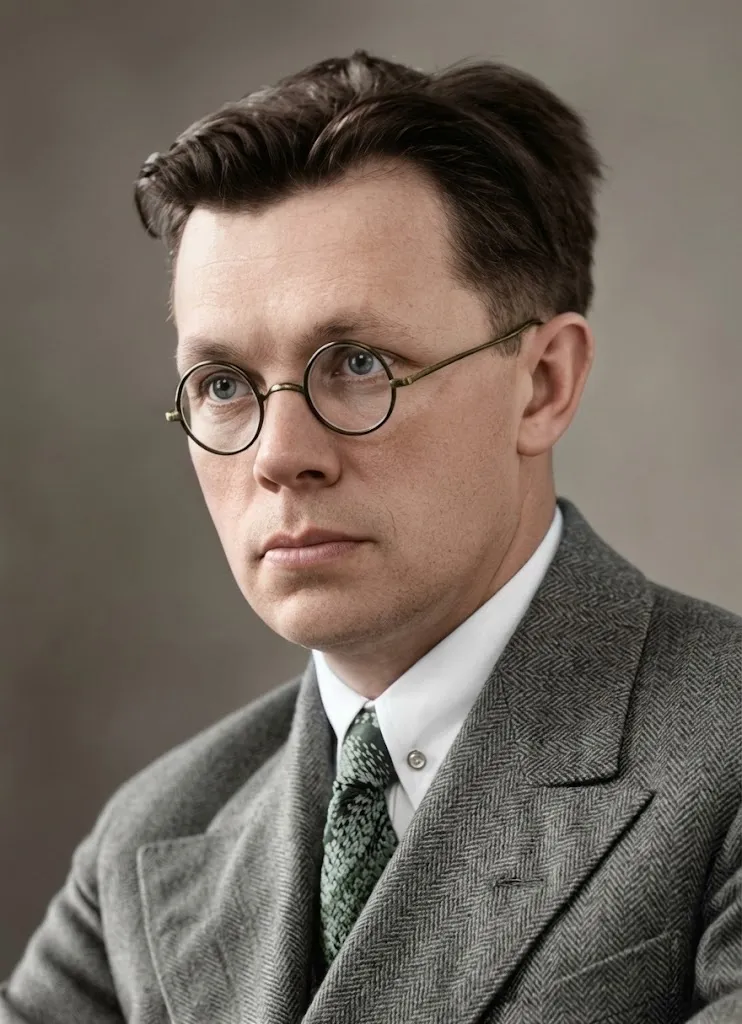
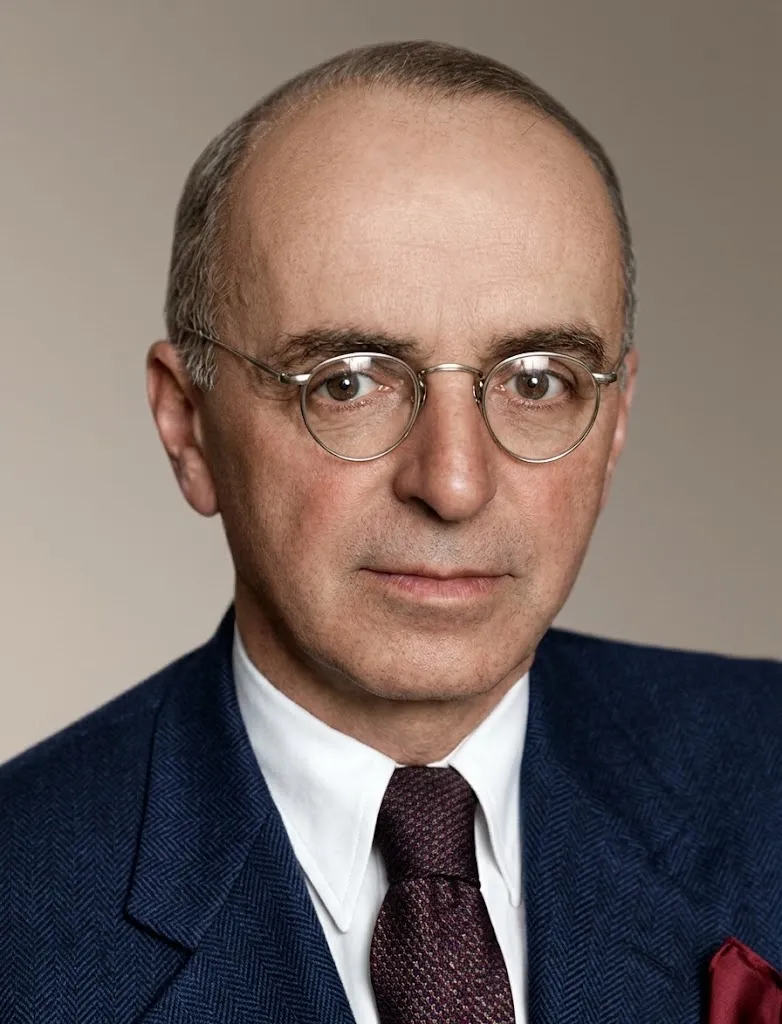
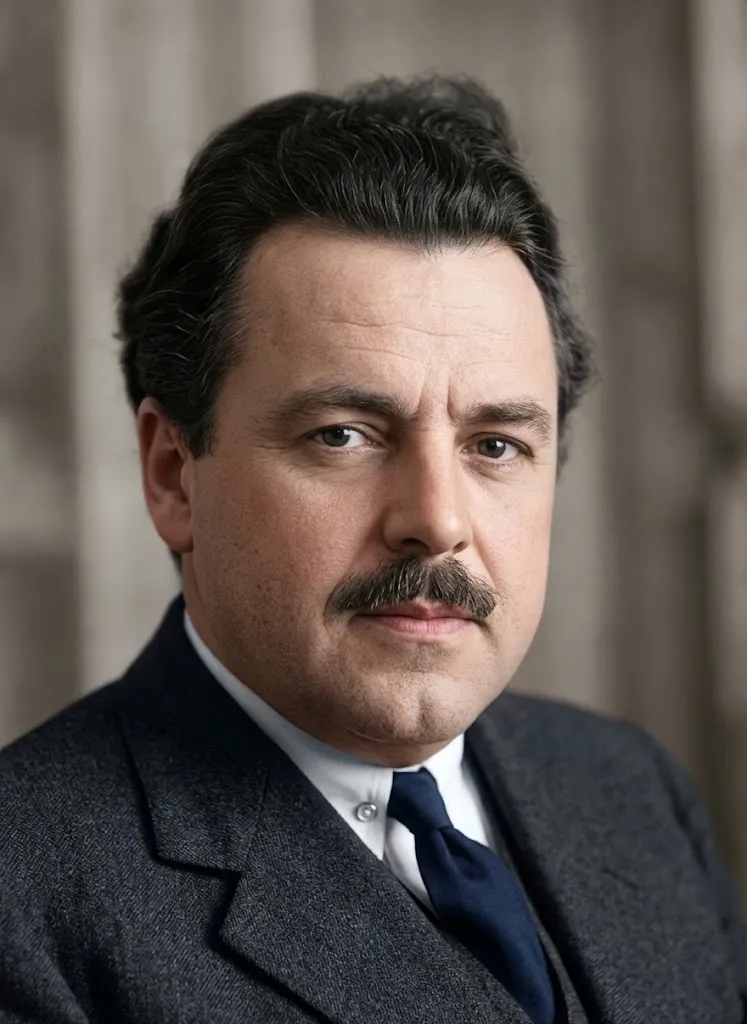
Vasyl Chechvianskyi
Humorist of Chervonyi Perets
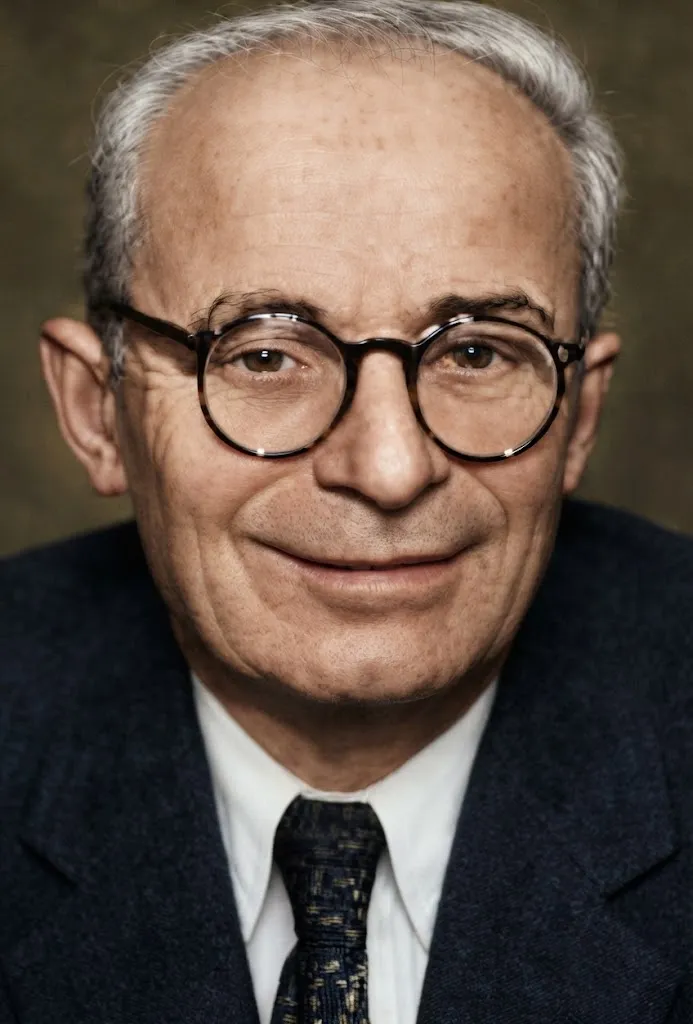
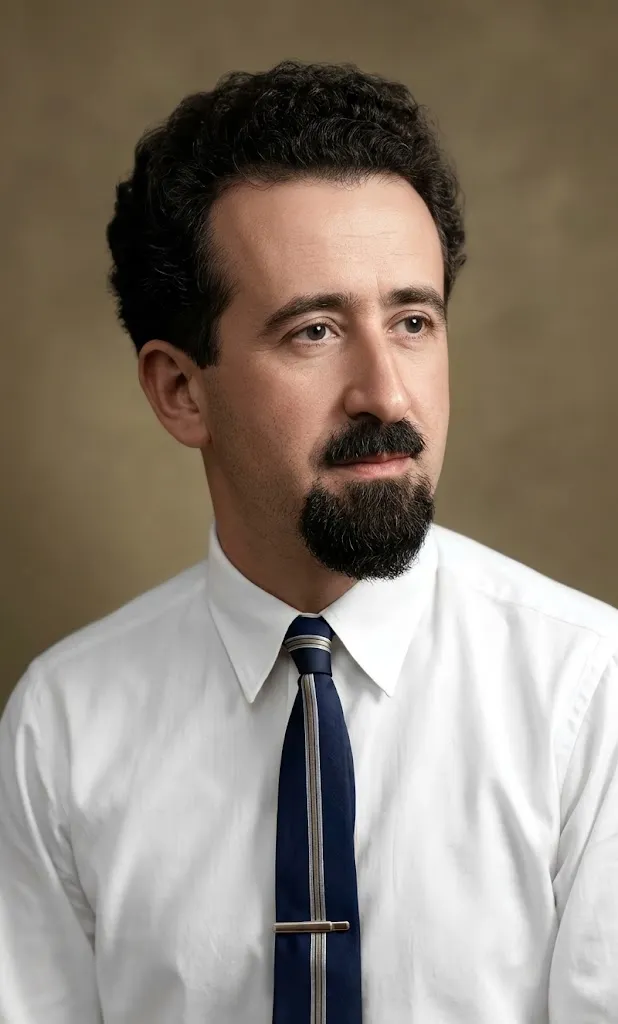
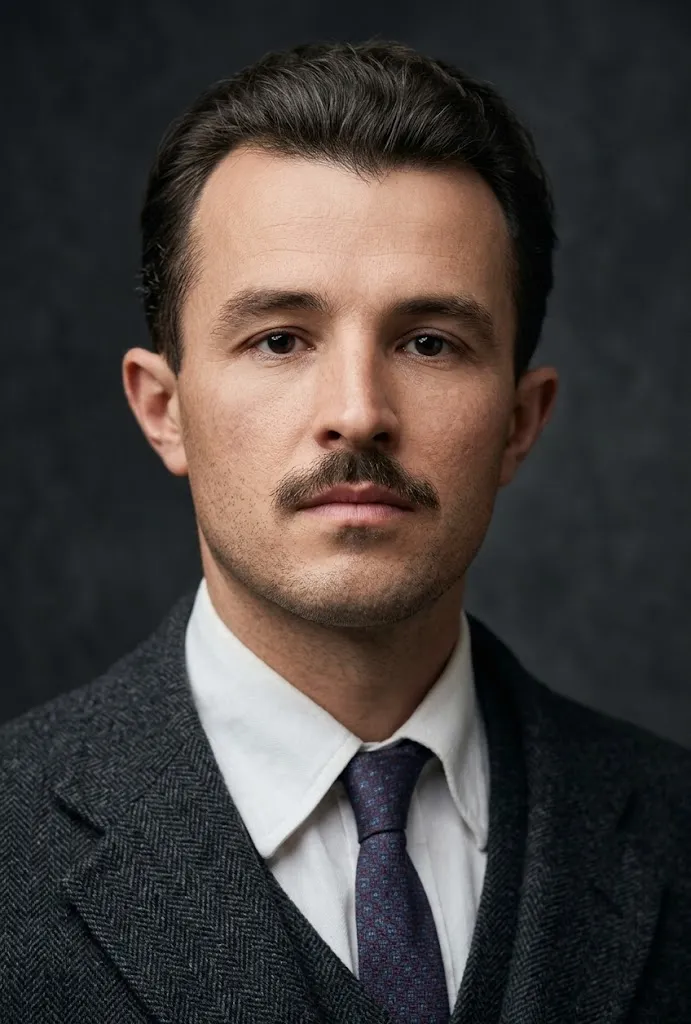
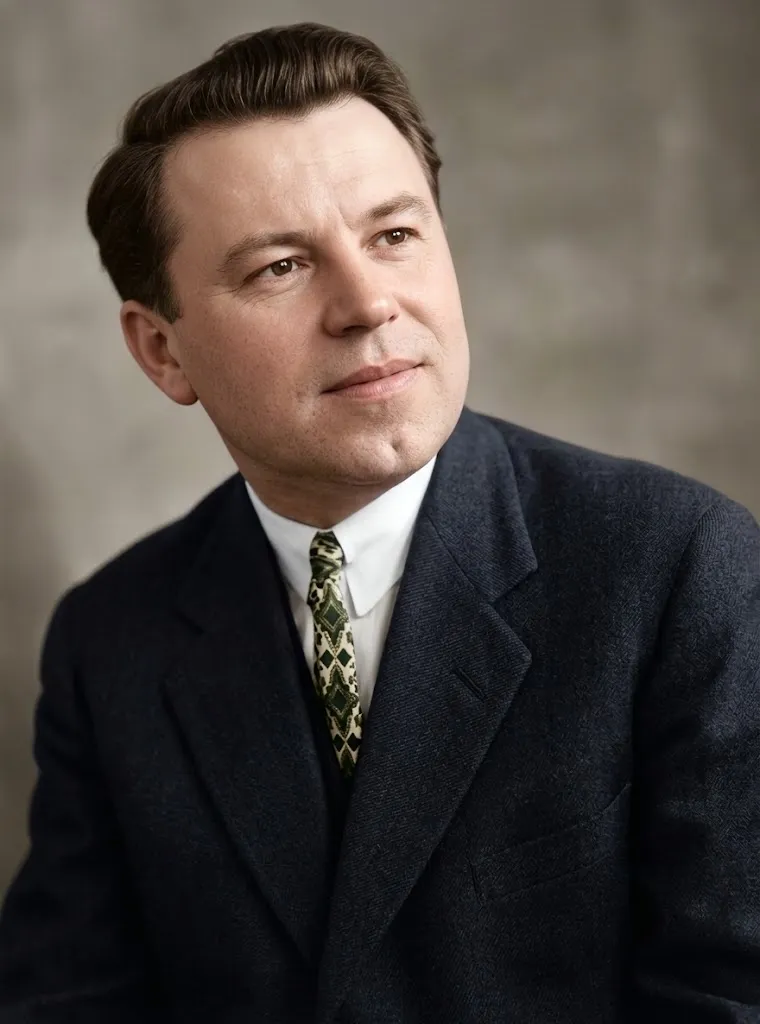
Two brothers split their home places: one signed himself Hrunskyi, the other Chechvianskyi. The elder, Vasyl Hubenko, became a very popular humorist of Chervonyi Perets, writing about the city as his brother Ostap Vyshnia wrote about the village. Arrested in 1936, he was shot in 1937.
Key accomplishments
- For many years editorial secretary of the humor magazine Chervonyi Perets (Red Pepper)
- 16 books of humor and satire, among them The Tsars of Nature, The Censer, Blood Transfusion, Without Telling You and Parodies
- Humorous sketches about the city and its people, and parodies of fellow writers
- Member of the writers’ organizations Pluh and VUSPP
- Posthumous collections Selected Humorous Sketches and A Softy (1959)
The brothers from Chechva
Two brothers who both became humorists split their home places between them. When they started writing, Pavlo signed himself Hrunskyi, after the small town of Hrun, and Vasyl signed himself Chechvianskyi, after the Chechva farmstead. Vasyl Hubenko was born there, near Hrun in the Poltava region (now Sumy Oblast), in 1888. He was the eldest child of a large family, and a year later came his brother Pavlo, the future Ostap Vyshnia.
Medic, soldier, columnist
Their father sent both elder sons to the Kyiv military medical assistants’ school, a way to get them an education for free. Vasyl worked in military hospitals, went to war, then served in the Red Army and worked in Rostov and Poltava. He got into print before his brother did, during the First World War, in army papers. In Poltava he became a regular contributor to the magazine Vsesvit.
Secretary of Red Pepper
In the early 1920s Ukraine was short of humorists: sketches were written by Ostap Vyshnia, Kost Kotko and only a few others. In the autumn of 1926 Vasyl moved to Kharkiv and became editorial secretary of the revived humor magazine Chervonyi Perets (Red Pepper). Chechvianskyi published 16 books of humor and satire, among them The Tsars of Nature, The Censer and Blood Transfusion. Ostap Vyshnia wrote mostly about the village; Chechvianskyi wrote almost only about the city and city people. He also wrote parodies of his fellow writers, and many of his contemporaries found him a more interesting humorist than his brother.
“Laughter is impossible”
In early November 1936 Chechvianskyi was arrested in Kharkiv and accused of belonging to a “counter-revolutionary terrorist organization”. His collection Blood Transfusion was listed in the case among his “counter-revolutionary works”. An interrogation record from the Kyiv NKVD claims that the humorists stood for a “theory that it is impossible to laugh under Soviet conditions”. In July 1937 the Military Collegium of the USSR Supreme Court sentenced him to death, and Vasyl Chechvianskyi was shot in Kyiv on 15 July 1937. After Stalin’s death his family won a review, and the case was closed for lack of any crime.
Why it matters today
Vasyl Chechvianskyi made the city laugh the way his brother made the village laugh: together they showed that Ukrainian humor could take on the whole life of the country. His sketches and parodies keep alive the face of the 1920s city and its writers. To the investigators even laughter was dangerous, yet in 1959 his stories reached readers again. Anyone who jokes freely in Ukrainian today carries on what Chechvianskyi did.