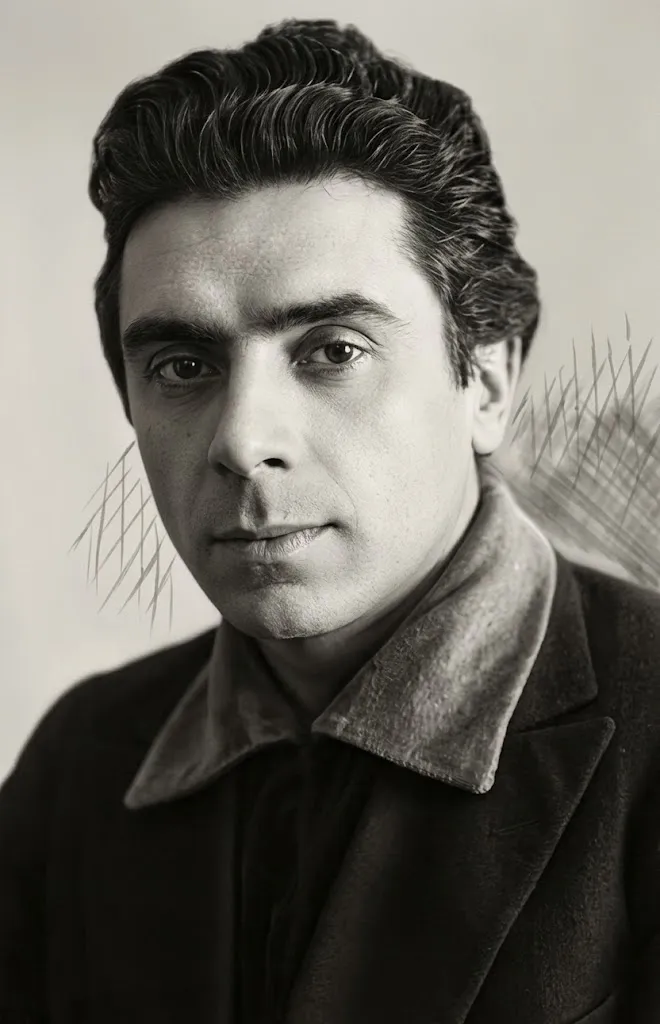
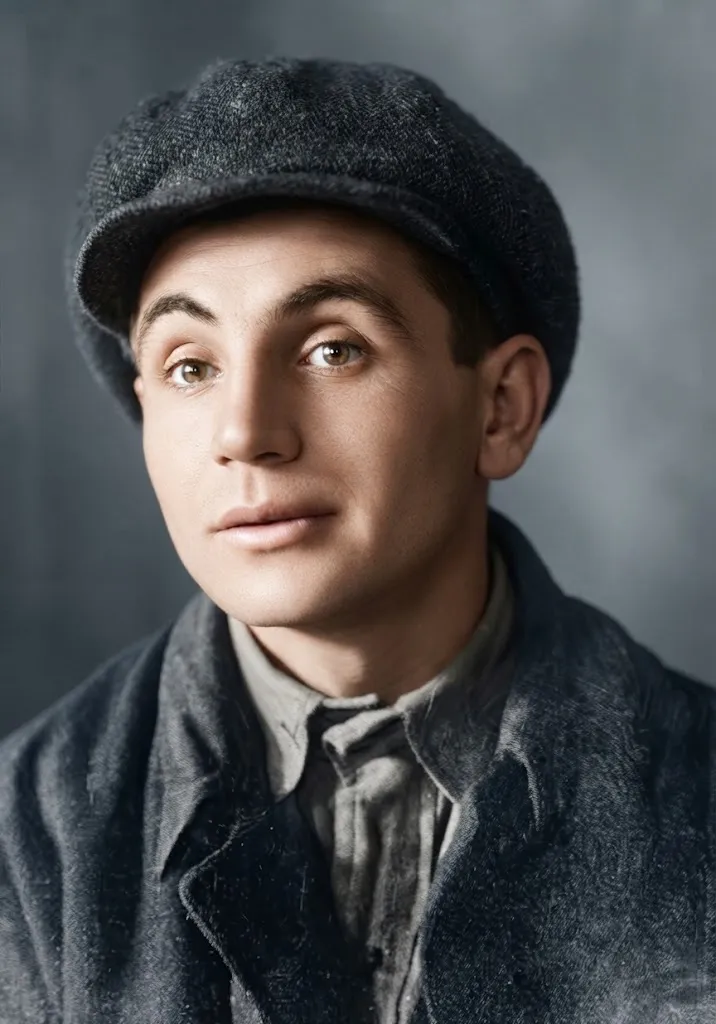
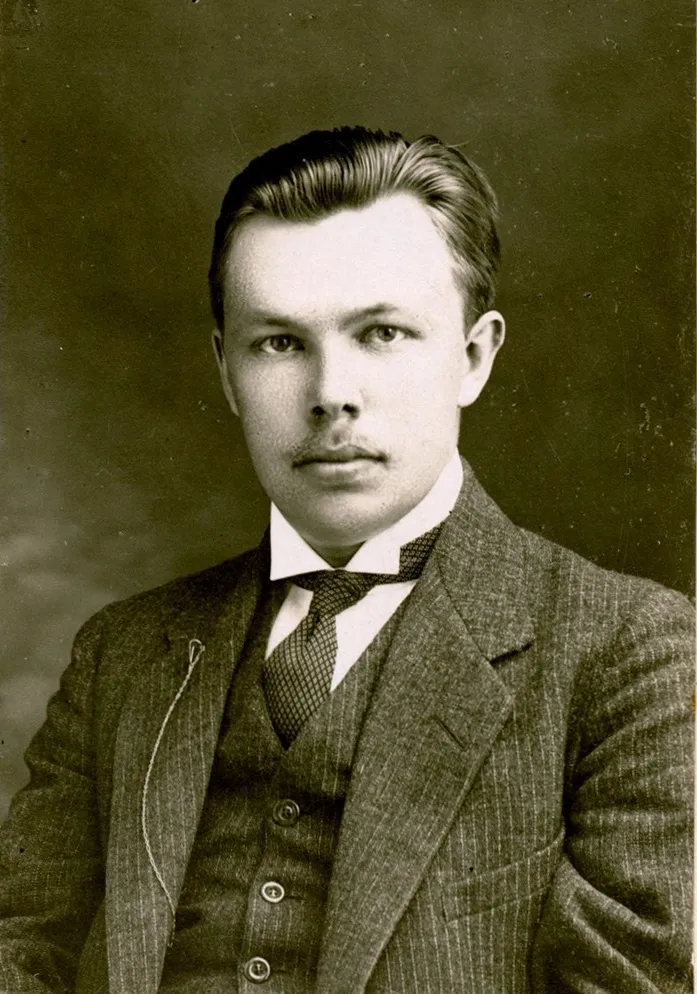
1889–1956
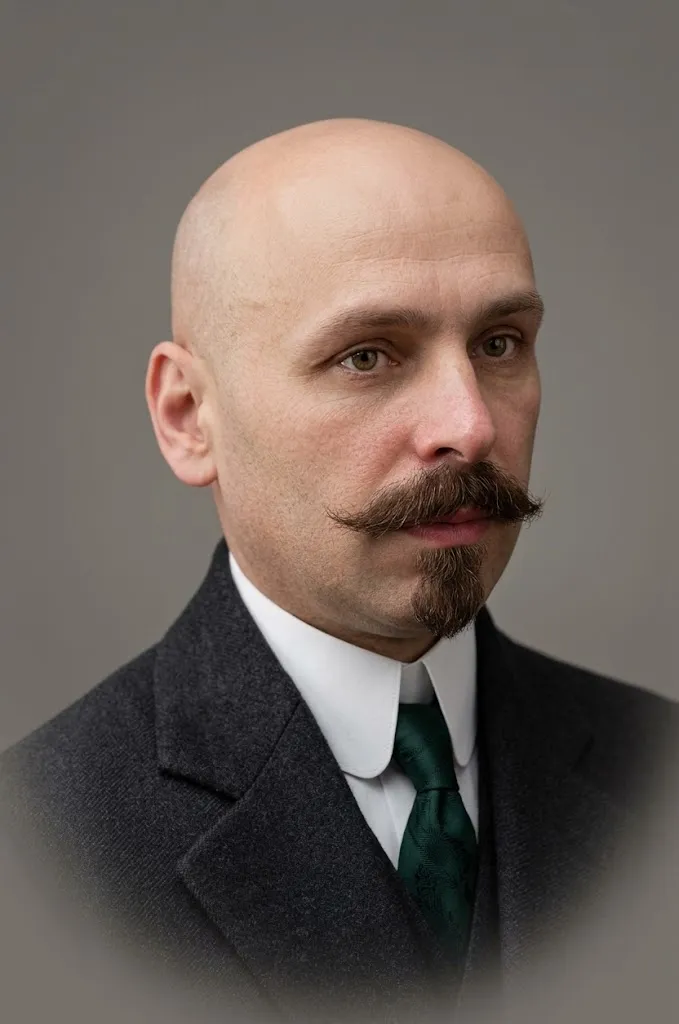
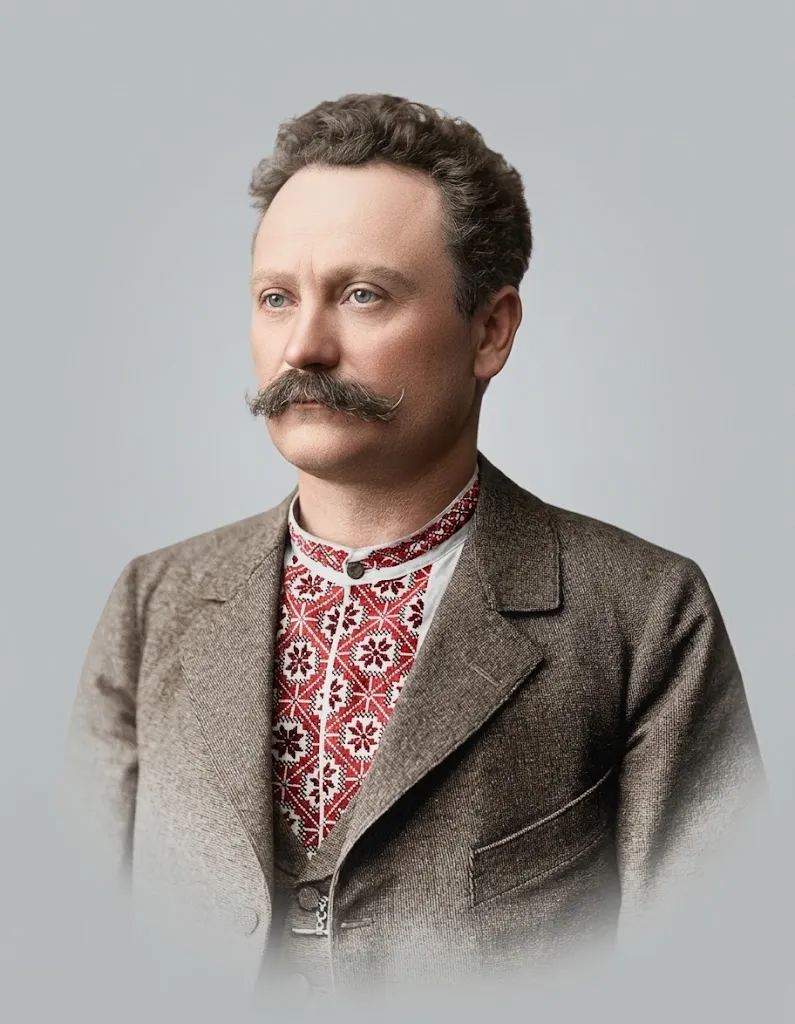
Ostap Vyshnia
Classic of Ukrainian humor
In the 1920s only Shevchenko outsold Ostap Vyshnia in print runs. In 1933 the humorist was sentenced to ten years in labor camps, yet he came back to literature and finished his Hunting Smiles.
Key accomplishments
- The Vyshnia’s Smiles cycles (rural, Crimean, literary, from abroad and others)
- The collection We Are Ukrainizing and satire on Russian great-power chauvinism
- The cycle Hunting Smiles
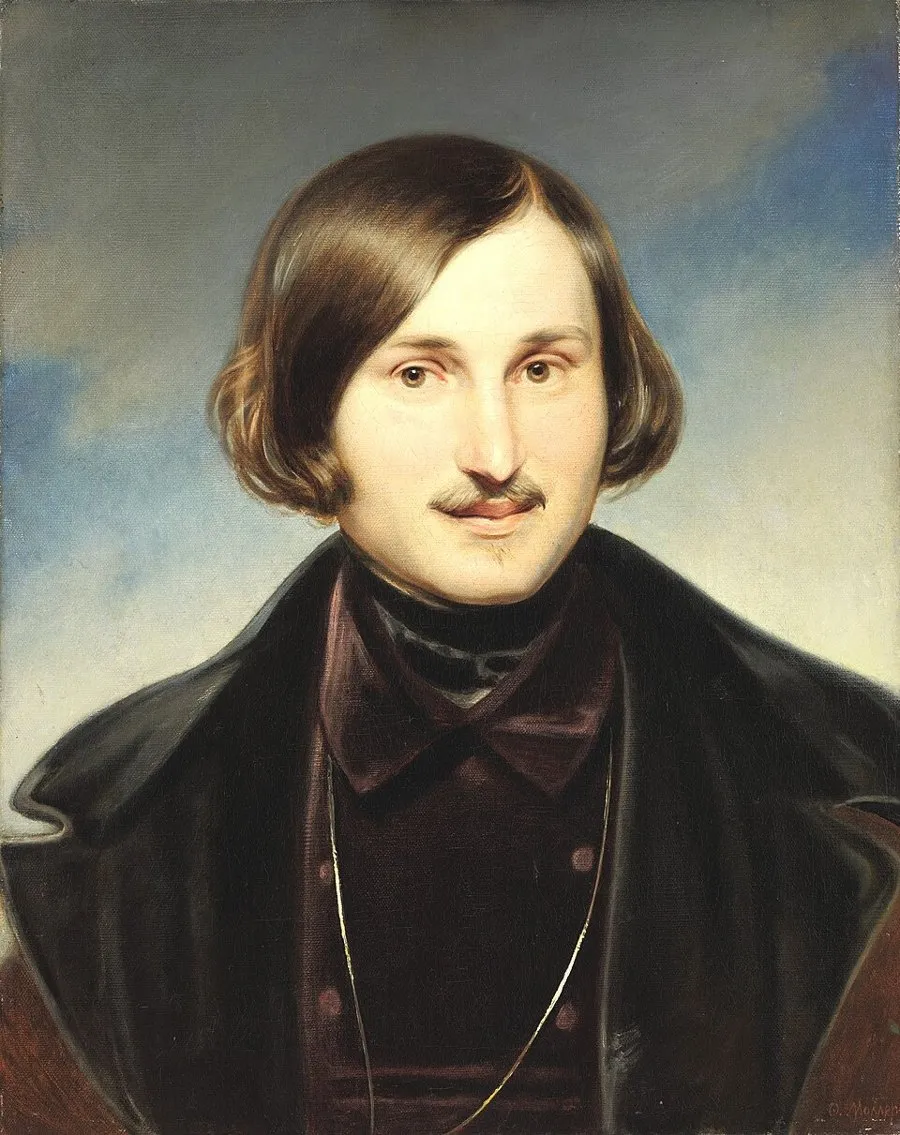
- Translations of Nikolai Gogol, Anton Chekhov, Jaroslav Hašek and Mark Twain
Print runs second only to Shevchenko
In the 1920s, 23 of Ostap Vyshnia’s books went through 42 editions. Only Shevchenko’s works had a bigger total print run. Behind the pen name was a medical assistant, Pavlo Hubenko. He was born on the Chechva farmstead near Hrun in the Poltava region (now Sumy Oblast), trained at the Kyiv military medical assistants’ school and worked at the South-Western Railway hospital in Kyiv.
From medic to “smiles”
In 1919, in Kamianets-Podilskyi, where the government of the Ukrainian People’s Republic was then based, he began publishing as P. Hrunskyi. In 1920 the Bolshevik security service jailed him; Vasyl Blakytnyi, editor of the newspaper Visti VUTsVK, helped get him out.
From 1921 Kharkiv newspapers and magazines ran his feuilletons and “smiles”, now signed Ostap Vyshnia: about the village, language, Ukrainization and Russian great-power chauvinism. With Maik Yohansen and Mykola Khvylovy he wrote the revue Hello, on Wave 477!, staged by the Berezil theater in 1929.
Ten years in the North
From the late 1920s official critics hounded the writer. On 25 December 1933 he was groundlessly arrested, charged with nationalism and plotting terrorism, and sentenced to ten years in labor camps. He served his term in Ukhta (now in the Komi Republic).
Released in 1943, he lived in Kyiv from 1944 and wrote again. In those years he finished his Hunting Smiles cycle, about forests, rivers and people out in nature. Some of his later works, including pamphlets against “Ukrainian bourgeois nationalists”, followed Party guidelines. He was rehabilitated in 1955 and died in Kyiv in 1956.
Why his laughter matters today
Ostap Vyshnia is a classic of Ukrainian humor. His fate shows how the Soviet regime broke artists: one of the most popular writers of his day spent ten years in camps and still went back to writing humor.