1871–1938
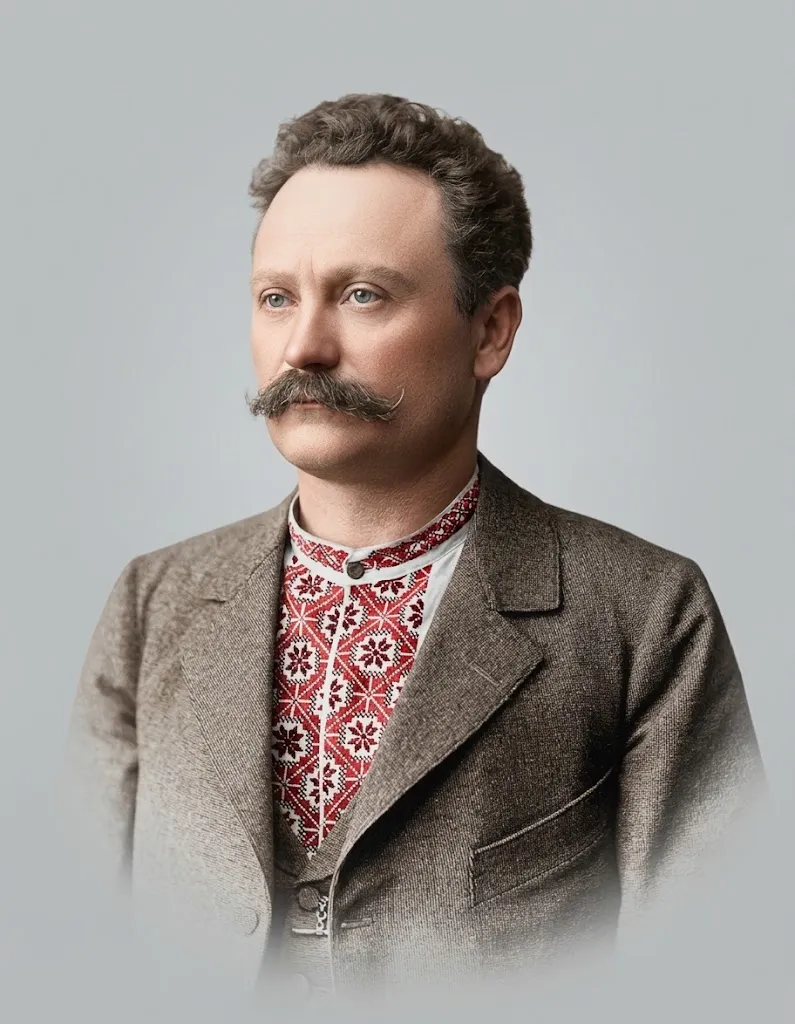
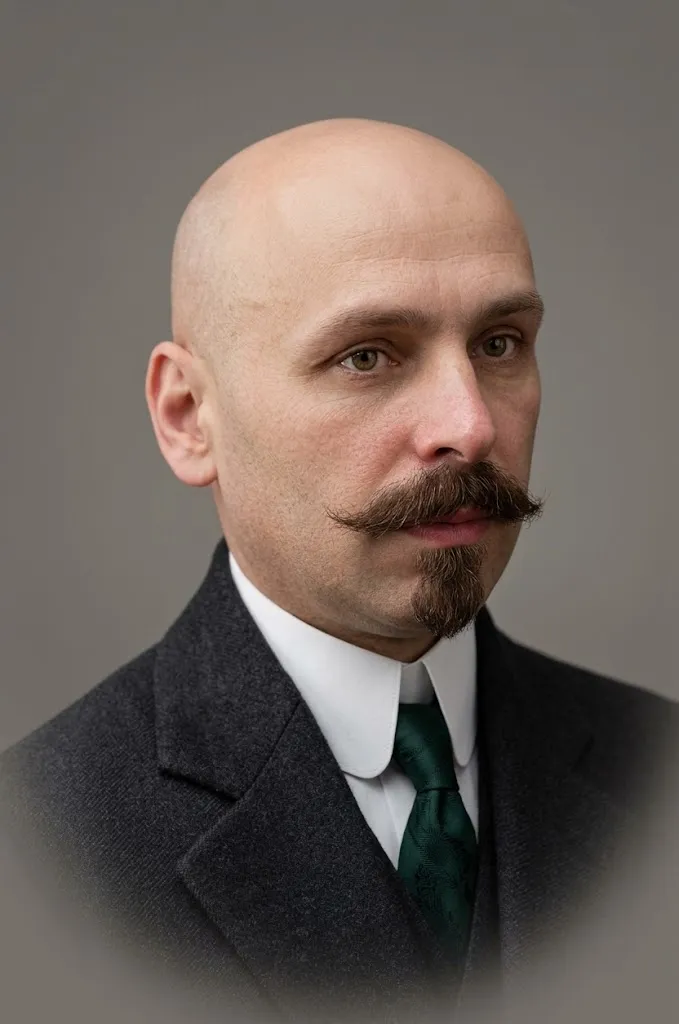
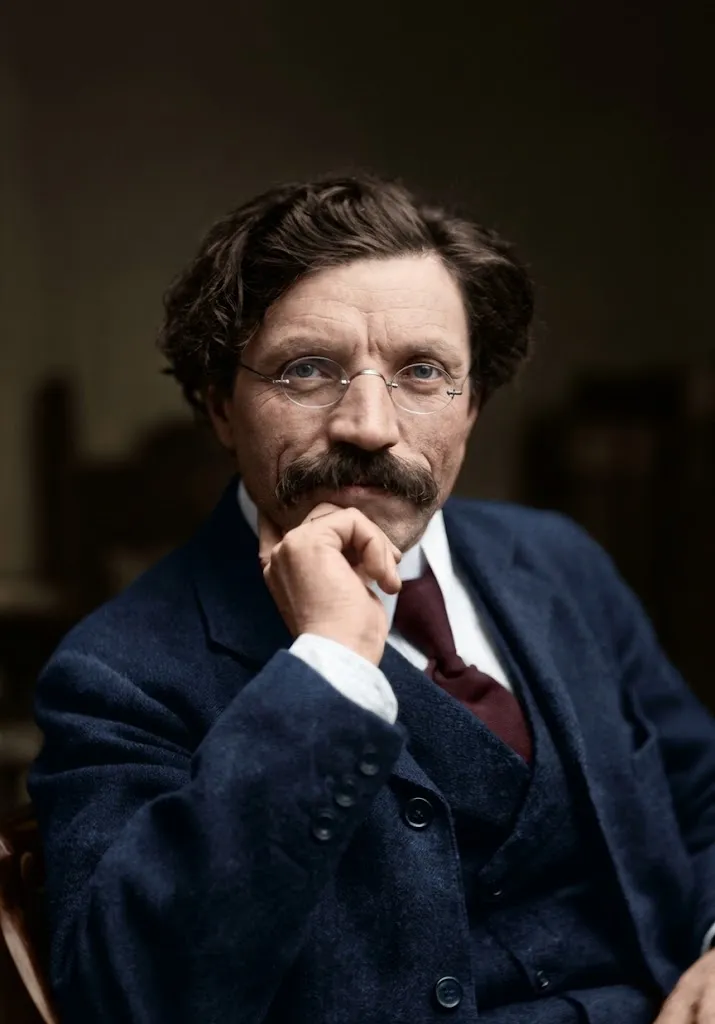
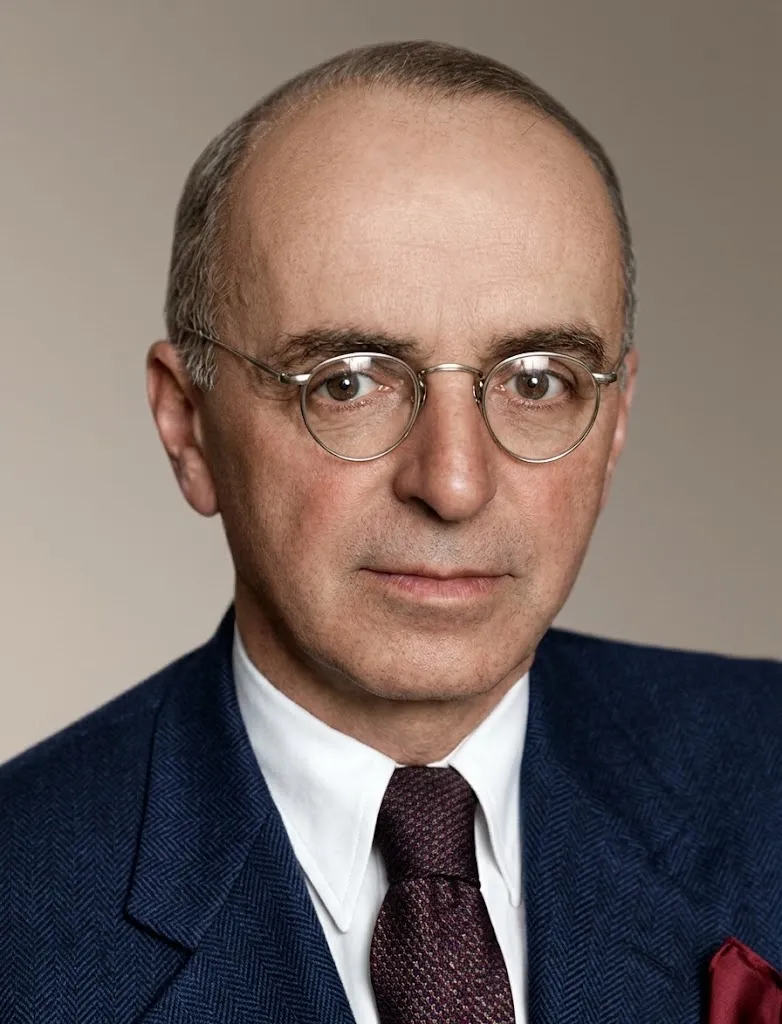
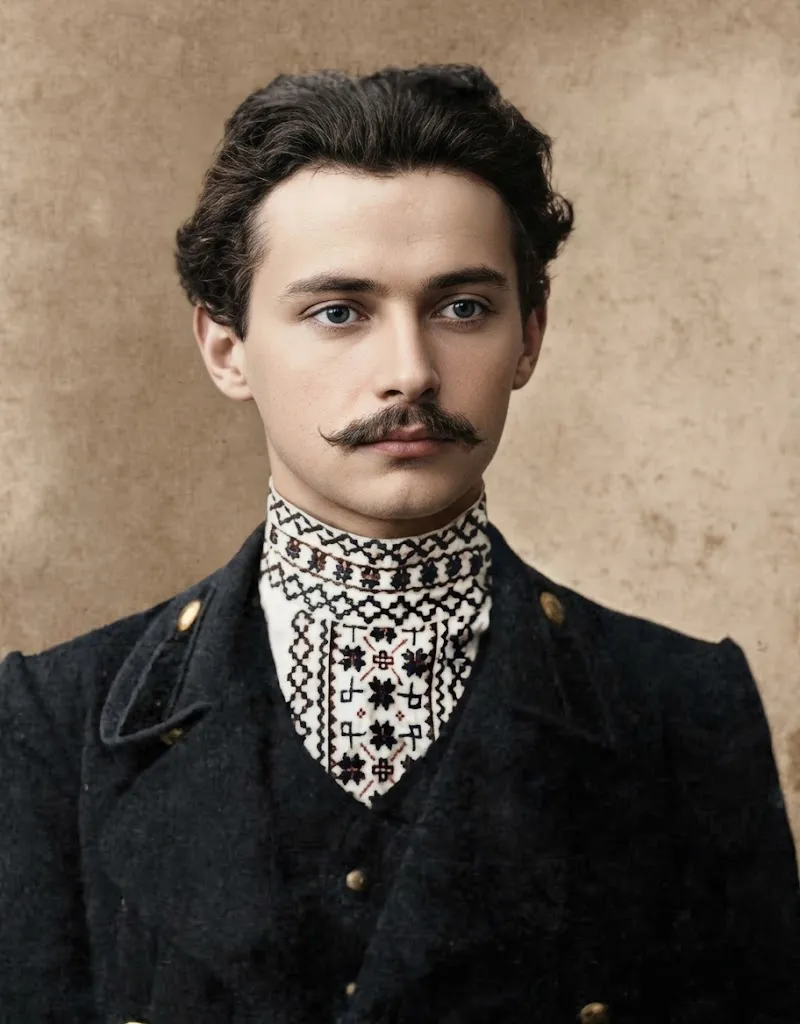
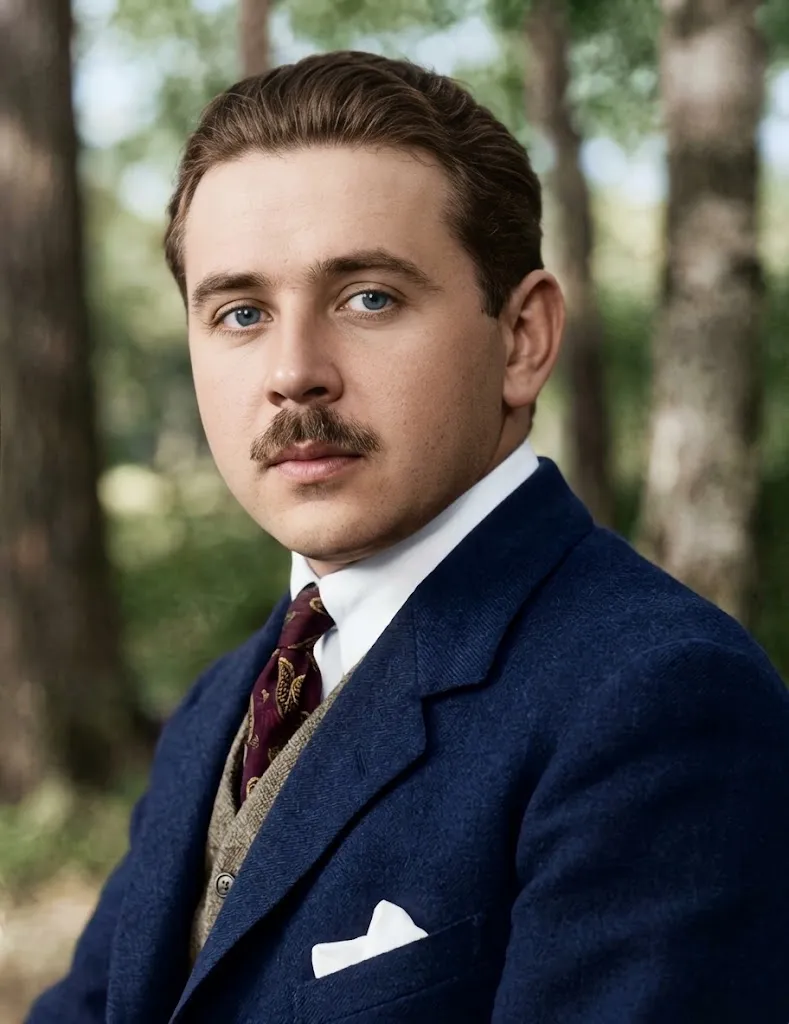
Mykola Voronyi
Poet, one of the first modernists
In 1901 he called on Ukrainian writers to look for new paths in literature, and his manifesto set off a heated debate. Mykola Voronyi was a poet, one of the first Ukrainian modernists, an actor, a director and a co-founder of the Central Rada. He was shot in Odesa in 1938.
Key accomplishments
- The almanac From Above the Clouds and From the Valleys (1903), the first programmatically modernist collection in Ukraine
- The poetry collections Lyric Poems (1911), In the Glow of Dreams (1913) and For Ukraine (1921)
- The poem Yevshan-zillia (1899)
- A co-founder of the Ukrainian Central Rada and of the national theatre (1917)
- An actor in the troupes of Marko Kropyvnytskyi and Panas Saksahanskyi (1897–1901)
- Translations of world classics and of opera librettos
Expelled from school
Mykola Voronyi was born in 1871 in the Katerynoslav gubernia. He went to secondary schools in Kharkiv and Rostov, but was expelled for ties to the Narodniks, circles who wanted to change the lives of peasants. He could no longer get a higher education in the russian empire, so he went to Vienna and then to Lviv.
Franko’s friend, and the theatre
In Lviv Voronyi studied at the university and grew close to Ivan Franko, helping him put out newspapers. There he became director of the Ruska Besida theatre. In 1897 he returned to russian-ruled Ukraine, and until 1901 he acted in the troupes of Marko Kropyvnytskyi and Panas Saksahanskyi.
A manifesto for “new” art
What should Ukrainian poetry sound like in a new century? In 1901 Voronyi asked writers to send work for an almanac open to the new currents in literature, and his manifesto set off a lively debate. The almanac, From Above the Clouds and From the Valleys, came out in 1903. It was the first programmatically modernist collection in Ukraine; next to the modernists, it printed Franko and Lesya Ukrainka. Voronyi’s best-known poem is Yevshan-zillia (1899), about remembering your native land. His collections Lyric Poems (1911) and In the Glow of Dreams (1913) followed.
The Central Rada, exile and return
Voronyi helped found the Ukrainian Central Rada and the national theatre in Kyiv in 1917. In 1920 he emigrated: he lived in Warsaw, where his collection For Ukraine came out (1921), then taught at a drama school in Lviv. In 1926 he returned to Soviet Ukraine. He taught in Kharkiv, and from 1928 he lived in Kyiv, writing screenplays and reviews and translating.
Arrests and execution
Voronyi was arrested in March 1934 and banished from Ukraine, to Voronezh for three years. His son, the poet Marko Voronyi, was arrested in 1935 and shot on 3 November 1937 in the Sandarmokh forest in Karelia. In 1937 Mykola Voronyi came back from exile and settled in the Kirovohrad region, but in 1938 he was arrested again. On 29 April 1938 he was sentenced to death, and on 7 June 1938 he was shot in Odesa. He was rehabilitated in 1957.
Why it matters today
Voronyi was one of the first to open Ukrainian poetry to new currents: Ukrainian modernism began as a programme with his manifesto and his almanac From Above the Clouds and From the Valleys. He served the stage too, and in 1917 helped found the Central Rada and the national theatre. His Yevshan-zillia reminds us that in looking for the new we must not lose the memory of our land. Anyone seeking new forms for Ukrainian culture walks a path he helped open.