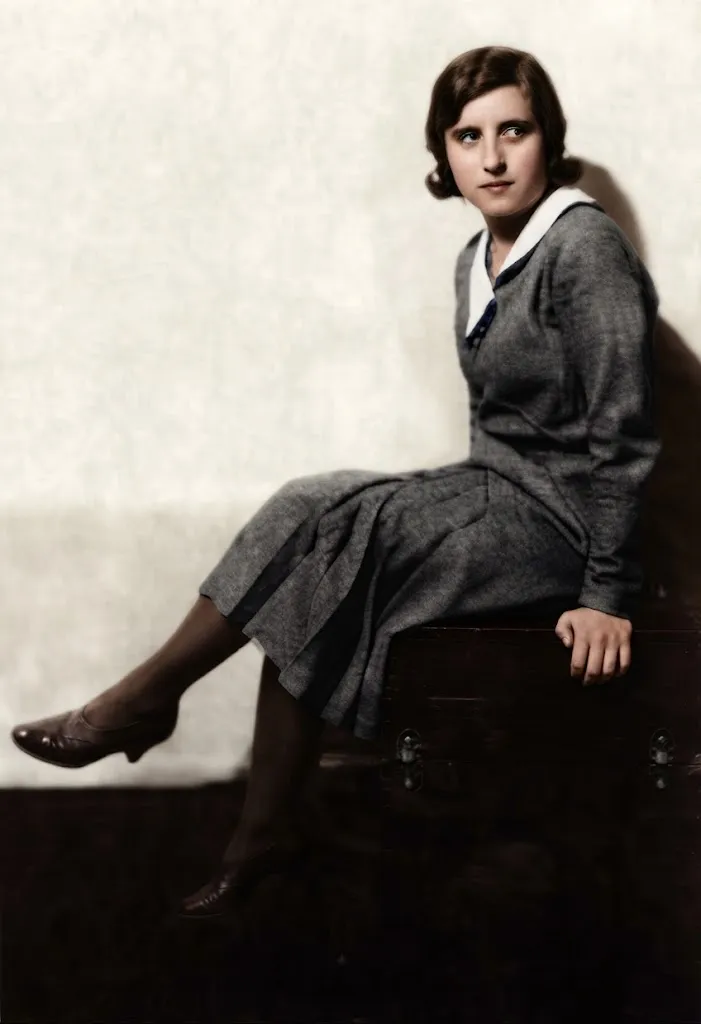
1880–1951
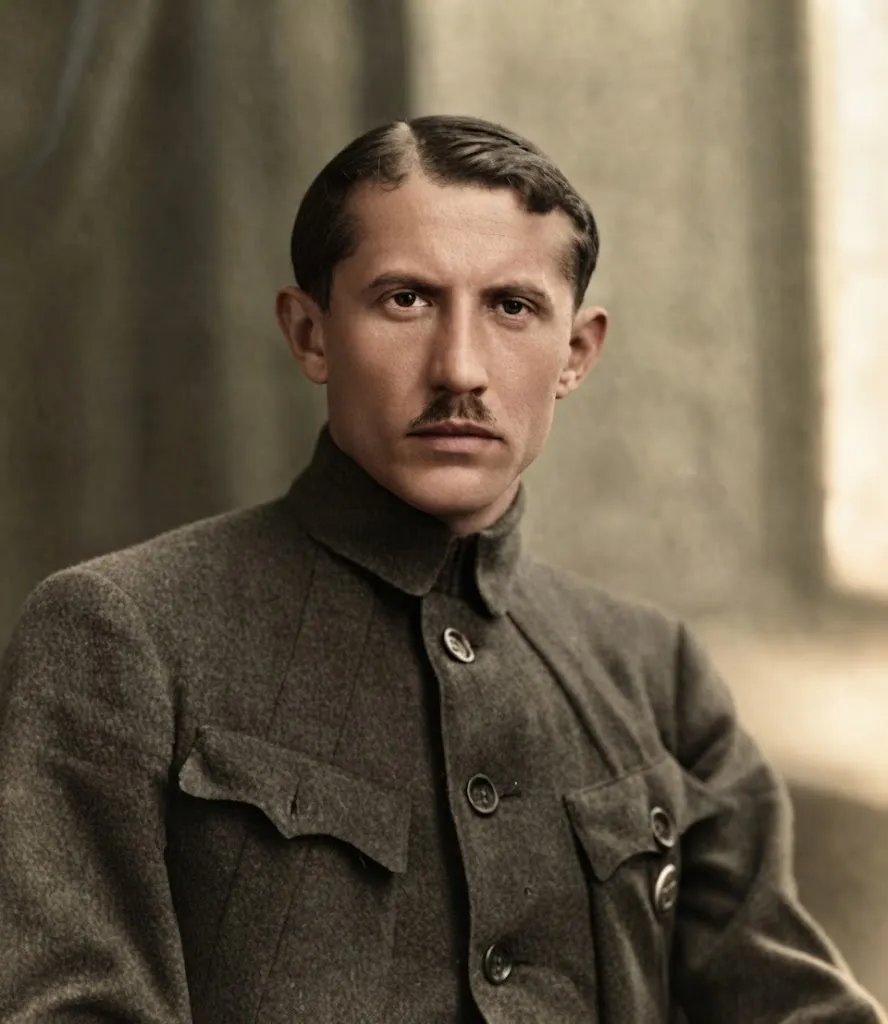
Volodymyr Vynnychenko
Head of General Secretariat, Directory
His plays were staged by theaters across Europe, and he headed Ukraine’s first government. The writer Volodymyr Vynnychenko was a leader of the Ukrainian Revolution, head of the General Secretariat and of the UPR Directory; his left-wing views are still debated.
Key accomplishments
- Head of the General Secretariat of the Ukrainian Central Rada (1917–1918), the first Ukrainian government; author or co-author of all four Universals of the Central Rada
- Led the Ukrainian National Union and the Directory of the UPR, which rose against the hetman in November 1918
- Author of about 20 plays staged by theaters across Europe and more than ten novels, among them Notes of a Pug-Nosed Mephistopheles and The Sun Machine
- His three-volume memoir Rebirth of a Nation (1920) is one of the key eyewitness accounts of the Ukrainian Revolution
The playwright who led a government
What do plays staged across Europe have in common with Ukraine’s first government? Both were the work of Volodymyr Vynnychenko.
He was born in 1880 into a peasant family in the village of Veselyi Kut near Yelysavethrad (today part of Kropyvnytskyi in central Ukraine). He studied law at Kyiv University, but in 1902 he was expelled for political activity. Vynnychenko became one of the leaders of the Ukrainian Social Democratic Workers’ Party and in 1907–1914 lived in exile. His first stories were warmly welcomed by Ivan Franko and Lesya Ukrainka. In the 1910s he became a popular writer, and his plays were staged by Ukrainian, Russian and other European theaters.
From the Central Rada to the Directory
In 1917 Vynnychenko and Mykhailo Hrushevskyi led the Ukrainian national movement: he became deputy head of the Central Rada (Ukraine’s revolutionary parliament) and then head of the General Secretariat, the first Ukrainian government. He wrote or co-wrote all four of the Rada’s Universals (manifestos). For a time he favored a federal union with Russia, but in January 1918 he backed the independence proclaimed by the Fourth Universal.
Under Hetman Pavlo Skoropadskyi Vynnychenko was in opposition, and in November 1918 he became head of the Directory of the Ukrainian People’s Republic (UPR), which rose against the hetman and took power. By February 1919 he had left the Directory: the Entente, whose support the government was counting on, did not want a socialist at the head of the UPR. Symon Petliura took over as head of the Directory.
The painter of Mougins
In exile Vynnychenko declared himself a communist, and in 1920 he negotiated with the Bolsheviks in Moscow. He was offered the post of people’s commissar for foreign affairs of Soviet Ukraine but was kept out of the Politburo, so he left again. From 1925 he lived in France, later on an estate in Mougins near Cannes. There he wrote novels, developed his philosophy of “concordism” (harmony of a person with oneself, society and nature) and painted about a hundred pictures. In 1933 he sent an open letter to the Politburo of the Ukrainian Communist Party protesting against the Holodomor, the man-made famine. In 1941 he refused to collaborate with the Nazi occupation authorities and spent several weeks in a concentration camp. He died in Mougins in 1951.
Debates and assessments
Vynnychenko’s political views are judged in different ways. The Encyclopedia of the History of Ukraine notes that he considered himself a Marxist but was strongly influenced by Western liberalism, and that he wavered between the idea of full independence and that of a Ukrainian Soviet republic. Critics point to his federalist views of 1917 and his talks with the Bolsheviks in 1920, when, in the words of the Encyclopedia of Modern Ukraine, he wanted to “dress Bolshevism in Ukrainian clothes”. His defenders stress that his key demand was an independent, united Ukraine, that he turned down posts without real influence, and that he later sharply criticized Bolshevik centralism and publicly protested against the Holodomor.
In emigration harsher accusations were heard: the very title of Petro Solukha’s book (New York, 1973) accuses Vynnychenko and Mykyta Shapoval of going “to Moscow, to Lenin, for help”. His fiction also divided readers: contemporaries criticized the idea of “honesty with oneself”, from the novel of that name, as extreme individualism and amorality. In the USSR his works were banned from the 1930s.
Why it matters today
Vynnychenko headed Ukraine’s first government and co-wrote the Universals of the Central Rada, including the Fourth Universal, which proclaimed the independence of the UPR. His archive is kept at Columbia University in New York, and in 2021 an English collection of his plays, Disharmony and Other Plays, was published.