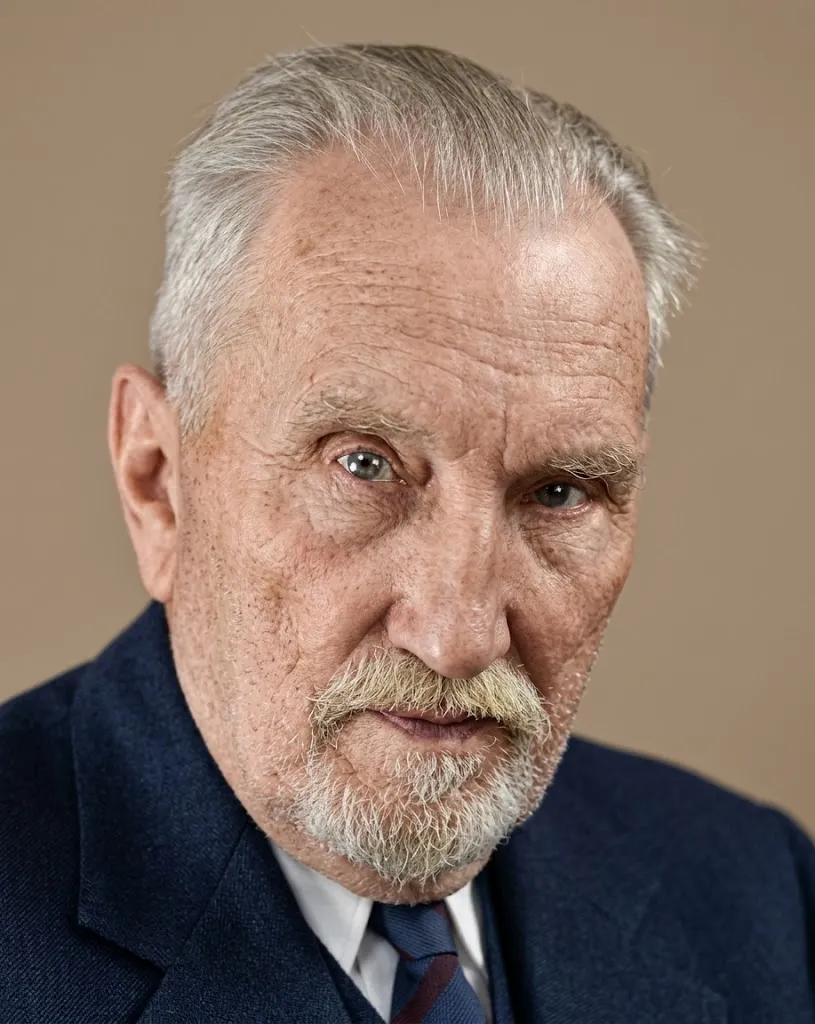
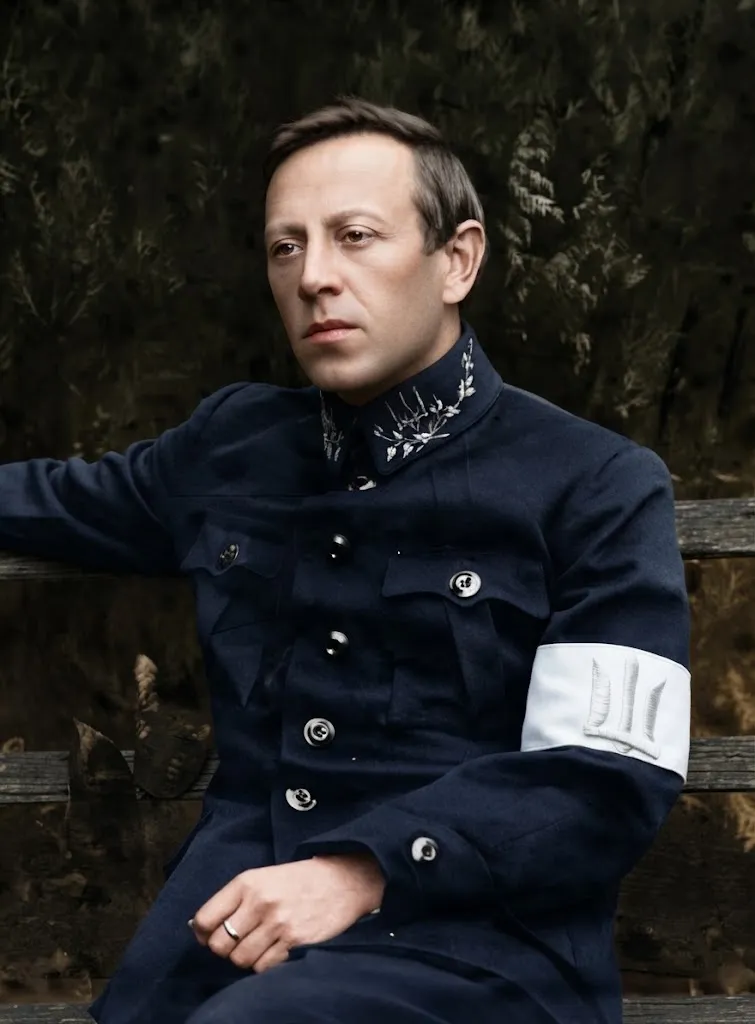
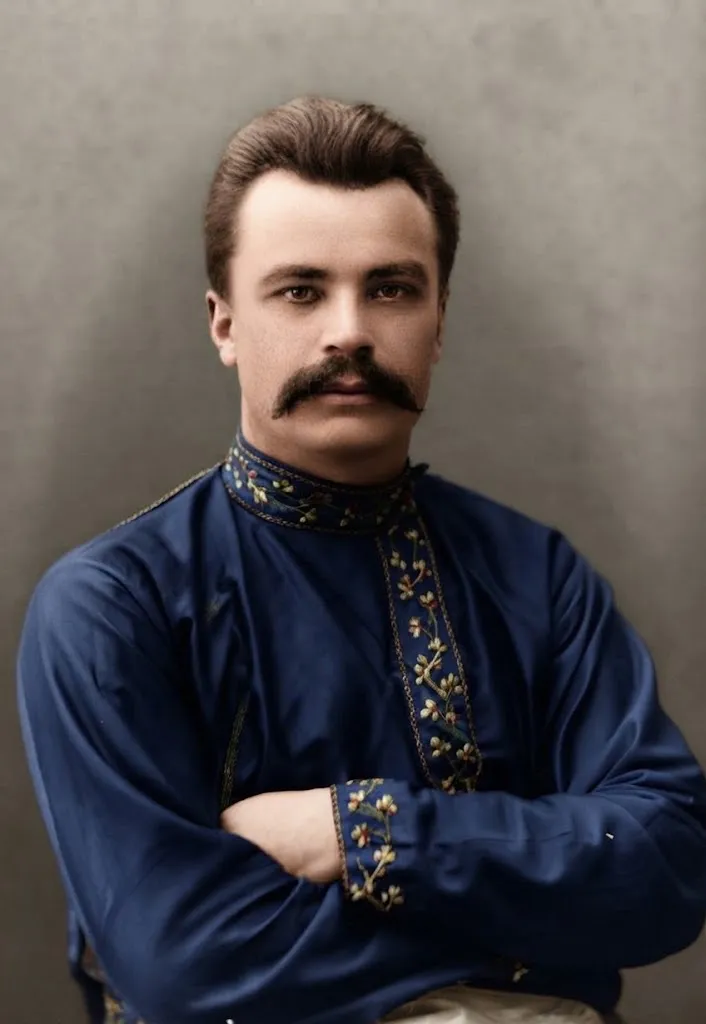
Avhustyn Voloshyn
President of Carpatho-Ukraine
A village priest and teacher who wrote more than 40 books became president of a state that held out for only a few days. Avhustyn Voloshyn led Carpatho-Ukraine in 1939, when it declared independence with a blue-and-yellow flag and the anthem “Shche ne vmerla Ukraina”.
Key accomplishments
- Teacher and, from 1917 to 1938, director of the Uzhhorod Teachers’ Seminary
- Author of more than 40 books: primers, readers, grammars and textbooks on pedagogy
- Editor of the newspapers Nauka and Svoboda; co-founder of Prosvita in Uzhhorod (1920)
- Member of the Czechoslovak parliament (1925–1929)
- Head of the autonomous government of Carpatho-Ukraine (from 26 October 1938)
- President of Carpatho-Ukraine (elected by the Diet on 15 March 1939)
- Rector of the Ukrainian Free University in Prague (1945)
- Hero of Ukraine with the Order of the State (posthumously, decree No. 257/2002 of 15 March 2002)
The president who taught children to read
Did you know that the first and only president of Carpatho-Ukraine had spent more than twenty years running a college for teachers and writing primers for schoolchildren?
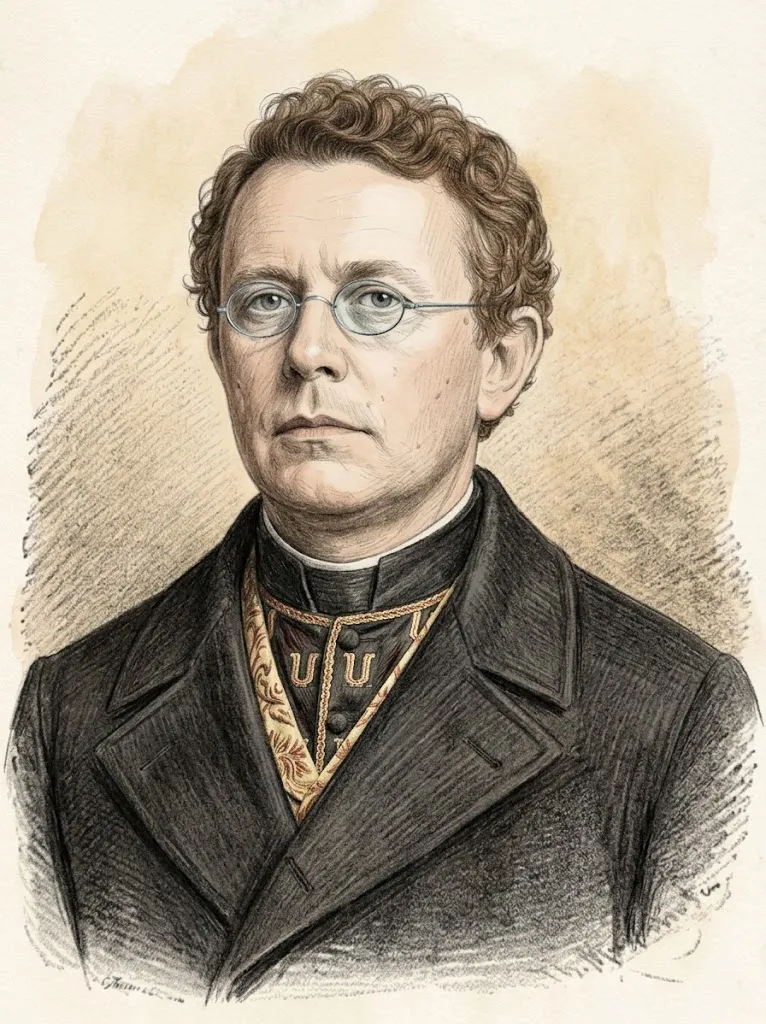
He was born in 1874 in Kelechyn, a mountain village in Zakarpattia, into a priest’s family. At the time the region belonged to Hungary. Voloshyn studied in Uzhhorod and Budapest, where he qualified as a teacher of mathematics and physics. In 1897 he became a Greek Catholic priest.
Primers, newspapers and a language
More than 40 books came from Voloshyn while he taught at the Uzhhorod Teachers’ Seminary from 1900 and directed it from 1917 to 1938: a primer, readers, grammars and textbooks on teaching, as well as fiction under the pen name Andrii Verkhovynskyi. In 1907 he published a grammar in Hungarian arguing that the speech of the people of Zakarpattia was part of the Ukrainian language. When the Hungarian authorities wanted church and school books in Hungarian and the Latin alphabet, Voloshyn stood up firmly for Cyrillic. He edited the newspapers Nauka and Svoboda, and in 1920 he was one of the founders of the Prosvita society in Uzhhorod.
After the First World War Zakarpattia became part of Czechoslovakia. Voloshyn led the Christian People’s Party and from 1925 to 1929 sat in the Czechoslovak parliament. In 1933 he was made a papal prelate, with the title of Monsignor. The Voloshyns had no children of their own, so they supported an orphanage in Uzhhorod and gave it their house.
A state for a few days
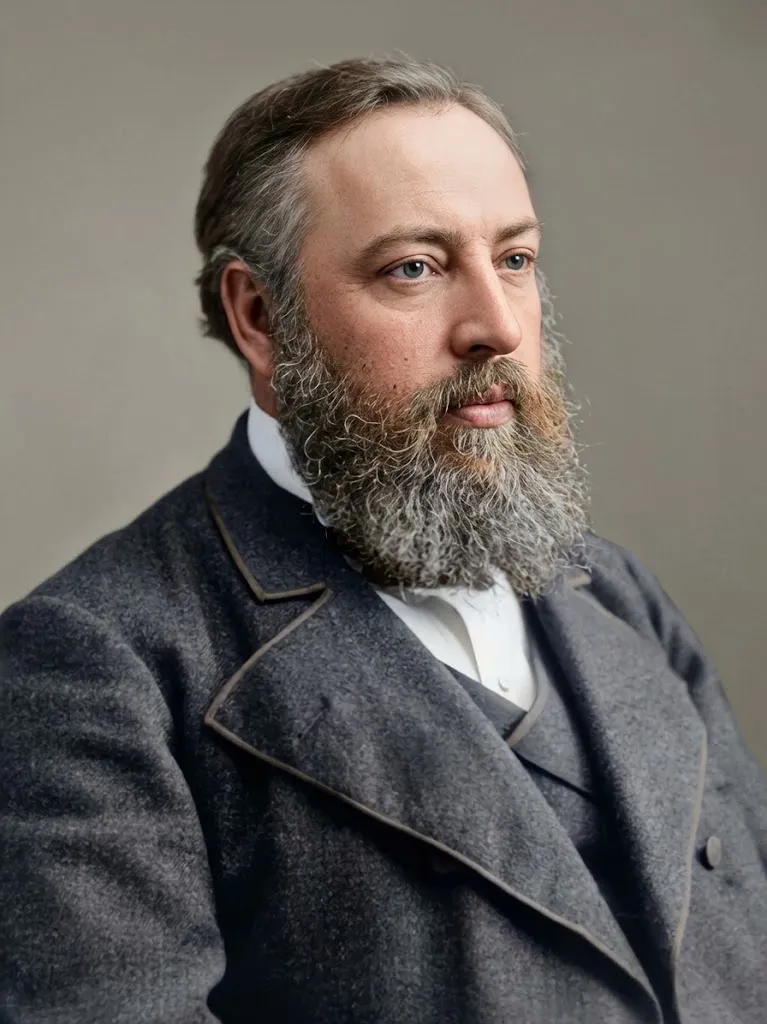
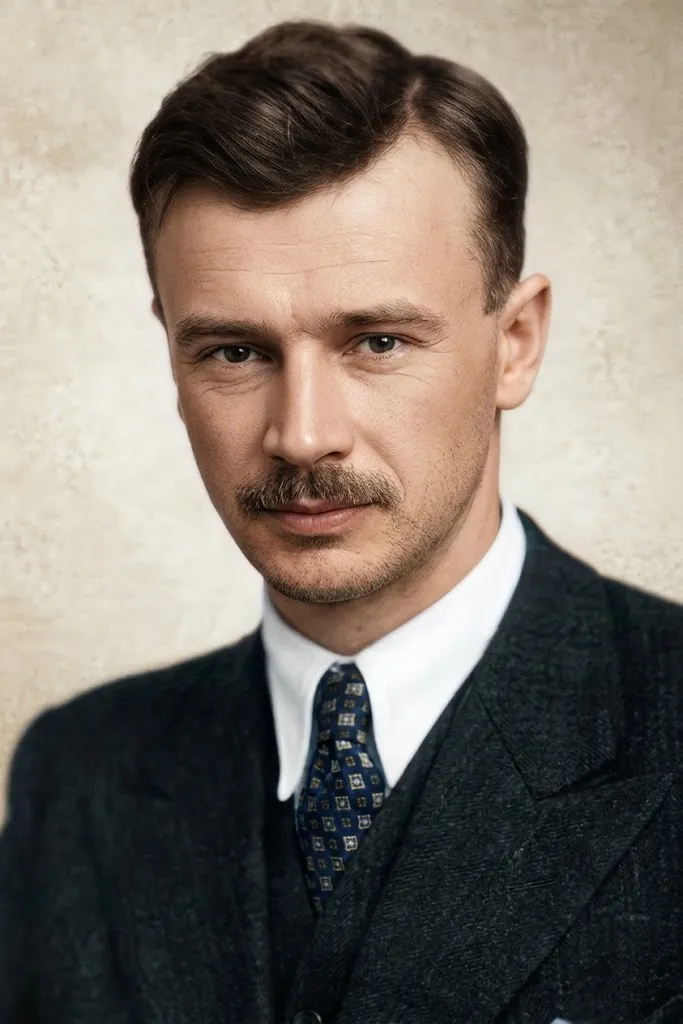
Autonomy came to the region in autumn 1938, granted by Czechoslovakia, and on 26 October Voloshyn became head of its government, which later worked from Khust. On 14 March 1939 Voloshyn proclaimed the independence of Carpatho-Ukraine. The next day the Diet in Khust confirmed it: Ukrainian became the state language, blue and yellow the colours of the flag, and “Shche ne vmerla Ukraina”, with words by Pavlo Chubynskyi and music by Mykhailo Verbytskyi, the anthem. The deputies elected Voloshyn president unanimously.
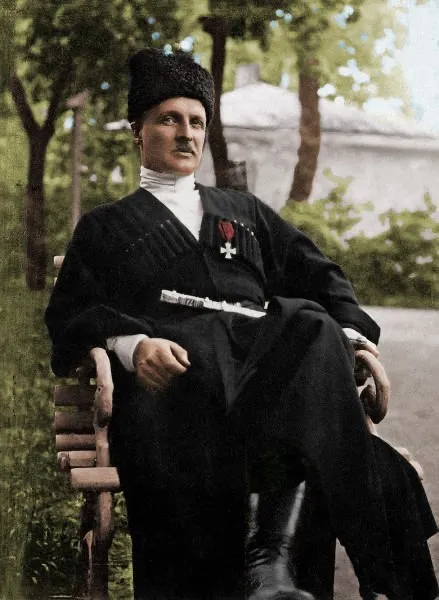
By then the Hungarian army was already advancing. On 16 March the Carpathian Sich fought their biggest battle at Krasne Pole near Khust. That same day Voloshyn left with part of the government through Romania, and on 18 March the last defenders stopped resisting. Among those killed was the Carpathian Sich’s chief of staff, Mykhailo Kolodzinskyi.
Prague and Moscow
In Prague Voloshyn taught pedagogy at the Ukrainian Free University, and in 1945 he became its rector. In May 1945 the Soviet secret services arrested him and took him to Moscow. Avhustyn Voloshyn died there in prison on 19 July 1945, aged 71. The official cause given was cardiac paralysis. Where he was buried is not known.
In 2002 Voloshyn was posthumously made a Hero of Ukraine, and his order and award papers went to the Zakarpattia Regional Museum to be kept there for good.
Debates and assessments
Communist propaganda called Voloshyn a collaborator: his government sought Germany’s support, and he himself asked Hitler to recognize Carpatho-Ukraine as a state. These efforts failed, and Germany let Hungary occupy the region. Other writers note that the governments in Prague and Bratislava looked to Germany in the same way at the time, because Czechoslovakia had no other way out. At the same time, Voloshyn’s diplomacy is considered to have achieved little: his state was left isolated.
Why it matters today
Avhustyn Voloshyn showed that the Ukrainians of Zakarpattia are part of one people, and he proved it not with slogans but with primers, newspapers and a school for teachers. When the moment of choice came, he proclaimed an independent Ukrainian state with the same flag, anthem and language that Ukraine has today. Carpatho-Ukraine lasted only a few days, but it showed the world that Ukrainians were ready to defend a state of their own even with no hope of help. His life is a reminder that teachers build a state just as soldiers do, and Carpatho-Ukraine became a link between the UNR and the independent Ukraine defended today.