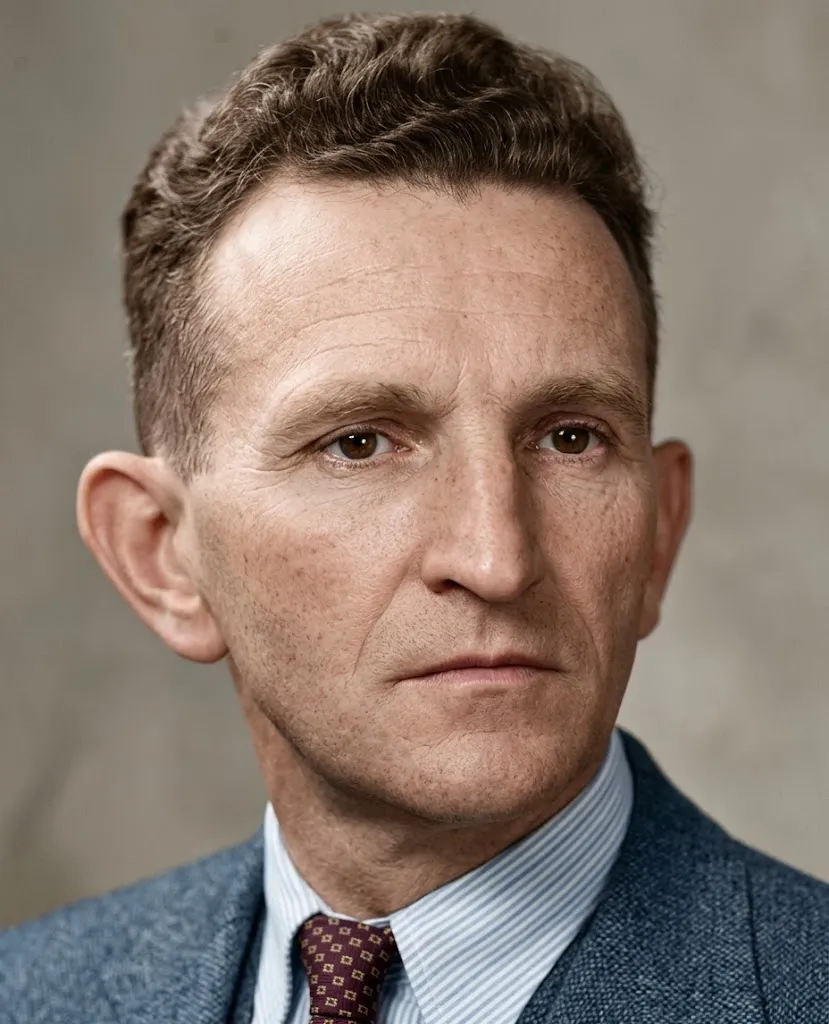
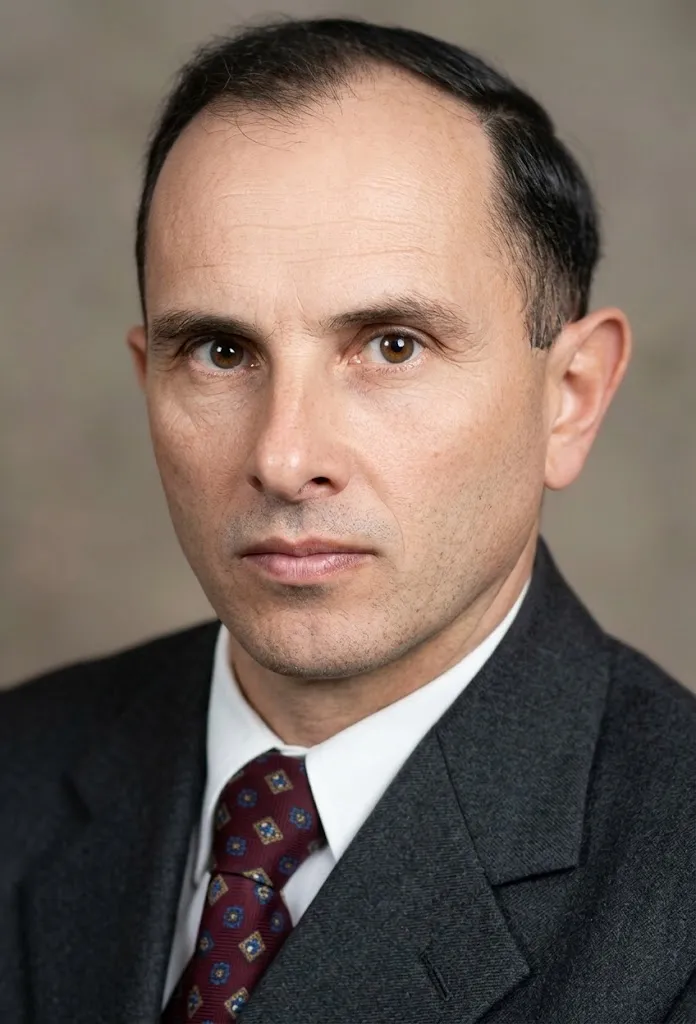
1883–1919
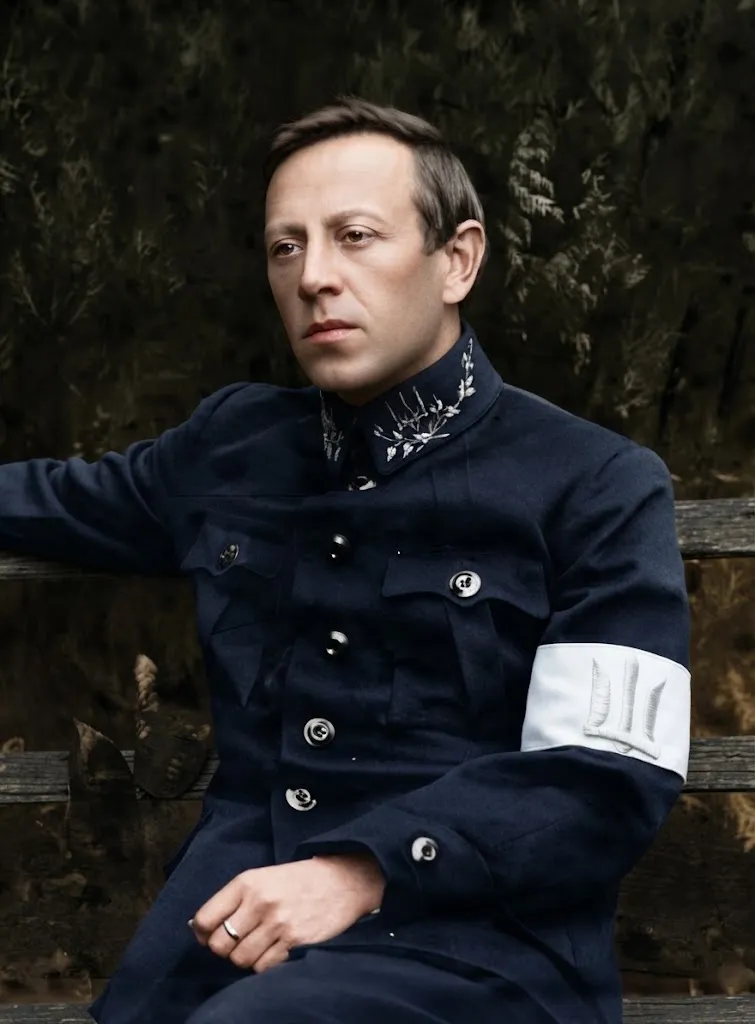
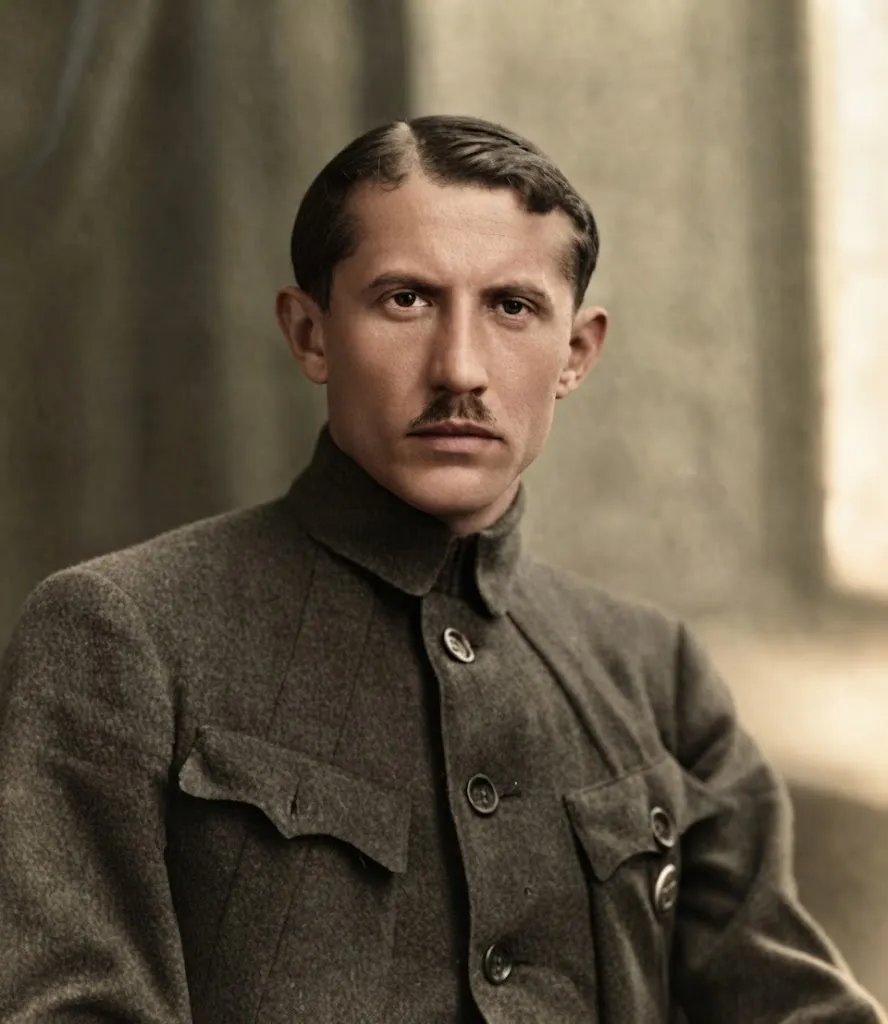
Petro Bolbochan
Colonel who led the Crimean campaign
In April 1918 his men raced across the Chonhar bridge into Crimea on a rail trolley, and Ukrainian flags went up over ships of the Black Sea Fleet. A year later Colonel Petro Bolbochan was shot on the sentence of a court of his own army, the army of the UNR.
Key accomplishments
- Commander of the 1st Ukrainian Republican Regiment (1917)
- Commander of the UNR Army’s Crimean Group in the campaign to Crimea (April 1918)
- Commander of the 2nd Zaporozhian Regiment under the Hetmanate (1918)
- Commander of the Zaporozhian Corps and of the troops in Left-Bank Ukraine (autumn 1918)
Twenty Cossacks on a rail trolley
In April 1918 the government of the Ukrainian People’s Republic (UNR) secretly ordered its Zaporozhian troops to take Crimea ahead of the German army, which was then advancing into Ukraine, and to seize the Black Sea Fleet. Colonel Petro Bolbochan led the Crimean Group. On 22 April some twenty Cossacks with machine guns sped across the Chonhar bridge on a rail trolley before the Bolsheviks could destroy it. The Zaporozhians went on to take Dzhankoi, Simferopol and Bakhchysarai. On 29 April Ukrainian flags were raised over several ships of the Black Sea Fleet in Sevastopol.
But the German command demanded that the Ukrainian units leave the peninsula. After two days of talks, Kyiv ordered them to comply, and the Zaporozhians pulled back to Melitopol.
A priest’s son from Bessarabia
Bolbochan was born in 1883 in northern Bessarabia, in a village now called Yarivka, in Ukraine’s Chernivtsi region. He graduated from the military cadet school in Chuhuiv and fought in the First World War. In 1917 he threw himself into building a Ukrainian army and became commander of the 1st Ukrainian Republican Regiment.
Between the hetman and the Directory
Under the Ukrainian State of Hetman Pavlo Skoropadskyi, Bolbochan commanded the 2nd Zaporozhian Regiment. In November 1918 he sided with the Directory’s uprising against the hetman and led it in Kharkiv and across the Left Bank. That autumn the Directory gave him command of the Zaporozhian Corps.
After the retreat from the Left Bank, Bolbochan was relieved of command. On 24 January 1919 he was arrested on the orders of the Supreme Otaman, Symon Petliura, and released in May. On 9 June, in Proskuriv (now Khmelnytskyi), he tried to take over the corps without authority. He was arrested again, and a field court-martial sentenced him to death. Petro Bolbochan was shot on 28 June 1919 at Balyn station in Podillia. He was 35.
Debates and assessments
Historians are still divided over the Bolbochan case, as the title of a 1999 article shows: “Petro Bolbochan: who was he? An active organiser of the defence of Ukrainian statehood, or a traitor to the Ukrainian people?” The Encyclopedia of Modern Ukraine writes that in Proskuriv he meant to seize command of the corps and remove Petliura from power. Other authors consider the conspiracy charges groundless and see the January arrest as the initiative of Otaman Omelian Volokh rather than Petliura. The diplomat Viacheslav Lypynskyi resigned as head of the UNR mission in Vienna in protest at the execution.
Why he is remembered
Bolbochan’s Crimean campaign is one of the UNR Army’s most successful operations. Streets in Kyiv, Kharkiv, Lviv, Odesa and other cities bear his name, and since 2020 so does the 3rd Operational Brigade of the National Guard of Ukraine.