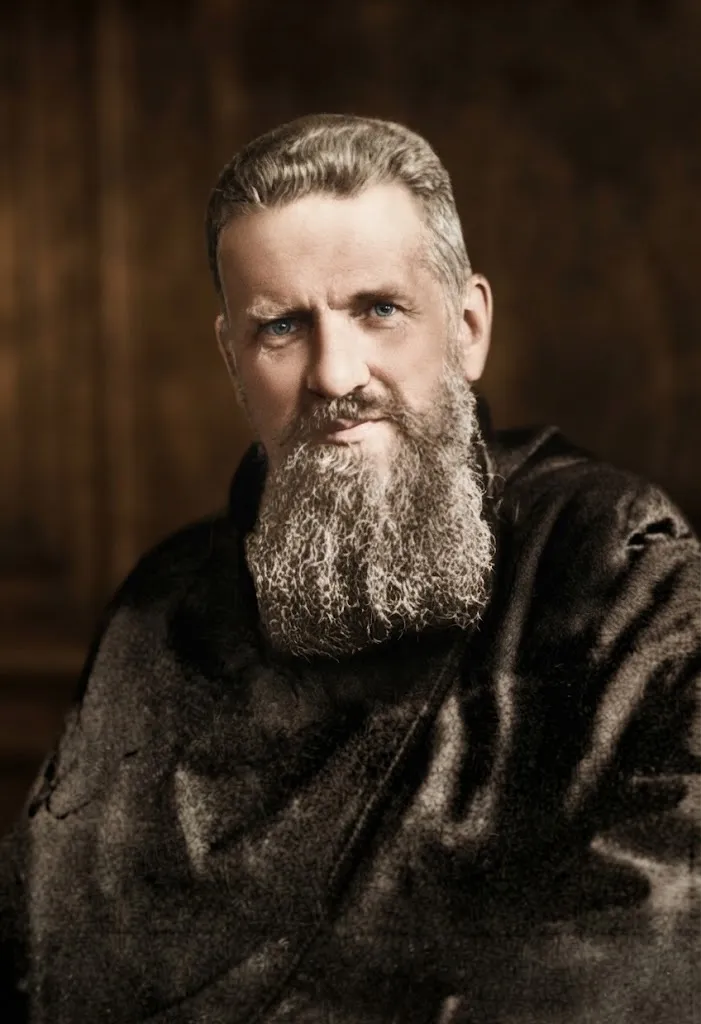
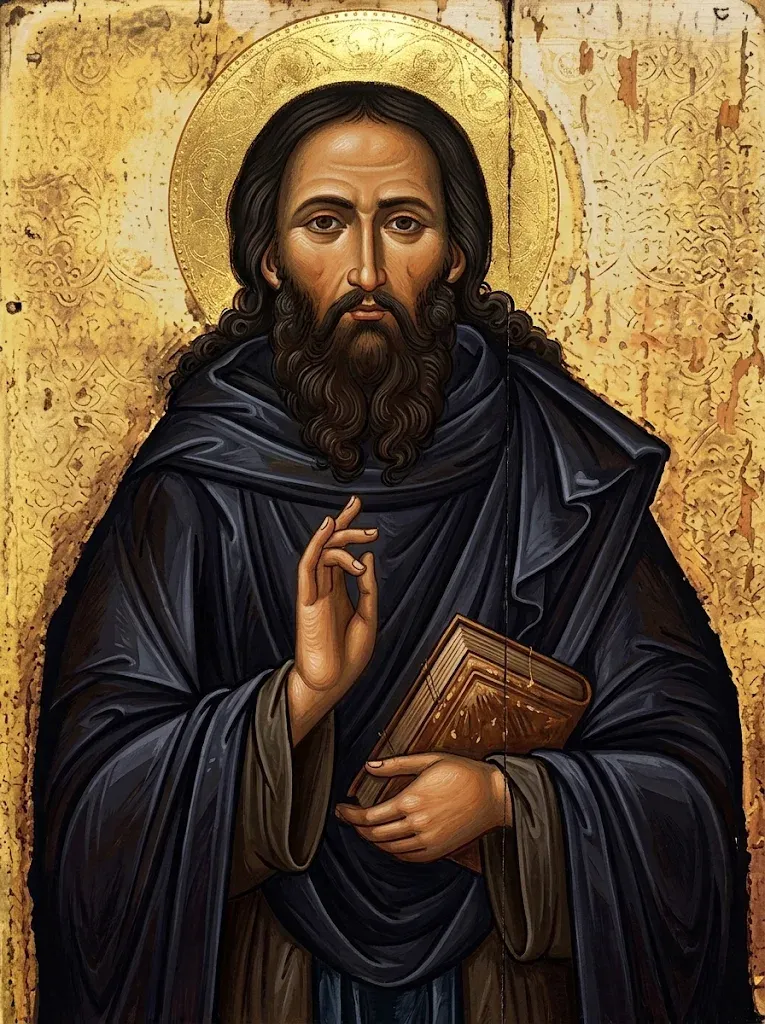
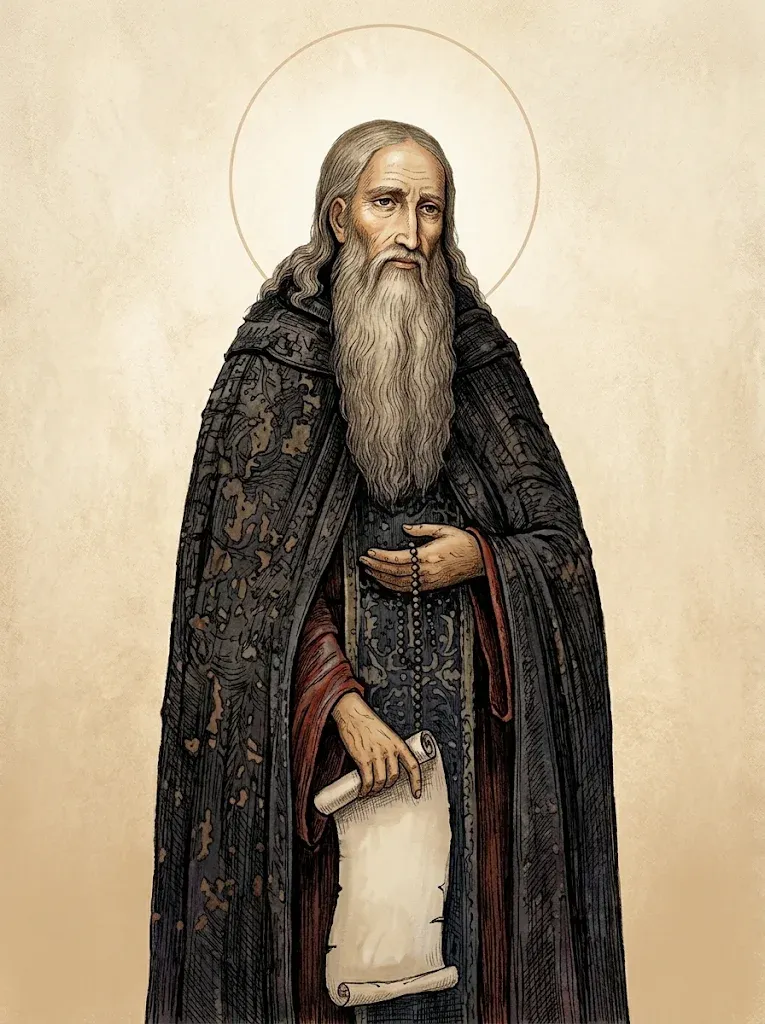
Klymentii Sheptytskyi
Archimandrite of the Studite monks
At 42 a count, doctor of law and member of the Austrian parliament entered a monastery. As abbot of the Univ Lavra, Klymentii Sheptytskyi and his brother the Metropolitan hid Jewish children in monasteries; he is Righteous Among the Nations. He died in a Soviet prison, never renouncing his church.
Key accomplishments
- Doctor of law (1892); member of the Austrian parliament (1900–1907), co-author of the empire’s forestry law
- Abbot of the Univ Lavra of the Dormition (from 1926), archimandrite of the Studite monks (from 1944)
- With Metropolitan Andrei Sheptytskyi, organized the rescue of Jews, mostly children, in Studite monasteries
- Refused to convert to Orthodoxy after the Ukrainian Greek Catholic Church was banned; died in Vladimir prison
- Righteous Among the Nations (posthumously); Blessed of the Catholic Church (2001)
The count who became a monk
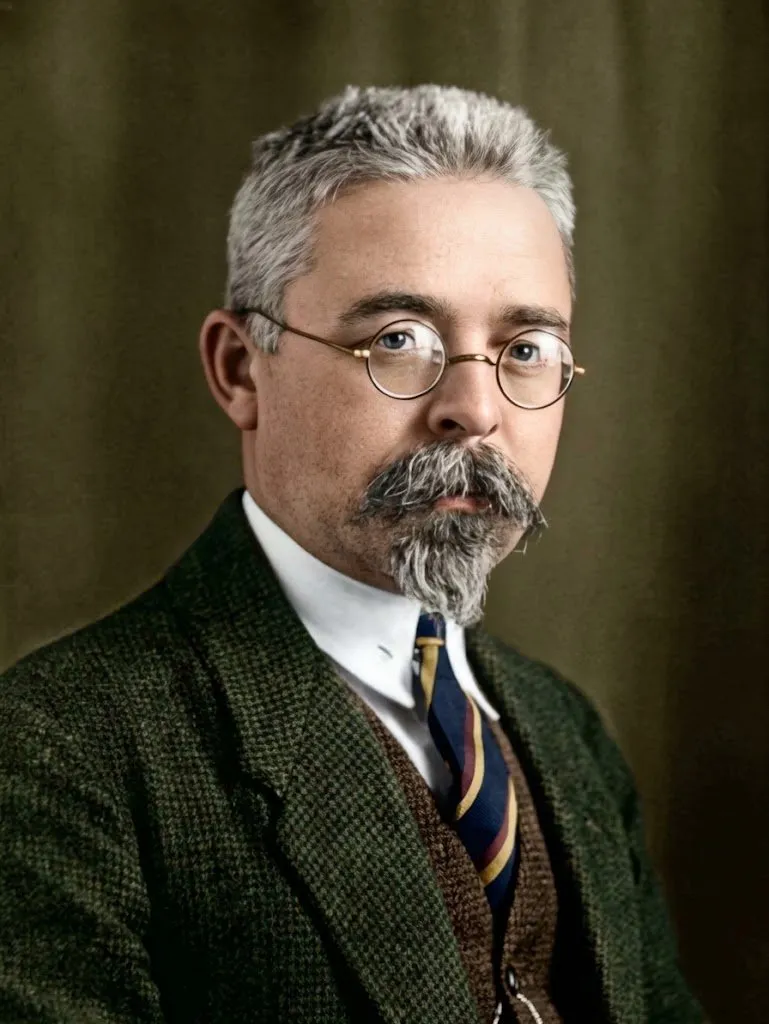
Did you know that a member of the Austrian parliament who had co-written the empire’s forestry law one day gave it all up and became a monk? Kazimierz Sheptytskyi was born in 1869 in Prylbychi near Lviv, into a noble Polish family of counts; his elder brother was the future Metropolitan Andrei Sheptytskyi. Kazimierz earned a doctorate in law at the University of Kraków, studied forestry, ran the family estates, and from 1900 to 1907 sat in the parliament in Vienna. In 1911, at the age of 42, he followed his brother and left secular life behind.
The abbot of Univ
Kazimierz spent a year in the Benedictine monastery of Beuron in Germany. There he became sure of his Ukrainian identity and moved to the Eastern rite. He took his vows in a Studite monastery in Bosnia, with the name Klymentii, and in 1913 he was ordained a priest. From 1926 he was abbot of the Univ Lavra near Lviv. With his brother he wrote a rule for the Studite monks and helped found new monasteries in Galicia and Canada.
The Studites’ “Noah’s Ark”
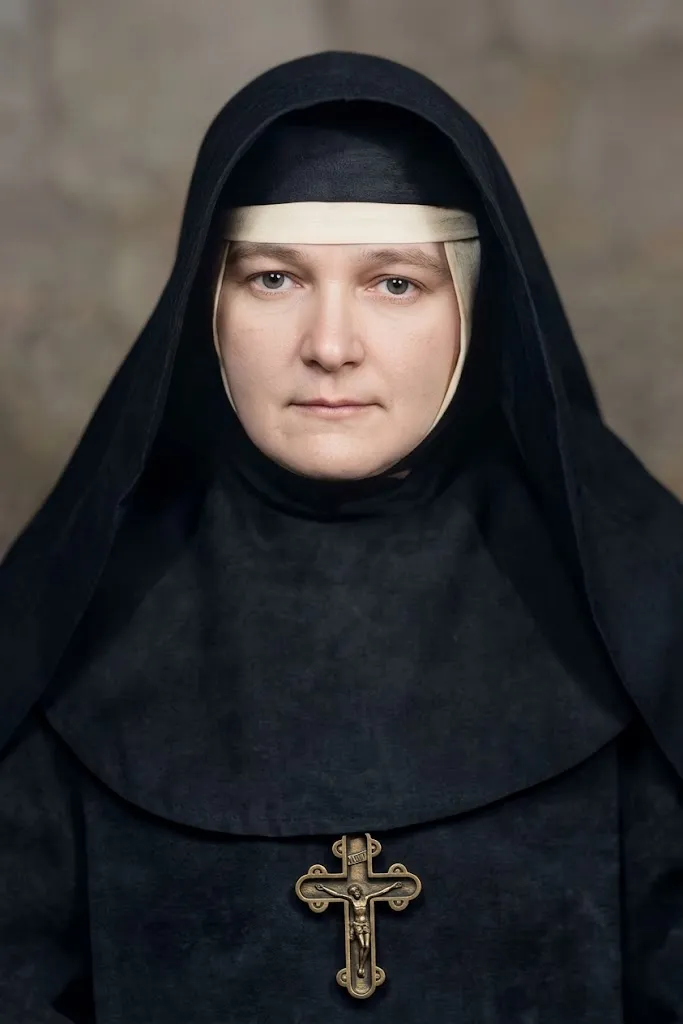
Under Nazi occupation the Sheptytskyi brothers organized the rescue of Jews, and most of the hiding places were set up by Klymentii himself. Rabbi David Kahane, who was hidden too, called his network of Studite monasteries a “Noah’s Ark”. Jewish children were passed off as Ukrainian or Polish orphans, given new names and taught prayers so they would not give themselves away. The rescue was coordinated together with him by the abbess of the Studite nuns, Mother Iosyfa, Olena Viter. Sources say the Sheptytskyi circle saved between 150 and 200 people. Israel’s Yad Vashem memorial posthumously recognized Klymentii as Righteous Among the Nations.
He would not give in
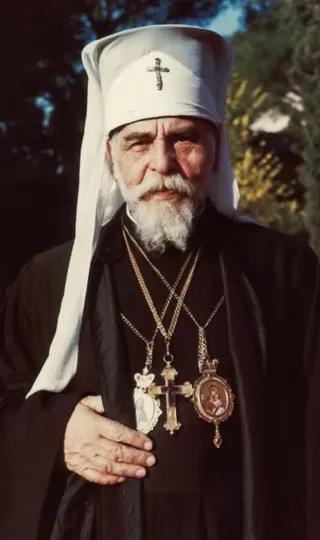
After Metropolitan Andrei died in 1944, the new metropolitan, Yosyf Slipyi, made Klymentii archimandrite of the Studites. The Soviet authorities offered him the leadership of the church if he broke its union with Rome, and he refused. In 1945, when all the Greek Catholic bishops had been arrested, Klymentii and 61 priests sent a protest to Molotov. On 5 June 1947 he was arrested. In a prison in Kyiv he was tortured to make him convert to Orthodoxy, but he did not yield. He was sentenced to prison (sources give 8 or 25 years), and on 1 May 1951 the 81-year-old archimandrite died in prison in Vladimir. His burial place is unknown. In 2001 Pope John Paul II declared him Blessed, together with Omelian Kovch.
Why it matters today
Klymentii Sheptytskyi showed that faith is not only prayer but also the readiness to risk your life for other people’s children. He and his monks saved those the occupiers had condemned to death, and proved that even in the darkest years there were people in Ukraine who did not stay silent. In a Soviet prison he would not renounce his church, though it cost him his life. Anyone who stands up for the weak when it is dangerous carries on his work.