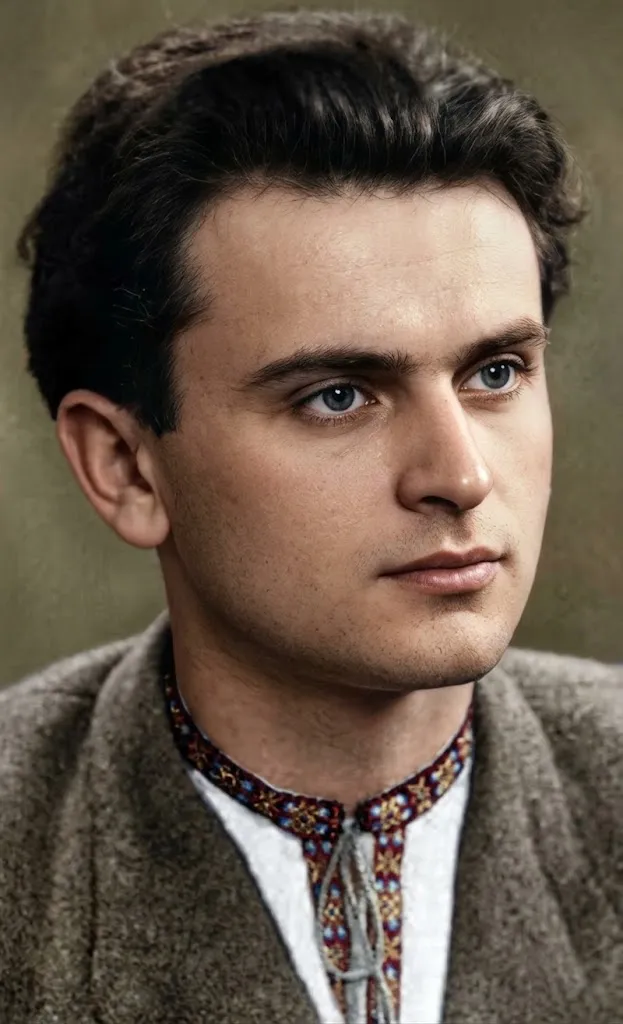
1936–2018
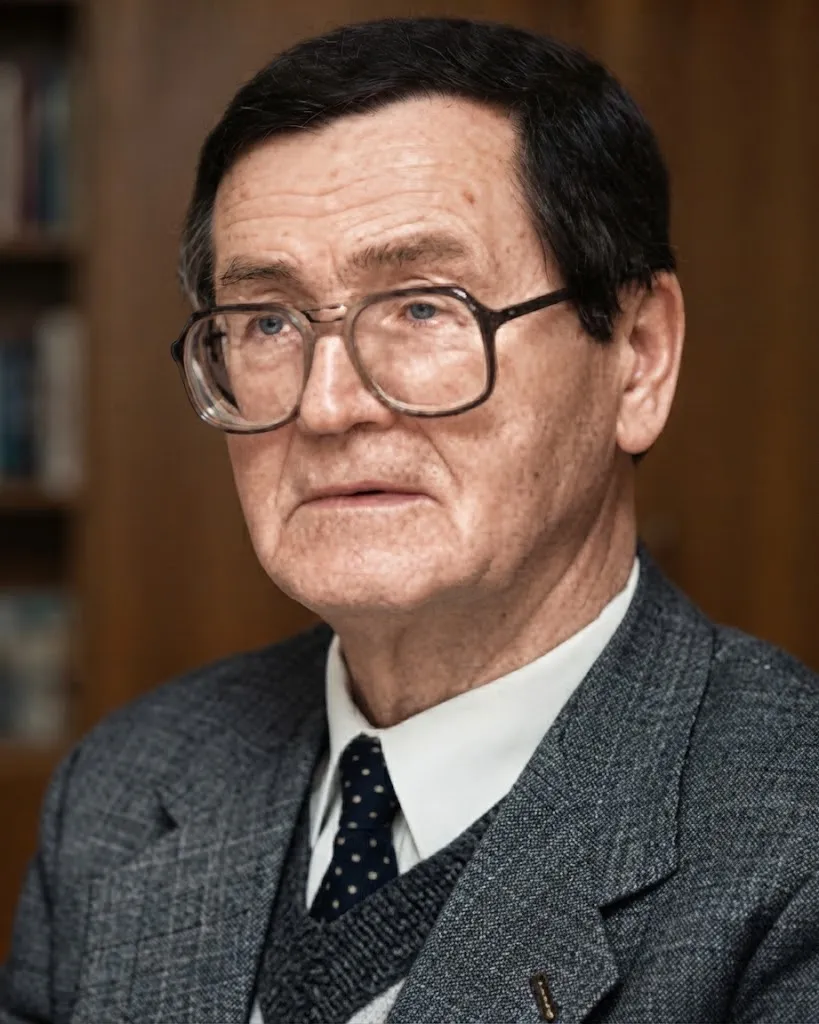
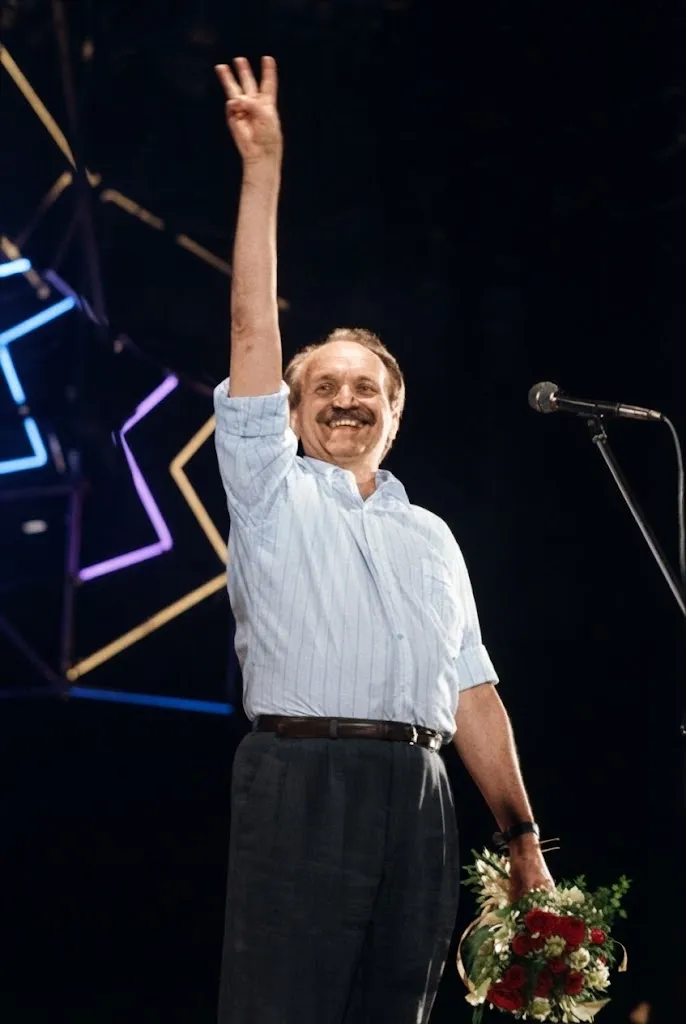
Ivan Drach
Sixtier poet, first leader of Rukh
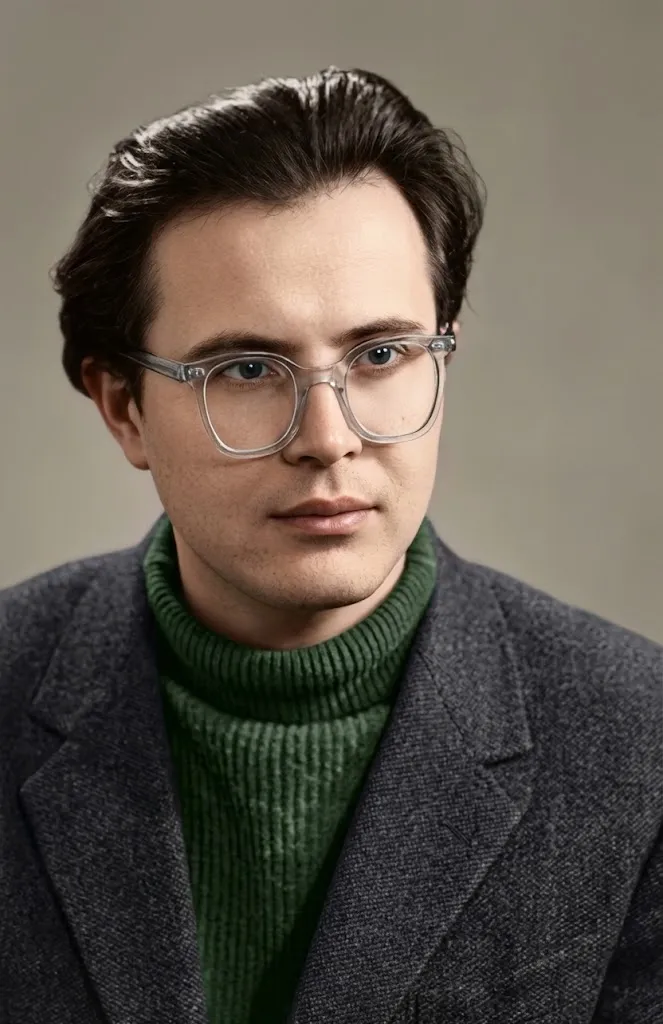
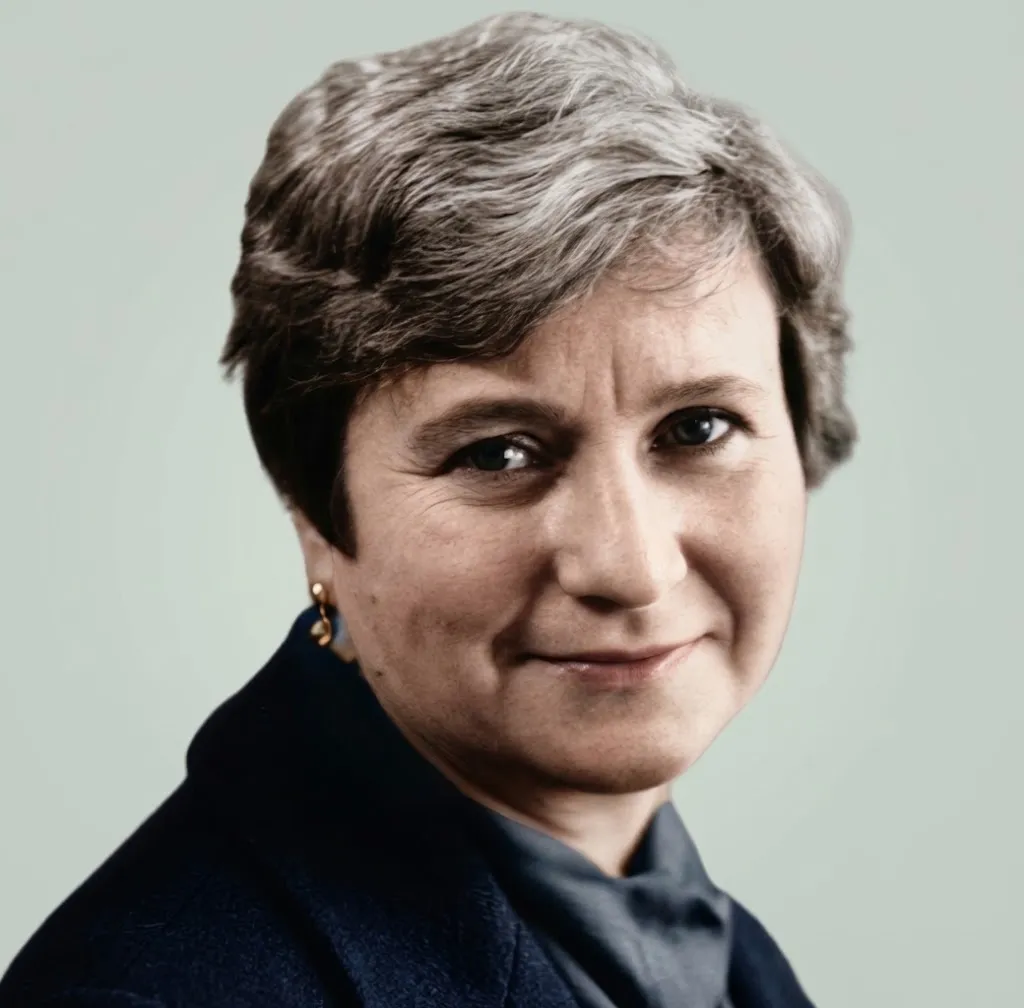
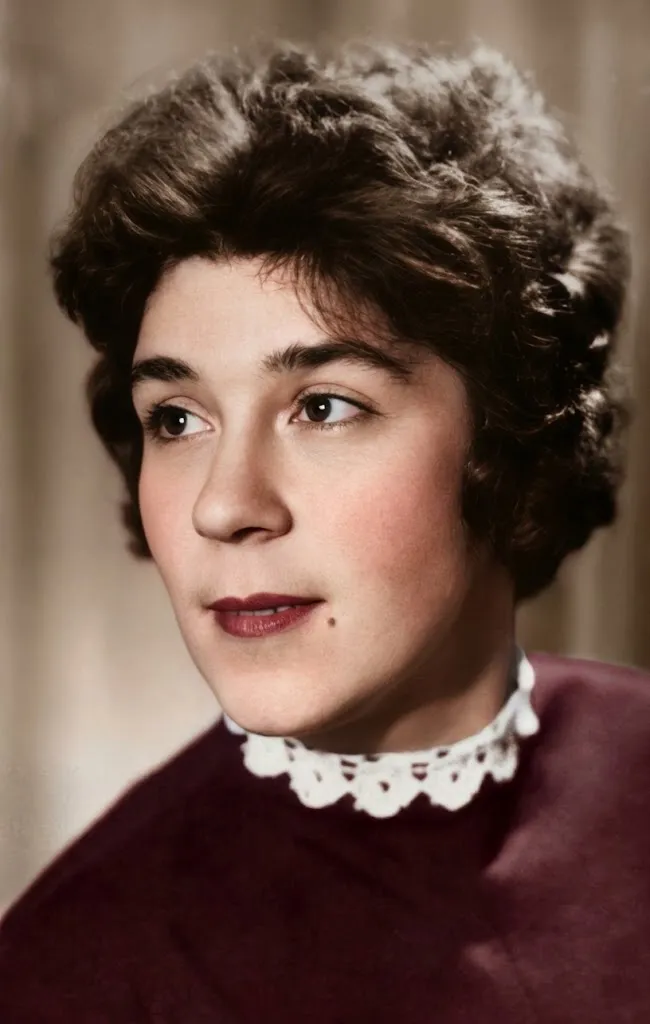
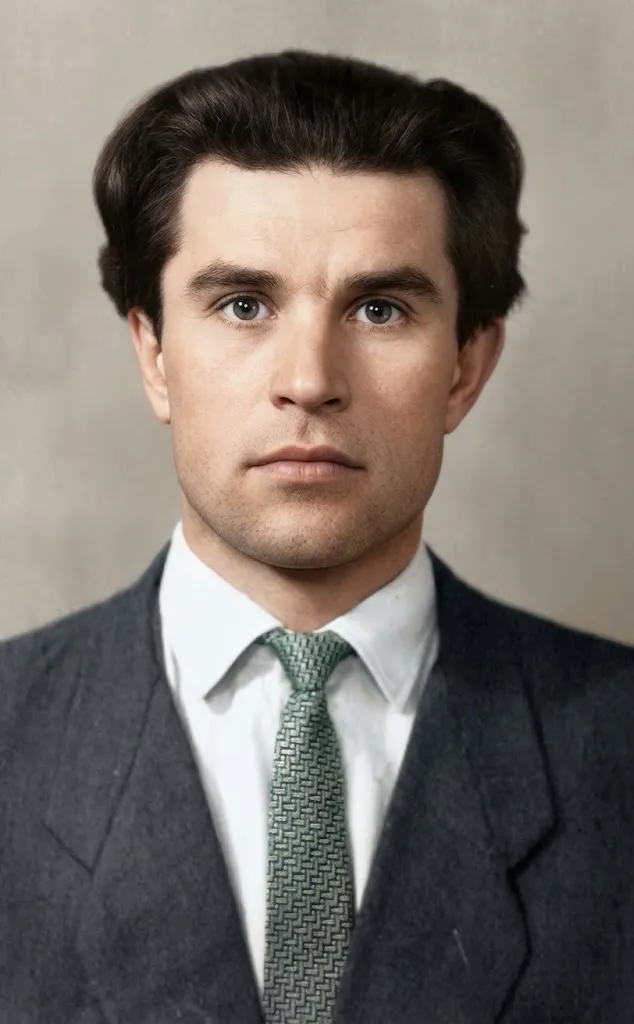
Some critics found his poem A Knife in the Sun incomprehensible; others called it a revelation. Ivan Drach, a poet of the Sixtiers and a screenwriter, gave way under pressure from the regime, and in 1989 became the first leader of the People’s Movement of Ukraine.
Key accomplishments
- The collection Sunflower (1962), one of the key debuts of the Sixtiers
- Screenplay for A Well for the Thirsty (1965, directed by Yurii Illienko)
- Screenplays for The Stone Cross (1968), I Am Coming to You (1971) and The Lost Letter (1972)
- The poem The Chornobyl Madonna (1988)
- First leader of the People’s Movement of Ukraine (Rukh, 1989–1992); member of parliament for four terms
- Hero of Ukraine (2006)
A knife in the sun
A long poem by a young author, A Knife in the Sun, appeared in the weekly Literaturna Ukraina in the summer of 1961. Some readers were shocked by its unusual form and by themes that were meant to be avoided; others were baffled by its difficult language; still others greeted it as a long-awaited revelation. That was how Ivan Drach arrived.
He was born in 1936 in the village of Telizhyntsi in the Kyiv region and studied at Kyiv University. His first collection, Sunflower, came out in 1962. In its Ballad of the Sunflower, an ordinary flower reaching for the sun becomes an image of the poet reaching for poetry. Drach blended folk song with bold intellectual thought, and complex metaphors became his signature. Together with the debuts of Mykola Vinhranovskyi and Vasyl Symonenko, it became one of the central events in the literature of those years.
A poet under attack
The success didn’t last. In 1963 the leadership of the Communist Party of Ukraine publicly condemned Drach; Soviet papers stopped printing his poems, and he was expelled from the university. With the way to print closed, he carried his voice into cinema as a screenwriter. A Well for the Thirsty, directed by Yurii Illienko, would come to be seen as one of the high points of Ukrainian poetic cinema. His scripts also became The Stone Cross (1968), after the stories of Vasyl Stefanyk, I Am Coming to You (1971), about Lesya Ukrainka, and The Lost Letter (1972), after the story by Nikolai Gogol.
In 1965 the arrests of the Sixtiers began. At the premiere of Serhii Paradzhanov’s Shadows of Forgotten Ancestors, Drach stood up with others in support of Ivan Dziuba, who spoke out against the arrests. In 1966 he went to the trial of those arrested with Lina Kostenko, Viacheslav Chornovil and Ivan Dziuba, and at a writers’ meeting he and Lina Kostenko tried to defend the convicted. For this he was given a severe reprimand.
Debates and assessments
Three days after that meeting Drach wrote an explanatory note to the Party committee condemning his own actions. Some biographers call this the beginning of his capitulation, but note that he did not cross over to the opponents’ camp. In 1973 he again had to “repent”; in 1976 he received the Shevchenko Prize, and in 1983 the USSR State Prize. Some scholars judge that his compromise with the regime weakened his later poetry. Ivan Dziuba writes that the poet had to manoeuvre to break through to a word of truth. The cultural scholar Oksana Pakhlovska recalls that Drach himself admitted writing conformist verse to get his books past the censors.
From poetry to the state
Drach was the first at the Congress of Writers of Ukraine, in May 1986, to speak openly about the Holodomor, and in 1988 he wrote the poem The Chornobyl Madonna. In 1989 he became the first leader of the People’s Movement of Ukraine. He then served four terms as a member of parliament, headed the State Committee for Information Policy (2000–2002) and in 2006 was made a Hero of Ukraine. Drach died in Kyiv in 2018 and is buried in his home village.
Why it matters today
Ivan Drach, together with Mykola Vinhranovskyi and Vasyl Symonenko, showed that Ukrainian poetry could speak in a new, bold and surprising way. When the papers shut him out, he carried that voice into poetic cinema. In the late 1980s the poet stepped onto the political stage: he was the first at the Writers’ Congress to speak openly about the Holodomor, and he led the People’s Movement of Ukraine. His life shows that a poet’s word can start change for a whole country.