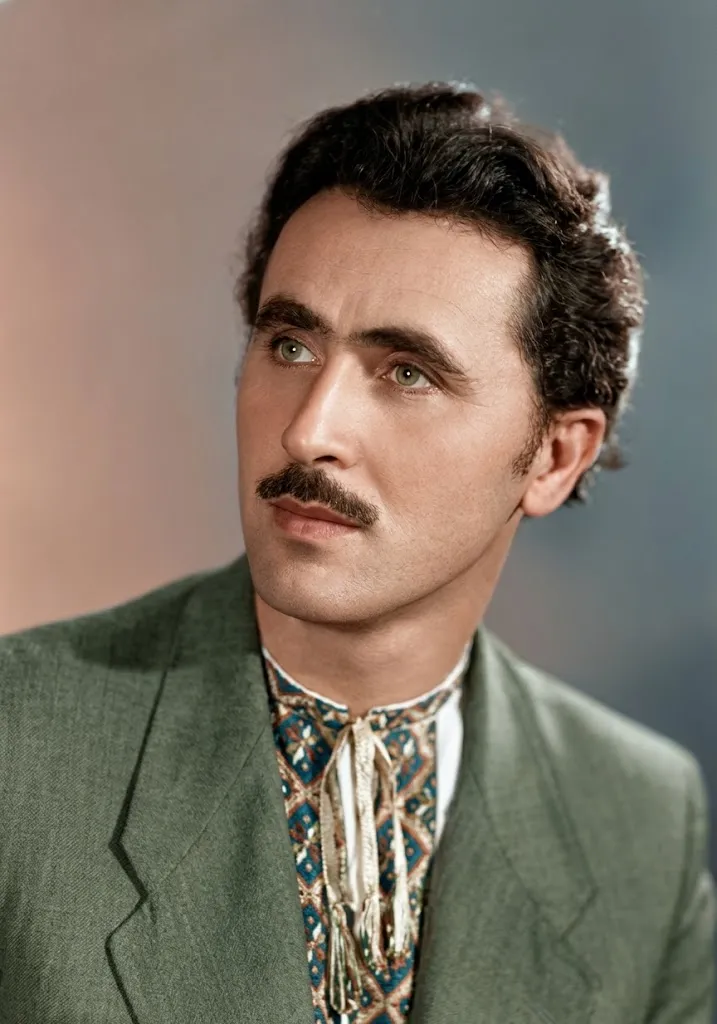
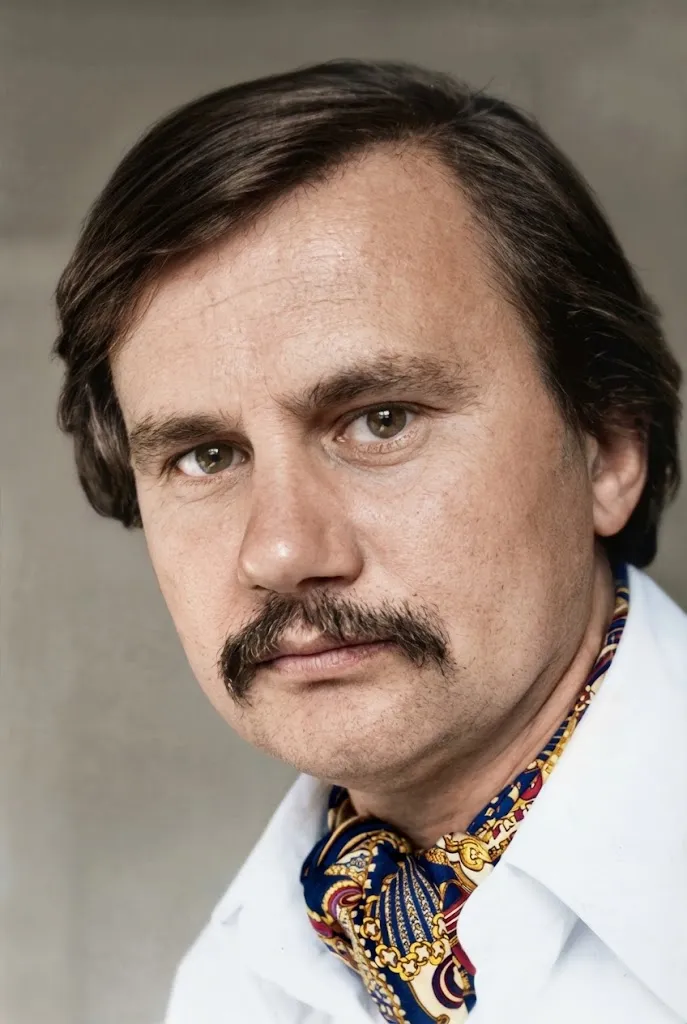
1931–2011
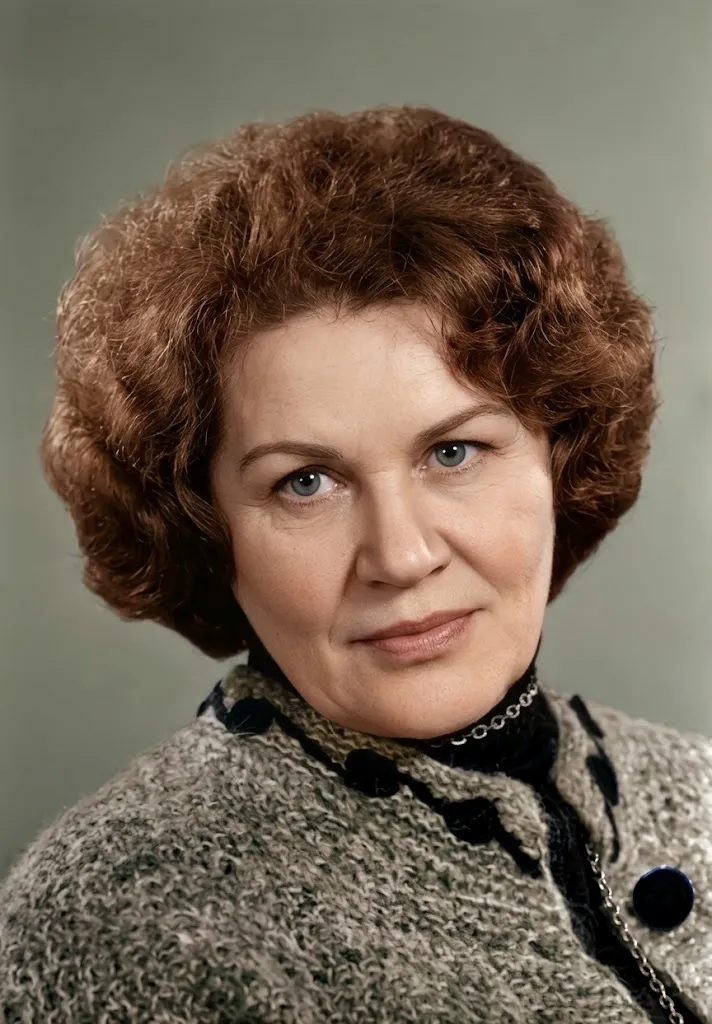
Mykhailyna Kotsiubynska
Literary scholar of the Sixtiers
She chose to hand back her party card rather than give up her ideals. Mykhailyna Kotsiubynska, a literary scholar of the Sixtiers and niece of Mykhailo Kotsiubynskyi, was barred from publishing for almost 20 years, then brought out the first book of Vasyl Stus in Ukraine.
Key accomplishments
- The book Studies in Shevchenko's Poetics (written in the 1960s, published in 1990)
- Compiled The Road of Pain (1990), the first book of Vasyl Stus published in Ukraine
- Head of the editorial board of Stus's collected works; his letters appeared there with her commentary
- Shevchenko National Prize (2005) for the two-volume My Horizons; Order of Princess Olha, 3rd class (2006)
The card or the ideals
In 1966 Mykhailyna Kotsiubynska was being expelled from the Communist Party. She was asked what she would think about when she laid her party card on the table. She answered that she had once believed in ideals, and if she had to choose, she would keep the ideals and hand over the card. And that is what she did.
A girl from the museum
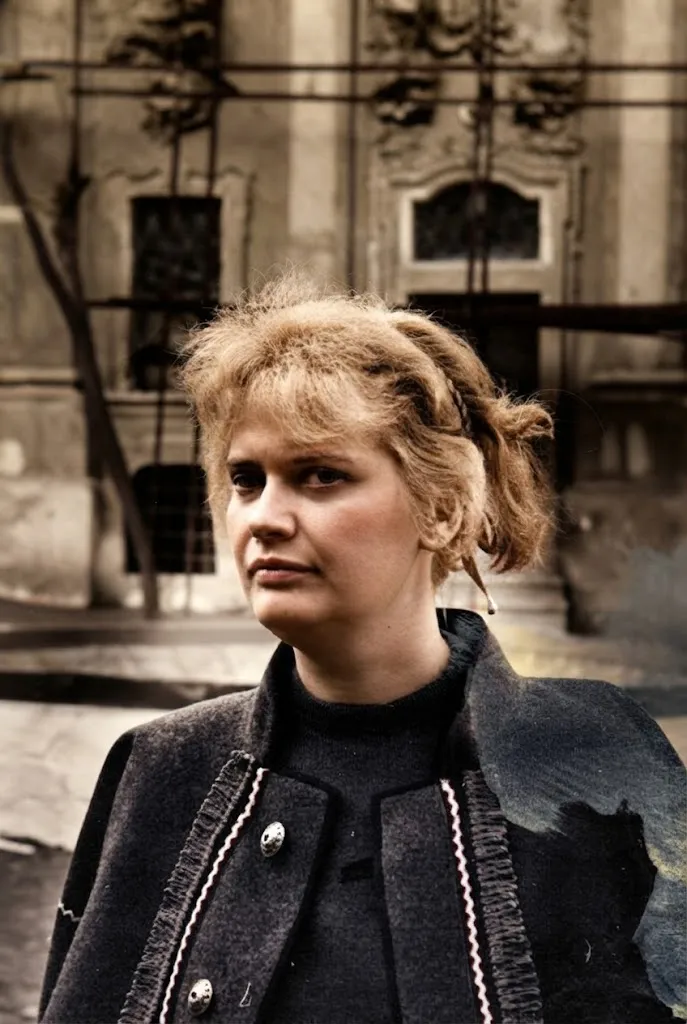
Mykhailyna was named after her uncle, the writer Mykhailo Kotsiubynskyi. She was born in 1931 in Vinnytsia and, as she was told, in the very room where he had been born. Her father, Khoma, the writer’s brother, was setting up a Kotsiubynskyi museum there, and later another one in Chernihiv. All her life, in her own words, she tried “not to disgrace that name”. She graduated from Kyiv University and became a researcher at the Institute of Literature, earning her candidate’s degree in philology in 1959 and studying how Shevchenko built his poems. She also translated poetry: her translations of the Canadian poet Pauline Johnson (Tekahionwake) came out in 1962, and in 1993 a collection of Jacques Prévert, most of it in her translation. At the institute she met a postgraduate student, Vasyl Stus. She was deeply influenced by the Sixtiers Yevhen Sverstiuk and Ivan Svitlychnyi, and her friends included Alla Horska and Lina Kostenko.
A protest and twenty years of silence
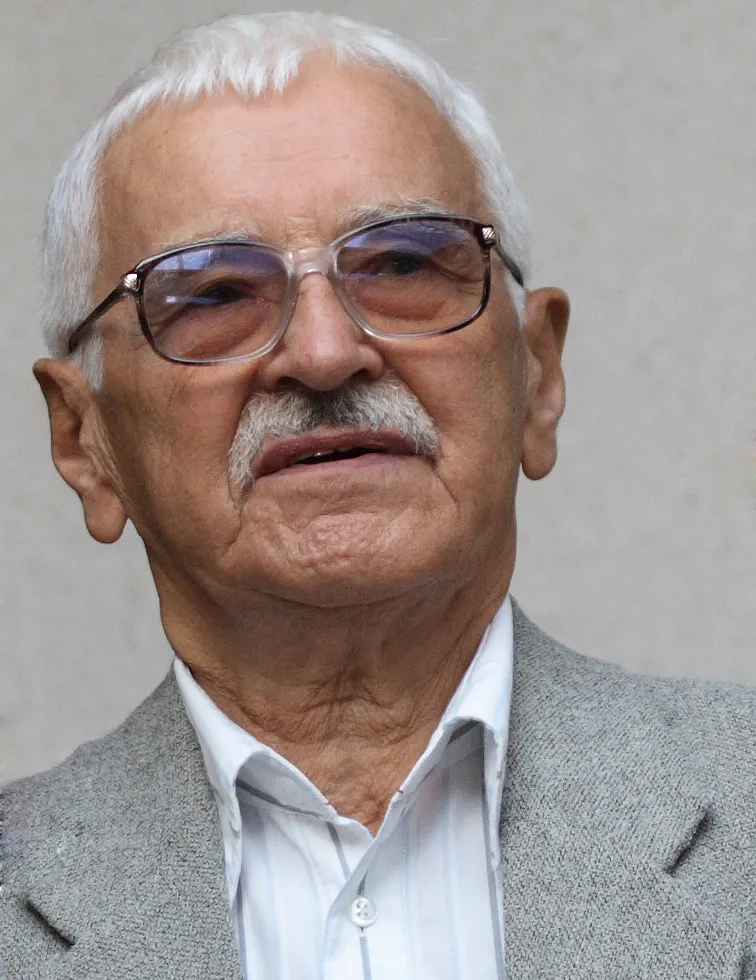
At a screening of the film Shadows of Forgotten Ancestors at the Ukraina cinema in Kyiv on 4 September 1965, she joined the protest against the arrests of Ukrainian intellectuals. She retyped and passed around samvydav, the banned self-published texts, among them Ivan Dziuba’s Internationalism or Russification? In 1968 she signed the “Letter of 139” against the arrests, and that same year she was dismissed from the institute. For almost a year no one would hire her, and she lived on translations from Polish, English and French. An editor’s job at the Vyshcha Shkola publishing house turned up only after Maria Skrypnyk, a Canadian communist she knew, made an inquiry to the Central Committee of the Communist Party of Ukraine. Kotsiubynska worked there until 1987, and her scholarly work was kept out of print.
In 1972 the KGB summoned her for questioning for several months on end. They wanted her to recant in public, and she would not. At Stus’s trial she gave him a strong, positive character reference. In 1976, at the end of an interrogation, the investigator asked what she would do once she left him. “I’ll go to the bathroom and wash my hands for a long time,” she answered.
Stus’s “sister”
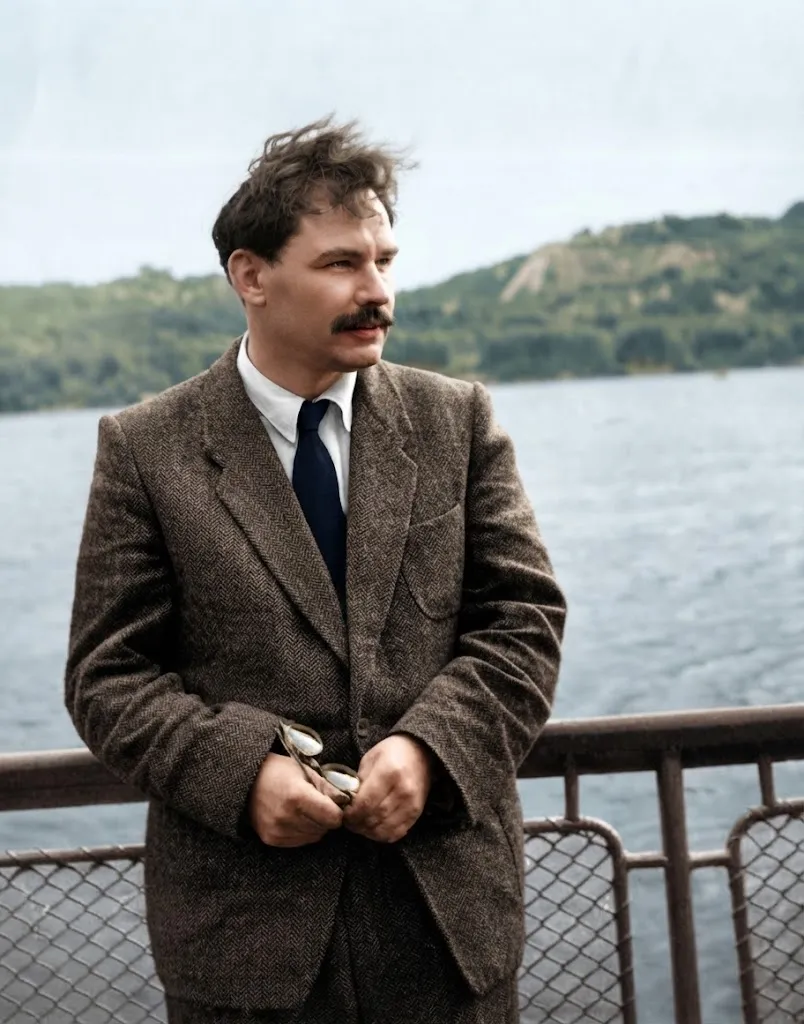
Kotsiubynska wrote letters to friends in the camps. From exile, Stus called her his sister and slipped postcards for her into his letters to his wife. One said: “Mykhasia, if on your birthday you see the sky bending down to you, know that I did it.” After his death she compiled The Road of Pain (1990), his first book in Ukraine, and then led the team that published his collected works; two books of its sixth volume hold his letters, with her commentary. She considered this the most important work of her life. With Valentyna Chornovil she also compiled the volume of letters in the 10-volume collected works of Viacheslav Chornovil. She studied letters as a scholar too: her books on letter-writing are Recorded and Imperishable (2001) and Letters and People (2009).
Mykhailyna Kotsiubynska died on 7 January 2011 in Kyiv.
Why it matters today
Mykhailyna Kotsiubynska twice chose her ideals over her safety: when she handed back her party card, and when she refused to recant under KGB questioning. It cost her almost twenty years of silence, but she never stopped working for Ukrainian writing. Much of the Stus we read today reached us through her hands. Her life shows that even when you are kept out of print, you can save for others a voice the regime tried to silence.