1940–2012
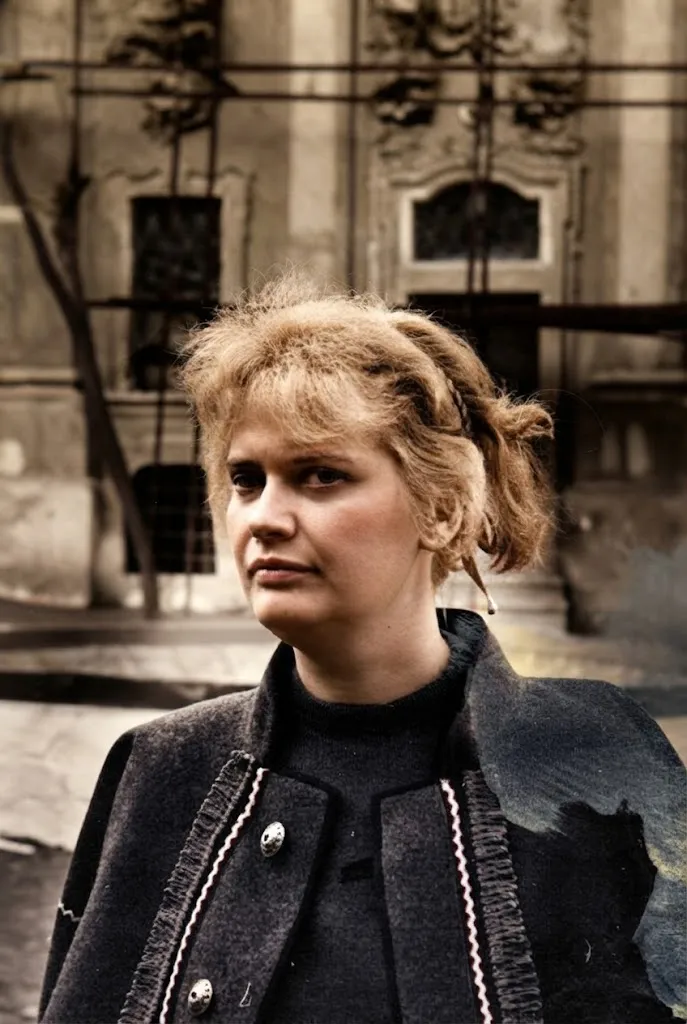
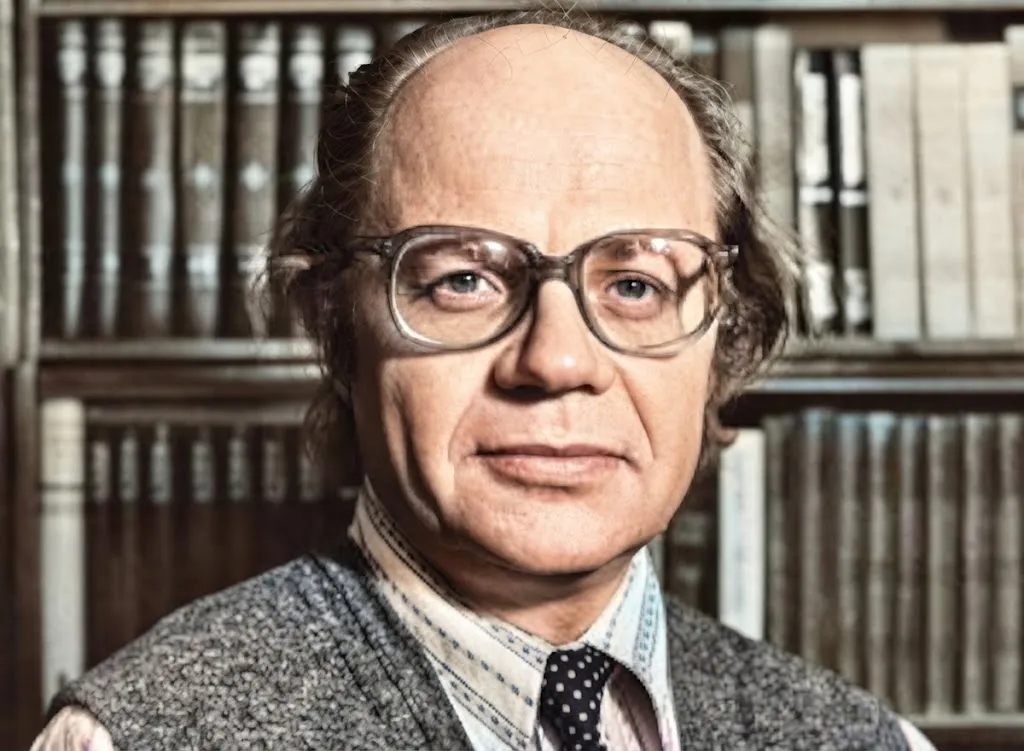
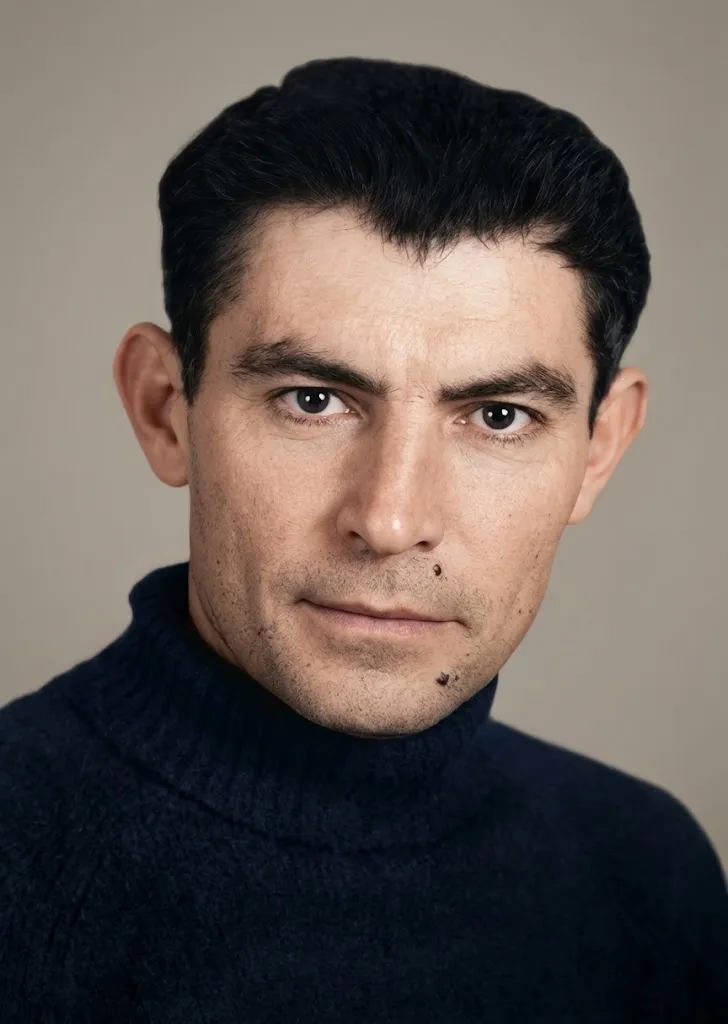
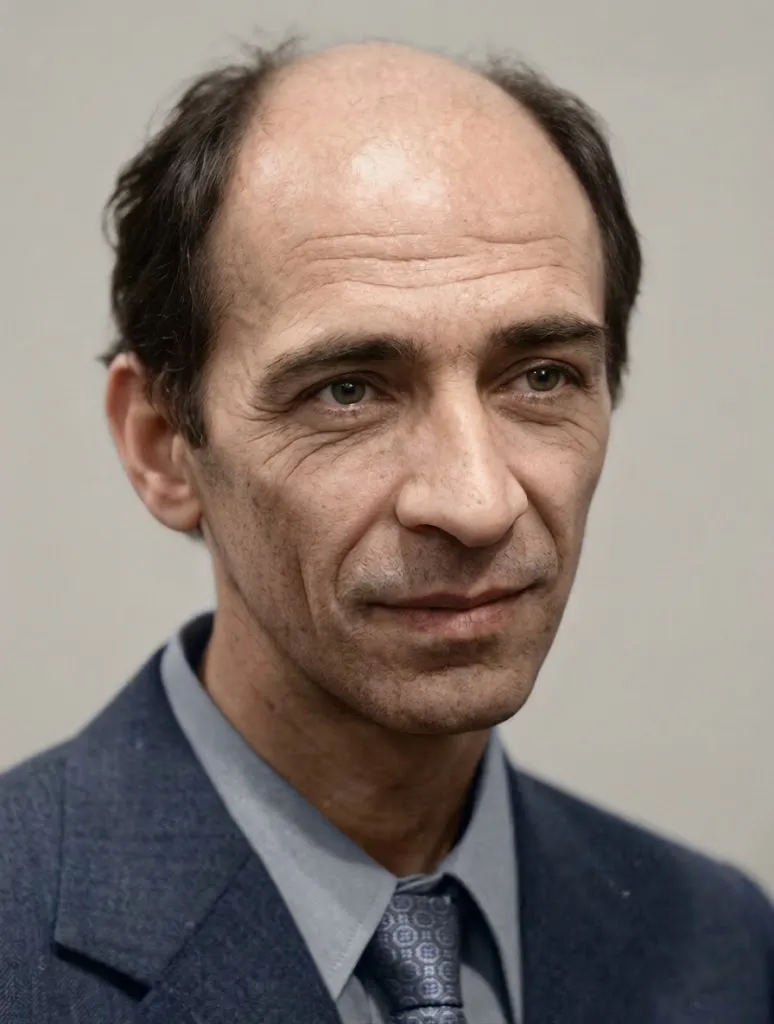
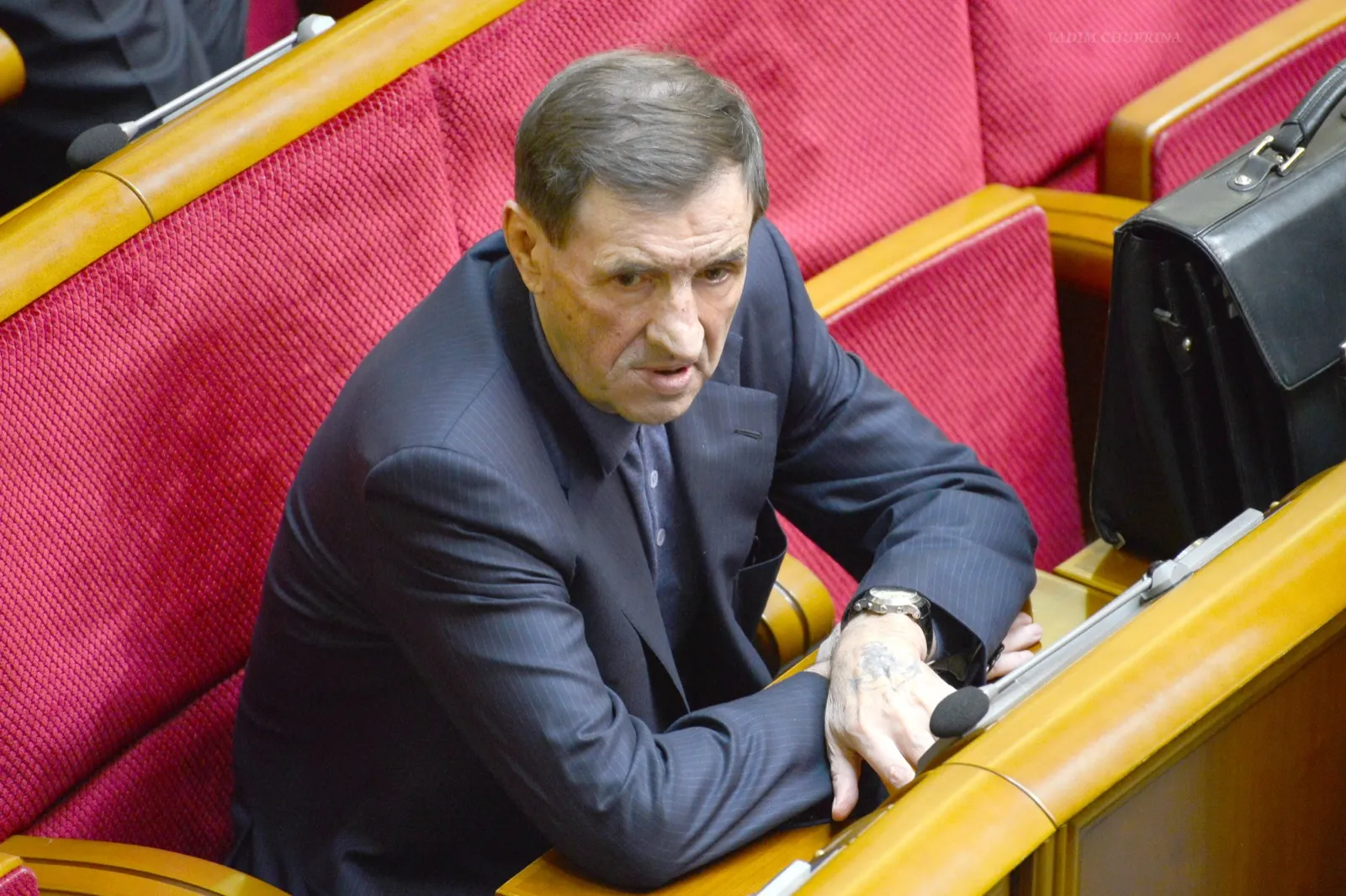
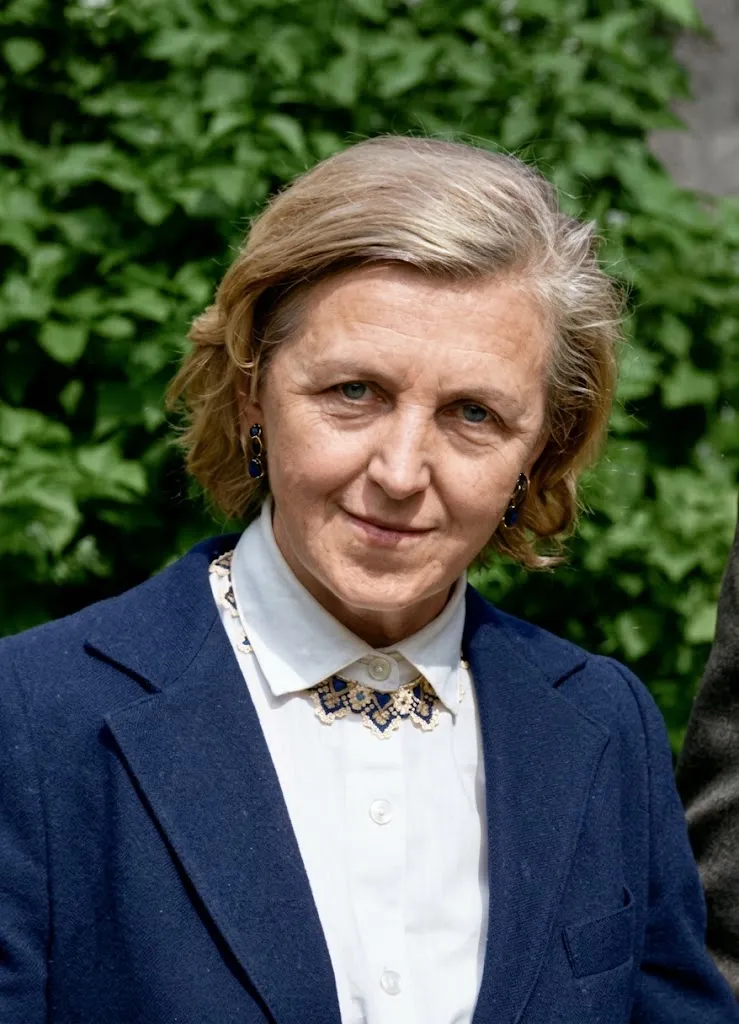
Iryna Kalynets
Poet, political prisoner, MP
Under investigation she went on hunger strike three times just to be given a pen and paper. Iryna Kalynets, a Sixtiers poet from Lviv, served six years in the camps and three in exile, and in independent Ukraine became an MP and remade the schools of the Lviv region.
Key accomplishments
- Handwritten poetry collections Oranta, The Road of Exile and Through Stone; the books Poems (New York, 1991) and Married to Wormwood (1995)
- A founding member of the Public Committee in Defence of Nina Strokata (1971)
- Founded and edited the almanac Yevshan-zillia with her husband (1987–1989)
- Member of the first democratic Verkhovna Rada of Ukraine (1990–1994); head of education in the Lviv region (1990–1992): gymnasiums, lyceums, new school curricula
- Children's books The Stork and the Black Cloud (1993) and Pimbo-Bimbo (2000); the detective novel A Thousand-Year-Old Murder (2002)
- Order of Princess Olga, 3rd class (2000) and 2nd class (2005)
A pen and paper
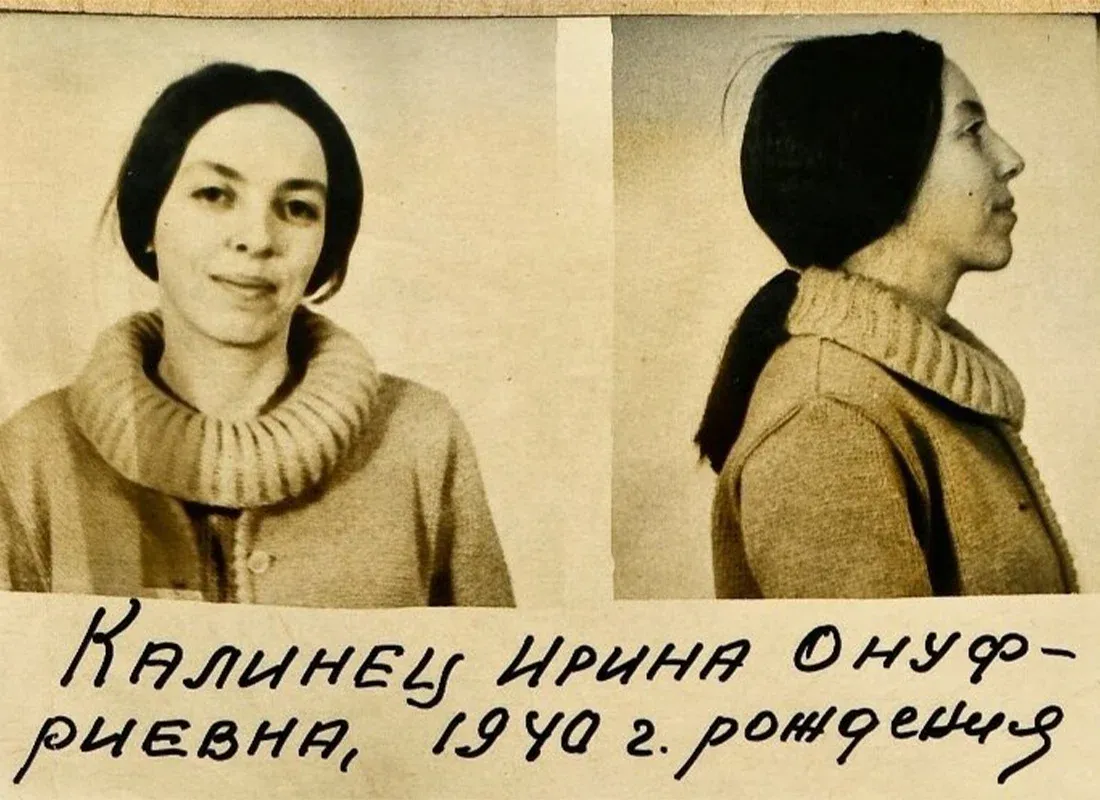
On 12 January 1972 Iryna Kalynets was searched. An essay by Vasyl Stus and her samvydav collection Oranta were taken away, and she was arrested that same day. During the investigation she went on hunger strike three times, demanding a pen and paper. When she finally got them, she wrote a protest to the Communist Party’s Central Committee, and in custody she wrote a cycle of poems called The Call.
A girl who dreamed of independence
Iryna Stasiv was born in Lviv in 1940 into a Greek Catholic family. After the war she watched Ukrainians being deported en masse to Siberia, and from childhood she dreamed of an independent Ukraine. In 1961, still a student at Lviv University, she married the poet Ihor Kalynets. That same year in Kyiv she met Yevhen Sverstiuk, Alla Horska and Ivan Drach.
She became a teacher, but schools kept pushing her out for telling pupils about Ukraine’s liberation movement. In 1970 she signed a protest against the arrest of Valentyn Moroz, and in 1971 she helped found a committee to defend Nina Strokata.
Six years in the camps, three in exile
In the summer of 1972 a court gave her 6 years in strict-regime camps and 3 years of exile for “anti-Soviet agitation and propaganda”. The authorities objected above all to her collection The Road of Exile, dedicated to Viacheslav Chornovil. Half a year later her husband got the same sentence, and their little daughter spent nine years without her parents.
In the Mordovian camp Iryna joined every collective protest of the women political prisoners and went on hunger strike to demand that they be recognised as political prisoners. The couple served their exile together in the Chita region. She came back to Lviv in 1981.
From rallies to school reform
From 1987 she and her husband published the almanac Yevshan-zillia, and she helped set up the Ukrainian Language Society, Memorial and Rukh, and campaigned for the revival of the Greek Catholic Church. After a rally on 22 January 1989 she was jailed for 10 days. In March 1990 she was elected to the Verkhovna Rada, the first democratic one, which went on to declare Ukraine’s independence. As head of education in the Lviv region she changed school curricula and opened gymnasiums and lyceums. In 2002 her detective novel A Thousand-Year-Old Murder came out as a book of its own; she drew the plot from her research into the history of Kyivan Rus. Iryna Kalynets died in Lviv on 31 July 2012.
Why it matters today
Iryna Kalynets did not stay silent when others were put on trial, and she did not give in when she was tried herself: even in a cell she won the right to write. Nine years of captivity did not break her faith in the independent Ukraine she had dreamed of since childhood. When that Ukraine came, she set out to build its schools, so they could teach what she herself had once been pushed out of teaching for. Her life shows that words and resistance matter even when victory seems impossible.