b. 1943
Mustafa Dzhemilev
Crimean Tatar national movement leader
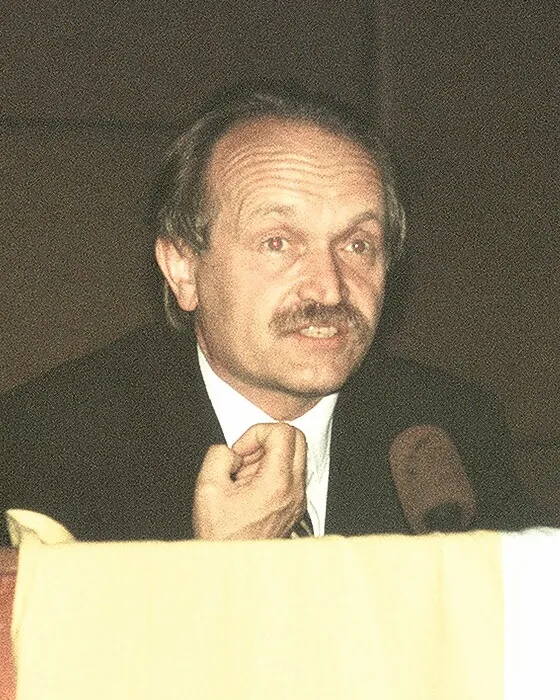
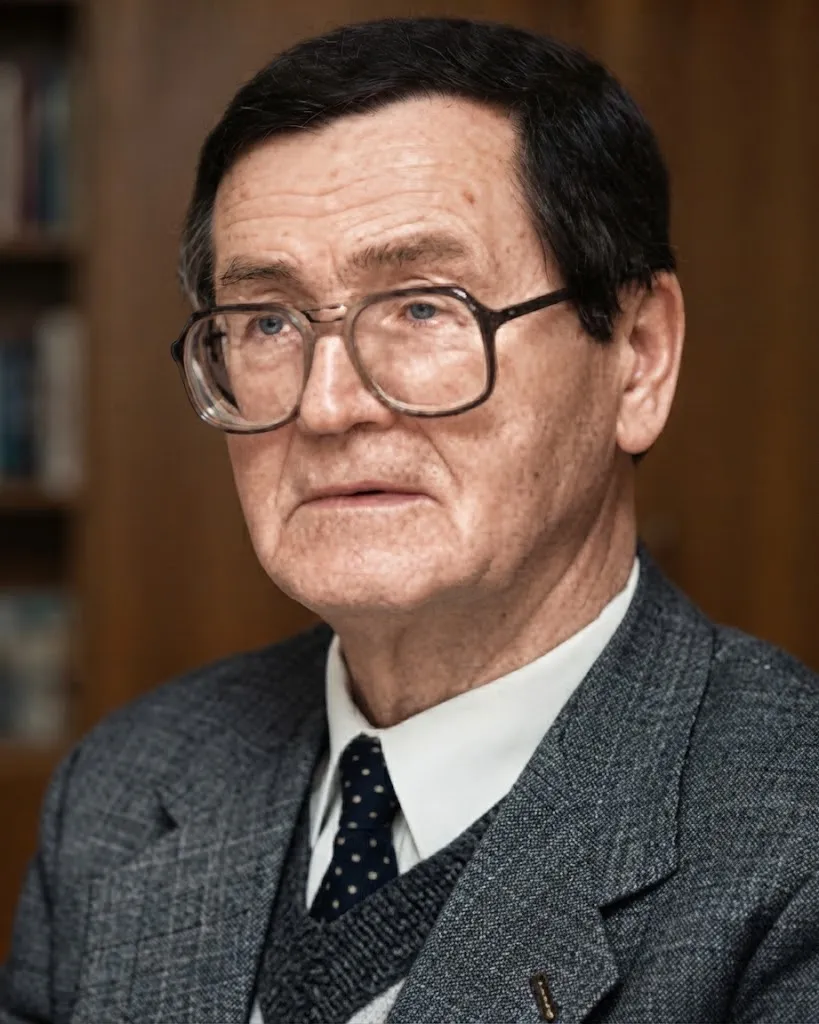
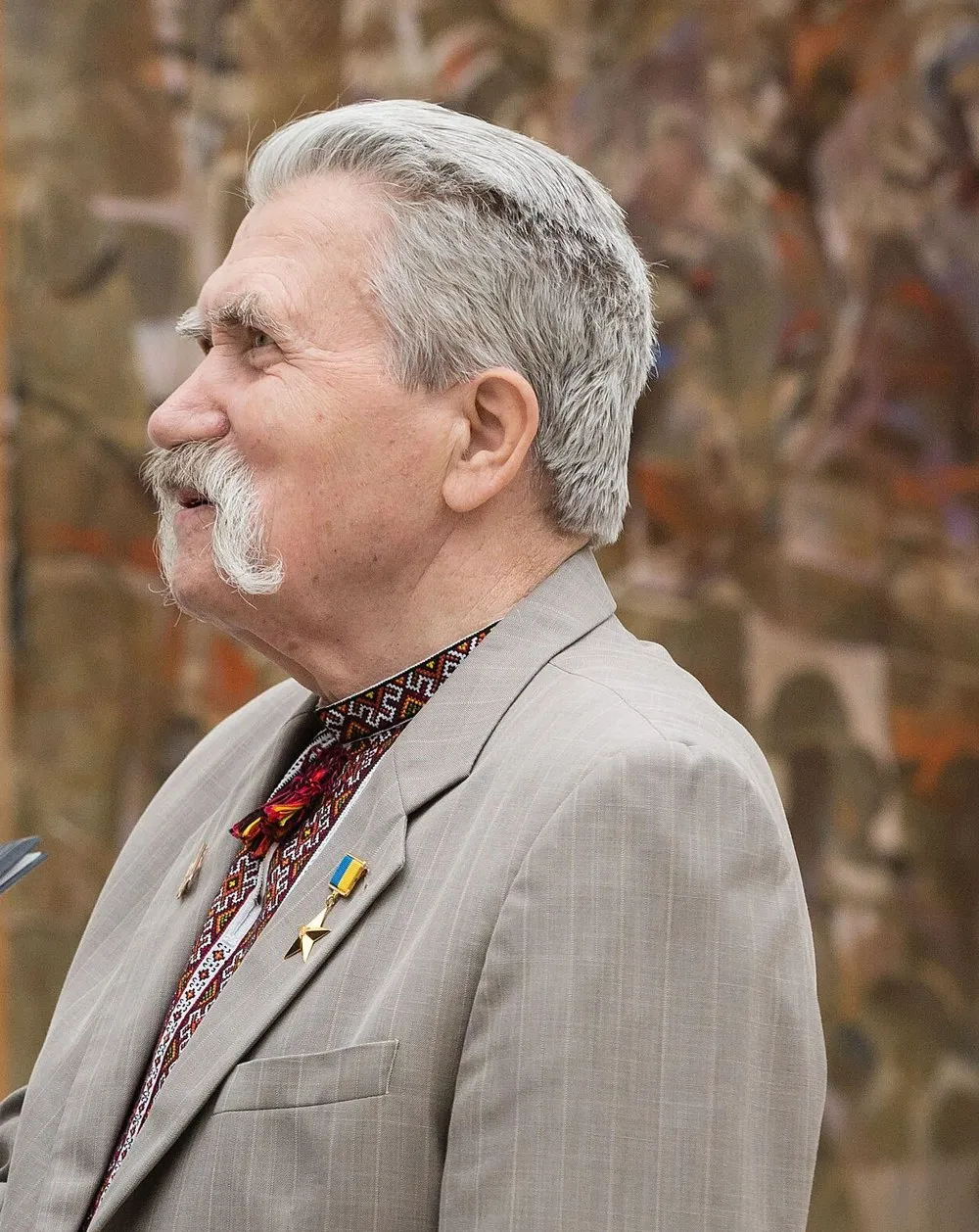
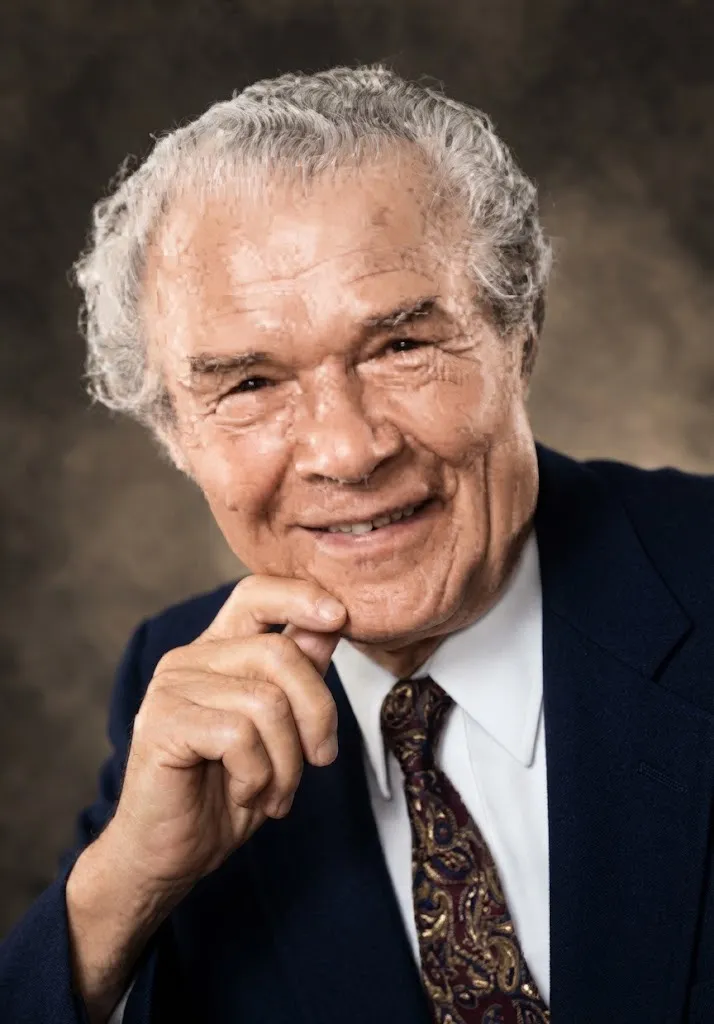
He was driven out of his native Crimea twice: as a baby in 1944 and as a well-known politician in 2014. Mustafa Dzhemilev spent 15 years in Soviet captivity for his people’s right to return home, led the Mejlis for 22 years and became a Hero of Ukraine.
Key accomplishments
- A co-founder of the Union of Crimean Tatar Youth (1960s) and initiator of the Organization of the Crimean Tatar National Movement (1989)
- Chairman of the Mejlis of the Crimean Tatar People (1991–2013)
- Member of the Verkhovna Rada of Ukraine, 3rd to 9th convocations (since 1998; as of October 2026)
- Commissioner of the President of Ukraine for Crimean Tatar Affairs (2014–2019)
- Hero of Ukraine (2023, Decree No. 749/2023); Order of Freedom (2018)
Exiled twice
Mustafa Dzhemilev (in Crimean Tatar, Mustafa Cemilev, also known as Qırımoğlu) was born in 1943 in the village of Ay-Serez in Crimea (today Mizhrichchia). In May 1944 the Soviet authorities deported the entire Crimean Tatar people, and the Dzhemilev family was sent to Uzbekistan. Mustafa was six months old.
Seventy years later, on 22 April 2014, the Russian occupation authorities banned him from entering Crimea. For the second time, he had been driven from his homeland.
15 years for the right to go home
From 1961 Dzhemilev fought for the Crimean Tatars’ return home and became a co-founder of the Union of Crimean Tatar Youth. In 1965 he was expelled from his institute in Tashkent, and in 1966 he was jailed for the first time, for his part in the national movement and for refusing to serve in the Soviet Army. In 1969 he was arrested again, for criticizing the Soviet system and condemning the Warsaw Pact invasion of Czechoslovakia. He was tried several more times and spent 15 years in captivity in all. In 1986, under international pressure and after a personal appeal from US President Ronald Reagan, he was released.
His people’s voice in Ukraine
In 1991 Dzhemilev became chairman of the Mejlis of the Crimean Tatar People, its representative body, and led it until 2013. Since 1998 he has been elected to Ukraine’s parliament again and again, and in 2014–2019 he was the President’s Commissioner for Crimean Tatar Affairs. After the occupation of Crimea he was one of the initiators of a civic economic blockade of the peninsula, and in 2022 a Russian court sentenced him in absentia to three years in prison.
On 13 November 2023, his 80th birthday, Dzhemilev was made a Hero of Ukraine, among other things “for courage and dedication in defending the rights of the Crimean Tatar people.” Accepting the award, he said he had one more dream: to return to his homeland.
Why it matters today
For many Crimean Tatars and Ukrainians, Dzhemilev is a symbol of resistance to deportation and occupation. His story is a reminder that Crimea is the home of the Crimean Tatars, who have been driven out of it more than once.