1939–2025
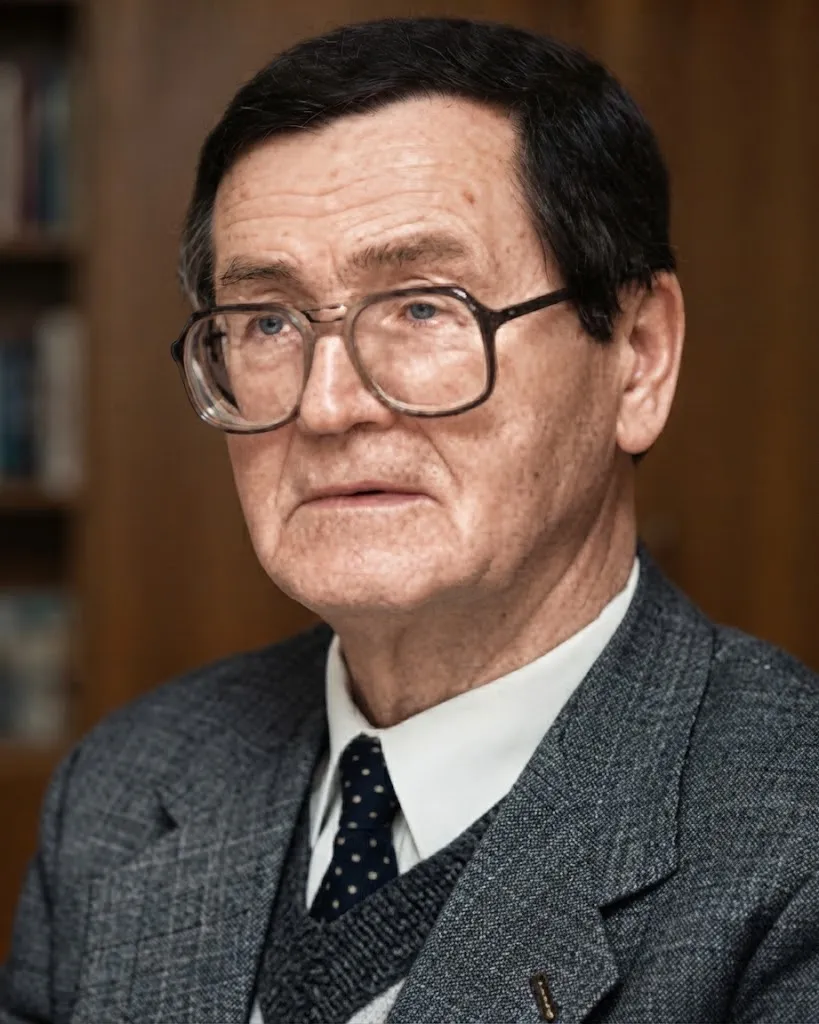
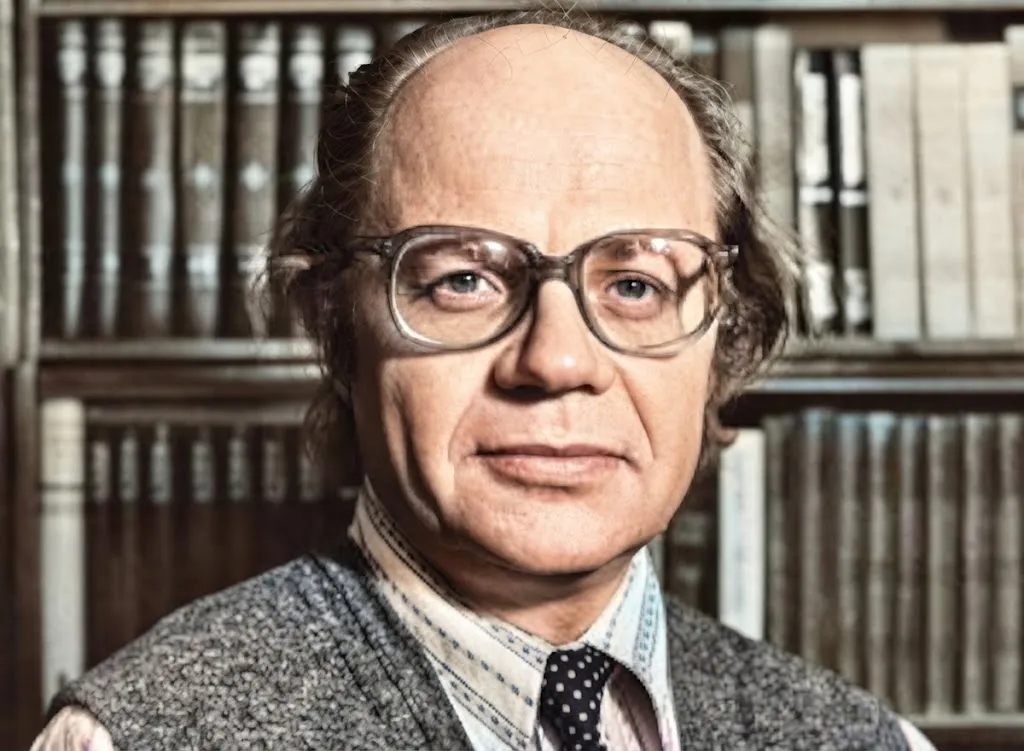
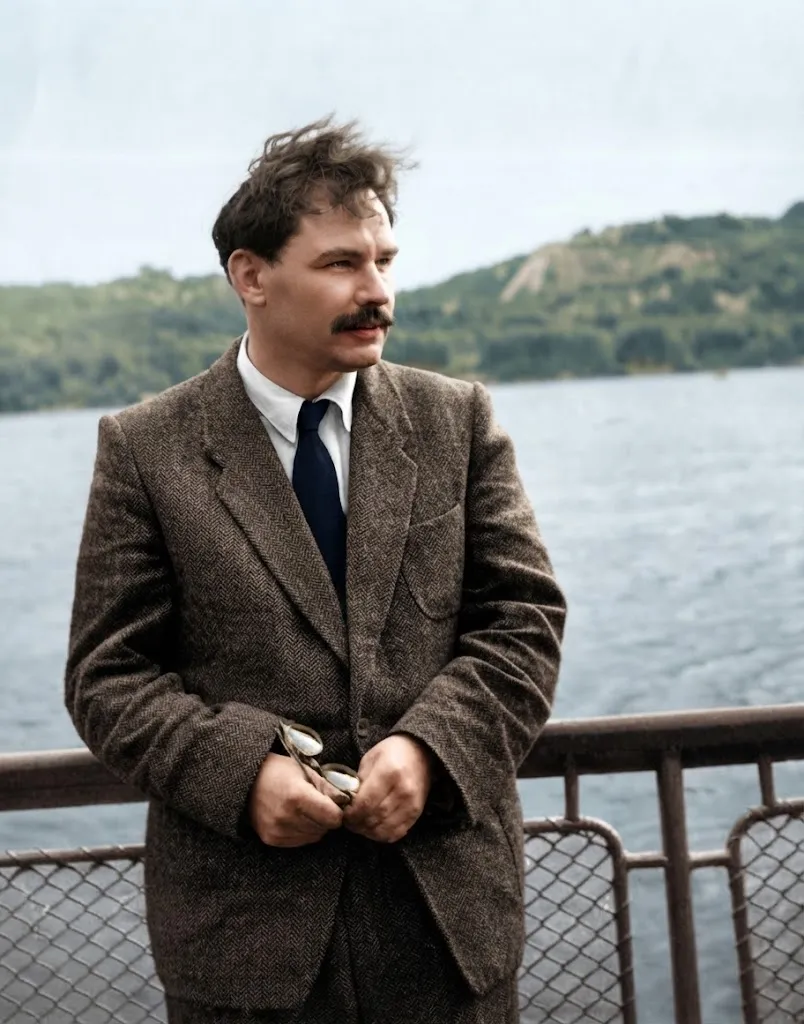
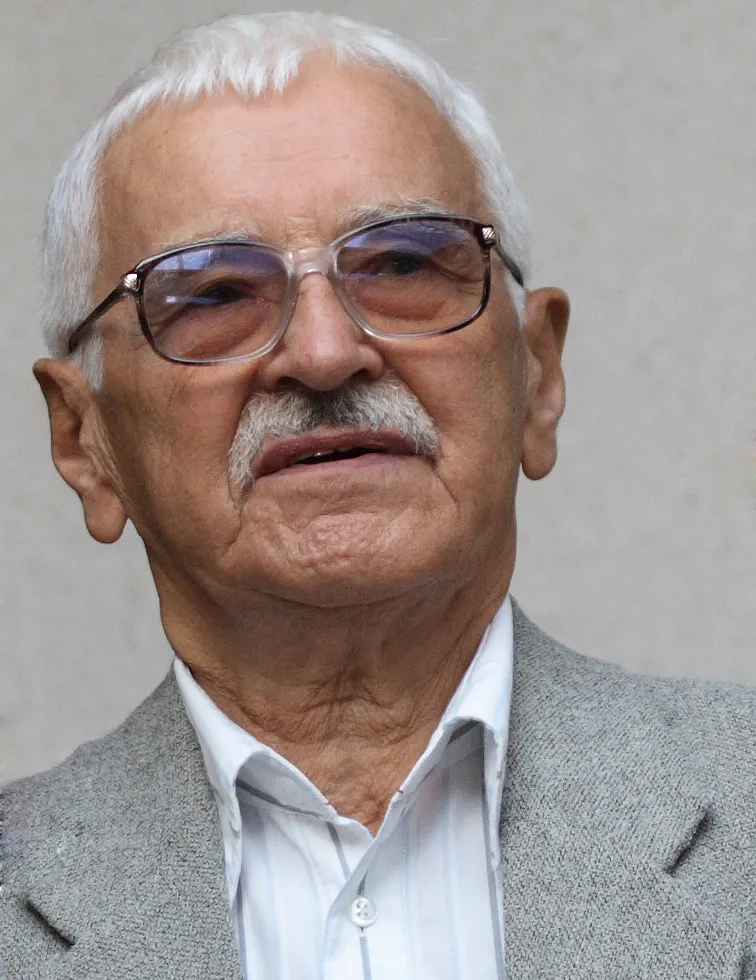
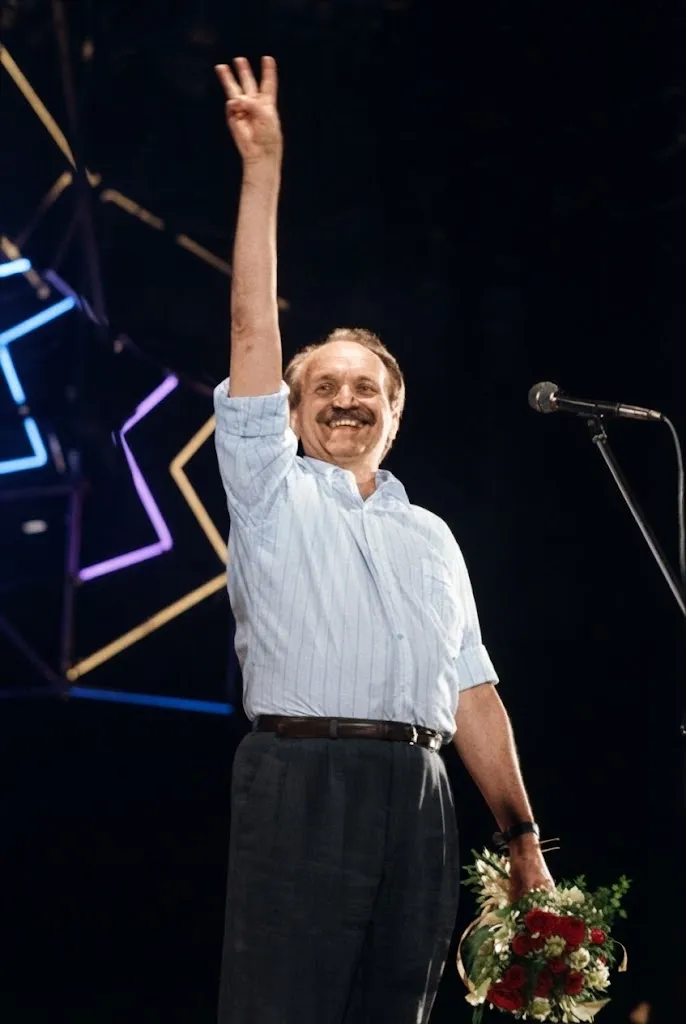
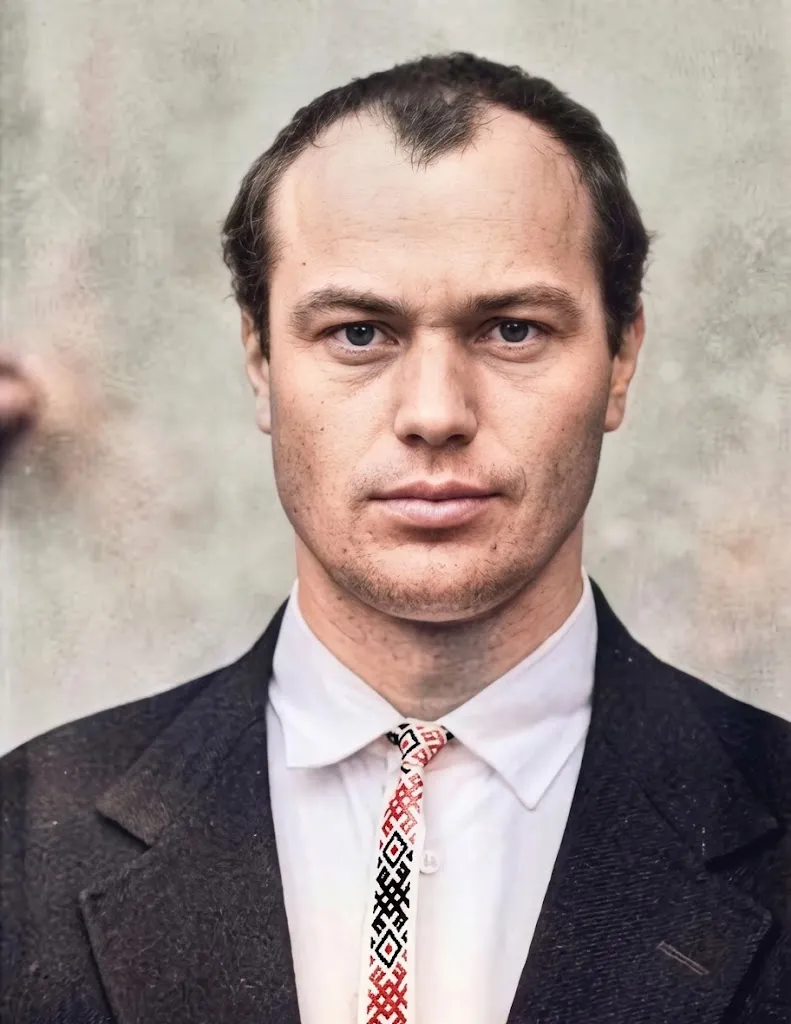
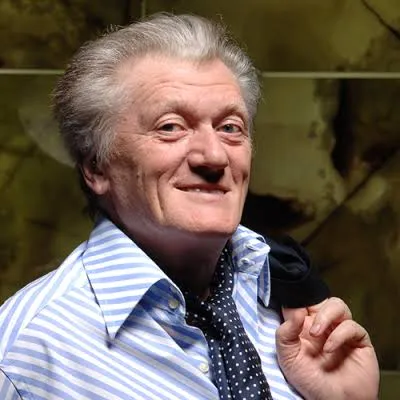
Ihor Kalynets
Sixtiers poet, political prisoner
After the camps he never wrote another poem and called himself “the impresario of the former Ihor Kalynets”. A Sixtiers poet from Lviv, Ihor Kalynets served six years in labour camps and three in exile, mainly for poems published in the West.
Key accomplishments
- The collection Kupala’s Fire (1966), withdrawn from sale soon after it came out; collections published in Brussels, Munich and New York (1970–1972)
- 17 poetry collections, gathered in the books The Awakened Muse and The Captive Muse (1991)
- One of the publishers of the unofficial journal Yevshan-zillia (1987); fairy tales for children, including Tales from Lviv (1999)
- Shevchenko National Prize (1992), Vasyl Stus Prize (1992), Order of Freedom (2009)
The book they took off the shelves
A young poet from Lviv published his first collection, Kupala’s Fire, in Kyiv in 1966. Soon it was withdrawn from sale in western Ukraine, and the author was summoned to the regional Communist Party committee to explain his “suspicious” lines. His next books came out only abroad: in Brussels, Munich and New York.
The Sixtiers’ voice in Lviv
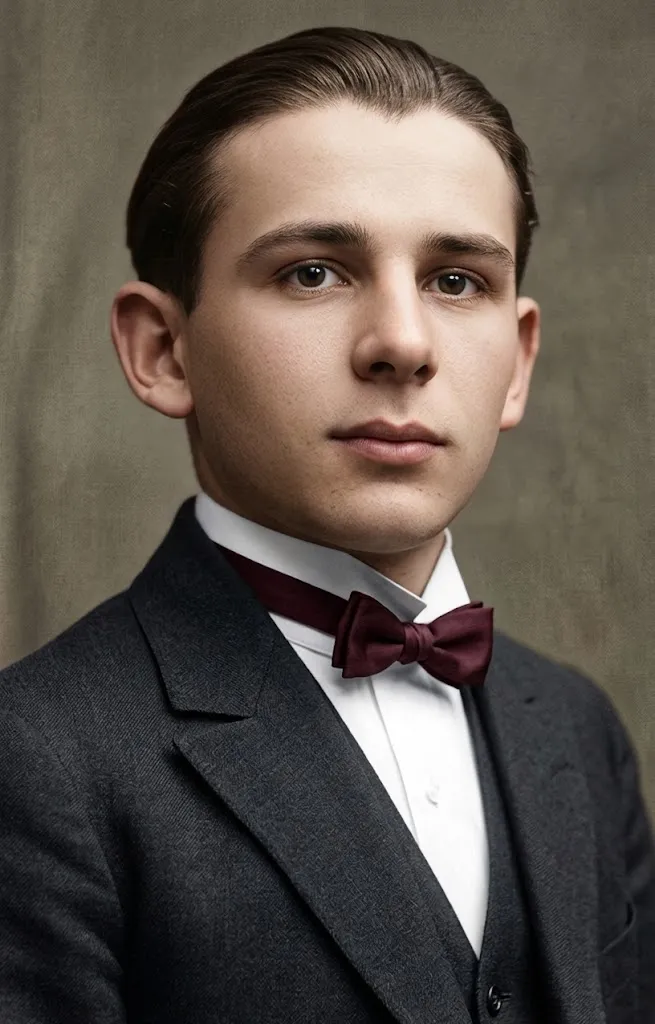
Ihor Kalynets was born in 1939 in Khodoriv, in the Lviv region. He graduated from Lviv University and worked at the regional archive. In 1962 Ivan Dziuba and Ivan Drach came to Lviv, and that meeting began a lasting friendship. Ivan Svitlychnyi recorded Kalynets reading his poems on tape. On trips to Kyiv the circle grew to include Alla Horska and Yevhen Sverstiuk. And when Ukrainian intellectuals were put on trial in Lviv, Viacheslav Chornovil and Lina Kostenko came to the trials.
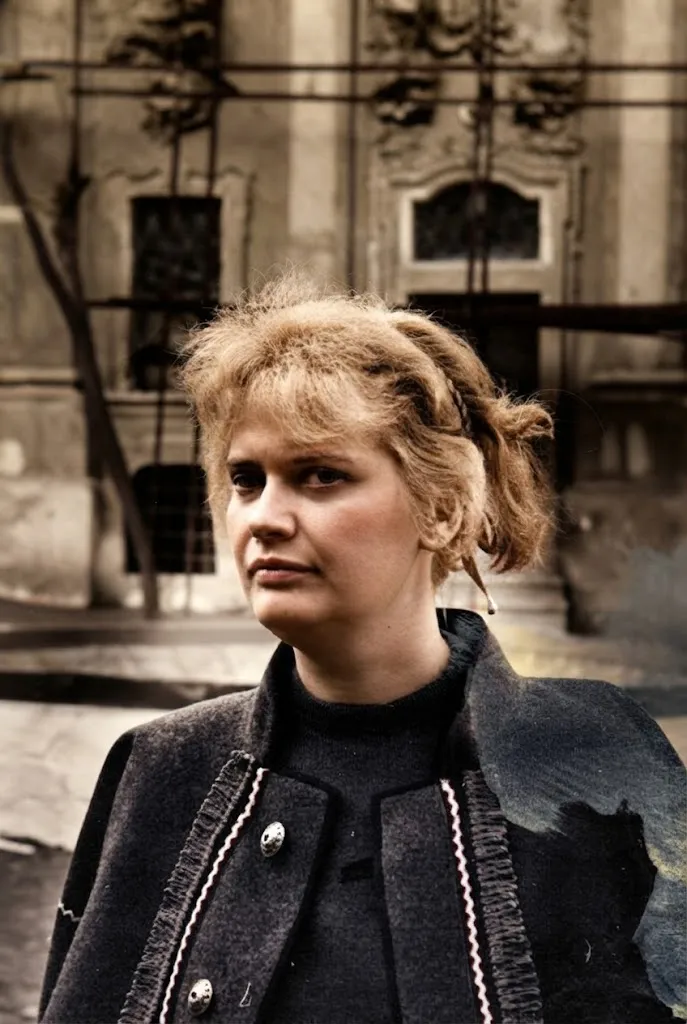
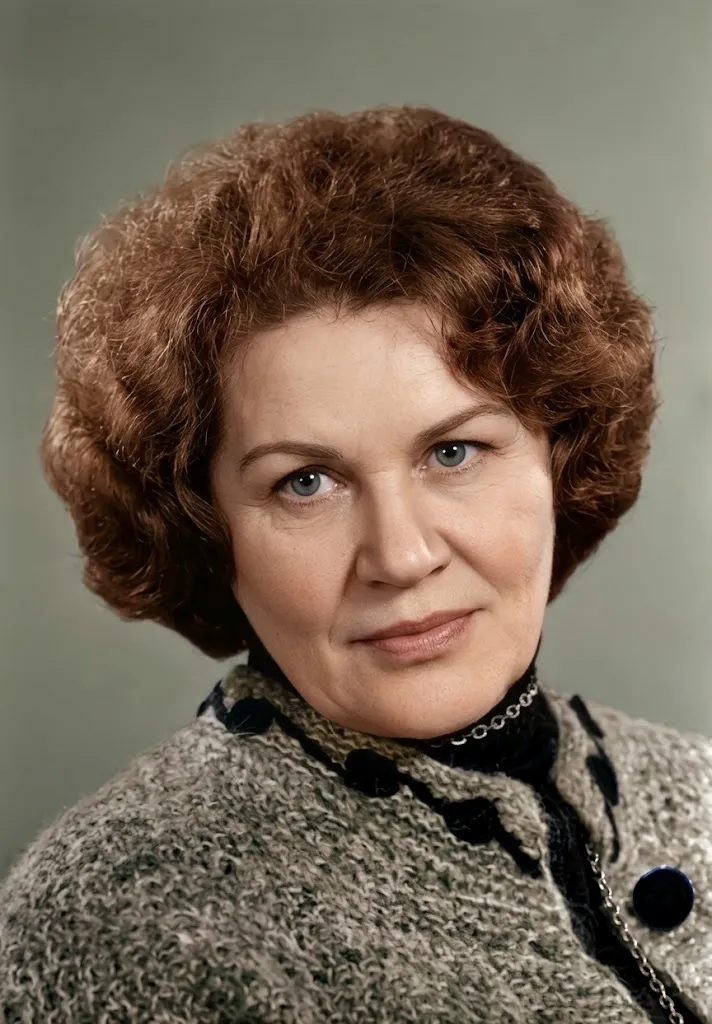
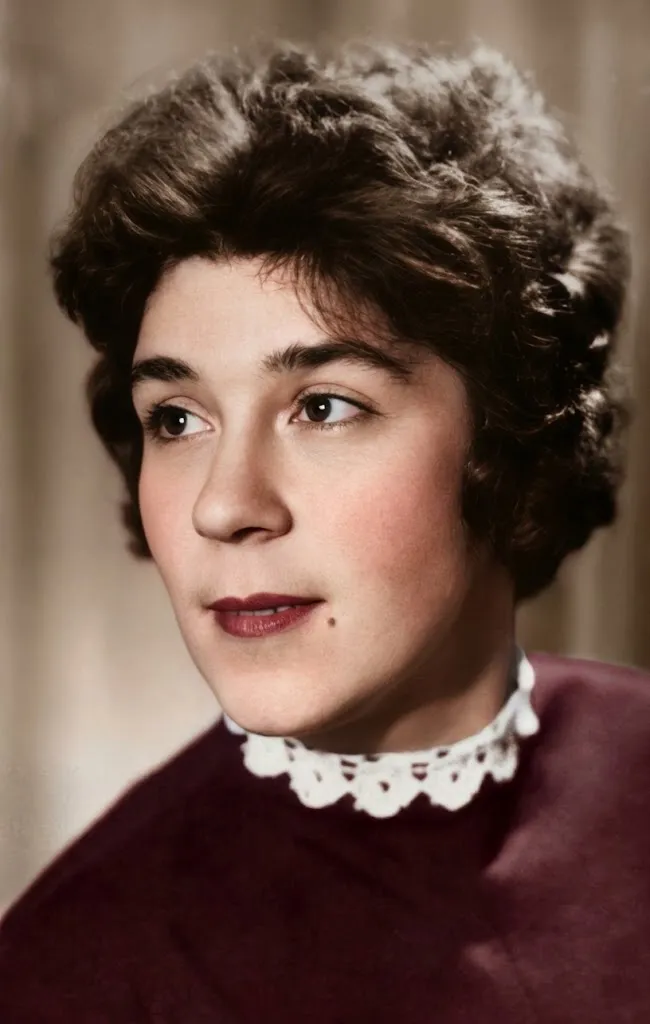
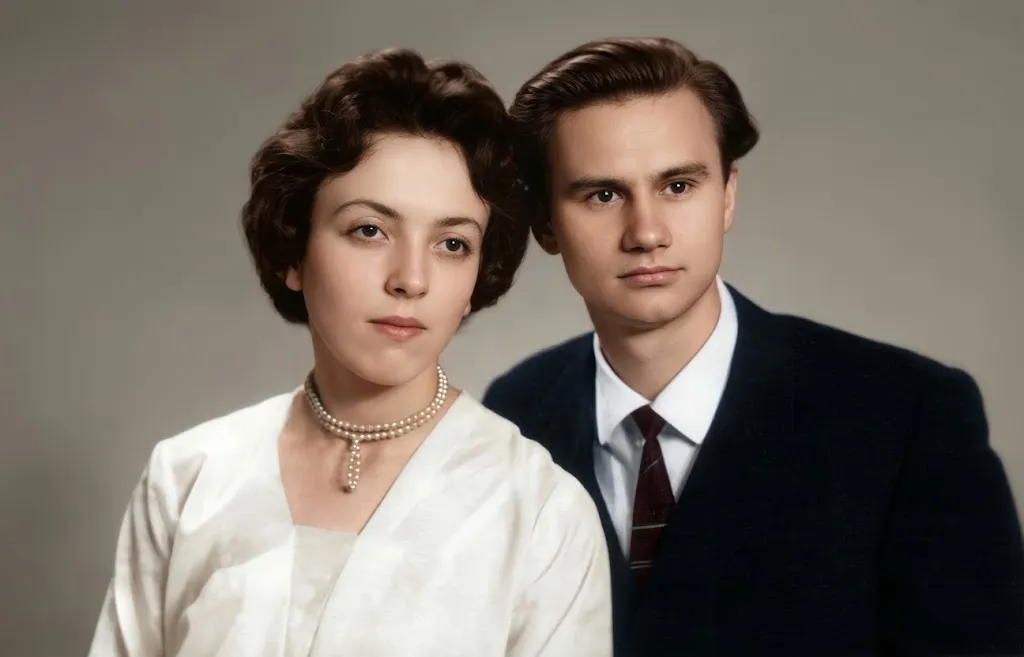
From 1965 the KGB kept watch on Kalynets and his wife, the poet Iryna Kalynets.
Six years in the camps, three in exile
Iryna was arrested in January 1972, and he was arrested on 11 August. The court gave the poet 6 years in strict-regime camps and 3 years of exile, mainly for poems printed in the West. He served his term in the political camps of the Perm region and joined the prisoners’ hunger strikes and appeals. In 1975, while still in the camp, he was made a member of PEN. The Kalynetses served their exile together, in Transbaikalia.
The impresario of a former poet
Kalynets came back to Lviv in 1981 and stopped writing poems. By then he had put together seventeen collections, nine of them before his arrest. From then on he called himself “the impresario of the former Ihor Kalynets”. In 1987 he helped publish the unofficial journal Yevshan-zillia, and later he wrote fairy tales for children. In 1992 he received the Shevchenko Prize.
Ihor Kalynets died in Lviv on 28 June 2025, aged 85, and was buried in the field of honour at Lychakiv Cemetery.
Why it matters today
Ihor Kalynets knew what he was taking on: he saw it as a poet’s duty to stand up for the persecuted, and he paid for his poems with nine years of captivity. Yet his words could not be stopped: collections that could not be printed at home came out abroad and found their readers. His life shows that words someone tries to ban reach their readers in the end, and that they are worth standing up for.