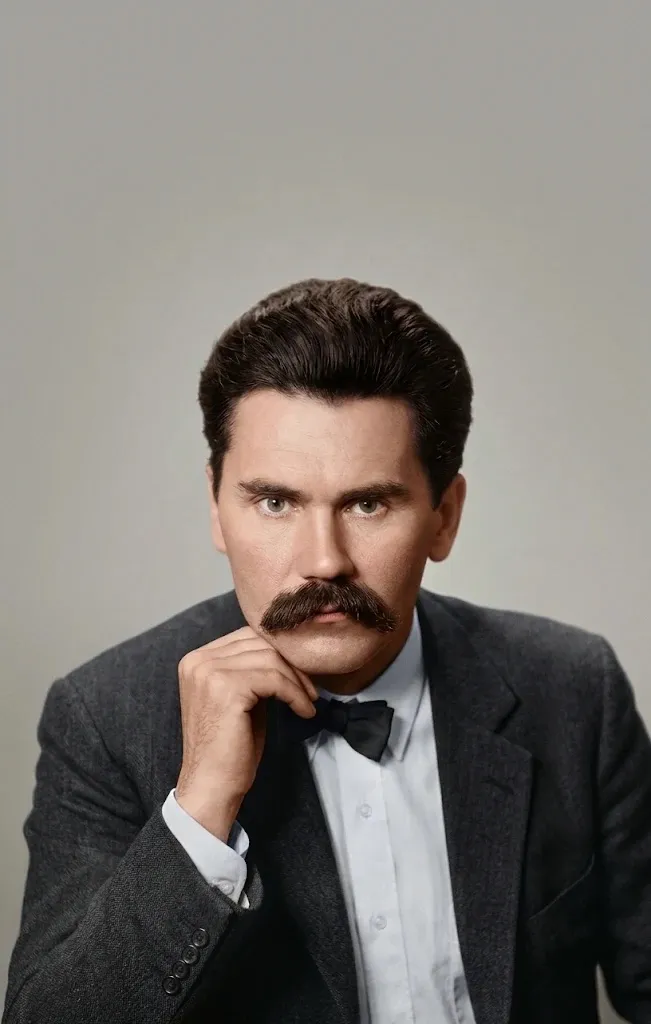
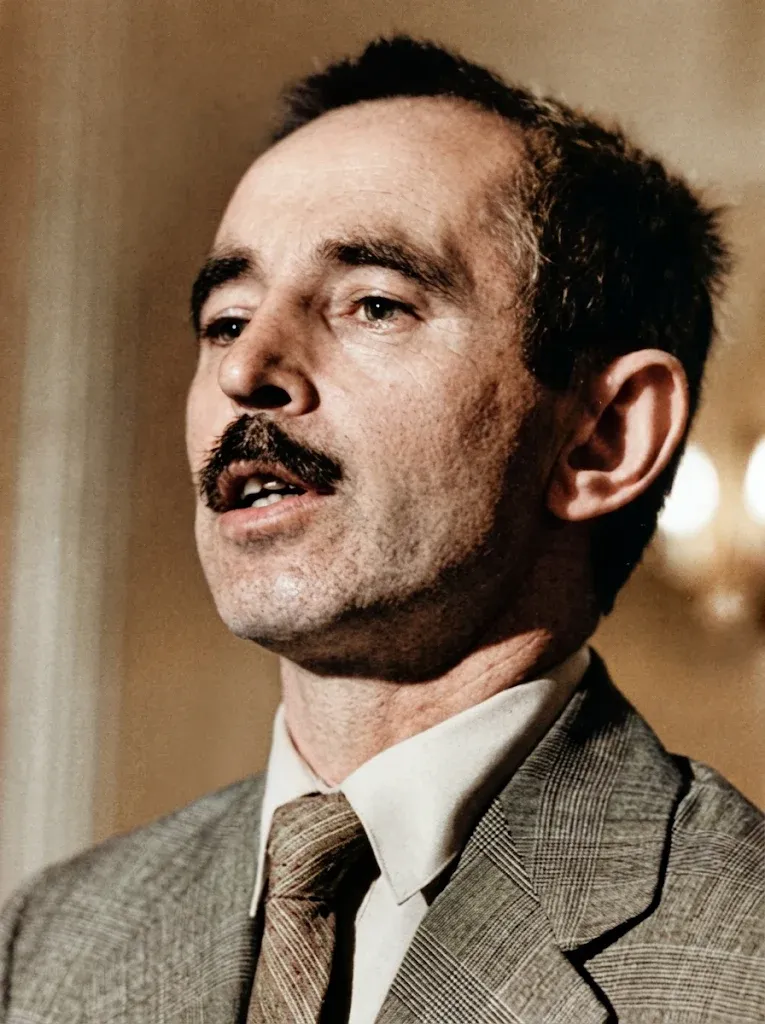
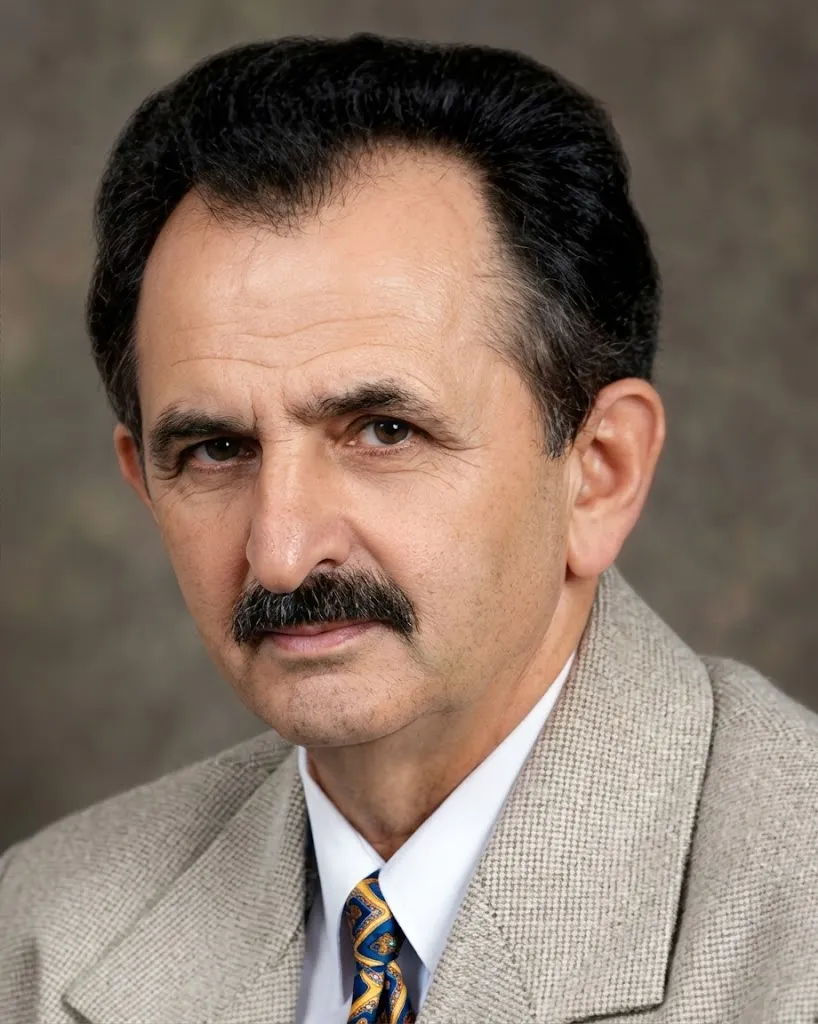
Viacheslav Chornovil
Dissident and leader of Rukh
Journalist Viacheslav Chornovil wrote about the closed trials of Ukrainian intellectuals; after his arrest he was thrown into a death-row cell to break him at once. It didn’t work: he spent more than 13 years in captivity, then became a leader of the fight for independence and head of Rukh.
Key accomplishments
- The document collection The Misfortune of Intellect (1967) on political trials of Ukrainian intellectuals
- Founder and editor of the underground journal The Ukrainian Herald
- Head of the Lviv regional council (1990), MP, and one of the initiators of the Declaration of Independence
- Runner-up in Ukraine’s first presidential election (1991); leader of Rukh
The cell that was meant to break him
“They threw me into a cell with prisoners on death row. They wanted to break me at once,” Viacheslav Chornovil recalled of his first days after arrest. It didn’t work: by then he had already written his books about the closed trials of Ukrainian intellectuals.
Chornovil was born in 1937 in the Cherkasy region into a family of teachers. He finished school with a gold medal and graduated with honours from the journalism faculty of Kyiv University, worked in television in Lviv and for newspapers in Kyiv, and in the 1960s joined the Sixtiers. On 8 August 1965, by Ivan Honchar’s monument to Shevchenko in Sheshory, he gave a sharp anti-communist speech. On 4 September 1965, as mass arrests of intellectuals began, at the premiere of the film Shadows of Forgotten Ancestors in Kyiv’s Ukraina cinema, he spoke out openly against the repressions together with Ivan Dziuba and Vasyl Stus: Dziuba was pushed away from the microphone and a siren was switched on, and Chornovil called on the audience to stand up in protest. He compiled two collections about the political trials, Justice or a Relapse of Terror? and The Misfortune of Intellect; the second was published abroad.
“The zeks’ general”
He was first convicted in 1966: he refused to testify at the trial of the brothers Mykhailo and Bohdan Horyn, called the prosecutor and judges criminals, and was given three months of forced labour. In a single year he was interrogated 83 times, yet he never testified against his friends. For The Misfortune of Intellect, and later for the samizdat (self-published underground) journal The Ukrainian Herald, Chornovil was convicted several times. He served his terms in camps in Mordovia and in exile in Yakutia, and even there he kept writing appeals and going on hunger strike: in 1968, after his articles were confiscated, he went 48 days without food. In the camps he was nicknamed “the zeks’ general” (zek is slang for a prisoner), and the fellow prisoner Mikhail Heifets gave his memoir about him the same title. When camp officers asked which ministerial post he expected in an independent Ukraine, Chornovil replied: “Citizen chief, in a free Ukraine I will hold only one post - editor of an opposition newspaper.” In 1980, shortly before his exile was due to end, he was sentenced to five more years on a fabricated criminal charge; in protest he went on hunger strike for 120 days. In 1985, after more than 13 years in captivity, he returned to Ukraine.
From Lviv to Rukh
Under Chornovil, who became head of the Lviv regional council in 1990, the Lviv region became an “island of freedom”: it was the first place in Soviet Ukraine to proclaim the national symbols and begin de-Russification, and in March 1991 Galicia held a referendum on independence. He was among the initiators of the Act of Declaration of Independence, and in the first presidential election in 1991 he came second, with more than 7.4 million votes (23.27%). In October that year the great council of the Ukrainian Cossacks elected him their hetman, and on 21 June 1992 in Pereiaslav the Cossack council he led unanimously renounced the oath of allegiance to the Moscow tsar sworn there in 1654. According to Bohdan Havrylyshyn, the then president invited Chornovil into government, even offering to let him name deputy prime ministers and ministers, but he refused and stayed in opposition. He later became head of the People’s Movement of Ukraine (Rukh). On 25 March 1999 Chornovil died in a car crash near Boryspil in circumstances that have never been cleared up.
Why it matters today
Chornovil showed that words and documents can stand up to a totalitarian system: more than 13 years in captivity did not silence him. The man they tried to break in a death-row cell went from the protests of the Sixtiers to the Act of Declaration of Independence, and was one of its initiators. By turning down a place in government, he showed that principles matter more than office. His slogan “Ukraine begins with you” reads as a call to personal responsibility. And about his own life he said that if he had to start all over again, “I would choose the life I have lived.”